2026 Hyundai IONIQ 3 and Izmit Production: What It Could Mean for City Driving
The search phrase “Hyundai IONIQ 3 Türkiye production” points to two related questions: whether the model is being built in Izmit and whether it would suit everyday urban driving. A year or place stated in a topic heading does not, by itself, establish that a production line has opened or that a vehicle is available to buy or rent. Production announcements, start dates and market launch plans are time-sensitive details. They should be treated as confirmed only when Hyundai’s official communications support the specific claim.
A manufacturing location alone cannot tell you a car’s range, charging time, dimensions, equipment or rental availability. Those questions depend on model-specific information. This guide explains how to assess the Izmit claim and what to look for in official technical material when evaluating an electric car for city use. If you are considering a rental, it also suggests questions to ask the branch that would supply the vehicle.
How to assess the Izmit production claim
Check an official manufacturer announcement or product communication for the model name, facility and date. Pay close attention to the wording: “production has started,” “production is planned” and “production is expected” describe different situations. A plan is not proof that production has begun. Likewise, a production start date is not the same as a retail launch date or the date a particular vehicle can be supplied.
These details can change over time, so check the publication date and look for a more recent update. If there is no official confirmation for the model and facility together, avoid presenting the claim as fact. A report about one Hyundai model or a general statement about a factory does not establish that a different model is built there.
Manufacturing location can help explain where a vehicle is assembled, but it does not automatically prove better quality, shorter delivery times, lower prices, local parts availability or a particular service advantage. Each of those would require separate evidence. Keep the claim within what the source actually says, and distinguish an announced plan from a completed event.
A quick fact-checking checklist
- Confirm that the official source names the IONIQ 3 and the relevant facility, rather than referring to a different model or factory in general.
- Read whether the production start is completed, scheduled or only anticipated.
- Check the date and whether a newer official statement has superseded the information.
- Keep production timing separate from the model’s market launch, final specifications and rental availability.
If the claim is verified, an article can state what Hyundai announced and when, while preserving the announcement’s exact status. If it cannot be verified, the useful next step is to explain how a reader can assess the car without treating Izmit production as established.
What manufacturing location says about city driving
Very little about the day-to-day driving experience follows from the location of the production line. Urban practicality depends more directly on vehicle dimensions, turning behaviour, visibility, seating and storage layout, energy use, charging compatibility and driver assistance features. A car built in Türkiye does not necessarily have a particular range, battery option or equipment package. Those must be checked in the official specifications for the exact model and version.
When technical information for a new model is incomplete, do not fill the gaps with figures from another IONIQ vehicle, a concept car or an early preview. Concept images and show vehicles can illustrate design direction without confirming the dimensions or equipment of a production car. Use only published specifications that clearly apply to the version you are considering.
Practical details to review
- Size and parking: If published, compare length, width and turning information with the streets and parking spaces you use. Parking cameras and sensors may also matter, but the availability of these features should be checked for the specific version.
- Visibility and seating: Consider the driver’s view, mirror position, access to the rear seats and ease of getting in and out. These are personal fit questions; an in-person inspection can help when one is available.
- Boot and passenger space: Think about what you carry, such as shopping, child seats or work equipment. Cargo volume is useful, but opening dimensions and the shape of the load area can matter just as much.
- Energy consumption: Official test figures are useful for comparisons, but actual use varies with speed, temperature, heating or cooling, terrain, load and driving style. Consider the stated figure alongside your own routes.
- Charging: Check the supported connector, AC and DC charging capability, and the conditions behind any charging-time figure in the official technical documents. A quoted time is not a guarantee of the same result at every charger.
Fitting an electric car into a daily routine
Frequent stops, traffic and short trips shape how an electric car is used, but they do not support one universal range estimate. A manufacturer’s range figure reflects defined test conditions. Weather, cabin heating or cooling, driving speed, road gradients, passengers and driving habits can all affect real-world results. Use the official figure as a reference point and allow a practical margin for your routine.
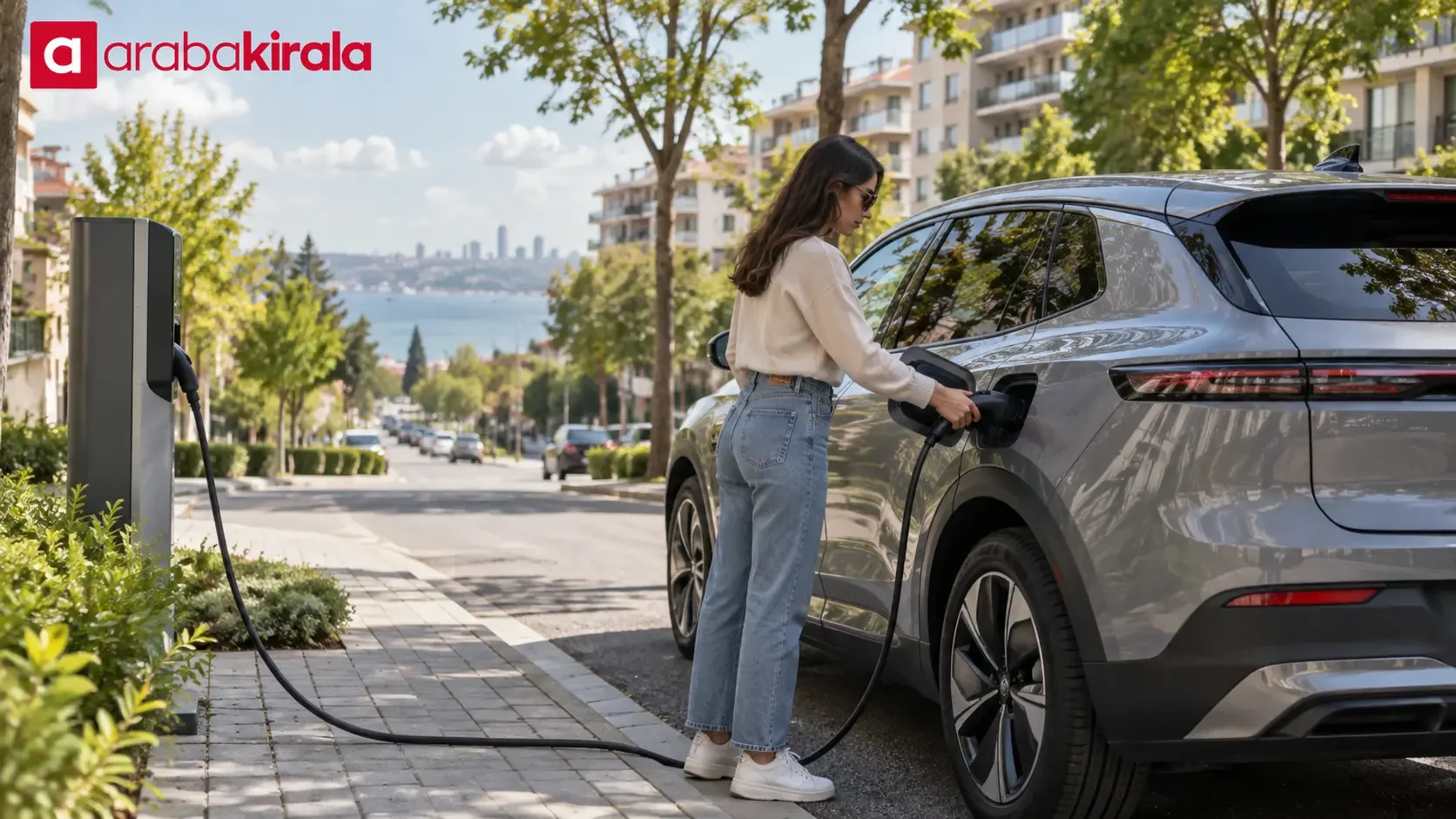
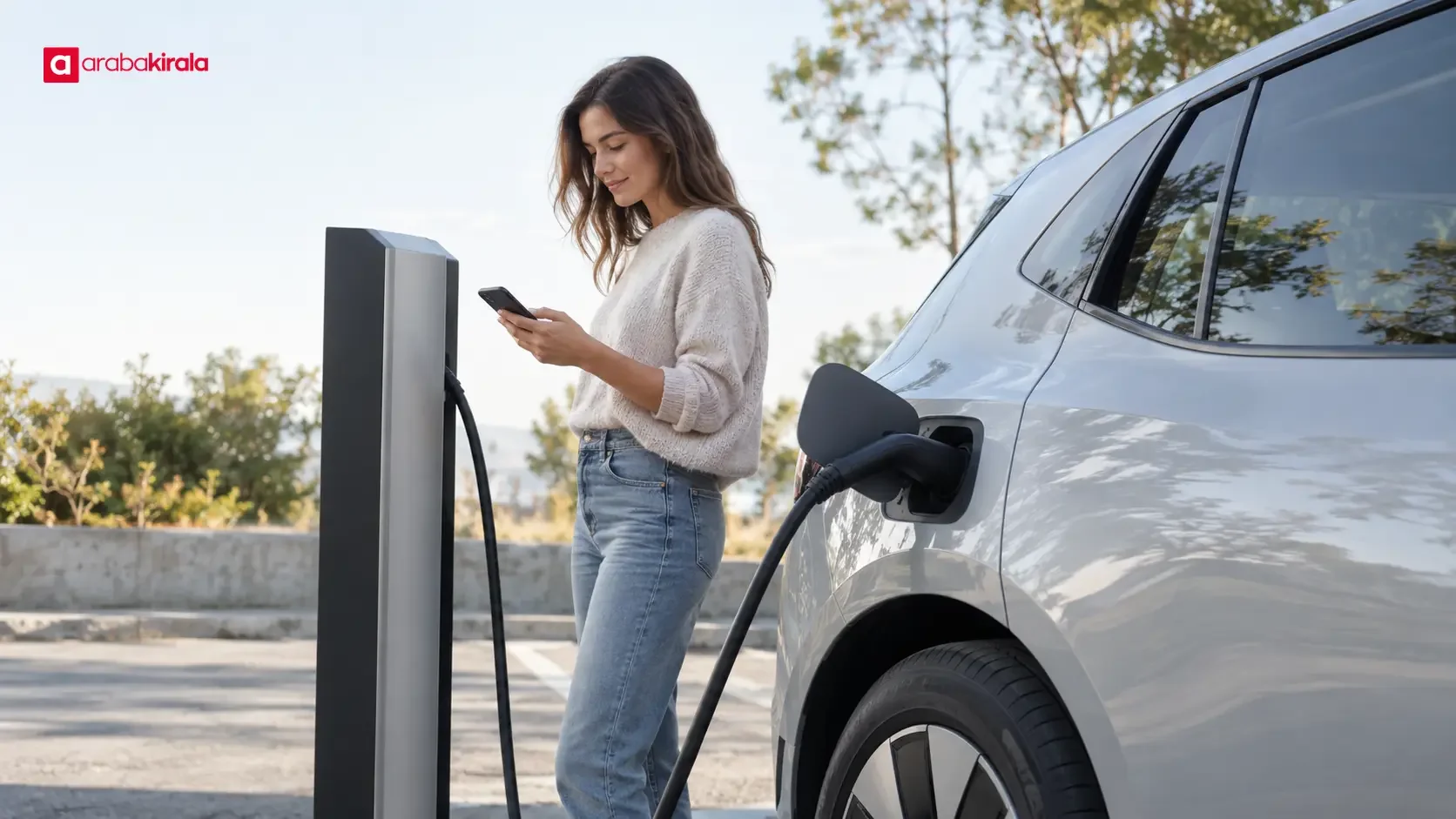
If you can charge where you park at home or work, check that the location and electrical setup are suitable. For a shared residential car park, ask the building management about its process and have the installation suitability assessed by qualified professionals. If you expect to use public chargers, check current locations and status through the relevant charging network’s official channels. Availability, access and pricing can change, so an old map or screenshot may no longer be reliable.
Charging speed depends on factors such as battery state of charge and temperature, the vehicle’s charging limits, and the power available from the charger. Avoid planning around a promise that a short stop will add a specific amount of range unless the conditions are clearly established. Follow the vehicle manual for charging procedures. Do not handle or repair high-voltage components, connectors or damaged cables yourself. For a warning or unusual condition, follow the manual’s safety guidance and contact the appropriate support service.
Questions to ask a rental branch
A launch announcement or vehicle review does not prove that a model is available for rental. Availability and equipment may vary by location, date and the particular car. Before making plans, ask the branch you would rent from whether the model is actually available for your dates and what vehicle and equipment would be handed over. If a similar category is offered instead, confirm exactly what that means; do not assume it is the same model or trim.
Read the rental agreement and the information provided at handover. The following are general questions to clarify with the branch, not universal rental terms:
- Will the reserved model be the vehicle supplied, and what happens if a change is needed?
- What battery charge level should you expect at collection, and what level is expected at return?
- Is a charging cable or other equipment included, and can someone explain how to use it?
- Is there a mileage allowance, how is it calculated, and what charge applies if it is exceeded?
- Can another driver be added, what steps are required, and is there a fee?
- Does the booking involve a deposit or card pre-authorisation, and where can you confirm the amount and release process?
- Where and when should the car be returned, and is an out-of-hours return possible?
- How should existing damage be recorded, and what contact route should you follow for a breakdown or collision?
Clarifying these points gives you information about the particular car and agreement rather than relying on assumptions. At handover, inspect the bodywork, wheels, windows and interior with the branch representative. Make sure existing damage is recorded in the relevant condition report. Review dashboard warnings, charging equipment and the vehicle’s basic controls before leaving. Ask about any feature you do not understand while the vehicle is safely parked.
Safe urban use
Electric cars can move quietly at low speeds, so take care around pedestrians and cyclists, especially at crossings, parking exits and junctions. Adjust your speed to visibility and conditions. If the vehicle has an audible pedestrian warning feature, consult the manual to learn how it works. Driver assistance features do not replace attention, and their scope varies by vehicle.
If regenerative braking can be adjusted, get familiar with the car’s deceleration response in a safe, quiet setting before relying on it in busy traffic. Smooth acceleration and braking can support comfort and energy management. On wet, slippery or uneven surfaces, adapt your speed to the road. Do not use a charging cable or connector that appears damaged. If you notice damage, an unusual warning or abnormal heating, stop the charging process safely and contact the relevant support service.
Follow the manual supplied with the actual car and the branch’s handover explanation. Charging-port release, gear selection, parking controls and drive modes can differ between vehicles. Do not assume that a procedure from another electric car applies to the one you have rented.
Frequently asked questions
Has the Hyundai IONIQ 3 started production in Izmit?
Treat this as unconfirmed unless an official Hyundai source names the model and facility and states that production has begun. A plan, a forecast, a production start and a retail launch are different milestones. Check Hyundai’s official communications for the current status.
Would Türkiye production increase the car’s city range?
Manufacturing location does not establish range or energy consumption. Those depend on the vehicle’s battery and powertrain, as well as the test conditions used for the published figure. Refer to official IONIQ 3 specifications once they are available.
Which features matter most for city driving?
Start with your routes and parking conditions. Review the car’s dimensions, turning behaviour, visibility, boot access, energy use and charging options. Consider passenger and cargo needs together with the distance you typically drive and where you can charge.
What should I confirm before renting one?
Ask the branch whether the model is available for your dates and exactly which vehicle and equipment will be supplied. Clarify the battery collection and return expectations, charging equipment, mileage calculation, additional-driver process, deposit details and return procedure. Read the applicable agreement before collection.
Does production in Türkiye mean chargers are available everywhere?
No. A production location says nothing about charger locations or availability. Check the routes you plan to take using current official information from charging networks, and confirm that the vehicle supports the connector and charging method you intend to use.
In short, verify current claims about a 2026 schedule or Izmit production against official information. Assess city suitability using published specifications and your own routine. If renting, confirm the model, actual vehicle, equipment and agreement details directly with the branch. That keeps a manufacturing headline from being mistaken for a driving specification or a service promise.
For informational purposes only. Please contact the branch where you plan to rent for detailed information.