Benefits of Renting an Electric Car: A Practical Guide
The benefits of renting an electric car can be especially relevant if you live in Beylikdüzü, are starting a trip there, or want to try an electric vehicle before making a longer-term decision. A rental lets you use a car for a set period and return it when that need is over. The experience can be convenient, but it depends on more than the vehicle itself. Your route, access to charging, passenger and luggage needs, and the rental agreement all matter. This guide explains where an electric rental can help, what to check before booking, and how to plan a more comfortable drive around Beylikdüzü and beyond.
Who may benefit from renting an electric car?
Renting can suit drivers who want to experience an electric car without immediately committing to ownership. You can learn how the car responds in traffic, how its cabin feels, whether the seating and luggage space work for your household, and how charging fits into your routine. For someone considering a purchase, a rental offers a real-world reference point to compare with brochures and reviews. It can also meet a temporary need, such as a visit, a work trip, or a period when your usual vehicle is unavailable.
Whether it works well in Beylikdüzü depends on where you drive and how you can charge. Drivers with a predictable daily route, access to charging where they park, or flexibility to make a charging stop may find the transition straightforward. People who cover long, changing distances and have little time to stop may need to plan more carefully. There is no single answer that applies to every driver: compare the specific vehicle and rental conditions with the journeys you actually expect to make.
Key benefits of an electric car rental
Try the car before making a longer-term choice
A rental gives you the chance to assess an electric car in ordinary use. You can notice how its range estimate changes, how regenerative braking feels, how quickly you become comfortable with the controls, and whether charging is practical at places you visit. One rental period cannot represent every season, route, or traffic condition, but it can offer more useful evidence than a brief showroom visit. If you are evaluating a car for possible ownership, try to follow a routine similar to your normal week rather than relying on a short, ideal-weather drive.
A quiet, smooth experience in town
Electric motors can make low-speed driving feel quiet and smooth, and the absence of conventional gear changes may be noticeable in stop-and-go traffic. Some drivers find the calmer cabin helpful for conversations and everyday errands. It does not remove every sound: tyres, road surfaces, wind, and other traffic can still be heard, and comfort varies by model and conditions. A short drive before you leave the rental location can help you decide whether the seating, visibility, controls, and ride suit you personally.
Learn how energy use fits your routine
Using an electric rental can help you connect driving habits with energy consumption. Speed, frequent acceleration, outside temperature, climate control, road gradient, and the weight in the car can affect the distance available from a charge. The dashboard range is an estimate based on current conditions, not a guaranteed distance for every journey. During the rental, you can see how the vehicle behaves on familiar roads and understand when it is convenient to charge. That practical knowledge can help you decide whether an electric vehicle fits your day-to-day life.
Use a car for a defined period
A rental can provide transport for a temporary need without requiring you to make a long-term ownership decision. When the trip or short-term need ends, you return the vehicle. This can be useful for travel, family visits, or a limited period when you need a car. Flexibility still depends on the provider’s terms. Rental price, included services, mileage limits, deposit, insurance, and return requirements can differ, so read the written agreement before booking. Checking these details early helps prevent a seemingly simple rental from becoming inconvenient or more costly than expected.
Planning charging and routes from Beylikdüzü
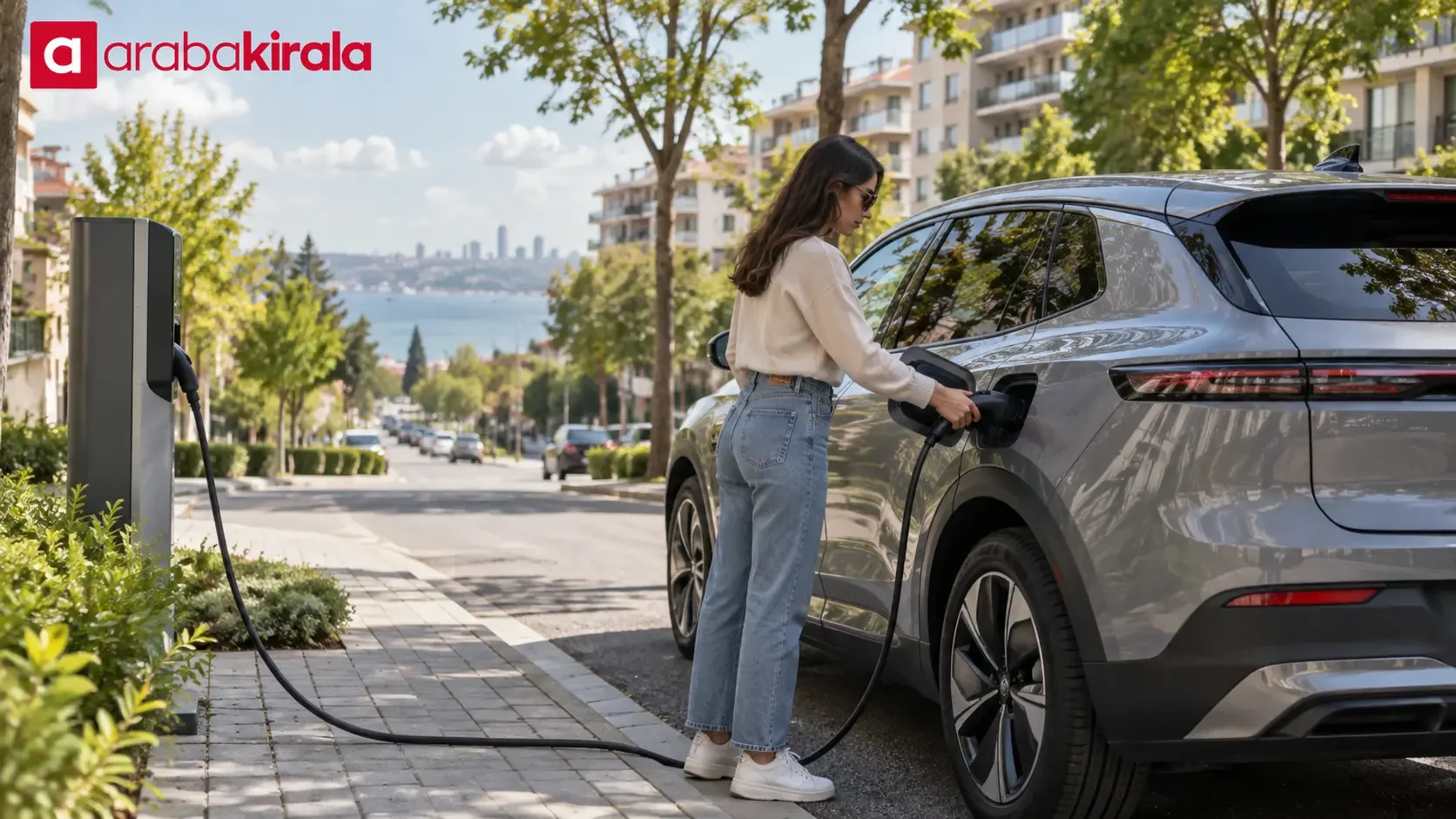
A comfortable electric-car trip usually starts with a charging plan. Before collecting the car, check whether charging is available at your accommodation or regular parking place, and find out how access works. If you expect to use public charging, identify possible stops along the route and check the operator’s current information close to departure. Station availability, access, and payment arrangements can change, so it is sensible to have more than one option rather than relying on a single location shown on a map.
When leaving Beylikdüzü, consider the whole journey, including the return trip and any likely detours. Think about where you will park at your destination and whether you can spend time charging there. Traffic, weather, and the use of heating or air conditioning can change consumption. Keeping a reasonable buffer is more comfortable than planning to use nearly all the displayed range. If the car’s navigation system suggests a charging stop, check that the proposed stop fits your schedule and confirm its current status through an appropriate provider channel.
What to compare before you book
- Expected range: Compare the vehicle with your likely route, return distance, and possible diversions. Treat range figures as estimates that depend on conditions.
- Charging connection and equipment: Ask which connector the vehicle uses, whether a cable or adapter is included, and whether it is compatible with the charging locations you expect to use.
- Charging time: Charging speed varies with the vehicle, charger, battery state, and other conditions. Include the time needed for a stop in your itinerary.
- Passenger and luggage space: Check the seats and boot against the people and items you will carry, such as child seats, suitcases, or work equipment.
- Rental terms: Read the mileage allowance, excess charges, insurance and deposit terms, return charge expectations, damage reporting process, and roadside support arrangements.
Practical checks at collection and return
At collection, inspect the exterior, wheels, and interior, and make sure existing marks or damage are recorded in the handover documents. Compare the charging cable, any adapters, and other supplied items with the checklist. Note the battery level and displayed range, while remembering that the range is an estimate for the conditions at that moment. Ask how to find the charging settings, choose drive modes, use parking assistance, and contact support if you need help. If a control or feature is unclear, ask the rental provider before setting off.
Before returning the car, review the agreement for the return time, location, and any required battery level. If you need to charge it, allow enough time and identify a suitable location in advance. Keep a record of a charging transaction if you use a particular app or payment method. At handover, check the vehicle and supplied equipment together, complete the return record, and promptly report any new issue. Procedures vary among providers, so use the instructions for your own booking rather than assuming one universal return standard.
How to assess the overall rental cost
Comparing only the advertised daily rate can leave out important parts of the total. Review insurance and any excess, deposit, mileage allowance, additional-driver rules, collection and return arrangements, charging costs, and possible service fees. Do not assume that charging is free or that all public stations use the same price or payment method; check the current information from the relevant provider. When comparing the overall transport option, account for the time needed for charging and the availability of convenient stops as well as energy costs.
Two cars in a similar category may differ in equipment, capacity, and rental conditions. Ask which model you are likely to receive and check the agreement that applies to it. A car larger than you need may be less convenient to park; a smaller one may not have enough room for your passengers or luggage. Being clear about the purpose of the rental and asking questions in writing can help make sure the service matches your expectations.
Frequently asked questions
Is an electric rental practical for everyday use in Beylikdüzü?
It can be practical if your routes, parking and charging access, daily distance, and available time for charging work together. Compare the car’s capabilities with the trips you make most often, including the return journey. Suitability depends on individual travel patterns, so the same rental may be convenient for one driver and less suitable for another.
Should I find charging stations before I travel?
Planning ahead is useful, especially for an unfamiliar route or a longer trip. Look at more than one possible stop and check current station information through the operator’s available channels near departure. Having an alternative can help if a charger is busy or unavailable.
Can I rely on the range shown in the car?
The display is an estimate based on the battery and recent use. Speed, traffic, weather, road gradient, passenger and luggage load, and climate control can affect consumption. Leave room in your plan for changing conditions and identify charging options before you need them.
Which rental terms deserve special attention?
Check mileage limits and extra charges, deposit and insurance conditions, how to report damage, any return battery-level requirement, included charging equipment, and support arrangements. Terms vary by provider, so read the agreement and handover documents that apply to your booking.
Choose based on the journey you will actually make
Renting an electric car can be a useful way to try electric driving, cover a temporary transport need, and experience a quiet, smooth ride. For a rental starting in Beylikdüzü, the most useful decision comes from considering your normal route, charging access, and rental terms together. Check whether the vehicle’s range, charging connection, and passenger capacity fit your plans. Compare complete offers, ask questions before collection, and leave sensible alternatives in your charging plan. That preparation makes it easier to judge whether an electric rental is right for your own travel needs.