How to Charge an Electric Rental Car at a Public Station
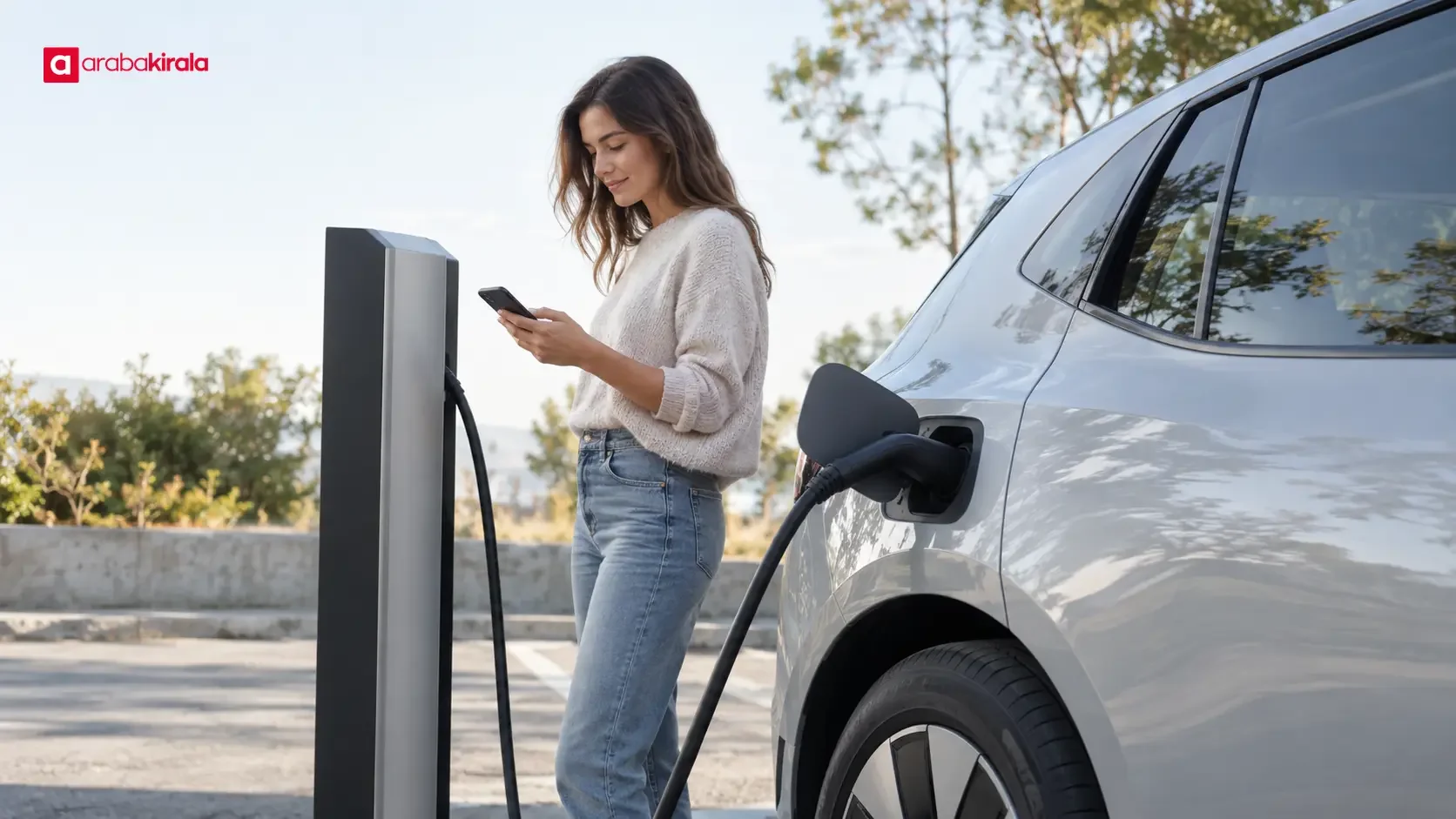
Charging an electric rental car at a public station means finding a compatible charger, choosing the right connector, starting a session, and ending it properly before you leave. If this is your first time, take the steps in order, read the instructions on the charger, and check the vehicle manual for its charging details. Stations can differ in connectors, payment methods, and session controls, so ask the rental branch where you are collecting the car what equipment comes with it and what information is available for that specific vehicle.
Questions to ask the rental branch before your trip
Ask which connector type the vehicle uses, whether a portable charging cable is supplied, and how to locate the relevant charging information in the vehicle or its manual. If a cable is included, ask how it is intended to be used and stored. Public chargers do not all have the same cable arrangement, so do not assume that every electric vehicle can use every public charging point.
It is also useful to ask which maps or charging network apps can help you locate nearby stations, whether public charging is a separate expense from the rental charge, and whether the branch has an expectation about the battery level at return. Answers may depend on the vehicle, branch, and rental agreement. Ask the branch directly about any mileage limits, charger access, return timing, charges, or cancellation details that matter to you. Do not treat a general online example as a condition of your rental.
Finding and choosing a charging station
Before setting out, use a reputable charging map or network app to review stations along your route. A station appearing in search results does not guarantee that it is available, working, or compatible with your vehicle at the time you arrive. Check details such as connector type, power information, access hours, payment method, and live availability. If the app does not provide a detail or you are unsure whether it is current, check the station operator’s official information.
Identify a nearby alternative rather than relying on one location, especially on a longer drive. Consider the route, road and weather conditions, station location, and the vehicle’s range estimate together. The estimate shown by the vehicle or navigation system is useful, but actual energy use can vary with driving style, temperature, hills, load, and equipment use. Keep a reasonable margin in your plan and monitor the battery display as you travel.
Check that the connector fits the vehicle
Compare the connector marking on the charger with the vehicle’s charging inlet and the information in the manual. Never force a plug that does not fit. If a station offers several connectors, select one supported by the vehicle. When the station does not have an attached cable, check whether you need to use the car’s cable and follow the station’s instructions. If you are uncertain, contact the station’s support channel or ask the rental branch for vehicle-specific guidance.
Starting a session with an app or payment method
Park close enough for the cable to reach, while keeping access routes clear. Read the charger’s screen before connecting. Some stations use a network app, while others may accept contactless payment or another access method. The process varies, so check what the station accepts before relying on a particular payment option. If an app is required, follow the station’s official directions to find it and use a trusted source for any download or account setup.
Follow the prompts in sequence. Depending on the station, you may need to select the charger in an app, confirm a connector number, scan a code, or complete another identification step. There is no single flow for every location. Before authorizing payment, read the displayed pricing information and find out how to stop the session. Pricing units and any additional amounts depend on the station operator. If an amount or condition is unclear, ask the operator before starting.
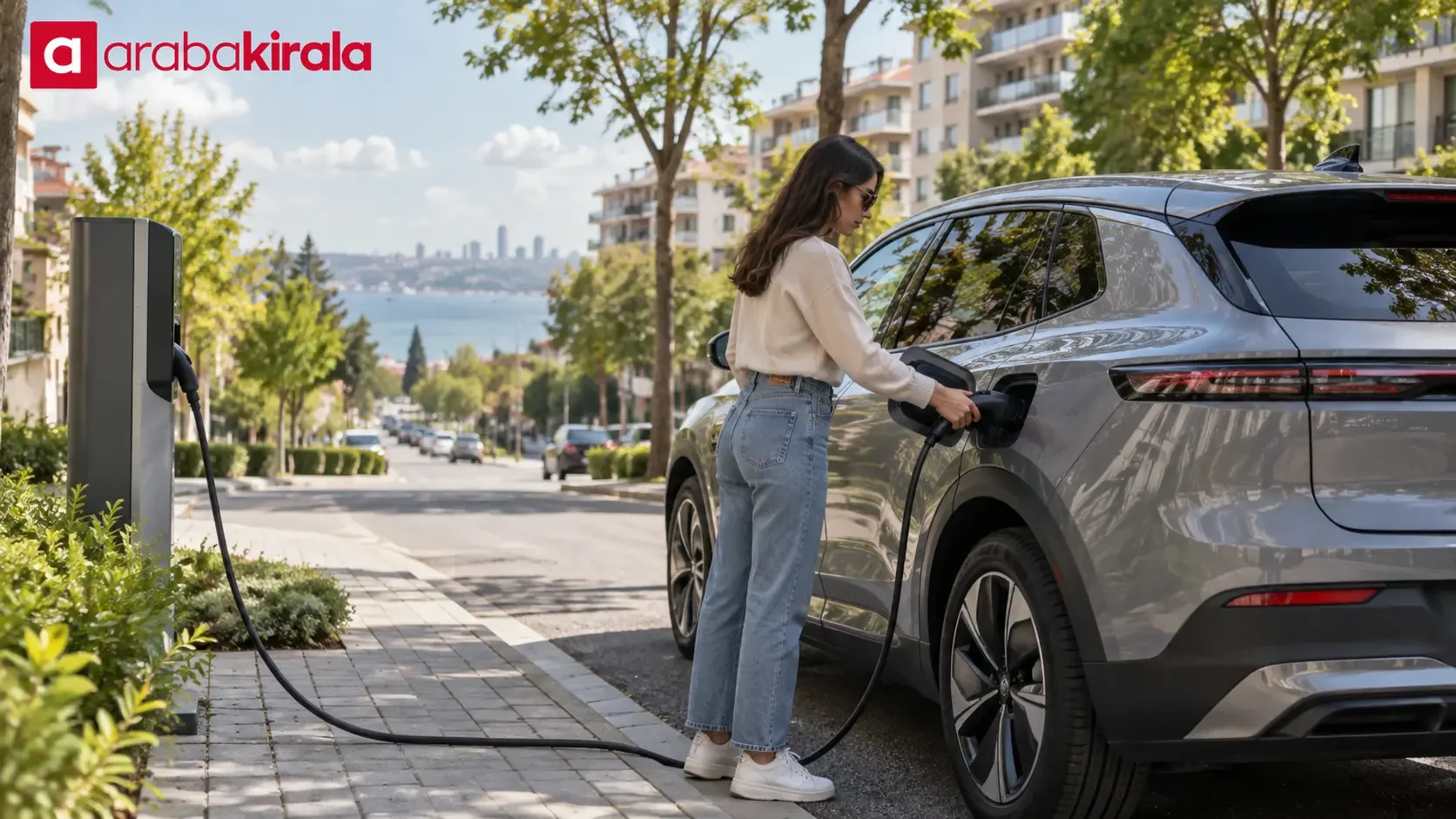
Hold the connector by its handle, line it up with the inlet, and insert it without force. Use any latch as directed. Stop if you encounter resistance, visible damage, an unusual heat warning, an error light, or an unclear alert. Do not try to repair or open the charger, cable, or vehicle inlet. A successful start is usually shown on the vehicle display or station screen. Confirm that the session has begun before walking away.
What to watch while the vehicle is charging
Check the vehicle or charger display to make sure the session is active and energy is being delivered. Refresh the app if needed, but do not immediately assume a short delay means the charger has failed. If an error appears, note it or take a photo and use the support channel shown by the station. Do not attempt to open or repair charging equipment.
Leave the vehicle in the designated charging space and make sure the cable does not block a walkway. Follow any notifications about completion so the space is available to others when you are done. Charging time depends on the vehicle’s accepted power, the charger, battery level, and other conditions. Rather than planning around a fixed number of minutes, use the estimate shown by the vehicle and station.
Ending the session and unplugging
Before removing the connector, check the vehicle screen, charger display, or app. If the session must be stopped, use the stop or end control shown by the station. Confirm that charging has ended and that the payment session is closed before disconnecting. If the connector is locked, you may need to unlock the vehicle, use a control in the vehicle, or follow the ordinary procedure in the manual. The method varies by model, so consult the vehicle’s instructions.
Once released, hold the connector body and remove it straight out; do not pull on the cable. If the cable belongs to the station, return it to its holder or follow the posted instructions. If you used a vehicle cable, coil and stow it as directed. Check the charging flap, the area around the car, and your parking space before leaving. If the connector will not release, do not force it. Contact station support and refer to the vehicle manual if needed.
Keeping track of payment and receipts
Before starting, identify where the station shows the price and which payment method it accepts. After the session, check the app or payment record for the transaction, energy amount, and charge. How a temporary authorization or pending transaction appears can depend on the payment method; ask the station operator if you need an explanation. Keep a receipt or transaction reference if one is provided.
Ask the rental branch whether charging costs are separate from the rental price and whether there is any battery-related expectation at return. A payment made at a public station may be a separate transaction. If the branch gives you a specific instruction, check it against your reservation and agreement. Do not assume that a procedure described in a general article is a condition of your rental.
Common charging problems
- The station does not appear in the app: Check the station identifier, your app’s network connection, and the operator’s official support information.
- Charging will not start: Confirm that you selected the right connector, that it is fully seated, and that you completed the prompts. Do not force the plug; note any error message.
- The payment step fails: Check whether that station accepts your payment method. Before trying again, check whether a transaction has already been created.
- The connector will not come out: End the session in the app or on the charger, then unlock the vehicle as described in its manual. Do not tug on the cable.
- The station is out of service: Verify an alternative location on your map and check that the battery has enough range to reach it. If the range appears inadequate, seek assistance before continuing.
Frequently asked questions
Can I charge an electric rental car at any public station?
No. Compatibility depends on the connector supported by the vehicle and the station’s equipment and access arrangements. Check the vehicle details and verify the station information before setting out.
Do I have to install a charging app?
Not at every station. Some locations require an app, while others may provide another payment or access method. Check the official instructions for the station you plan to use.
Should I charge the battery to 100 percent?
That depends on your route and the vehicle’s instructions. Plan for the range you need, monitor the vehicle display, and follow the manual’s battery guidance. Ask the rental branch what battery level, if any, it expects at return.
What if the charging connector stays locked?
End the session using the ordinary control and unlock the vehicle according to its manual. If it remains stuck, do not pull on the plug or tamper with the car. Contact the station operator and, if needed, the rental branch.
A quick checklist before setting out
Confirm the connector type, payment method, whether an app or card is needed, and at least one alternative station. Ask the branch about the vehicle cable, manual, charging costs, and any return expectation. At the station, review the price, verify that the session has started, and stop charging properly before putting the cable away. These steps make charging an electric rental car more predictable and help you leave the station safely.
For informational purposes only. Please contact the branch where you plan to rent for detailed information.