
Acoustic Glass and Sources of Cabin Noise in Cars
Published: October 8, 2026 • Reading Time: 7 min • Last Updated: October 8, 2026
Learn how acoustic glass can reduce some transmitted sound, what causes cabin noise, and how to assess windows, tires, road, and wind noise when renting a car.
Contents
- What is acoustic glass?
- Is acoustic glass the same as laminated glass?
- Main sources of cabin noise
- Wind and airflow
- Tires and road surface
- Powertrain and body vibration
- Door seals, window mechanisms, and loose items
- Assessing sounds safely
- What to check when choosing and collecting a rental car
- Setting realistic expectations for acoustic glass
- Frequently Asked Questions
Automotive acoustic glass is designed to help reduce some sound entering the cabin, but it is only one part of a car’s noise control. Tire and road contact, airflow, door seals, the powertrain, and body vibration also shape what occupants hear. This guide explains what acoustic glass is, how it differs from ordinary glazing, and how to think about common cabin sounds. It also offers practical steps for checking window and cabin comfort before and during a rental trip.
What is acoustic glass?
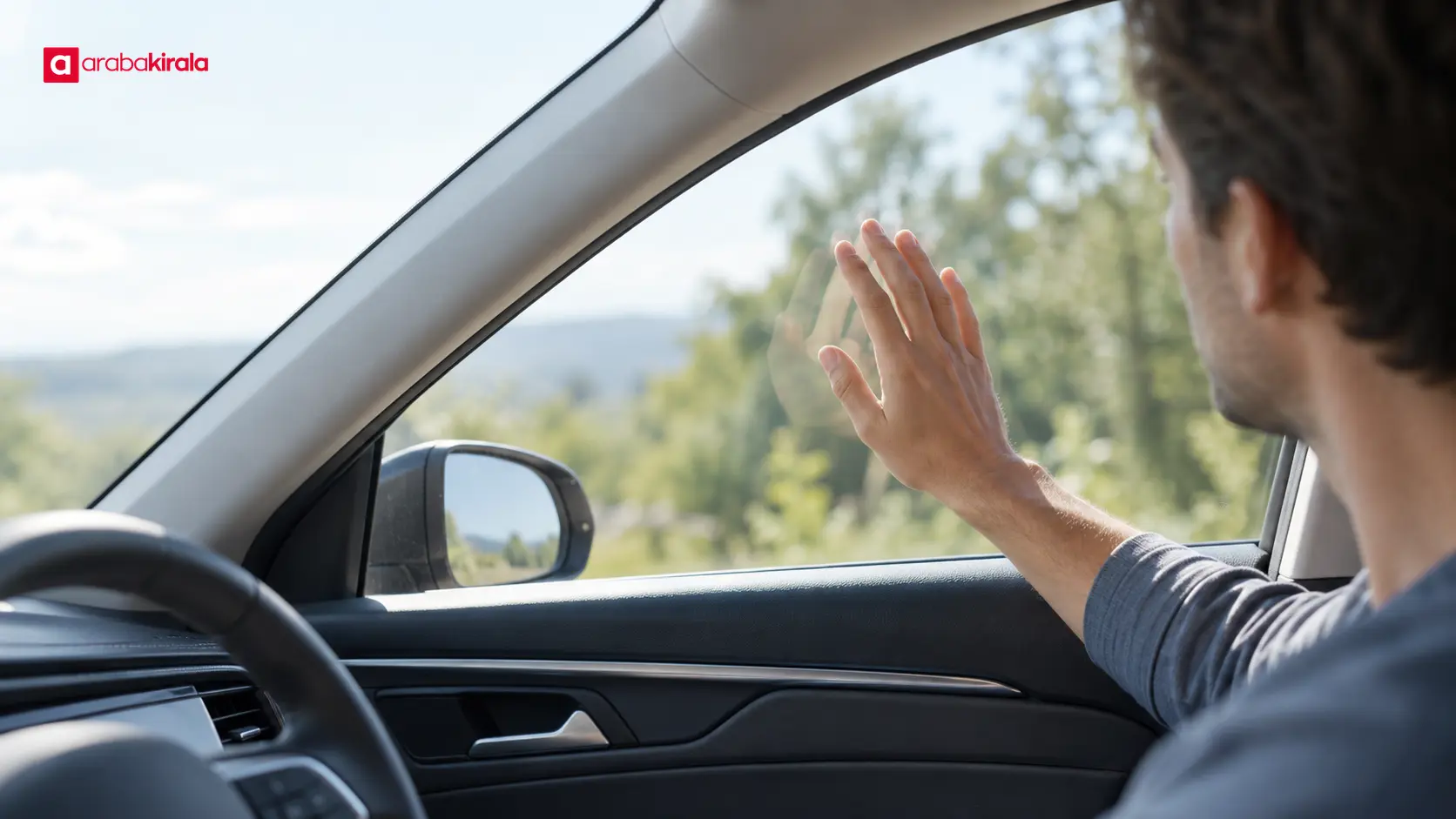
Acoustic glass is commonly a laminated construction with a sound-damping interlayer between glass plies. That interlayer can reduce some vibration energy and limit the transmission of certain sound frequencies into the cabin. Laminated glass can serve other functions, including safety related ones, but its layered construction does not make a vehicle silent.
Sound performance cannot be judged by thickness alone. The properties of the glass plies, the interlayer, the way the glass is mounted, and the surrounding seals all matter. Automotive acoustics research treats glass transmission as one path among several, alongside sound transferred through the body and sound generated by wind or the road. Two cars with similar glazing can therefore have different overall cabin sound levels.
Is acoustic glass the same as laminated glass?
“Laminated” describes a layered glass construction, while “acoustic” describes a design intended to improve sound attenuation. Acoustic laminated glass may use a specialized interlayer. It does not follow that every laminated pane is acoustic glass or that all acoustic glass performs identically. A laminated windshield also does not establish that the side windows have the same construction.
If the glazing equipment matters to your trip, ask which windows have acoustic or laminated construction before renting. Markings on a pane may provide technical information, but their meaning should be checked against the vehicle maker’s documentation. Appearance alone does not reveal how much noise the glass will reduce.
Main sources of cabin noise
Wind and airflow
Air moving around the body can create noise near the side mirrors, windshield pillars, roof, and door joints. The sound may become more noticeable as speed rises. A window that does not close fully or a seal that is visibly displaced can allow a sharper airflow sound. Wind noise generally appears while the vehicle is moving and may change with speed or wind direction.
Tires and road surface
Contact between a tire and the road produces vibration and rolling sound. Rough asphalt, concrete, and other surfaces can sound different in the same vehicle. When the sound changes with the pavement, it should not automatically be attributed to the glass. Tire type, condition, and inflation pressure can also affect noise and handling. Check pressure using the vehicle maker’s recommended value; the maximum pressure marked on a tire is not the vehicle’s recommended setting.
Powertrain and body vibration
A hum that rises with engine speed or changes under acceleration may come from the powertrain. Electric cars do not have combustion-engine noise, but tire, wind, and electric motor sounds can still reach the cabin. Road impacts can also send vibration through the suspension and body. Glass may reduce one airborne transmission path, but it cannot by itself eliminate vibration carried through the structure.
Door seals, window mechanisms, and loose items
Door seals, the fit of the window in its frame, and door trim influence how sound reaches the cabin. A loose item in the cabin or luggage area can create a rattle as well. The character of a sound offers clues: a steady hum, a brief rattle, and a high-pitched air whistle are not the same symptom. Listening alone, however, is not enough to identify a defective part.

Assessing sounds safely
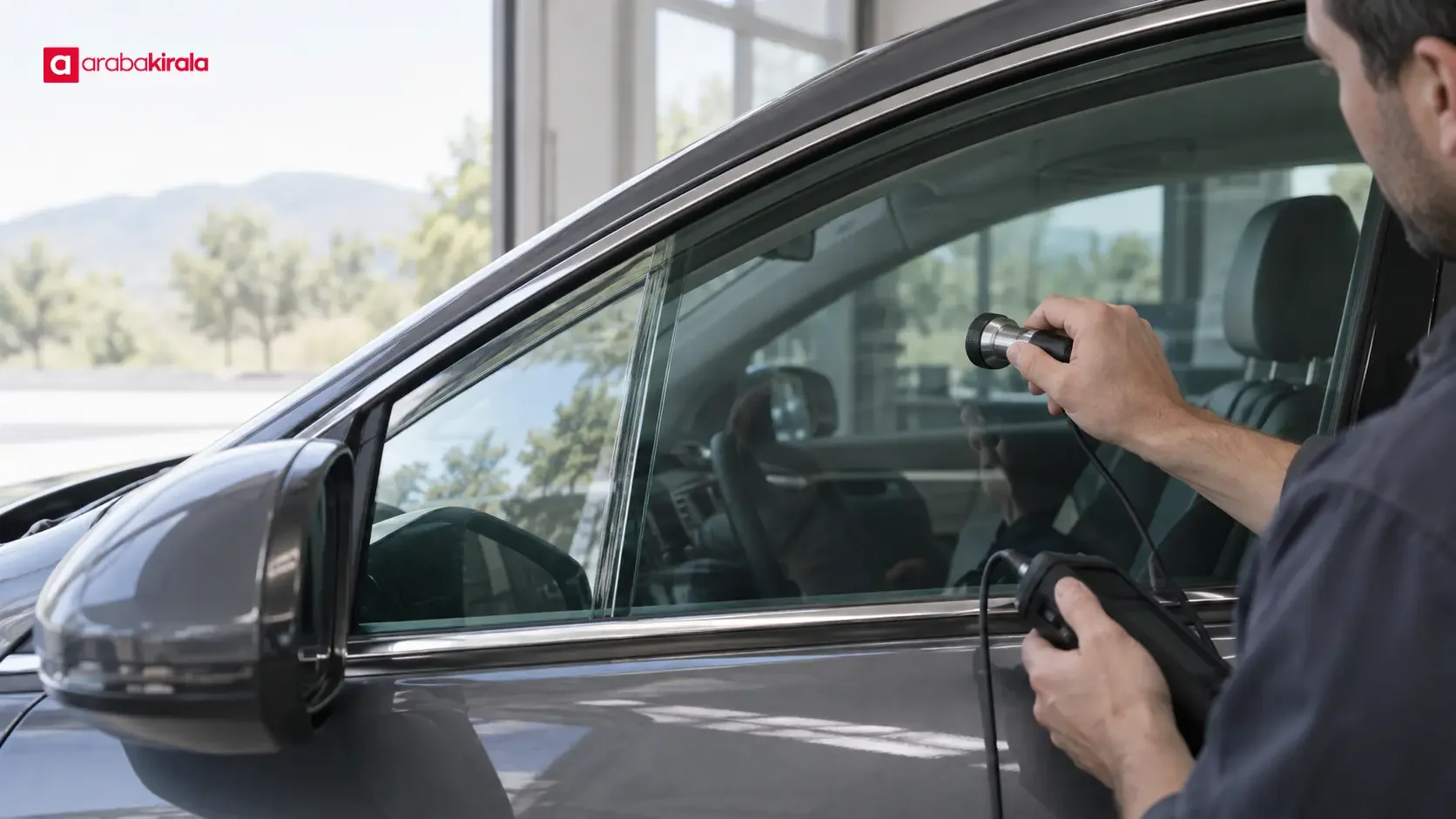
A brief visual and listening check at pickup can help you notice an issue before a trip. Carry out checks while parked and in safe conditions. Avoid experiments that distract the driver while the vehicle is moving.
- With the windows closed, check that the doors shut fully and that visible seals appear in place. Tell the pickup staff if a seal is torn, detached, or obviously out of position.
- Look for cracks, breaks, or severe marks that affect the driver’s view. Report damage that could obstruct safe visibility before setting off.
- While parked, listen to the ventilation fan and audio system separately. This helps distinguish their sounds from tire and road noise.
- If a new sound appears during the trip, note when it began and whether it changes with speed or road surface. The driver should keep attention on the road and stop somewhere safe before assessing it.
If a sound suddenly becomes louder, a window or door will not close properly, or the vehicle’s visibility or control is affected, stop in a safe place and contact the rental office. Do not test ordinary road or tire sounds through risky maneuvers on an unfamiliar road. Ask the location where you are renting about location-specific details such as the installed glazing, any reported concern, or the inspection process.
What to check when choosing and collecting a rental car
Acoustic comfort is subjective, and route conditions and speed affect what you hear. Asking only whether a car has acoustic glass does not explain the whole trip experience. When you ask about vehicle equipment or class, you can clarify which windows have the feature, what information about cabin comfort can be confirmed, and whether you can inspect the car before departure. Confirm equipment and pickup details with the location handling your reservation.
If you have a concern about noise at pickup, describe what you can observe: a visible gap around a door, a window that catches while closing, or a distinct rattle while parked. Do not assume every location offers the same remedy or vehicle change; the rental location can explain the available process. If an unusual sound develops later, report it while keeping road safety in mind.
Setting realistic expectations for acoustic glass
Acoustic glass is one component designed to reduce some sound entering the cabin; it is not a feature that makes a car completely quiet. Airflow around the windows and seals, tire-road contact, body vibration, and interior components all contribute to the result. Noting when and under what conditions a noise occurs is more useful than labeling every sound as “window noise.”
Before your next rental, confirm the relevant equipment, inspect the windows and doors at pickup, and report an unusual condition before driving away. These steps help you form realistic expectations about cabin comfort and make safer decisions during the trip.

Frequently Asked Questions
Does acoustic glass block all cabin noise?
No. Acoustic glazing can help reduce transmission of some sounds through the glass, but tire and road noise, powertrain sound, body vibration, and airflow around seals have other paths into the cabin. Overall quietness depends on the whole vehicle and the conditions in which it is driven.
How can I tell whether a car has acoustic glass?
Start with the vehicle equipment information or the manufacturer’s technical documentation. Glass markings may help, but they do not measure the cabin’s overall sound performance. For a rental, ask the location handling your reservation which windows have acoustic features.
Does a hum at higher speed always come from the windows?
No. Wind noise can become more noticeable as speed increases, but tire-road sound, body vibration, and vehicle systems can also create a hum. How the sound changes with pavement, engine speed, or vehicle speed can offer clues when observed safely; a technical inspection is needed for a diagnosis.
Why does cabin noise change with the road surface?
Road texture and stiffness affect vibration and sound produced where the tire meets the surface. The same car may seem quieter on smooth pavement and louder on a rough surface. That change alone does not show that the glass has a problem.
What should I do if I hear an unusual sound in a rental car?
Stop somewhere safe without distracting yourself while driving and note when the sound occurs. If a door or window does not close correctly, there is visible damage, or vibration affects driving, contact the rental location. Follow its guidance instead of testing the issue while moving or removing parts yourself.
Legal Disclaimer: All content, articles and information on the Araba Kirala website are provided solely to inform users. No information shared on this website constitutes definitive advice or guidance. Araba Kirala Teknoloji A.Ş. and its authors cannot be held responsible for any direct or indirect damages arising from the application of information on the website. For all questions and requests regarding car rental, please contact the office from which you will rent your vehicle.