What Is UTTS? A Guide to Türkiye’s Vehicle Recognition System
Published: November 13, 2026 • Reading Time: 7 min • Last Updated: November 13, 2026 • Author: Merve B.
Contents
- What does the vehicle recognition system do?
- Main parts of UTTS
- Vehicle recognition unit
- Station-side recognition equipment
- Transaction and record flow
- How does UTTS work during refueling?
- What should rental drivers confirm?
- Is UTTS the same as fuel tracking or vehicle tracking?
- Practical steps for orderly, safe use
- Set realistic expectations about UTTS
- Frequently Asked Questions
- Related Articles
- Sources
What is UTTS? It is Türkiye’s Ulusal Taşıt Tanıma Sistemi, a system designed to electronically associate vehicle information with a fuel transaction at a compatible station. This guide explains the system’s basic components, the general flow of a fuel purchase, and practical ways to keep rental-car fuel records clear. If you are renting, the key is to understand the system’s purpose and confirm how it applies to the specific vehicle you will collect.
What does the vehicle recognition system do?
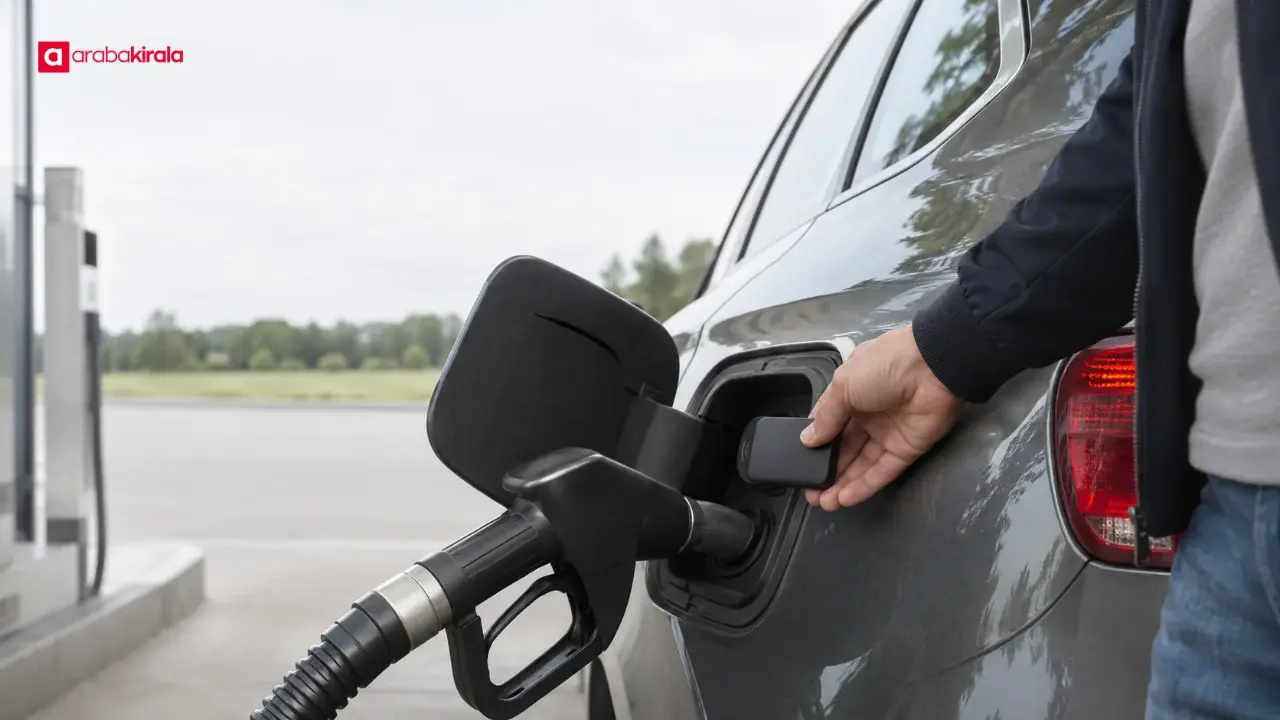
For what is UTTS, the practical points below should be considered together. UTTS provides infrastructure for recognizing a vehicle during a fuel purchase and linking the transaction to that vehicle. Its general approach is for an in-vehicle recognition component to communicate with compatible station equipment. This can help associate the fuel transaction with vehicle information. The system does not itself reduce fuel consumption, replace safe driving or vehicle maintenance, or serve as a substitute for checking the fuel gauge.
This distinction matters to rental drivers. The presence of UTTS does not, by itself, explain whether fuel is included in a rental charge, how a purchase is paid for, or which stations can process it. Those are operational details tied to a reservation, vehicle, pickup point, and rental terms. General information about the system should not be mistaken for a company-specific promise.
Main parts of UTTS
Vehicle recognition unit
The Taşıt Tanıma Birimi (TTB), or vehicle recognition unit, is the in-vehicle component used to identify a vehicle within the system. It functions as an identifier associated with vehicle information. Its placement and installation can depend on the vehicle, so drivers should not remove, reposition, or tamper with it. If you notice damage or a loose component, contact the location that provided the car or the appropriate technical support channel.
Station-side recognition equipment
A Taşıt Tanıma Okuyucu (TTO), or vehicle recognition reader, and related station equipment detect and pass information from the vehicle unit into the transaction flow. The equipment in the vehicle and at the pump needs to be compatible and working. Having a recognition unit in a car does not mean that every pump or every fueling situation will proceed identically.
Transaction and record flow
Recognition helps establish which vehicle a fuel purchase is associated with. Payment, receipt handling, and accounting records may follow separate processes depending on the user and the operating organization. A printed or digital fuel receipt can still be useful for checking an expense. The existence of a system record should not be taken to mean that a receipt or any reporting step requested for a rental is no longer needed.
How does UTTS work during refueling?
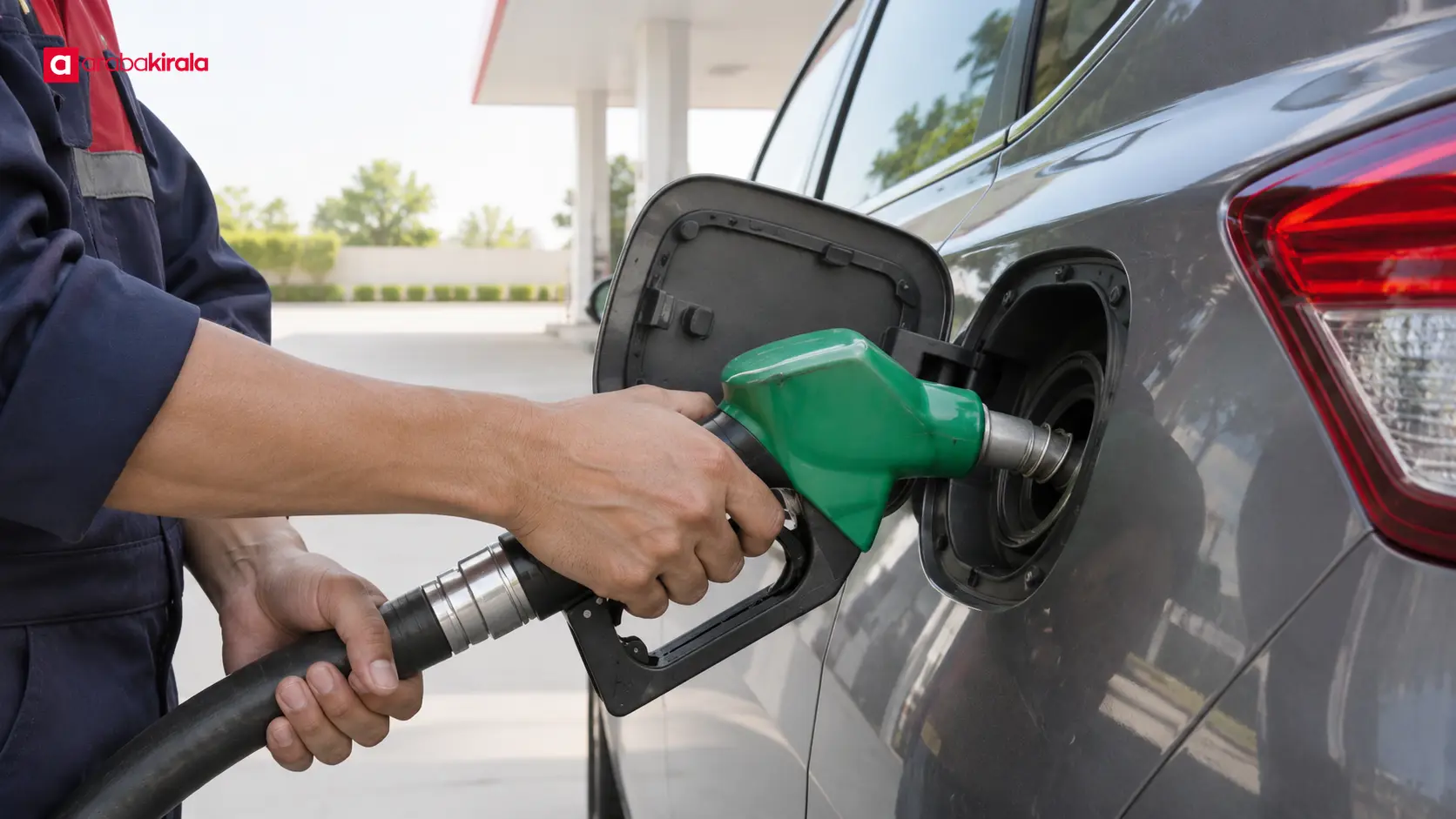
In broad terms, a vehicle arrives at the pump, its recognition component is detected by station equipment, and the fuel transaction can be associated with that vehicle. Refueling, payment, and documentation then follow the process applicable to that user. This is a general outline of the system; it is not a guaranteed description of every station’s screen, staff assistance, or payment steps.
If recognition fails, do not try to force the transaction. Follow the attendant’s guidance and ask what accepted alternative process is available. Do not remove equipment, handle wiring, or attempt to access the fuel system yourself. If you suspect a fault or incompatibility in a rental car, inform the rental branch and follow its instructions.
What should rental drivers confirm?
Along with whether a vehicle has a UTTS component, it helps to understand how the rental’s fuel process is handled. At pickup, check the fuel level, odometer, and visible existing damage against the handover record. These checks serve a different purpose from UTTS: one records the vehicle’s condition at transfer, while the system helps associate a fueling transaction with a vehicle.
- Does this vehicle have a UTTS component, and is there a step the driver needs to follow at the pump?
- How should fuel be paid for, and should a receipt or digital record be retained?
- What safe and accepted process should be used if the system does not recognize the vehicle?
- How are fuel level and odometer readings recorded at pickup and return?
- Which branch or contact channel should be notified if there is a vehicle or fueling issue?
These questions do not assume that rental companies have identical terms. They help you get vehicle- and reservation-specific information from the branch you will rent from. Keeping the answers with your pickup paperwork makes them easier to refer to during the rental.

Is UTTS the same as fuel tracking or vehicle tracking?
No. UTTS is primarily concerned with associating a fuel transaction with a vehicle. It is not the same as continuous location tracking, recording driving behavior, or mechanically measuring fuel consumption. Fleet operators may use other record systems, but their scope and data practices are separate matters.
For a driver, the dashboard fuel gauge and odometer remain useful day-to-day references. The gauge reports the vehicle’s fuel level, while UTTS concerns recognition in the station transaction. A receipt documents a purchase and its amount. Keeping these record types distinct makes fuel expenses and handover checks easier to understand.
Practical steps for orderly, safe use
- At pickup, check the fuel gauge and odometer and compare them with the handover form.
- Use the fuel type specified in the vehicle manual; if unsure, ask the rental branch.
- Keep the receipt or transaction record after fueling and follow any rental reporting steps you were given.
- If recognition equipment looks damaged, do not touch it; report the issue.
- At return, make sure the fuel level and odometer reading can be compared with the pickup record.
These steps help keep records consistent without assuming a particular company procedure or UTTS subscription. For vehicle-specific fueling and document details, contact the branch where you will rent the car.
Set realistic expectations about UTTS
The Ulusal Taşıt Tanıma Sistemi creates a digital link between a vehicle and a fuel transaction. Recognition does not automatically make fuel free, unlimited, or fully automated in every circumstance, and it does not by itself eliminate payment or documentation steps. Drivers should consider the technical recognition function separately from the fuel arrangements in their rental agreement.
If you are browsing ArabaKirala for a vehicle, a relevant city or location page can help you explore available options. Confirm whether a particular car has UTTS and how its fueling process works with the branch handling your reservation. Before pickup, ask about payment, receipts, and handover records; when collecting the car, check the dashboard readings against the handover form.
Frequently Asked Questions
Does every vehicle have UTTS?
You should not assume that every vehicle has it. Equipment can vary by vehicle and scope of use. Ask the branch about the specific car and any step expected from the driver.
If a rental car has UTTS, do I still pay for fuel?
UTTS is intended to associate a fuel transaction with a vehicle; it does not determine who pays or how payment is made. Confirm the payment method and any fuel arrangement for your reservation.
Does UTTS replace a fuel receipt?
A recognition record and a fuel receipt are different records. Since receipt or reporting requirements can depend on the rental process, follow the document instructions given by the branch.
What should I do if the pump does not recognize the vehicle?
Ask the station attendant for safe guidance and do not tamper with the equipment. If the issue continues with a rental car, contact the branch before proceeding with refueling.
Does UTTS measure mileage or fuel level?
Its recognition role differs from that of the dashboard fuel gauge and odometer. Check those readings directly in the vehicle when documenting pickup and return.
Who can explain UTTS use for my rental car?
Ask the branch handling your reservation or pickup about the vehicle’s equipment, payment method, and record-keeping steps. Keep that information with your rental documents.
Related Articles
- Beylikdüzü Car Rental Parking Camera and Sensor Check
- A Guide to the Trunk and Cargo Area in a Rental Car
- Recognizing Driver Fatigue and Planning Safe Breaks in a Rental Car