How to Recognize Automatic Gear Selector Positions and Modes
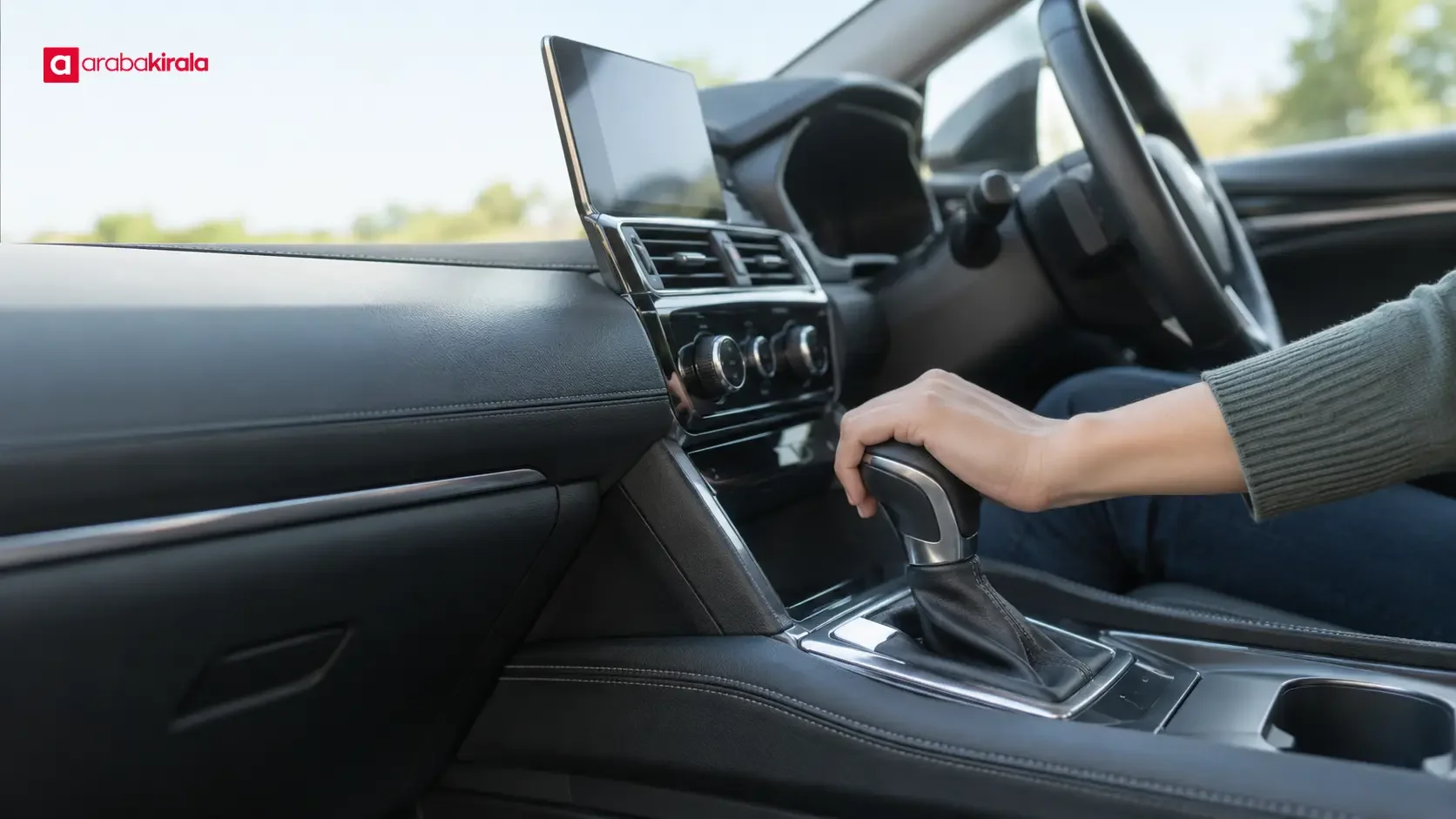
Automatic gear positions select how the car is prepared to move and whether it can travel forward or backward. The letters on a selector are familiar across many vehicles, but extra settings and the steps for using them can differ by model. P, R, N and D are the main selections. S, L, B, M and labels such as Eco, Sport or Snow usually indicate additional settings for particular driving conditions. Recognizing these markings helps you understand an unfamiliar car before setting off and avoid unnecessary gear changes while moving.
An automatic transmission handles much of the gear changing without requiring the driver to operate a clutch pedal and select each gear manually. The selector still matters: the chosen position affects the connection between the engine, transmission and wheels. Consult the vehicle handbook for model-specific instructions. If you are using a rental car and a control or display is unfamiliar, learn its function before driving from the branch where you are renting the vehicle.
What do the automatic gear letters mean?
P: Park
P is the park position. A parking pawl or related mechanism in the transmission helps prevent the car from moving through the drivetrain. Use P when parking or ending a drive, but do not treat it as the only measure needed to keep a car secure on every slope. Bring the car to a complete stop, apply the parking brake as directed by the manufacturer, and select P. The recommended sequence and parking-brake control vary, so follow the vehicle handbook.
The park position is not designed to stop a moving car. Make sure the vehicle has stopped before selecting P. Using the parking brake correctly also matters, especially on an incline, because it helps avoid placing the car's weight solely on the transmission's parking mechanism.
R: Reverse
R is used to move in reverse. Stop the car fully before changing between forward and reverse. Selecting R while the car is still moving forward can put unnecessary stress on transmission components. Before reversing, check the area using mirrors and direct observation. A rear-view camera or parking sensors can help, but they may not show every obstacle or blind spot.
N: Neutral
N is neutral: the transmission does not drive the wheels in the usual way. It is not a ready-to-drive selection and should not be used to hold the car on a slope. Whether N is needed for towing, washing or another special procedure depends on the vehicle design. Follow the handbook if such a procedure is required; do not assume that every car can safely be rolled freely in neutral.
D: Drive
D is the standard selection for forward driving. The transmission chooses gear ratios according to driving conditions, while the driver manages acceleration and deceleration with the pedals. Some cars tend to creep when D is selected, so keep the brake pressed until you have checked that the area is clear. When getting into a car for the first time, confirm the selector's position and the selected-gear indicator on the dashboard.
Extra positions such as S, L, B and M
Letters beyond P, R, N and D vary by manufacturer and transmission type. The same letter does not guarantee the same behavior in every vehicle. Use the explanation in the vehicle handbook rather than relying on the marking alone.
S: Sport setting
S often stands for Sport. It may change throttle response and the timing of gear changes to provide a more responsive feel. Depending on the vehicle, other systems such as steering or engine response may also be affected by a drive program. S does not add a separate source of engine power; it changes how existing systems are calibrated. Higher engine speeds can increase fuel use in some conditions. Check the handbook to see how S is selected and which systems it affects.
L, 1, 2 or a lower gear range
L, 1 or 2 may indicate a lower gear range or a setting that limits upshifts. A lower ratio can change the car's pulling behavior and engine braking. Some drivers use a suitable low range on long descents or where low speed is needed, but the correct procedure depends on the transmission and the manufacturer's guidance. Such a setting may not be intended for high speeds. Do not guess about the appropriate speed range; check the handbook.
B: Braking or energy recovery
B appears on some hybrid and electric vehicles and may increase regenerative deceleration or create an effect similar to engine braking. During regenerative braking, the electric motor can help recover energy as the vehicle slows. The strength of the effect and the sensation of deceleration vary by model. Selecting B does not mean the friction brakes are unnecessary in every situation. Use the regular brake pedal to reduce speed and stop, and follow the dashboard indicators and handbook.
M and plus/minus controls
M commonly refers to manual gear selection. The driver may choose a ratio using the selector or plus and minus paddles on the steering wheel. This does not mean that the car has a manual transmission with a clutch pedal; the automatic transmission still carries out the gear change. The system may prevent a choice that is unsuitable for the engine speed or road speed, or intervene on its own. The exact controls and activation method are vehicle-specific.
Eco, Sport, Snow and other drive modes
Drive modes are different from the P-R-N-D positions on the gear selector. In many cars, a mode coordinates settings such as throttle response, shift timing, steering feel or traction control. Eco may encourage smoother responses and efficient use, but actual fuel consumption depends on driving style, road conditions and the vehicle. Sport may give a more immediate response. Snow, Mud or similar modes may adapt power delivery or traction settings for particular surfaces.
Mode names do not guarantee identical results across models. A setting cannot give tyres unlimited grip or replace careful driving on a slippery road. Choose a speed suited to the weather and road, avoid abrupt manoeuvres, and pay attention to dashboard warnings. Check the handbook to learn whether a mode can be changed while driving.
How to change gear positions safely
- Before starting: Learn the selector position and any conditions required to start the car. Some vehicles require the brake pedal to be pressed.
- When changing between forward and reverse: Stop completely first, then hold the brake while selecting the appropriate position.
- When parking: Stop the car, use the parking brake as directed by the manufacturer, and select P. On a slope, do not rely on the transmission alone to secure the car.
- Before moving: Check that the dashboard shows the position you selected, then release the brake in a controlled way.
- With special modes: Confirm the meaning and limitations of S, L, B or M in the handbook. Do not enter traffic while experimenting with a setting you do not understand.
Using the left foot for braking can lead to sudden or overly firm braking if it is not a practiced technique. In ordinary driving, managing both the accelerator and brake with the right foot can help reduce the chance of pressing both pedals by mistake. Follow any manufacturer instructions that apply to the particular vehicle.
What to learn when collecting a rental car
Gear controls may be a lever, electronic selector, rotary dial or buttons. Before moving off in an unfamiliar rental car, identify how to select P, R, N and D, where the parking brake is, and how any reversing aids work. If the position markings are unclear or a warning is unfamiliar, do not guess.
Ask the branch where you are renting the car about details specific to that branch's collection process. For vehicle-specific controls, check the handbook or ask a staff member to explain the display and selector. The odometer, for example, can help compare readings recorded at collection and return; this is separate from the function of the transmission modes. Confirming which transmission type the car has also helps you spot differences from the system you are used to.
Frequently asked questions
When should N be used in an automatic car?
N is neutral. It does not replace D for normal forward driving or P when parking. Its use for towing or a service procedure depends on the model. Do not leave a car in neutral on a slope or assume that coasting in neutral is safe.
Can an automatic car be shifted into P while moving?
P is for parking and should be selected only after the car has come to a complete stop. It is not an appropriate way to stop a moving vehicle. In an emergency, use the brake pedal and follow the emergency stopping instructions in the vehicle handbook.
Does Sport mode always make a car faster?
Sport often changes throttle or shift response, but it does not change the speed limit or remove the need to drive carefully. Keep to a speed suited to the road and use the setting only after you understand the vehicle's instructions.
Does B replace the brake pedal?
No. On some models B increases regenerative deceleration or engine braking, but it is not a substitute for the normal brake pedal. Use the brake pedal to slow and stop safely.
Does every automatic car have the same gear letters?
P, R, N and D are common basic markings, while additional letters and modes vary by vehicle. Similar labels do not mean the function or operating limits are identical. Check the handbook for the car you are driving and ask the rental branch about details you cannot confirm.
Legal Disclaimer: All content, articles and information on the Araba Kirala website are provided solely to inform users. No information shared on this website constitutes definitive advice or guidance. Araba Kirala Teknoloji A.Ş. and its authors cannot be held responsible for any direct or indirect damages arising from the application of information on the website. For all questions and requests regarding car rental, please contact the office from which you will rent your vehicle.