When Do Automatic Headlights and Wipers Work?
Automatic headlights and wipers are driver assistance features that respond to changes in ambient light and moisture on the windshield. An automatic headlight setting can switch exterior lights on when the surroundings grow dim. A rain sensing wiper setting can start the wipers and adjust their timing as water is detected on the glass. The two systems perform different jobs, and neither replaces the driver's judgment. Their behavior varies by vehicle, so a rental driver should learn the controls before setting off and remain ready to take over manually.
How automatic headlights respond to light
In AUTO mode, a light sensor monitors the brightness around the vehicle. Depending on the model, the sensor may be near the top of the windshield or in another position specified in the owner's manual. When the measured light falls below the vehicle's activation threshold, the system can turn on the low beam headlights or the lighting functions linked to that setting. It can switch them off again when the surroundings brighten. The change may not happen immediately: a system may evaluate light over a short period to avoid reacting to every brief shadow or flash.
Tunnels, covered parking, dusk, dawn, heavy cloud and deep roadside shade can all change the light available to the driver. Automatic headlights may respond to these changes, but the result depends on sensor placement, calibration and vehicle settings. Dirt on the windshield near the sensor, an object covering it or a windshield replacement that affects the sensor can interfere with operation. If the road or weather calls for headlights and they have not come on, use the lighting control rather than relying on AUTO.
Daytime running lights are not the same as low beams
Daytime running lights help make a vehicle more visible during daylight. They do not necessarily provide the same illumination as low beam headlights, and the rear lamps may not be lit when daytime running lights are on. Seeing lights at the front, or a bright instrument display, therefore does not confirm that the vehicle's full nighttime lighting is active. Check the lighting indicator and rear lamps when visibility is reduced. In a tunnel, rain, fog, twilight or another dim setting, select the appropriate lights manually if needed and follow the vehicle's instructions.
How rain sensing wipers respond to water
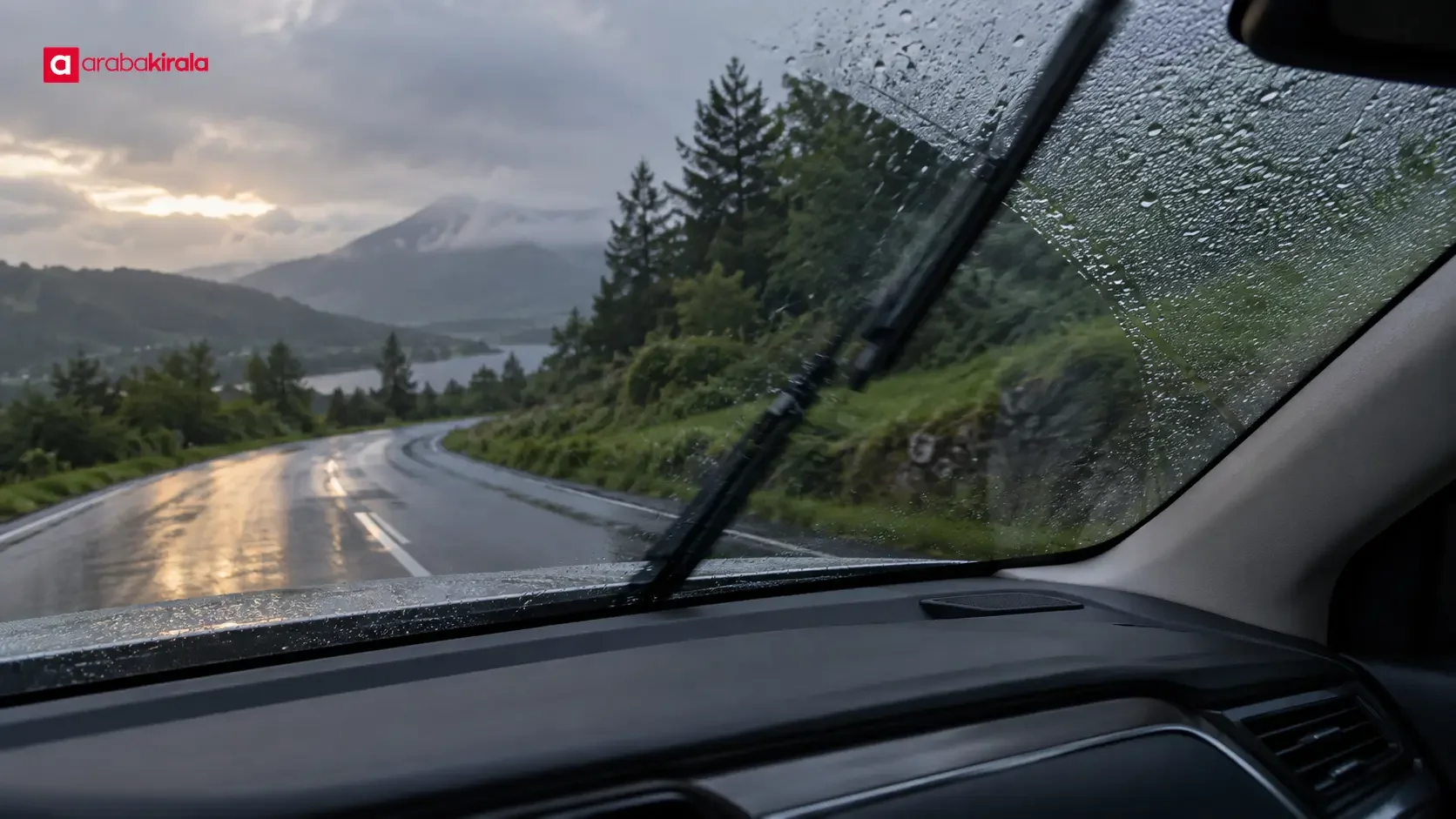
A rain sensor is commonly mounted on the inside of the windshield, near the rear view mirror. Many systems use an optical method to assess moisture on a particular area of glass. When the wiper control is set to AUTO, the sensor can trigger a wipe after it detects water. As the amount of detected moisture changes, the system may alter the interval or speed of wiping. Some vehicles let the driver adjust sensitivity with a dial or menu setting. A more sensitive setting can make the wipers respond to less moisture; a less sensitive setting may require more moisture before they start. Controls and available adjustments differ by model, so consult the owner's manual.
The sensor does not measure rain perfectly or guarantee a clear view. It monitors the area it can detect, which may not match the driver's whole field of vision. Dirt, insect residue, mist, streaks or scratches on the windshield can affect what the sensor detects and what the driver can see. Water directed at the sensor area, a car wash or washer fluid may also prompt a wipe. Increase the wiper speed manually when the rain or spray becomes heavier. If visibility remains poor, slow down and stop somewhere safe when necessary.
Limits and safe use
Automatic headlights cannot guarantee that the chosen lighting is right for every road condition. Streetlights, light from nearby vehicles and the direction of sunlight can influence what the sensor detects. A rain sensor may also respond differently to fine drizzle, road spray and larger drops. Keep checking the road, windshield and lighting, and override the automatic setting whenever visibility requires it. Keeping the glass clean and leaving the sensor's viewing area unobstructed can help the system detect conditions as intended.
Avoid leaving rain sensing wipers enabled on a dry, dusty windshield: the sensor can react to dirt or insects. In freezing weather, clear ice from the windshield before using the wipers; moving blades against ice can damage the rubber or mechanism. If the blades leave bands, smear water or make unusual noise, the glass or blades may need attention. Turn off automatic wiping and the wipers before entering an automatic car wash, unless the vehicle's own instructions specify a different procedure.
Automatic high beams are a separate function
The phrase automatic headlights can refer to headlights that respond to ambient brightness. Some vehicles also offer automatic high beam control, which uses a camera or other sensing equipment to manage high and low beams in response to traffic and lighting. These functions are distinct. Even if automatic high beams are fitted, the driver remains responsible for using lights that do not impair the view of other road users. Switch to low beams manually when necessary, and learn which functions and dashboard indicators are present in the vehicle you are driving.
What to check when picking up a rental car
Before departure, locate the lighting control and identify AUTO, low beam and high beam positions. Find the wiper control's automatic setting and any sensitivity dial. Check the dashboard for indicators that show whether the features are enabled. Locate the rain sensor area on the windshield and look for an obstruction, noticeable damage or heavy dirt. If conditions allow, check that the wiper blades clear water without leaving distracting streaks. The vehicle's manual or in-car help menu is the best guide to that specific model's controls.
If the operation of a sensor, light setting or wiper control is unclear, ask the rental branch where you collect the vehicle. Equipment differs between vehicles, so do not assume that a control or automatic function available in one model is fitted to another. Tell the branch before driving if a warning light appears or if the headlights, wipers or windshield seem faulty, and ask how to proceed. This helps clarify the condition and controls of the particular vehicle without assuming a company-wide procedure.
Frequently asked questions
Can automatic headlights turn on during the day?
Yes. A tunnel, covered garage, deep shade or a sudden change in daylight can cause the sensor to register low light during daytime. The timing depends on the vehicle's sensor and settings. If the lights do not respond as needed, check and operate them using the control.
Can rain sensing wipers start before it rains?
They can wipe if the sensor interprets moisture, dirt, an insect or another effect on the glass as water. Keeping the sensor area clean and turning AUTO off when it is dry can help prevent unexpected movement. If the wipers continue to behave unexpectedly, check the manual and report the issue to the rental branch.
Do automatic systems remove the need for manual control?
No. These features assist the driver, but do not assess every change in visibility. Monitor the road and windshield, and adjust the lights or wiping speed manually when conditions require it. This matters in sudden downpours, fog, darkness and whenever a sensor is not responding properly.
Are rear lights always on when automatic lights are selected?
That depends on the vehicle's lighting design and selected mode. Daytime running lights can be visible at the front while the rear lamps remain off. In low visibility, confirm that the appropriate headlight setting is active rather than relying only on the front lights or a bright instrument panel.
Automatic headlights and rain sensing wipers can reduce routine adjustments by reacting to ambient light and moisture. Knowing how they work, understanding their limits, keeping the windshield clear and taking manual control when needed are central to using them safely. For questions about the equipment or controls in a rental vehicle, check with the branch that provides it.
Legal Disclaimer: All content, articles and information on the Araba Kirala website are provided solely to inform users. No information shared on this website constitutes definitive advice or guidance. Araba Kirala Teknoloji A.Ş. and its authors cannot be held responsible for any direct or indirect damages arising from the application of information on the website. For all questions and requests regarding car rental, please contact the office from which you will rent your vehicle.