How Do Second Life and Recycling Work for Automotive Batteries?
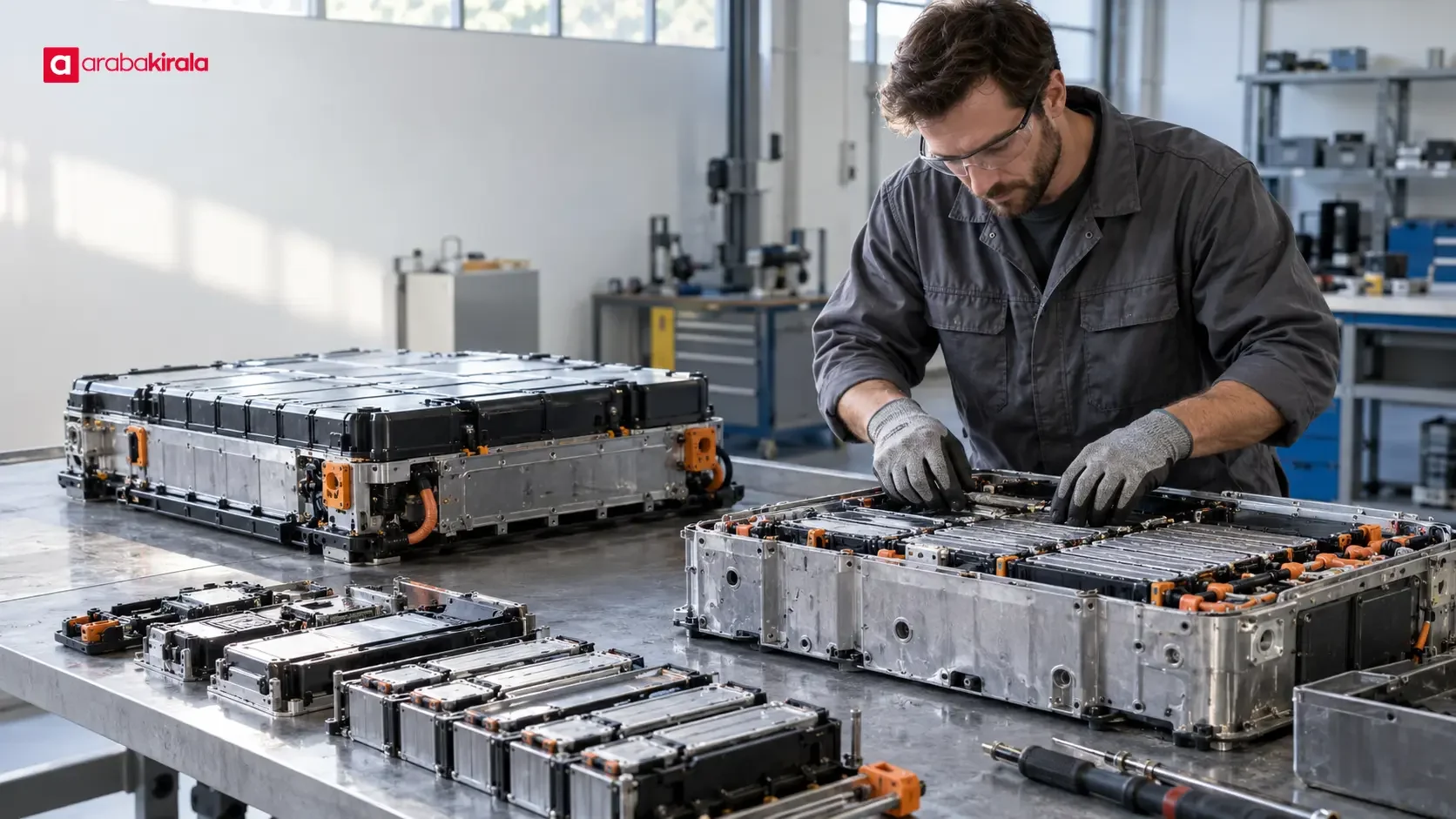
Automotive battery recycling describes the processing of a battery at the end of its useful life so that materials can be recovered and used again. But a battery that no longer meets a vehicle’s range or power needs does not automatically go straight to a recycling plant. Its condition is assessed first. Depending on its design, history, and safety, it may remain in the vehicle after repair, serve a different application, or be dismantled for material recovery. Understanding these pathways helps explain what “battery end of life” really means.
What does it mean for an EV battery to reach the end of its life?
Many electric vehicles use lithium-ion batteries built from cells grouped into modules and packs, along with monitoring, control, and thermal management components. Over time, a battery’s capacity can decline. That can affect driving range and the way the vehicle performs, but it does not necessarily mean that the pack has suddenly stopped working. Battery condition is judged using several pieces of information, including available capacity, cell balance, faults, and how the system behaves under operating conditions.
A warning on the dashboard, reduced range, or a reported fault should not be treated as a diagnosis of the entire battery pack. A problem may involve a component, connection, cooling system, control electronics, or one part of the battery. Assessing these possibilities requires appropriate diagnostic equipment and technical information. Owners should not open a high-voltage pack or attempt to test or repair its internal components themselves.
Repair, second life, and recycling: what is the difference?
Repair or continued use in a vehicle
If a battery remains suitable for its original job, it may continue to power the vehicle. Where a fault is limited to a particular component, repair or replacement may be considered after a qualified assessment. Whether that option is appropriate depends on the battery design, the fault, available parts, and safe operating requirements. Battery packs differ, so a repair approach that applies to one vehicle cannot be assumed to apply to another. Manufacturer technical guidance and qualified service are important to the decision.
Second life and repurposing
A battery that no longer meets the demands of vehicle use may still be suitable for an application with different requirements, such as stationary energy storage. This is often described as a second life or repurposing: the battery is assessed and prepared for a different use. It is not enough to find that the battery still stores some energy. Its remaining capacity, variation between cells, operating history, fault status, electrical and thermal safety, and the needs of the new system all matter.
Preparing a vehicle battery for stationary storage is not a matter of connecting it directly to another device. The battery needs appropriate evaluation and configuration, and the system must be designed to operate and be monitored safely. A used battery may have different capacity, power, and remaining service life from a new one. Second life can extend useful service, but it does not eliminate eventual recycling: once the repurposed battery is no longer suitable, it still needs an appropriate end-of-life route.
Material recovery through recycling
If reuse is unsuitable or cannot be carried out safely and practically, recycling can recover materials from the battery. The materials available depend on the chemistry and design. Lithium, nickel, cobalt, copper, and aluminium may be relevant in some battery types, but no single list or quantity applies to every battery. Recovered material may also need further separation, refining, or processing before it can serve as an input to manufacturing. Recycling does not mean every part becomes a new automotive battery immediately.
How does automotive battery recycling work?
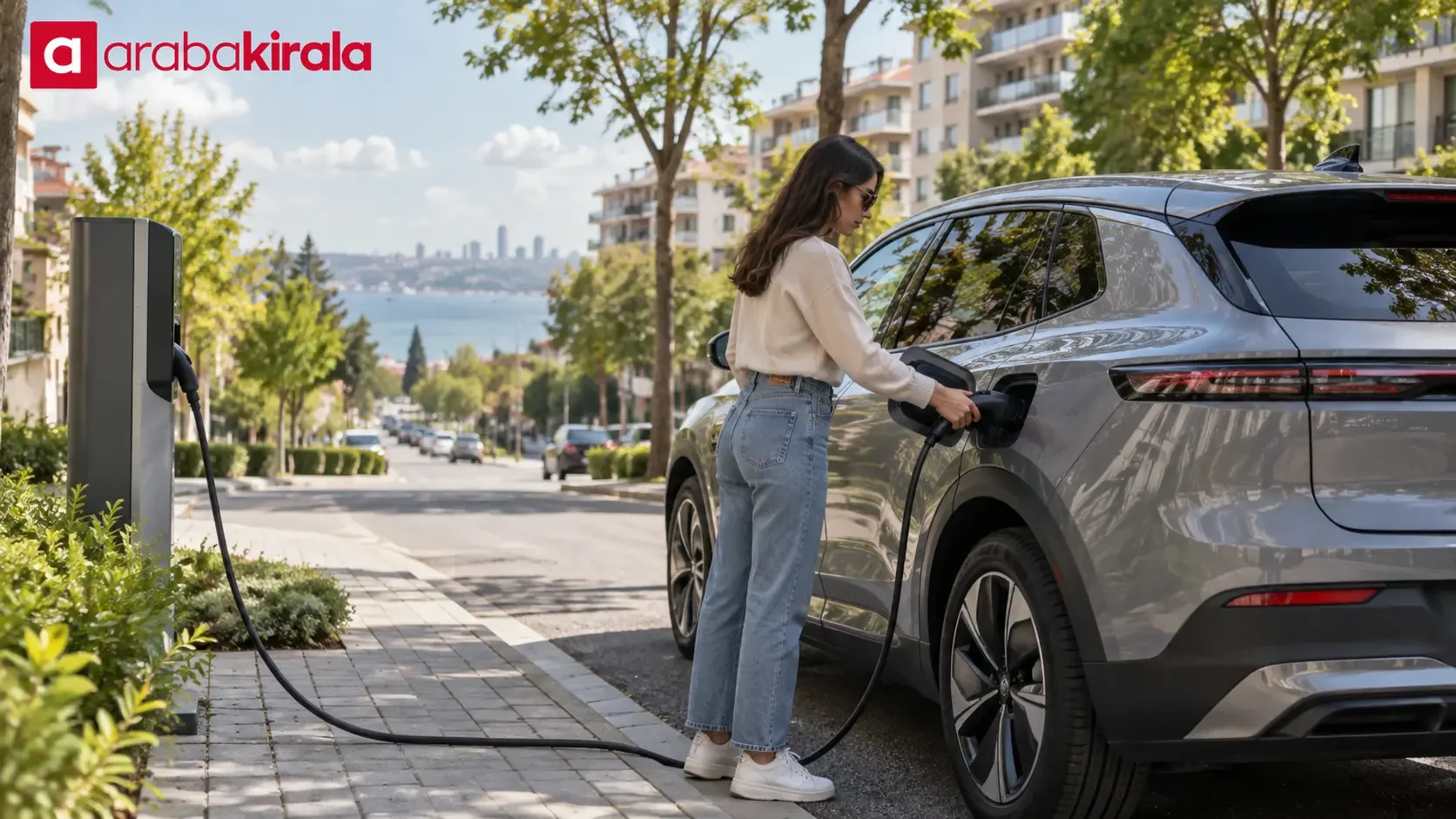
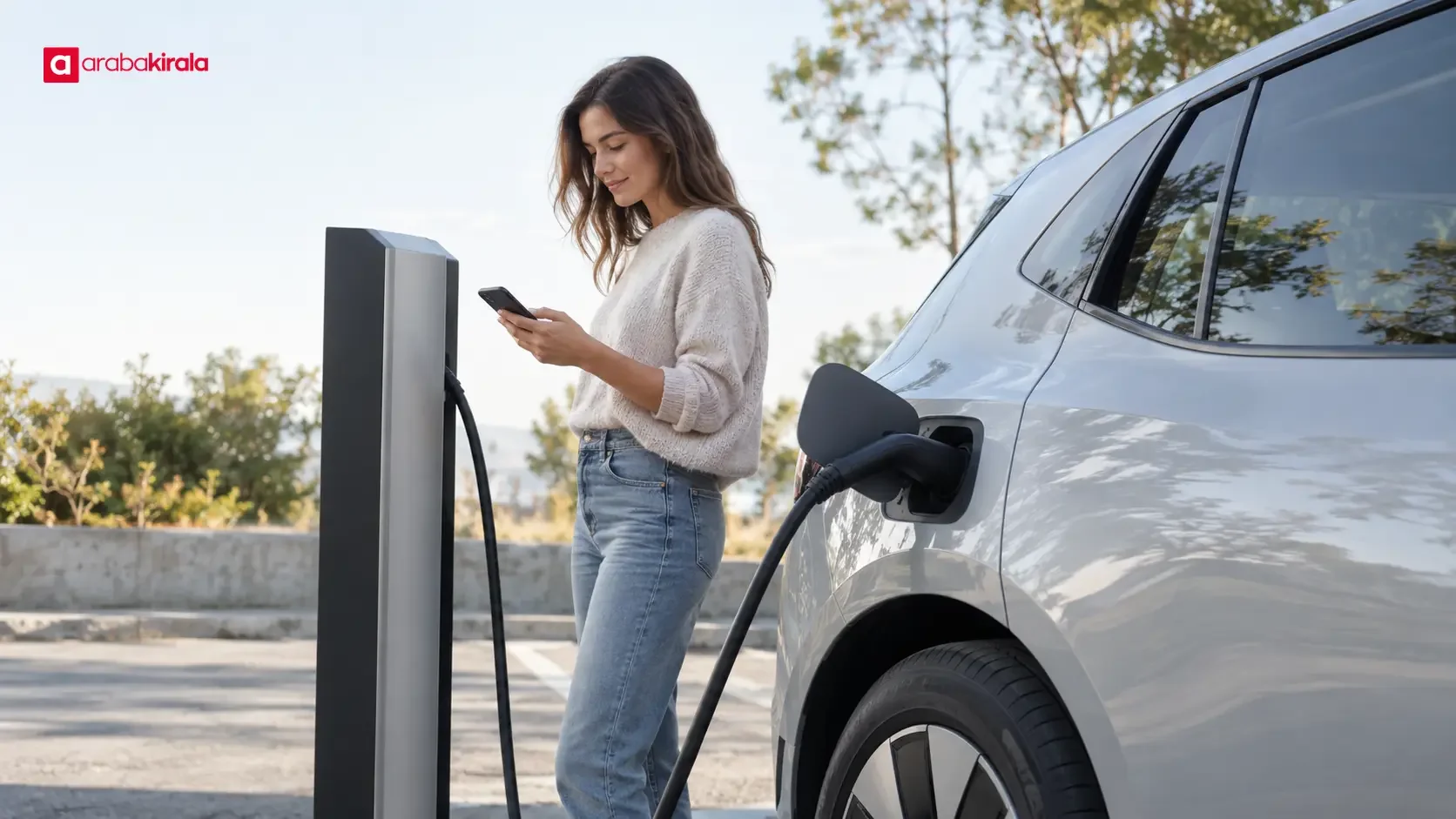
The process begins with collection and safe handling of the battery or the vehicle containing it. EV batteries are high-voltage systems, and damaged packs can present additional hazards. Appropriate handling and transport depend on battery type, condition, and applicable local procedures. Owners should not dismantle or transport a damaged battery themselves or place it in ordinary household waste. For direction, they should contact the vehicle manufacturer, an authorized service provider, or the relevant local collection and waste-management channel.
At a processing facility, the battery’s identity and condition can be established. If there is a possibility of repair or a second application, technical checks may inform that decision. If recycling is selected, the pack is prepared for controlled processing. Components such as the outer casing, wiring, and electronics may be separated before modules and cells are processed. The sequence depends on the facility’s equipment and the battery chemistry.
Mechanical processing can sort and separate components by physical properties or size. Some recycling routes also use heat or chemical treatment to separate and recover materials from cell components. These processes differ in method and output, but they aim to handle batteries safely and produce materials suitable for further use. No single process should be assumed to give the same result for all battery chemistries.
Recovered materials are prepared and checked for their next use. The amount recovered depends on factors such as battery composition, process conditions, and the measurement being reported. This is why a single recovery figure should not be applied to every battery or facility. Nor does “recycling” mean that all material in a pack is recovered without loss or can be reused without additional processing.
Is second life always the best choice?
No. The appropriate route depends on the battery’s condition and the needs of the next application. A second application can extend the service of a battery that still functions and may reduce the need for some materials used in a new storage product. However, testing, dismantling, transport, reconfiguration, safety measures, and monitoring all require work. The technical complexity or cost may make repurposing unsuitable in a particular case.
Recycling returns some materials to the supply chain, but it requires safe collection and suitable processing. If a vehicle and its battery remain useful, removing the battery early for recycling would end that use. At the other end of the spectrum, a damaged or faulty battery should not be sent into a second-life application just because it retains some capacity. A technical safety assessment and an appropriate end-of-life route are essential.
Why does battery recycling matter?
EV batteries contain materials that must be mined or otherwise sourced and processed. Recovering some of those materials from batteries at end of life can provide a secondary source for manufacturing and help keep resources in use for longer. It can contribute to reducing demand for newly sourced materials, but it does not erase the environmental impacts of battery production. Manufacturing, energy use, transport, and waste management remain part of the battery’s life cycle.
Recycling capacity and the flow of used batteries do not necessarily grow at the same pace. Batteries in newly sold vehicles can stay in service for years, so they do not immediately become recycling feedstock. Manufacturing scrap can also enter recycling processes, but it is a different material stream from batteries retired after vehicle use. Used-vehicle markets and second-life applications can affect when and where batteries eventually reach recycling systems.
How can vehicle owners look after battery life and safety?
Day-to-day battery guidance varies by vehicle model, battery chemistry, and manufacturer instructions. The owner’s manual is the most relevant starting point for charging, parking, temperature, and maintenance information. Take vehicle warnings seriously and leave diagnosis and repair to appropriately qualified service personnel. Advice found online should not be treated as a universal rule for every EV.
If a vehicle has been in a collision, exposed to flooding, or suffered a significant impact, or if there are signs such as unusual odour, sound, smoke, or excessive heat from the battery area, do not try to intervene. Move to a safe location, keep clear, and contact local emergency services when needed. Do not open the battery enclosure, disconnect high-voltage cables, or charge a damaged vehicle. Follow instructions from emergency responders and the vehicle manufacturer or authorized service channel.
Frequently asked questions
Does an EV battery go straight to the bin when it can no longer power a car?
No. Its condition should be assessed. Continued vehicle use after appropriate repair, a different application, or recycling may be considered depending on technical condition, safety, and the available route. A vehicle battery should not be treated as ordinary household waste.
Is a second-life battery the same as a new one?
No. A used battery should not be assumed to have the same capacity, performance, or remaining service life as a new battery. Measurements and safety checks help determine whether it suits a particular second application, and suitability for one use does not prove that it is suitable for every use.
Can recovered materials go into new batteries?
Recovered materials can enter further processing and manufacturing steps, but it would be inaccurate to say that everything recovered becomes a new EV battery directly. The material’s quality and the processes needed to prepare it determine its next use.
Who should an owner contact about a used battery?
Do not remove the battery yourself. Contact the vehicle manufacturer or an authorized service provider for direction. For a damaged or end-of-life vehicle, use the relevant local collection or waste-management channel. The appropriate route depends on the battery’s condition and local procedures.
Legal Disclaimer: All content, articles and information on the Araba Kirala website are provided solely to inform users. No information shared on this website constitutes definitive advice or guidance. Araba Kirala Teknoloji A.Ş. and its authors cannot be held responsible for any direct or indirect damages arising from the application of information on the website. For all questions and requests regarding car rental, please contact the office from which you will rent your vehicle.