How Lightweight Materials Affect Vehicle Efficiency
Automotive lightweight materials include steel, aluminum, magnesium, and composites used in vehicle structures and components. The aim is not simply to make a car weigh less. Engineers also have to preserve strength, manage crash energy, support manufacturing, control cost, and consider repairability. Lightweighting is therefore a design strategy that can influence energy use and vehicle behavior, while the result depends on where a material is used and how the complete vehicle is engineered.
Why vehicle mass affects efficiency
A vehicle needs energy to move and to change speed. Mass matters especially during acceleration and when climbing a hill. In stop-and-go traffic, repeated acceleration and deceleration make these demands more noticeable. Reducing mass can lower the energy needed to move a vehicle under otherwise similar conditions. But weight is only one part of efficiency. Powertrain design, tire resistance, aerodynamics, road grade, temperature, traffic, and driving style all contribute.
Lower mass can also matter in an electric vehicle. It may reduce the energy needed for acceleration and climbing, creating the potential to travel farther on the same battery energy. Range cannot, however, be inferred from material type alone. Battery capacity, temperature, speed, tires, equipment, and vehicle design all affect the result. When comparing a published figure, check the test cycle and vehicle configuration used to produce it.
Common lightweight materials and where they are used
Advanced and high-strength steel
Steel remains common in vehicle manufacturing and is available in grades with different strength and forming characteristics. A designer can use stronger grades in selected areas to meet a structural requirement with less material. This approach often means choosing the right steel for each part rather than replacing steel everywhere. Steel can fit established manufacturing and repair processes, but the correct repair method still depends on the specific component and the manufacturer's procedures.
Aluminum
Aluminum has a lower density than steel for the same volume, so it can be used in body panels, hoods, doors, structural members, or other components. The part's shape, thickness, and joining method are designed together to achieve the required stiffness and strength. Aluminum use alone does not guarantee a lighter or more efficient vehicle. Repairing and joining aluminum components may call for specific skills and equipment.
Magnesium and composites
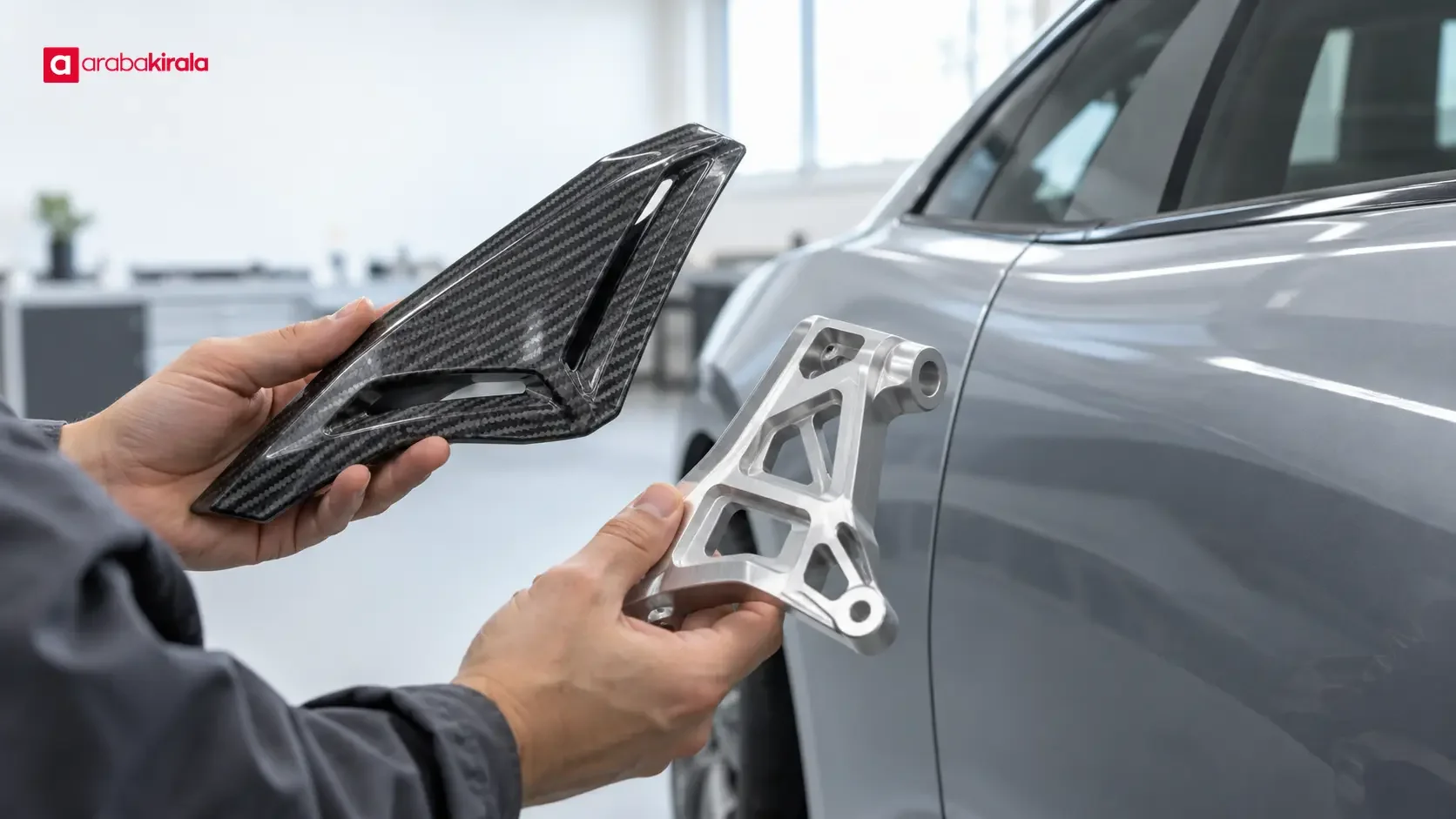
Magnesium is a lightweight metal considered for selected applications. Composites are materials made by combining reinforcing fibers with a surrounding matrix; carbon-fiber-reinforced polymer is a familiar example. In suitable parts, these materials can provide high strength relative to their mass. Manufacturing cost, high-volume production, joining, and damage inspection also affect whether they are practical choices. That is why they are not used in every vehicle or every body panel.
Balancing lightweighting with safety and strength
A vehicle structure performs several jobs, including protecting the passenger space and managing energy in a crash. These goals cannot be solved simply by choosing one material. A design may allow selected zones to deform in a controlled way while keeping the occupant cell protected. Combining steels of different strengths, aluminum, or other materials can help meet those goals. Safety cannot be judged by total mass or material name alone: body architecture, belts, airbags, and active safety systems matter too.
Material choice can also affect repairs over the life of a vehicle. Damage that looks minor from the outside may extend to a structural component or a joint between different materials. Repairs should follow the manufacturer's procedures and use suitable equipment and expertise. When assessing a used vehicle after a possible collision, service records and a qualified inspection can reveal more than the appearance of paint or a panel alone.
Fuel use, electric range, and driving feel
Lower mass can affect acceleration response and the motion energy that brakes have to manage. Suspension and tire tuning are considered alongside mass distribution, so lightweighting may contribute to how a vehicle feels on the road. It does not automatically mean better handling, a shorter stopping distance, or a more comfortable ride. Those qualities result from the whole vehicle design, its tires, and road conditions.
In a combustion vehicle, reducing mass can help lower energy demand when other factors are similar. In an electric vehicle, it can also affect the energy drawn from the battery. Real-world results may differ from laboratory or standardized test values. When choosing a vehicle, review the official technical data and compare consumption or range figures using similar equipment and test conditions. On a rental trip, route, load, weather, and driving style also affect consumption; ask the branch handling your reservation to confirm specifications for a particular vehicle.
Cost and environmental considerations
It is incomplete to judge a lightweight material's environmental impact only by energy use while driving. Raw-material extraction, processing, component manufacturing, transport, the vehicle's use, and end-of-life recycling all contribute. A material that makes a vehicle lighter does not necessarily have a lower manufacturing energy or emissions impact. Lifecycle assessments compare these stages, and their findings depend on the assumptions and production processes included.
For manufacturers, the decision includes more than the price of raw material. Tooling investment, production-line changes, quality control, supply, and repair infrastructure also matter. These considerations help explain why vehicles in the same class can use different combinations of materials. For a buyer, the practical point is to avoid judging a car by labels such as “light alloy” or “composite” alone. Consider measurable vehicle information, including safety assessments, consumption data, service guidance, and the intended use.
What to check in vehicle information
- Mass definition: Check how a published mass figure is defined and which equipment it includes; trim and options can change the value.
- Consumption or range: Note the official test cycle and remember that road, weather, and driving conditions affect real use.
- Safety information: Review available safety assessments and equipment differences instead of drawing conclusions from material names.
- Repair history: For suspected structural damage, review records and repair documents and arrange a qualified inspection where appropriate.
- Rental-specific details: Ask the branch handling the reservation about a specific model's powertrain, fuel, or electric-vehicle use and the applicable handover details.
Frequently asked questions
Does a lighter vehicle always use less fuel?
No. Mass is one factor among several. Powertrain efficiency, aerodynamics, tires, route, and driving conditions also shape consumption. Use official figures and their test conditions when comparing vehicles.
Is an aluminum body safer than a steel body?
Material alone does not determine safety. Structural design, material properties, joints, and occupant protection systems work together. Safety test results and technical information for the specific vehicle are more useful evidence.
Does using composites always make a car more efficient?
A composite may help reduce mass in a suitable component, but its effect must be considered alongside manufacturing, design, and the rest of the vehicle. The presence of a composite part by itself says little about overall efficiency.
Can repairs differ on a vehicle made with lightweight materials?
Material and joining methods can affect repair procedures. The damage location and extent determine what is needed, and an assessment should follow the manufacturer's guidance. One generic repair method does not suit every material.
What is the main purpose of automotive lightweighting?
The central goal is to reduce vehicle mass while retaining required strength and function, with the potential to reduce the energy needed for motion. Engineers balance that goal with safety, cost, manufacturing, and vehicle-life considerations.
Legal Disclaimer: All content, articles and information on the Araba Kirala website are provided solely to inform users. No information shared on this website constitutes definitive advice or guidance. Araba Kirala Teknoloji A.Ş. and its authors cannot be held responsible for any direct or indirect damages arising from the application of information on the website. For all questions and requests regarding car rental, please contact the office from which you will rent your vehicle.