Automotive Parts Standardization: How Shared Components Shape Vehicle Development
Published: October 10, 2026 • Reading Time: 7 min • Last Updated: October 10, 2026
Learn what automotive parts standardization means, how it differs from platforms and modular design, and how shared components affect development, manufacturing, quality, and maintenance.
Contents
- What does parts standardization mean in automotive design?
- Shared parts, platforms, and modular design
- What is a shared part?
- What does a vehicle platform provide?
- How does modular design work?
- How shared components affect vehicle development
- Effects on manufacturing, quality, and maintenance
- Limits of standardization and managing risk
- How to assess a claim that a car uses a shared part
- Conclusion: commonality creates value when it has clear boundaries
- Frequently Asked Questions
Automotive parts standardization means developing selected components around shared design dimensions, interfaces, or technical requirements so they can serve more than one vehicle. This guide explains how common parts relate to platforms and modular design, where they can help development and manufacturing, how they affect quality and maintenance, and why reuse still has technical limits.
What does parts standardization mean in automotive design?
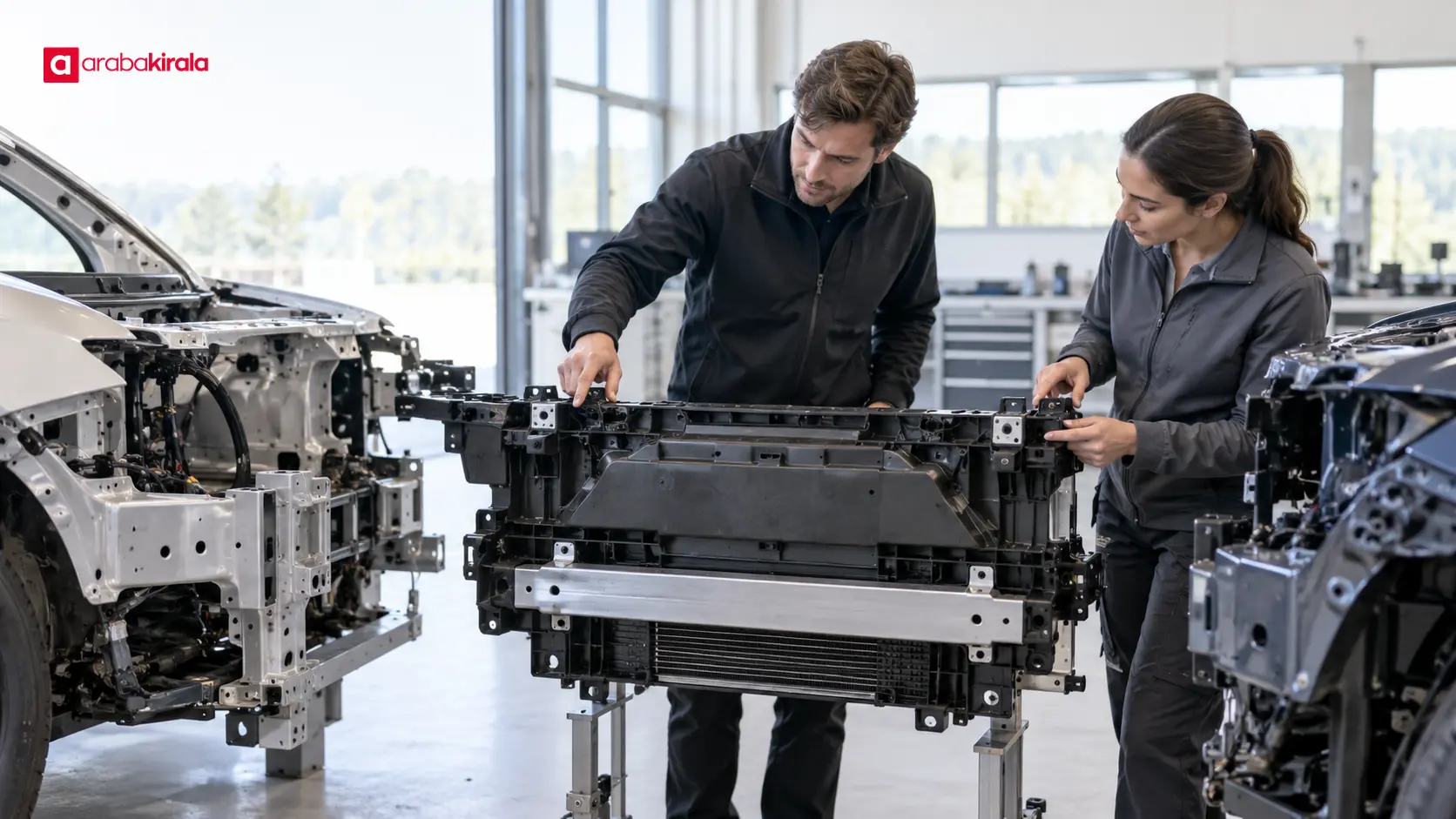
A vehicle is an integrated system made up of many parts. Standardization does not mean that every vehicle component becomes identical. It means that selected parts share defined dimensions, connection patterns, electrical interfaces, material requirements, or test methods. Examples can include common mounting points or a functional module reused within a vehicle family. Body shape, equipment, and intended use may differ while surrounding components are adapted to each vehicle.
Standardization can happen at different levels. A manufacturer may align components and design rules across its own models. Industry standards, by contrast, establish common technical definitions or test methods used by multiple organizations. Neither form means that every shared-looking component is interchangeable across all vehicles. Reuse is usually limited to a defined design and vehicle context.
Shared parts, platforms, and modular design
What is a shared part?
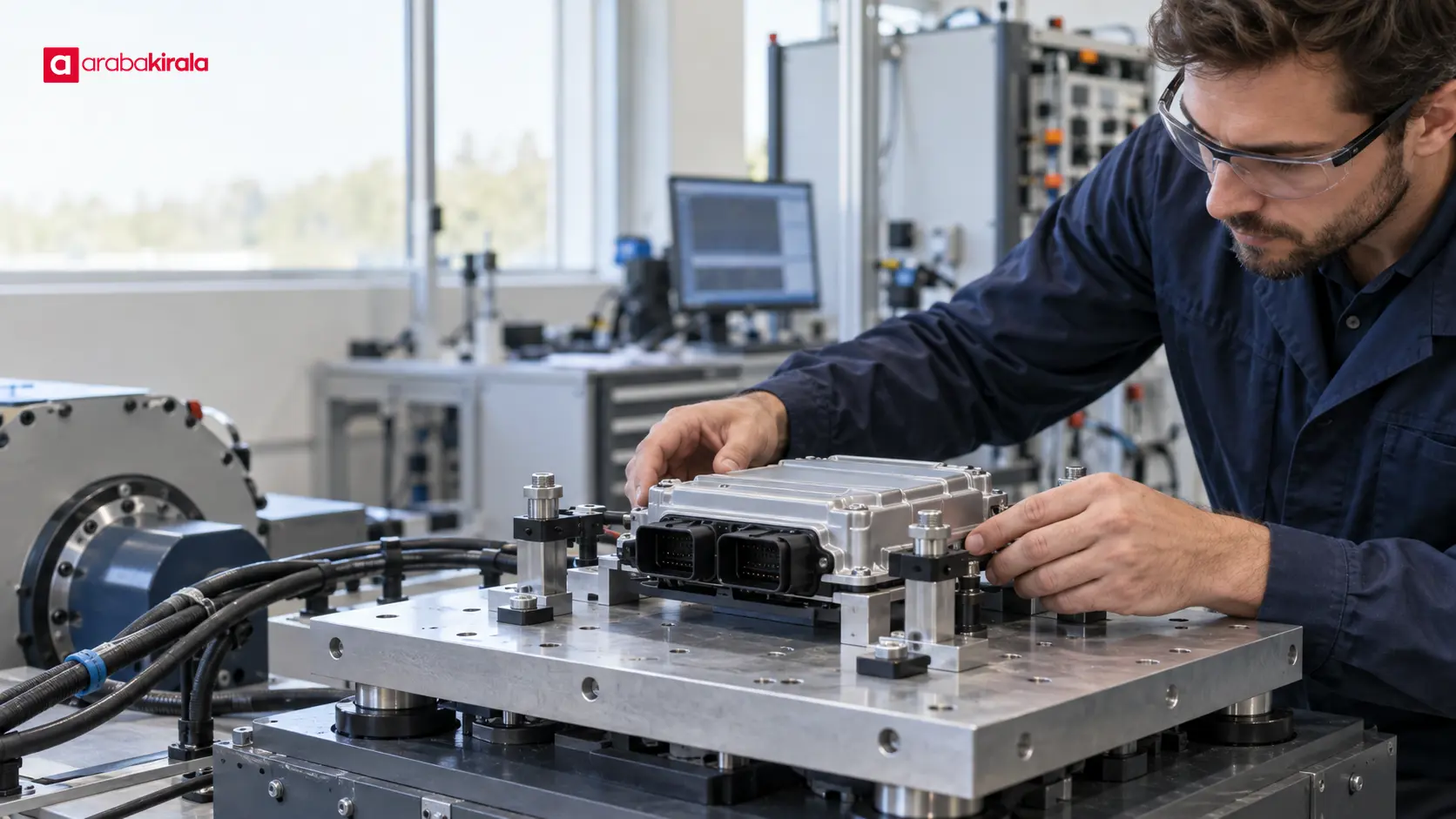
A shared part is a component used in more than one vehicle, either unchanged or with limited adaptation. An electronic control unit, a connector, or an interior component may be shared. Similar appearance alone does not establish technical equivalence. Compatibility depends on dimensions, connections, software, load capacity, operating environment, and safety requirements.
What does a vehicle platform provide?
A platform can be understood as the underlying arrangement of a vehicle architecture and its main interfaces. Sharing that foundation can allow vehicles with different body styles to use some basic systems in common. Platform sharing does not make every component identical. Differences in size, mass, powertrain layout, or intended driving character may call for distinct engineering choices.
How does modular design work?
Modular design divides functions into subsystems with defined boundaries. When interfaces between modules are specified in advance, engineering teams can adapt a module to another vehicle layout or substitute a different module. The interface may be common even when the module's internal design, software, or performance changes. Modularity is therefore a controlled design method, not permission to fit components arbitrarily. It relies on disciplined interface management and validation.
How shared components affect vehicle development
Reusing a component can reduce the need to create a new solution from the beginning. Engineers can adapt a previously validated design to a new vehicle's requirements and plan development and testing more effectively. Shared design rules can help teams interpret the same interface consistently and may reduce integration errors. Yet previous test results do not automatically prove that the component will behave correctly in a new application. Its performance must be assessed in the context of the vehicle where it will be used.
Shared components can also simplify production and supply planning. Demand for one component across several models may make production volumes easier to plan and reduce the number of distinct parts. These benefits depend on compatible production schedules, capacity, quality requirements, and component revisions. As a component is used across more vehicles, managing any design change also becomes more consequential.
Effects on manufacturing, quality, and maintenance
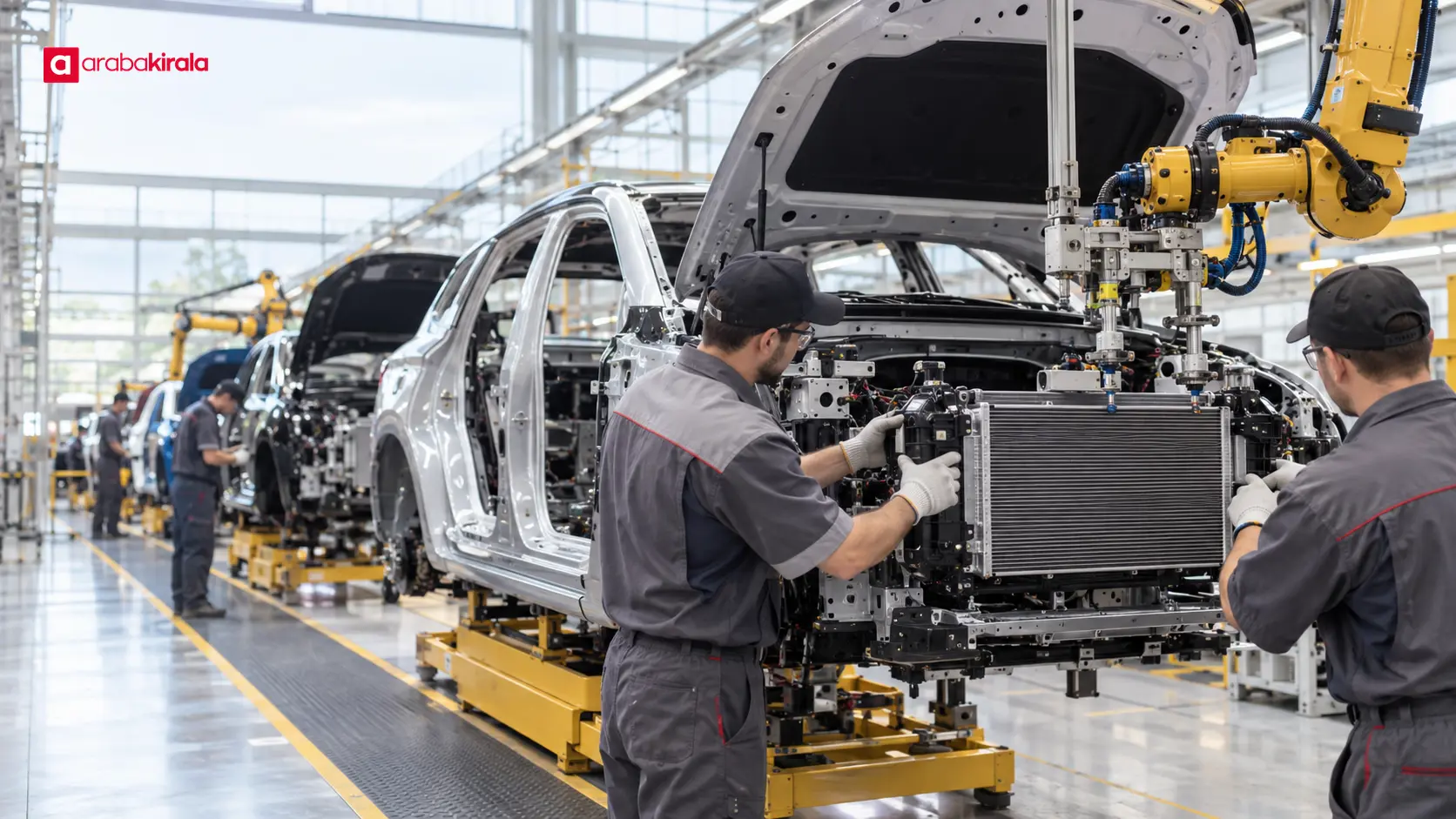
In manufacturing, shared components can help teams plan workstations, assembly methods, and training more consistently. When several models use the same connection or inspection step, process knowledge can transfer more easily. Small differences between models may still affect assembly order, calibration, or quality checks. Work instructions should therefore identify the relevant model and component revision clearly.
Commonality can help quality teams identify whether an issue with one component appears across multiple vehicles. A recurring defect may point to a shared design or manufacturing process. At the same time, a problem in one common component can have a wider effect across a vehicle family. Traceability, change records, and validation for each application help teams understand the scope.
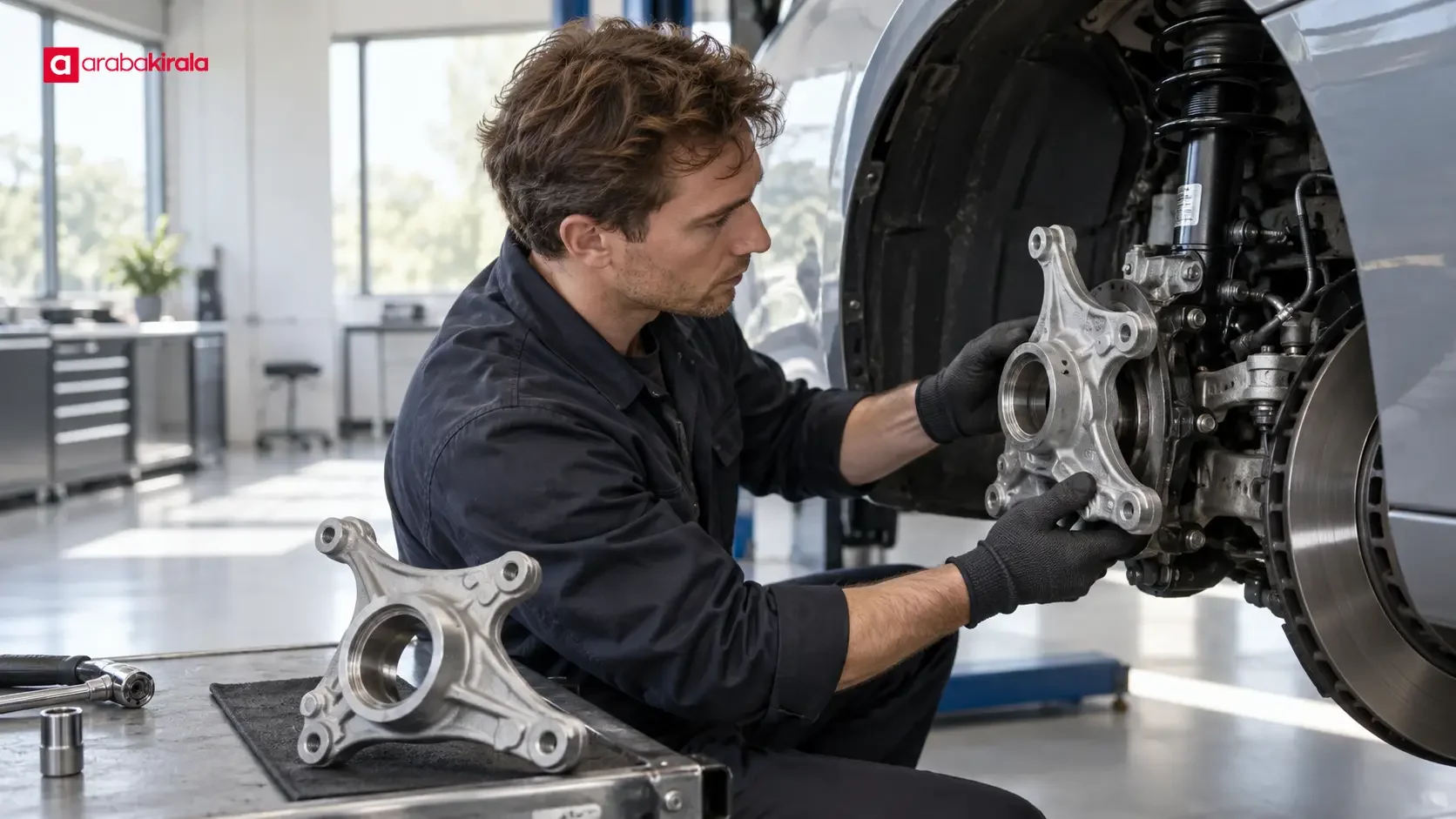
For maintenance, shared components may make some parts easier to recognize and technical training easier to organize. They do not prove that parts from different vehicles are interchangeable. Part number, revision, equipment level, and vehicle identity all matter. Owners should rely on the vehicle manual and accurate technical information when arranging maintenance or replacement, rather than deciding compatibility from appearance.
Limits of standardization and managing risk
Making every component common is not automatically good engineering. Vehicles differ in mass, dimensions, power, operating environment, and driving goals. A part that meets one model's needs may not withstand the same loads or temperatures in another. Excessive commonality can constrain vehicle-specific design, while extensive customization increases part variety and validation work. Engineers need to weigh the benefits of reuse against technical fit.
When a common component or interface changes, every affected system needs review. For electronic modules, a matching connector is not enough: software version, network communication, power requirements, and failure behavior may also matter. For mechanical parts, similar dimensions do not prove equal material strength or safety performance. Design reviews, testing, and manufacturing validation are part of responsible change management.
Supply continuity is another consideration. Depending on production planning, a disruption in a part used across many vehicles can affect more than one model. Creating an alternative also requires compatibility checks and validation. Standardization decisions therefore benefit from input across engineering, supply, quality, software, service, and manufacturing teams.
How to assess a claim that a car uses a shared part
The statement that a component is used in other vehicles does not establish that it can be swapped into a particular car. Check the application specified for the model, production year, equipment, and revision. Technical documentation should identify the part and its compatibility. If the information is unclear, verify it through the manufacturer or an authorized technical service channel. Visual similarity, a measurement, or an online comment is not reliable proof of safe fitment.
- Confirm the vehicle family and version for which the part is specified.
- Check whether the connection and function match, including any software or calibration needs.
- Use technical information to confirm effects on warranty, maintenance schedules, or safety systems.
- Have installation handled by people familiar with the vehicle systems; never force a component that does not fit.
Conclusion: commonality creates value when it has clear boundaries
Automotive parts standardization establishes shared rules and reusable components across development, manufacturing, quality, and maintenance. Platforms and modular design can support that approach, but they describe different levels of commonality. Benefits depend on confirming that each part meets the requirements of its application; standardization does not replace compatibility or safety checks.
When researching a component for a vehicle, start with the vehicle identity and part reference, then verify compatibility through manufacturer documentation or an authorized technical channel. Understanding what common design can achieve makes automotive technology easier to follow and helps prevent maintenance decisions based only on appearance.
Frequently Asked Questions
Does automotive parts standardization mean every car uses the same parts?
No. It means selected components or interfaces follow shared dimensions and requirements. Many parts remain different because vehicles have distinct purposes and technical needs.
Are platform sharing and shared parts the same thing?
No. A platform describes the underlying vehicle architecture. Shared parts are individual components that may appear in multiple vehicles. Vehicles on one platform can use different parts, while vehicles with different body designs may share some components.
Can two parts that look alike be used interchangeably?
Appearance alone cannot establish that. Check the part number, revision, connections, software, capacity, and vehicle application. A technical document or qualified specialist is the right way to confirm fit.
Do shared parts always reduce maintenance costs?
No fixed cost outcome follows from commonality. It may simplify identification or service planning, but price, availability, labor, and vehicle-specific requirements can still differ.
Why might a shared component need new testing in another vehicle?
It may face different weight, temperature, vibration, software, or system connections in the new application. Validation from one model may not cover those conditions, so affected systems need to be reviewed.
Legal Disclaimer: All content, articles and information on the Araba Kirala website are provided solely to inform users. No information shared on this website constitutes definitive advice or guidance. Araba Kirala Teknoloji A.Ş. and its authors cannot be held responsible for any direct or indirect damages arising from the application of information on the website. For all questions and requests regarding car rental, please contact the office from which you will rent your vehicle.