What Is an Automotive Platform? How Modular Architecture Works
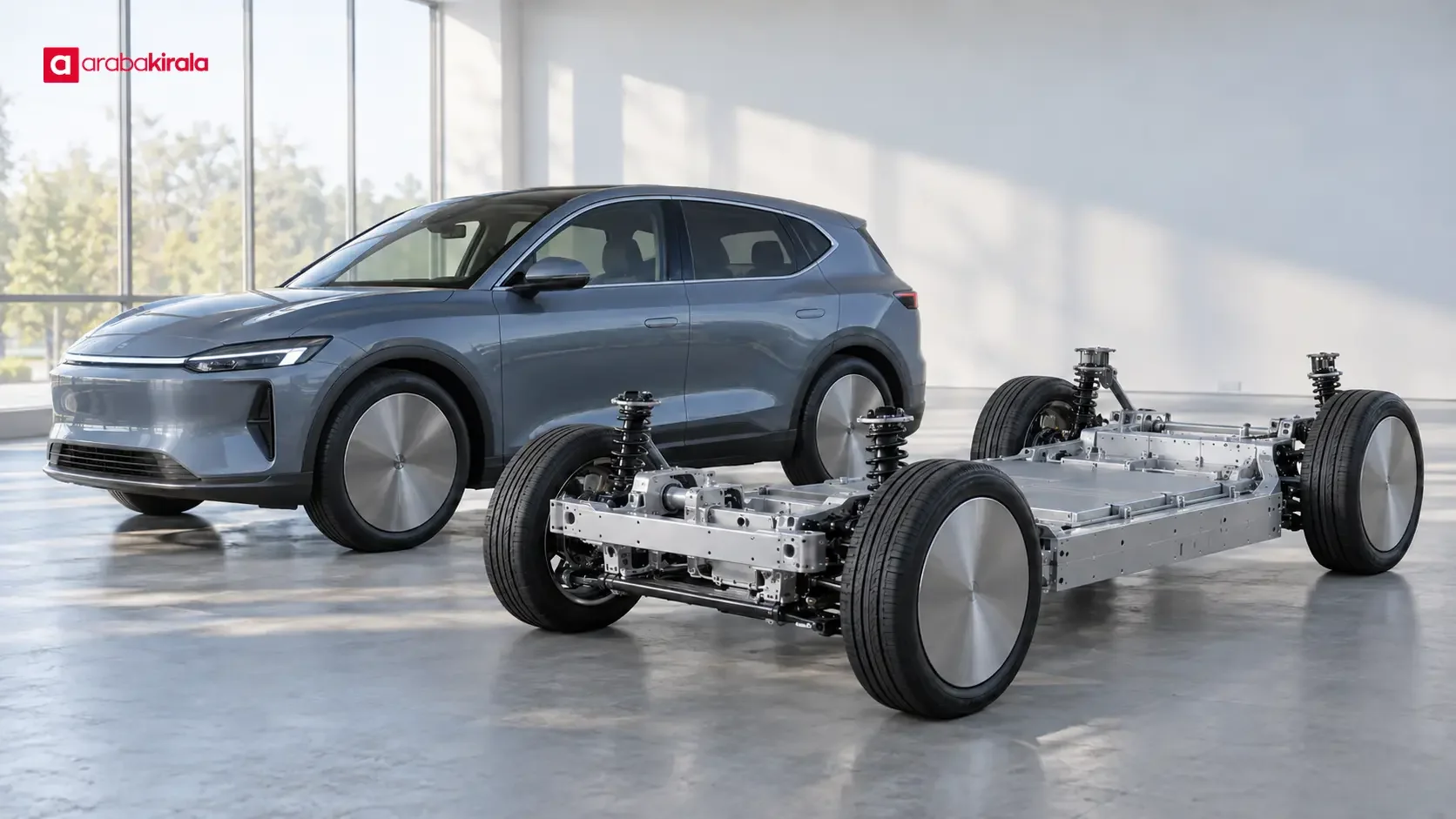
What is an automotive platform? It is a useful question when you want to understand the engineering beneath a car’s visible bodywork. A platform is the underlying structure that supports the vehicle and helps define where major components can fit. Modular architecture describes a design approach that lets engineers adapt selected dimensions, mounting points, and systems across different vehicles. The ideas are related, but they are not synonyms: a platform describes a technical foundation, while modularity explains how that foundation can be varied.
What does an automotive platform include?
The word “platform” does not usually refer to one isolated part. It commonly describes an engineering base that can include the main load-bearing structure, attachment points at the front and rear, suspension mounting locations, space allocated for the powertrain, and core vehicle dimensions. These decisions affect where the engine, transmission, battery, seats, and passenger compartment can be positioned.
Manufacturers do not always define platform scope in exactly the same way. One description may focus on the floor structure and body, while another may include common electronic systems or interfaces. So, learning that two models use the same platform does not mean every component is identical. To understand what is shared, look for a technical explanation of the specific structures and systems included.
Is a platform the same as a chassis?
In everyday conversation, “chassis” may mean a vehicle’s supporting structure, though technical usage can refer to different designs and assemblies. A platform is a broader engineering framework that may encompass the body structure, mounting points, and the layout of selected systems. Thinking of it only as a metal panel under the car leaves out much of what the term can cover.
Many modern passenger cars use an integrated body structure, where the body and supporting structure are designed together. Some vehicle types use a separate frame, creating a different relationship between the supporting frame and the body above it. These structural choices can suit different purposes, but they do not by themselves prove that a vehicle is safer or better made.
What does modular architecture mean?
Modular architecture is a way of designing a vehicle family so that certain lengths, widths, wheelbases, or component layouts can be adapted around a shared foundation. “Modular” does not mean that every part can simply be removed and swapped like a toy block. Engineers define dimensions, interfaces, and connection points in advance, allowing models to reuse parts of the engineering base while being developed for different needs.
For example, an architecture may support vehicles with different cabin lengths or body styles. That does not mean every dimension can be changed without limits. Designers must account for load capacity, crash performance, mass, manufacturing processes, and the physical limits of components. Modularity offers flexibility within a designed range; it does not make every configuration suitable for every vehicle.
How a platform differs from modular architecture
A platform is the underlying engineering foundation used by a vehicle or family of vehicles. Modular architecture is the design approach that organizes how this foundation can be scaled or adapted for different products. A platform can have modular features, but the words “platform” and “modular architecture” should not be used interchangeably.
When several models share a platform, they are not necessarily equivalent vehicles. They can differ in body panels, interior, suspension tuning, engine options, software, sound insulation, and equipment. The shared foundation tells you that certain engineering elements may be common. To assess how a particular model drives or fits your needs, check its own specifications.
How a shared platform affects vehicle design
Supporting different body styles
A shared foundation can help a manufacturer develop vehicles in different body styles, such as sedans, hatchbacks, or SUVs, using some common systems. Whether a platform can support a particular style depends on its dimensions and structural limits. Not every platform suits every body type, and models that look similar from the outside may still use different structures or powertrain layouts.
Placing engines and energy systems
A vehicle designed for an internal combustion engine, a hybrid system, or a battery electric powertrain has different packaging needs. Space for an engine, driveshaft tunnel, fuel tank, or battery can affect passenger and cargo room, weight distribution, and design options. Some platforms are intended to accommodate more than one type of powertrain; others focus more closely on a particular system. The phrase “shared platform” alone does not tell you which energy source a vehicle uses.
Manufacturing and parts sharing
Using common dimensions and interfaces across a vehicle family can reduce repeated engineering work and help organize production. Some components or systems may also be shared, but a common platform does not mean that all parts are identical or that maintenance and replacement needs are interchangeable. Parts sharing must be checked for the specific component and model.
Why platform information can help drivers
Platform information offers context about how a model family was engineered. If vehicles use a common architecture, they may share some structural solutions. But qualities such as ride, cabin space, cargo capacity, ground clearance, and fuel or energy consumption are not determined by the platform name alone. Body shape, vehicle mass, engine, tires, software, and equipment can also affect them.
When considering a car to buy or rent, treat the platform name as background information and focus on features tied directly to your needs: seating layout, luggage space, visibility, driver assistance, energy type, and published technical dimensions. Rental vehicle classes or available models can vary, so confirm the body style and equipment included in your reservation with the branch where you plan to rent.
How to interpret platform and safety claims
A platform is an important part of a vehicle’s structural design, but its name alone is not enough to judge crash safety. Safety depends on many factors, including body design, airbags, seat belts, driver assistance systems, and results from specific tests. Models sharing an architecture can have different equipment and test outcomes.
For a safety comparison, check manufacturer documentation and results published by relevant independent testing organizations for the exact model year and equipment version. Confirm which body style and trim the test covers. A new or modular platform, by itself, does not guarantee better safety, lower consumption, or higher performance.
What to check when reading platform claims
- Clarify the scope: Does the description refer to the supporting structure, powertrain layout, electronic systems, or a broader vehicle architecture?
- Check the model and year: A model name can span generations that use different foundations. Identify the production period covered by the information.
- Look for the limits of what is shared: Saying two vehicles share a platform does not explain which parts or dimensions are common.
- Review measurements and use-related data: Wheelbase, exterior dimensions, cargo space, and powertrain type answer practical questions more directly.
- Consider the source: Manufacturer technical documents and credible test data provide more concrete information than vague promotional wording.
Frequently asked questions
What is an automotive platform—is it one part?
No. It is an engineering foundation involving multiple elements related to the supporting structure and component layout. Its precise scope can vary by manufacturer and by the technical description.
Are cars on the same platform identical?
No. A shared foundation does not mean that all parts, dimensions, or driving characteristics are the same. Body, equipment, and powertrain can vary by model.
Does modular architecture allow a vehicle to be any size?
No. It makes variation easier within technical ranges set in advance. Structural, component, and safety requirements determine which configurations are feasible.
Does a platform name prove that a car is safe?
No. Assess the official technical information and relevant test results for the specific model and equipment version.
Is platform information enough to choose a rental car?
No. Consider the seating and luggage space, body style, energy type, and equipment you need. Ask the branch where you will rent about the vehicle class and options covered by your reservation.
Legal Disclaimer: All content, articles and information on the Araba Kirala website are provided solely to inform users. No information shared on this website constitutes definitive advice or guidance. Araba Kirala Teknoloji A.Ş. and its authors cannot be held responsible for any direct or indirect damages arising from the application of information on the website. For all questions and requests regarding car rental, please contact the office from which you will rent your vehicle.