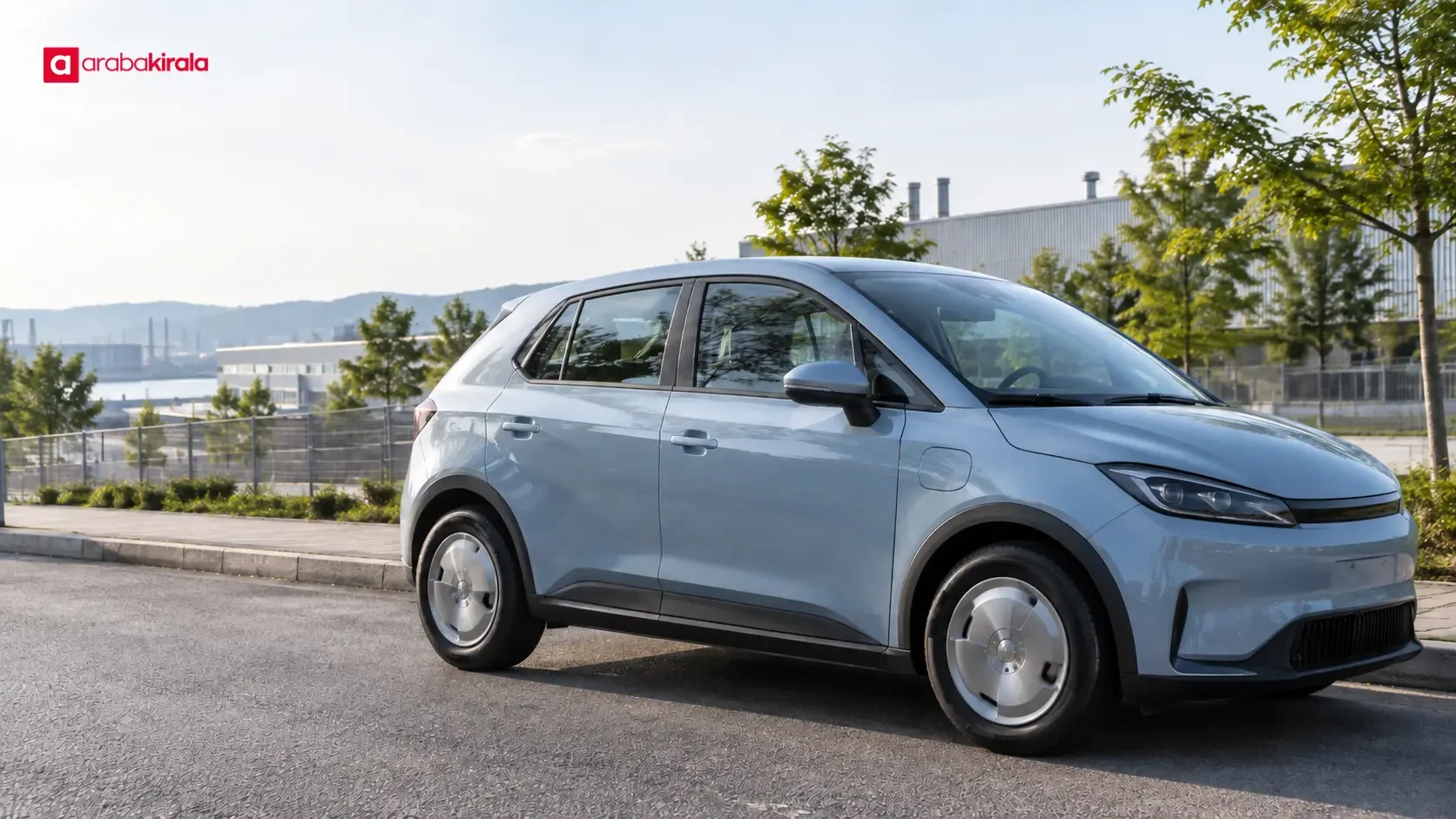
What Is Flexibility in Automotive Production Lines? Making Different Vehicles at One Plant
Published: October 9, 2026 • Reading Time: 8 min • Last Updated: October 9, 2026
Learn what production line flexibility means, how different vehicles can be made at one plant, and how equipment, parts flow, work planning, and quality control fit together.
Contents
- What does production line flexibility mean?
- How can one plant make different vehicles?
- Shared architecture and similar parts
- Programmable equipment and adjustable layouts
- Matching model and parts information
- Flexible lines compared with fixed lines
- Key elements of flexible production
- What benefits can flexibility offer?
- Challenges in implementation
- Complexity increases with variety
- Maintaining quality across variants
- Worker safety and work organization
- How to assess a production line’s flexibility
- Summary: flexibility is a system capability
- Frequently Asked Questions
Automotive production line flexibility is a factory’s ability to adapt its equipment, work sequence, and parts supply so that different vehicle models or configurations can be made within the same facility or line. This guide explains what flexibility means, how it differs from a fixed production setup, what must be prepared to build different vehicles at one plant, and how the approach relates to production planning and quality.
What does production line flexibility mean?
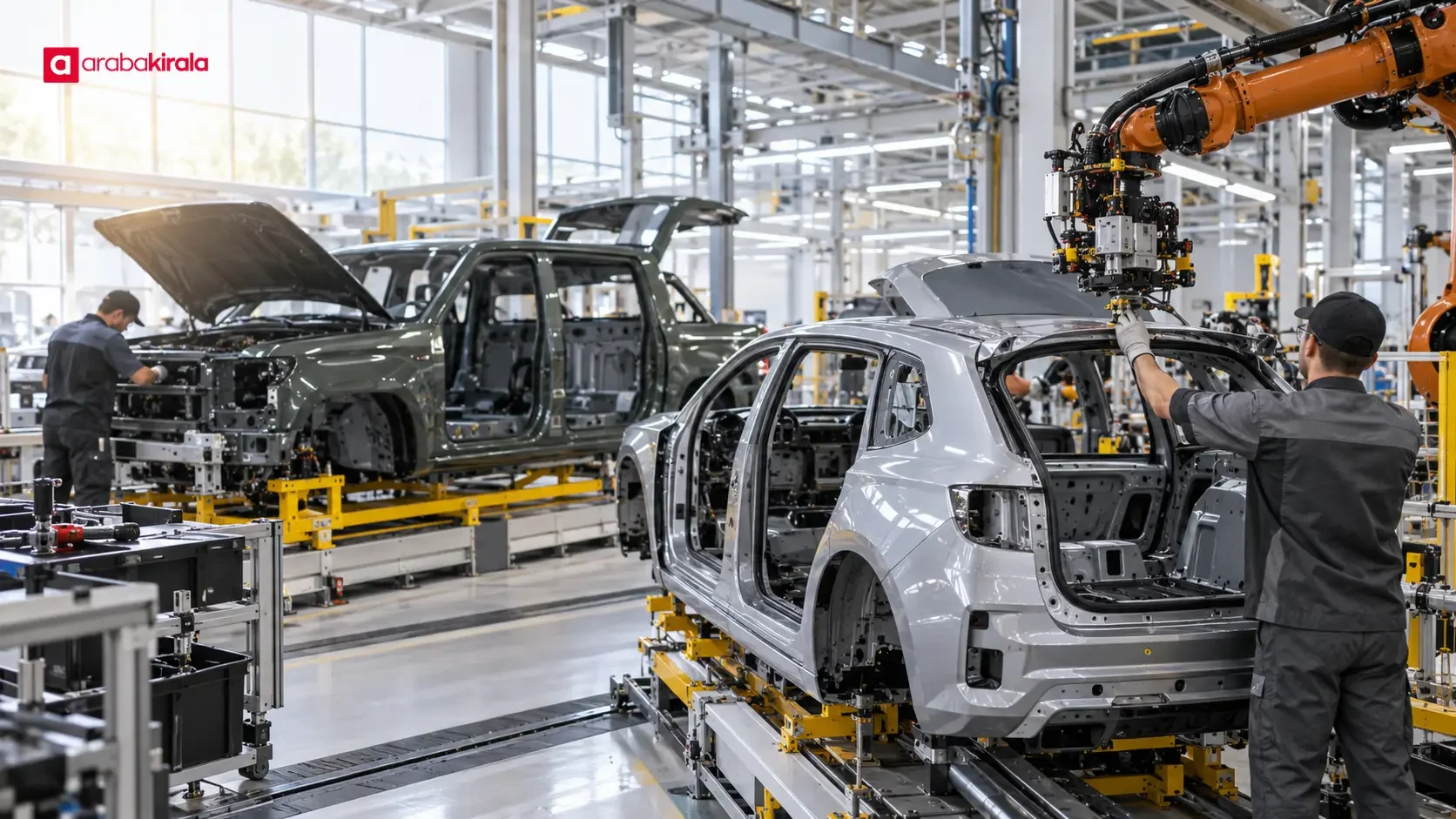
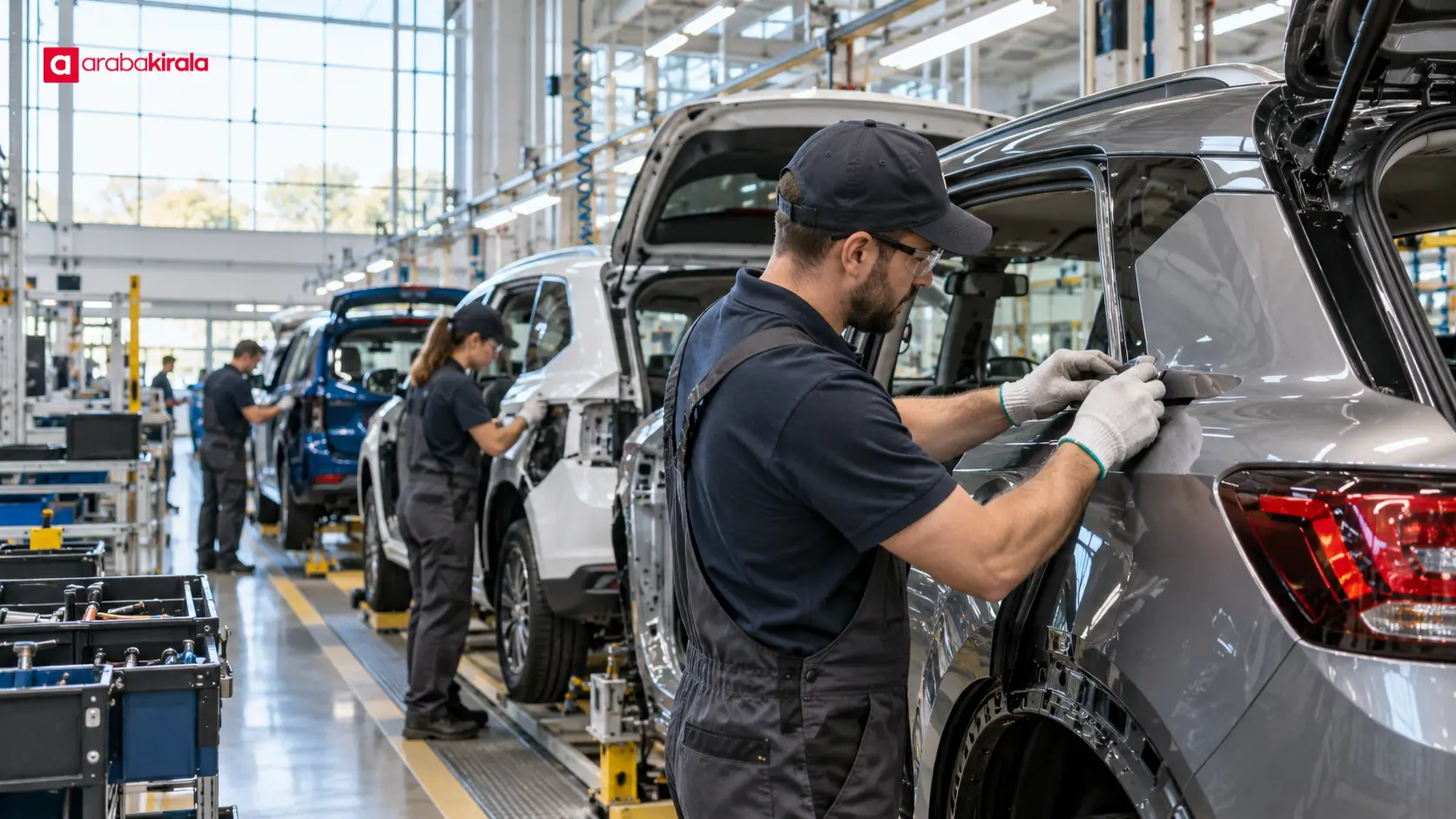
Vehicle manufacturing usually moves through connected stages such as stamping, body joining, painting, assembly, and final inspection. A flexible line is designed so that the flow of vehicles and equipment can accommodate defined differences across those stages. For example, one line may handle bodies of different dimensions, or an assembly station may present the right parts for more than one vehicle type. The scope depends on the factory, technology, and vehicle family. Flexibility does not mean that every model can be built on every line.
Flexibility is more than robots that can move. Product design, station layout, worker tasks, and the identification and delivery of parts all have to work together. The line needs to recognize different production orders and activate the appropriate equipment and parts for each vehicle. Safety, inspection, and traceability steps still need to remain in place as work methods change.
How can one plant make different vehicles?
Shared architecture and similar parts
Models in a vehicle family may share a technical foundation or similar assembly points. Shared parts and similar process steps can allow stations to serve more than one vehicle type. Differences in design may still call for suitable fixtures, connection points, tools, or work instructions. A shared architecture does not mean that all parts or operations are identical.
Programmable equipment and adjustable layouts
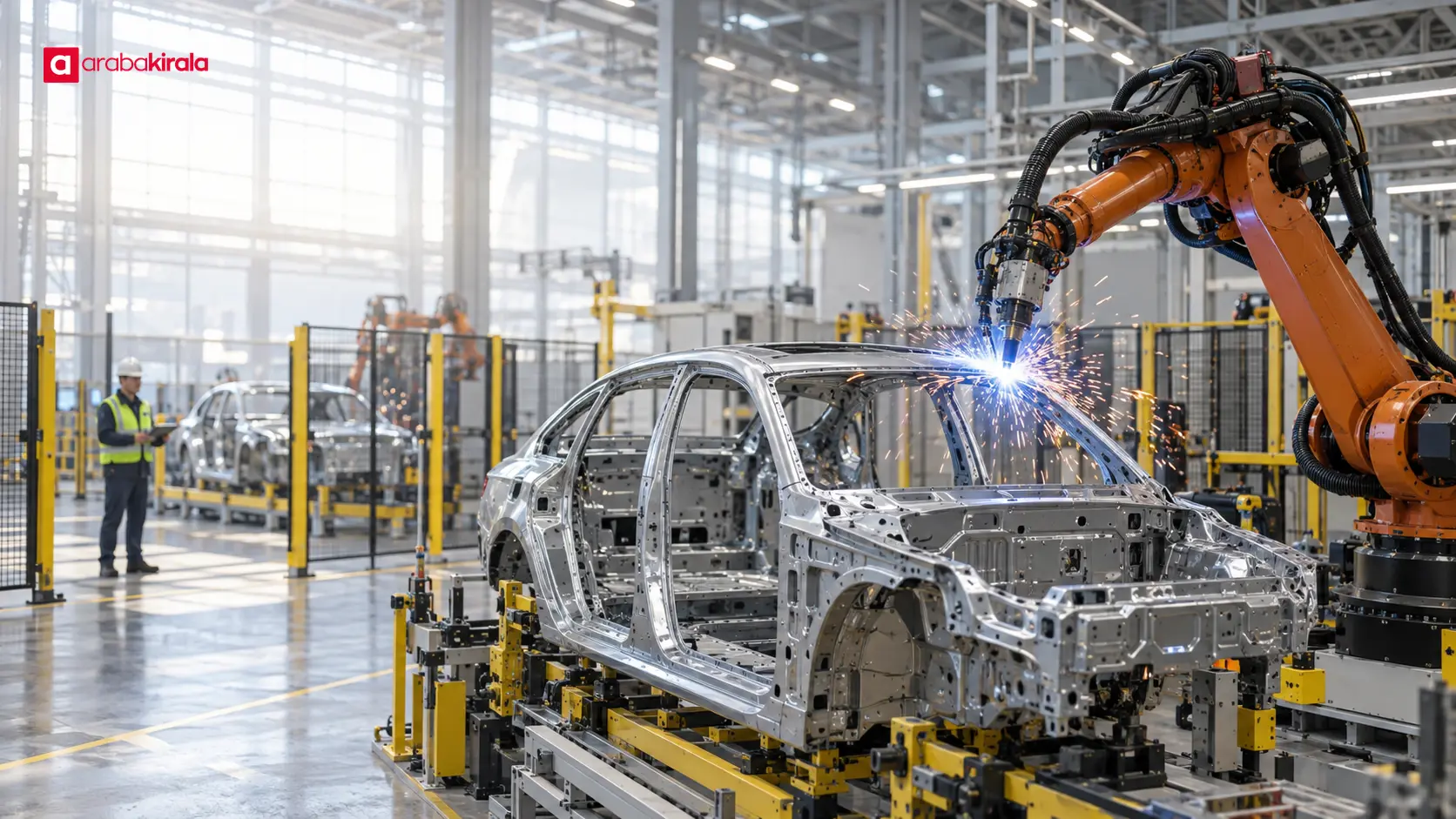
Robots and automated equipment can be programmed for different dimensions or part positions. Some lines use fixtures that can be repositioned and modular stations. When the production mix changes, specific equipment may be adjusted instead of rebuilding the entire line. The changes still need to be planned, checked, and implemented safely. An adjustable machine alone does not mean production can change instantly or without interruption.
Matching model and parts information
A production order is matched with information identifying a vehicle’s options and the parts it requires. An operator or control system uses that data to track the operations for the next vehicle. Getting the right parts to the right vehicle helps reduce the risk of incorrect assembly. Labels, stock management, and production planning data therefore need to be current and consistent with one another.
Flexible lines compared with fixed lines
A fixed production setup is generally optimized for one product type or a limited range. Standard equipment can make repetitive work easier to organize, while a change in product variety may require dedicated equipment changes or a production stop for reconfiguration. A flexible setup prepares the equipment, stations, or work sequence to support multiple product options.
Neither approach is always the better choice. Greater flexibility can mean more complex planning, a larger variety of parts to manage, and a need to train workers for different tasks. If product variety is low and demand is steady, a dedicated line may make sense. If models and configurations vary more, adaptable equipment and shared production arrangements may help. The decision depends on product design, investment needs, production volume, and quality objectives.
Key elements of flexible production
- Product design: Common features across models can make it easier to share equipment and process steps.
- Machines and fixtures: Adjustable or reconfigurable equipment can help different vehicles fit a station.
- Parts logistics: The parts needed for each vehicle have to reach the correct point in the correct sequence.
- Production software and data: Production orders, vehicle options, work instructions, and quality records need to connect.
- Worker skills: Standard work instructions and training help workers carry out changing task sequences correctly.
- Quality and maintenance: Different product settings must be verified, equipment condition monitored, and issues identified early.
What benefits can flexibility offer?
Flexible production can help a facility plan different products within shared infrastructure and make use of available capacity. When demand shifts between vehicle types, it may be easier to adjust the product mix, prepare production for new models, and manage multiple configurations at one site. Sharing equipment and processes may also reduce the need for separate infrastructure for a new model in some cases. These are potential benefits that depend on design and implementation; they do not guarantee lower costs, shorter delivery times, or higher quality.
Flexibility can also give planners more options when schedules change. If a line supports different models, the production sequence may be updated based on available capacity and parts. A supply issue or equipment failure can still disrupt the flow. A flexible line does not eliminate disruptions; it can provide more ways to manage changes.
Challenges in implementation
Complexity increases with variety
More models, equipment levels, and part options make production information and inventory harder to manage. A part delivered to the wrong station, an outdated work instruction, or a station that cannot meet the required cycle can lead to defects or delays. Before adding product variety, factories need to assess line capacity, logistics routes, information systems, and quality checks together.
Maintaining quality across variants
If an operation needs different settings for different vehicle types, the correct setting must be applied to the correct product. Automated checks, sensors, and records can support this match, while process design and human checks remain important. When a new model enters production, equipment fit, work steps, and inspection points need to be validated. Traceability of vehicles in the flow can help contain an issue when a defect is detected.
Worker safety and work organization
Changing production tasks may call for different tools or station movements. Instructions need to be clear, workers need relevant training, and protective equipment must remain effective for every product variant. Flexibility does not mean relaxing safety checks. When a new machine or work method is introduced, the work area and risk controls should be reviewed.
How to assess a production line’s flexibility
Knowing that a facility makes more than one model is not enough to assess its flexibility. Consider which models share a line, what equipment preparation is needed for a change, how parts flow is managed, and how quality checks are applied. Looking only at the level of automation can also be misleading; worker skills, planning systems, and the supply chain are part of flexibility too.
- Which vehicle families and production variants does the line support?
- What equipment, fixture, or program settings are needed when changing models?
- How is delivery of the correct part to the correct vehicle verified?
- What quality checks are used when a model or configuration is introduced?
- How is the production sequence updated when demand or parts flow changes?
- How are workers trained for different tasks and safety requirements?
Summary: flexibility is a system capability
Automotive production line flexibility is the coordinated fit of equipment, product design, parts logistics, work planning, and quality control that allows different vehicles to be made at one plant. Flexible lines can help manage product variety and schedule changes, while data, training, maintenance, and quality processes also need to support that variety. When assessing a factory, look beyond the vehicle models it makes: ask how it manages model changes and ensures the right parts and checks for each variant.
Frequently Asked Questions
Can every type of vehicle be built on the same production line?
No. The vehicles a line can produce depend on equipment capacity, body and assembly design, manufacturing methods, and the plant’s technical setup. Even a flexible line may be limited to particular product families and defined variants.
Is a flexible production line the same as an automated production line?
No. Automation describes the extent to which machines or control systems perform operations. Flexibility describes a line’s ability to adapt to different products or working conditions. A highly automated line may be dedicated to a narrow product range, while a less automated setup may support varied tasks.
How are different models identified during production?
A production order and vehicle identity are matched with the relevant work instructions and parts information. Factories may use software, labels, scanning, or automated identification systems for this match. The method varies by plant; the aim is to prevent the wrong part or process from being applied.
Does a shared vehicle platform automatically make a line flexible?
A shared platform can create structural or technical commonality between models and make shared equipment easier to use. Fixtures, assembly steps, parts logistics, and quality controls may still need adaptation. Platform commonality alone is not enough to ensure line flexibility.
Does flexible production reduce quality?
Flexibility by itself does not determine quality. Different vehicles can be made at one plant in line with quality objectives when settings, parts, and inspection steps are defined for each model. Unvalidated process changes or a failure to match parts correctly can create quality risks.
What is the main benefit of flexibility for a manufacturer?
There is no single benefit that applies to every plant. A manufacturer may gain options to adjust its product mix to demand, share infrastructure, or introduce new models within an existing production network. The result depends on investment, capacity, supply, and planning conditions.
Legal Disclaimer: All content, articles and information on the Araba Kirala website are provided solely to inform users. No information shared on this website constitutes definitive advice or guidance. Araba Kirala Teknoloji A.Ş. and its authors cannot be held responsible for any direct or indirect damages arising from the application of information on the website. For all questions and requests regarding car rental, please contact the office from which you will rent your vehicle.