What Technical Evidence Drives Automotive Recall Decisions?
Published: October 9, 2026 • Reading Time: 8 min • Last Updated: October 9, 2026
Learn how vehicle recall decisions draw on complaints, component inspections, tests, production records and assessments of potential safety risk.
Contents
- What problem does a recall address?
- Main forms of technical evidence
- Complaints and incident records
- Component inspection and failure modes
- Tests, measurements and system interactions
- Production, service and warranty data
- How are findings linked to safety risk?
- How owners can assess a recall notice
- What to do when using a rental car
- Conclusion: evidence, scope and follow-up
- Frequently Asked Questions
The automotive vehicle recall process is not a simple rule in which one report of a fault automatically recalls every vehicle. Engineers and safety authorities consider reports, vehicle and component inspections, test results, production records and the possible consequences of the issue together. This guide explains the kinds of technical evidence that inform recall decisions, how a one-off failure differs from a safety defect, and how owners can check a recall notice.
What problem does a recall address?
A recall is a corrective process to address a safety-related defect in a vehicle or piece of vehicle equipment. The cause may lie in component design, variation during production, unexpected software behavior or the way several parts operate together. Not every malfunction is a recall issue. A problem that affects convenience is assessed differently from one that may raise the likelihood of a crash or increase the risk of injury in a crash.
Assessing a safety defect involves more than asking whether a component failed. Investigators may examine the conditions in which it happened, whether it affected vehicle control or a protective function, whether similar vehicles show the same pattern, and how serious the outcome could be. Applicable procedures and responsible authorities vary by country, so one jurisdiction’s process should not be presented as a universal decision rule.
Main forms of technical evidence
Complaints and incident records
Driver reports, service records, warranty claims, crash or injury reports and information held by a manufacturer can bring a possible problem to light. The value of a report depends on more than its count. When the incident occurred, warning lights, vehicle conditions, whether the symptom repeated and whether a component can be examined can all help clarify the evidence. Grouping records that describe similar symptoms can reveal a common signal in cases that initially appear unrelated.
The number of complaints alone does not prove a defect, and a small number does not automatically rule out a serious issue. Investigators consider the use and size of the affected vehicle population, the quality of the records and the severity of reported events. The US National Highway Traffic Safety Administration (NHTSA) says it assesses complaints and other available information for the relative frequency and potential severity of a possible safety defect. That describes one country’s regulator; it does not mean every decision in another country follows the same administrative steps.
Component inspection and failure modes
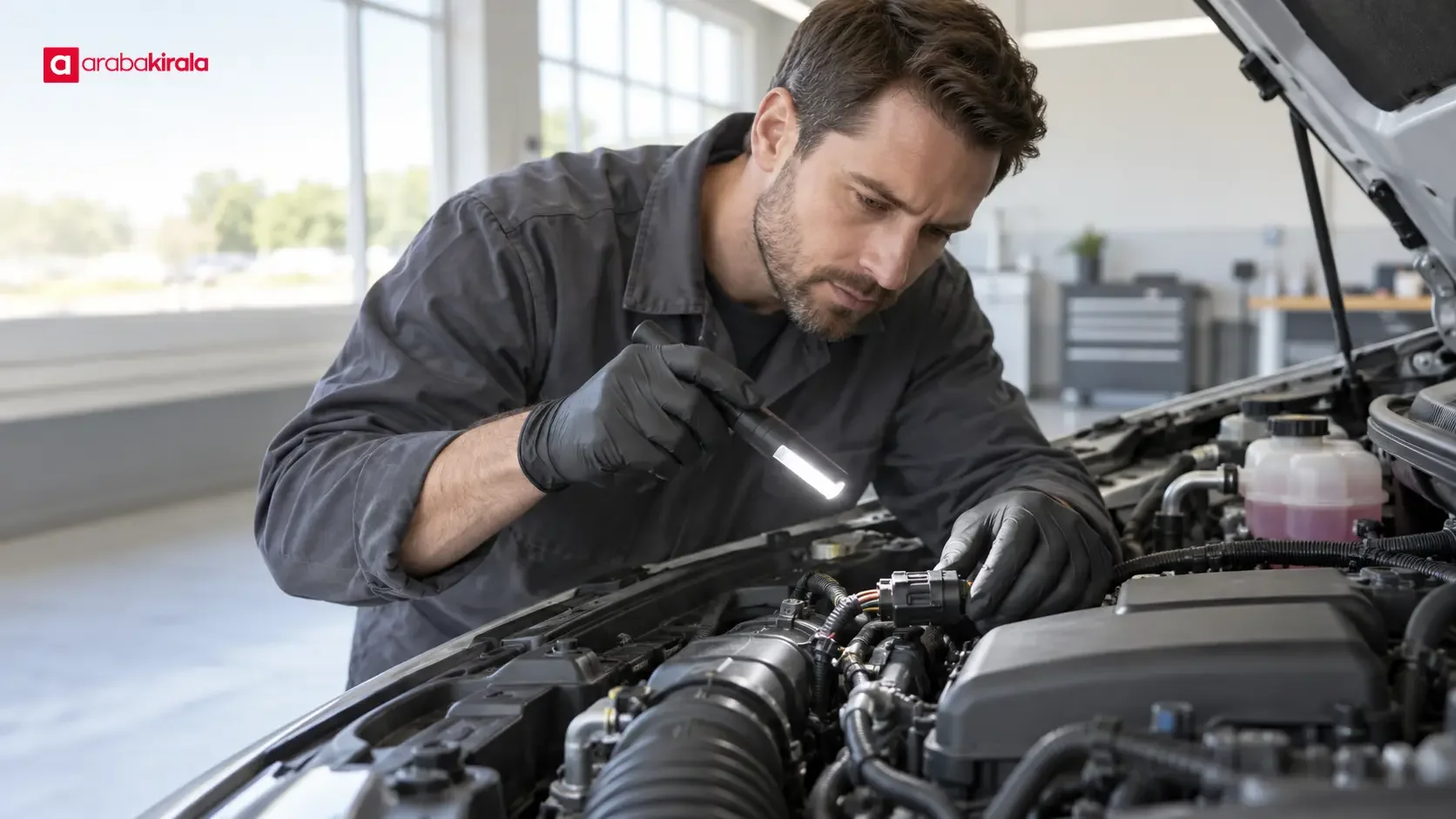
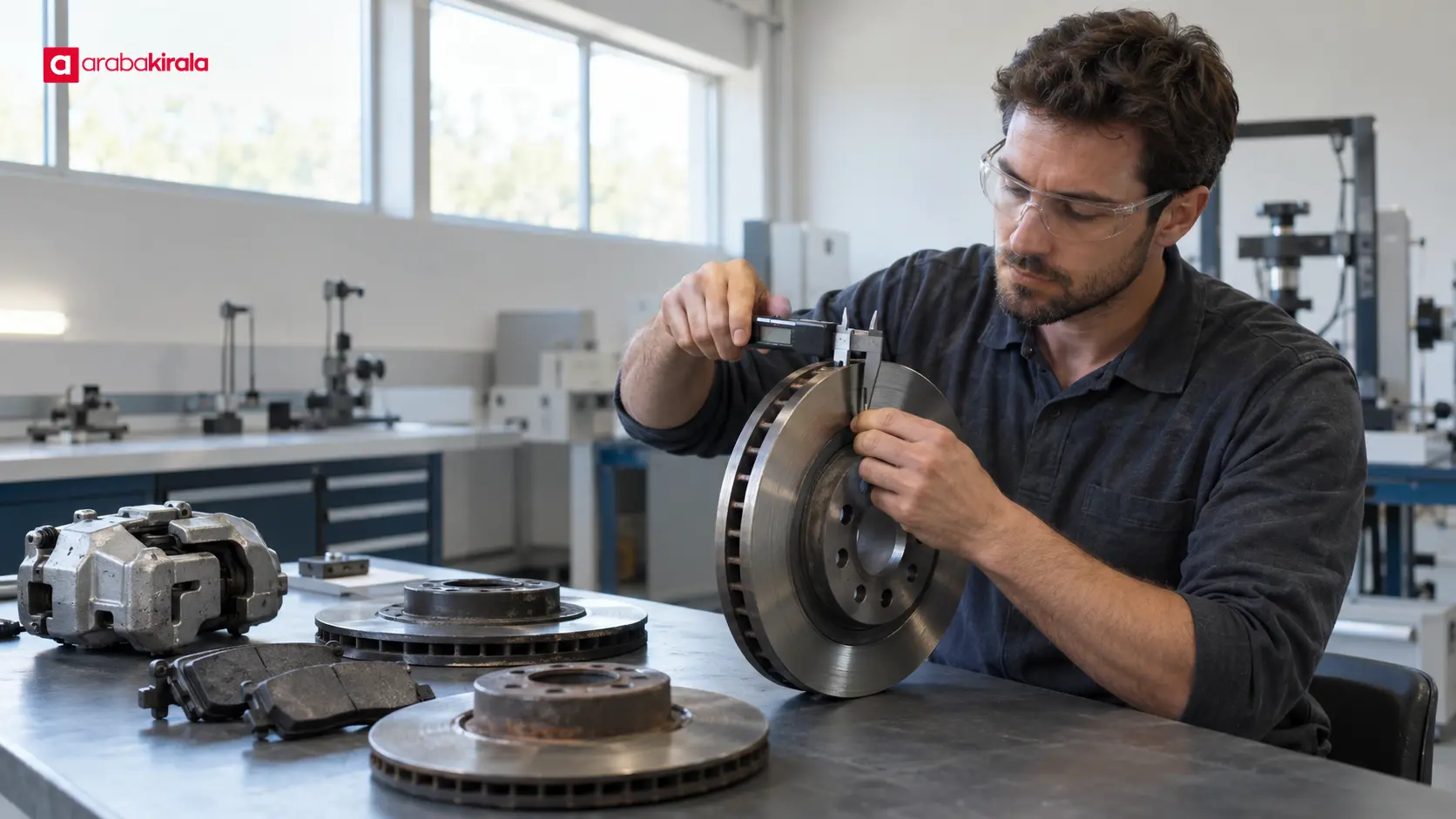
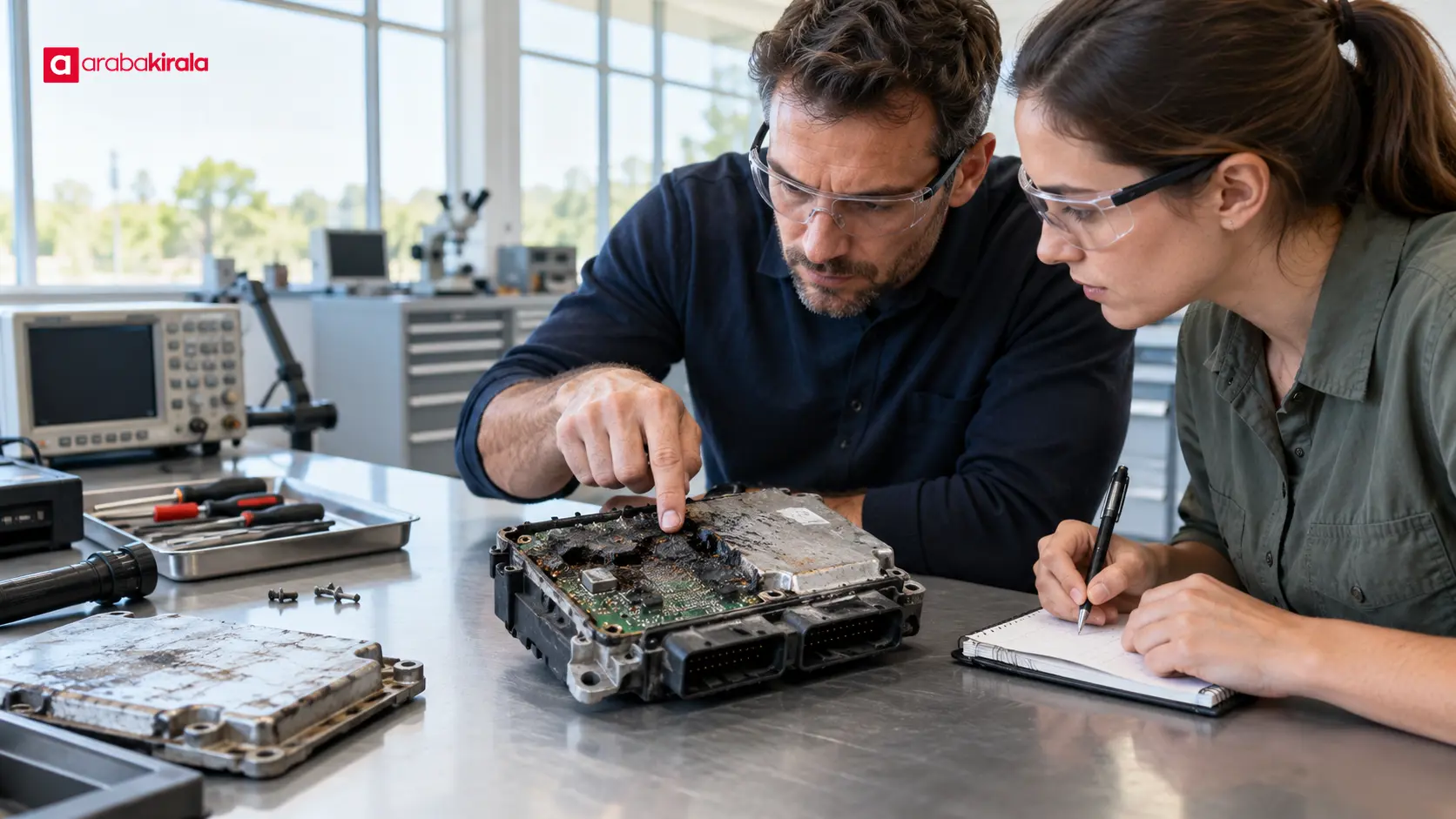
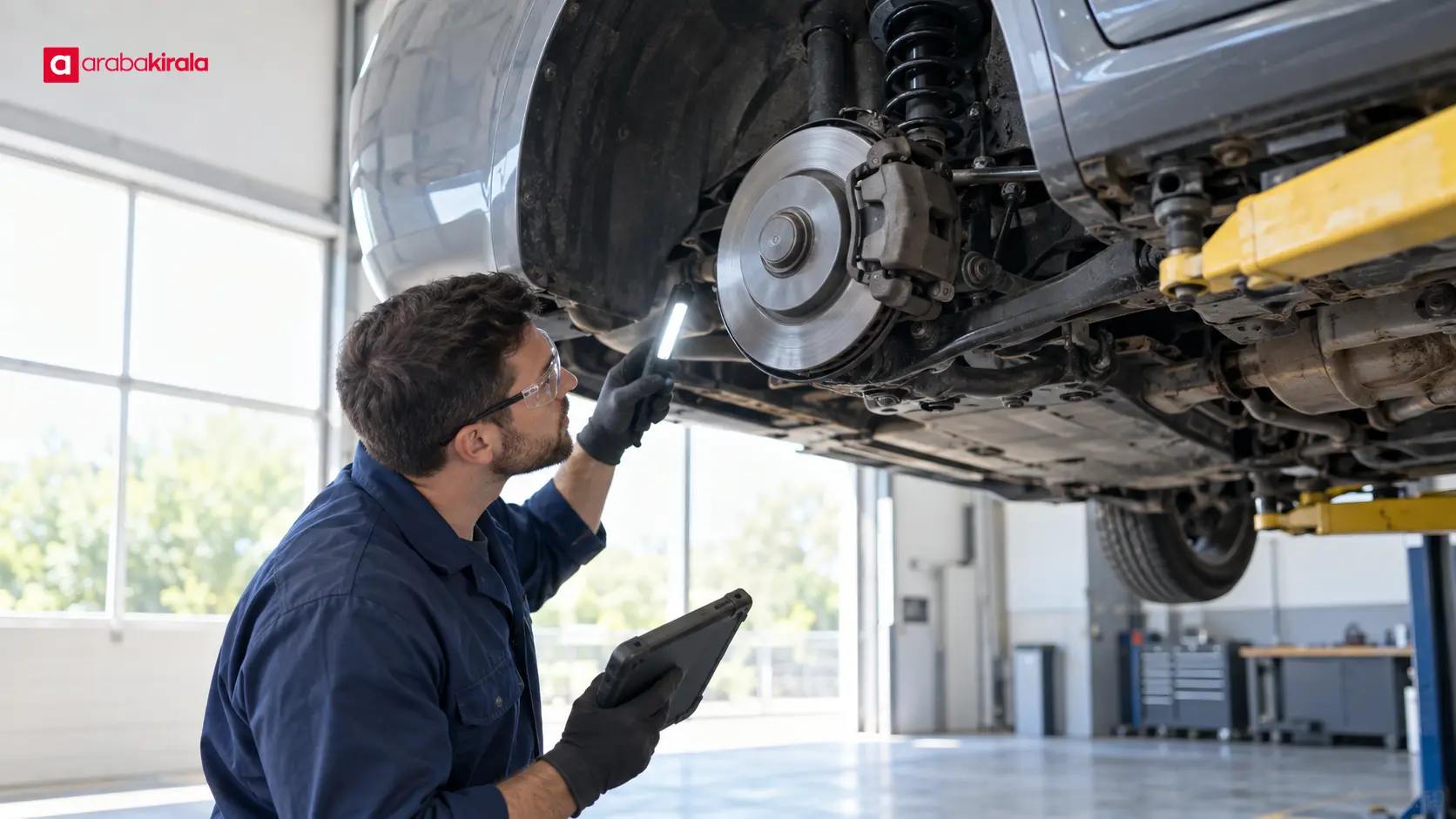
An allegedly failed part may be examined for fracture, wear, corrosion, heat damage, loose connections or signs of the manufacturing process. The inspection asks whether the damage is consistent with the reported loss of function and where the failure may have begun. A photograph or a single sample may not settle the question: use conditions, maintenance history, surrounding components and how the sample was stored after the event can affect interpretation.
Traceability records can help identify which production period, part series or supply group a component came from. Vehicles within the same model family may not have been built or used under identical conditions. Investigators may therefore review records to define which vehicle or component groups could be affected. The scope depends on what the available evidence supports.
Tests, measurements and system interactions
Laboratory tests or measurements on a vehicle can examine whether a reported condition can be reproduced, when a component loses performance and how safety functions are affected. Test methods depend on the issue: electrical connections and software behavior, braking performance, fuel or fluid leaks, structural strength and temperature effects require different measurements. The test conditions and how well they represent real use also matter when interpreting a result.
A component may meet its limits on its own yet cause a problem through interaction with another system. For example, an incorrect sensor signal could prompt an unexpected response from control software. An investigation in that case may look beyond replacing a part and consider the signal source, how the software handles it and when warnings reach the driver. This is a general technical example, not a claim about a particular model.
Production, service and warranty data
Production dates, component supply records, quality checks, service work and warranty claims can provide context for a technical investigation. A cluster of reports in a particular production period may prompt a closer look at whether a process or manufacturing condition is involved. Similar findings across different production groups may, in turn, lead investigators to reassess the initially suspected scope.
A manufacturer service bulletin is not the same as a safety recall. A technical communication may describe an inspection or repair approach; by itself, it does not establish that a formal recall has been issued. Consumers should check official notices and manufacturer information tied to the vehicle identification number (VIN), rather than relying on a forum post or an unverified headline.
How are findings linked to safety risk?
Technical work investigates whether a defect exists, while risk analysis considers what it could mean for driving and crash outcomes. Factors may include the likelihood of occurrence, the importance of the affected function, whether a driver can recognize and respond to the problem, and the potential severity of the outcome. A rare event is not automatically unimportant if its consequences could be severe. Likewise, a frequent fault that does not affect safety does not automatically meet a recall threshold.
Assessment can also consider the potentially affected vehicle population and how the problem could be corrected. If the technical evidence is incomplete, investigators may seek more information or testing. If the evidence supports a connection between a specific defect and safety risk, a manufacturer may start a corrective campaign or an authority may proceed under its own rules. A decision not to recall does not necessarily prove that no vehicle has ever experienced a problem; it may mean the available evidence did not establish a particular safety defect.
How owners can assess a recall notice
- Check the vehicle identification number (VIN): A model name or model year alone does not establish that a specific vehicle is included. An official manufacturer notice or vehicle-specific search through an authorized channel in your country is more useful.
- Read the scope of the notice: Details about affected vehicles, symptoms, possible consequences and the recommended action help you understand whether the notice applies. Ask an authorized service center for clarification if the next step is unclear.
- Record symptoms and warnings: If a problem occurred, note the date, odometer reading, conditions, dashboard warnings and any photographs. These details can help a service professional understand the issue; do not dismantle the vehicle to investigate it yourself.
- Confirm official repair information: Contact the manufacturer or an authorized service center to verify the recall record and the vehicle’s repair history. They can explain the remedy and how the work is arranged for that vehicle.
- Follow safety instructions: If a notice tells you not to drive or to take a specific precaution, follow that instruction and contact the manufacturer or an authorized service center. If a safety symptom affects driving, stop in a safe place and seek assistance rather than continuing.
What to do when using a rental car
Before driving a rental car, checking the dashboard warnings and the vehicle’s general condition is a useful part of safe use. If you notice a recall notice while using the vehicle, promptly tell the branch or pickup location from which you rented it. Ask them to verify the notice against the vehicle identification number and give you clear guidance about use. For branch-specific details such as rental arrangements, a replacement vehicle or scheduling the work, contact the location directly. Do not assume an unverified procedure or service commitment.
A recall check is a useful safety item before buying a used vehicle or starting a long drive. Do not rely only on a model’s general name: make sure the search uses the correct VIN and that the information comes from a current official source.
Conclusion: evidence, scope and follow-up
Automotive recall decisions draw on complaint patterns, component inspections, tests and measurements, production traceability and potential safety consequences. One complaint or laboratory finding does not always determine the outcome by itself; the reliability and repeatability of the evidence and its connection to particular vehicles also matter. The practical next step for an owner is to check official recall information using the VIN and ask the manufacturer or an authorized service center about the action described. For a rental car, share the same safety information with the branch and confirm vehicle-specific instructions before driving further.
Frequently Asked Questions
How many complaints are needed for a recall?
There is no single complaint count that applies everywhere. The content and similarity of reports, the severity of incidents, the size of the vehicle population and technical findings are considered together. A few consistent, serious reports may prompt review, while a large number of reports alone does not prove a defect.
Does a service bulletin mean my vehicle has been recalled?
No. A service bulletin may explain a technical inspection or repair method. A recall is a separate campaign to address a safety defect. Check the manufacturer’s official recall record or an authorized service center using the vehicle’s VIN.
Are all vehicles with the same model name included in a recall?
Not necessarily. A campaign may cover certain production dates, components, equipment groups or VINs. A matching model name is only an initial clue; the vehicle’s own VIN should be checked.
Should I stop driving as soon as I see a recall notice?
That depends on the notice’s safety instructions and the symptoms. Follow any instruction to stop driving. If the vehicle has a clear problem involving braking, steering, fire risk or control, stop in a safe place and contact the manufacturer or an authorized service center for help.
What should I do if I encounter a recall notice on a rental car?
Give the VIN and notice details to the branch or pickup location where you rented the vehicle. Ask them to verify whether the campaign applies and what action is needed for safe use. Direct branch-specific rental questions to that location.
Legal Disclaimer: All content, articles and information on the Araba Kirala website are provided solely to inform users. No information shared on this website constitutes definitive advice or guidance. Araba Kirala Teknoloji A.Ş. and its authors cannot be held responsible for any direct or indirect damages arising from the application of information on the website. For all questions and requests regarding car rental, please contact the office from which you will rent your vehicle.