Automotive Recycling: What Happens to End-of-Life Vehicles and Parts?
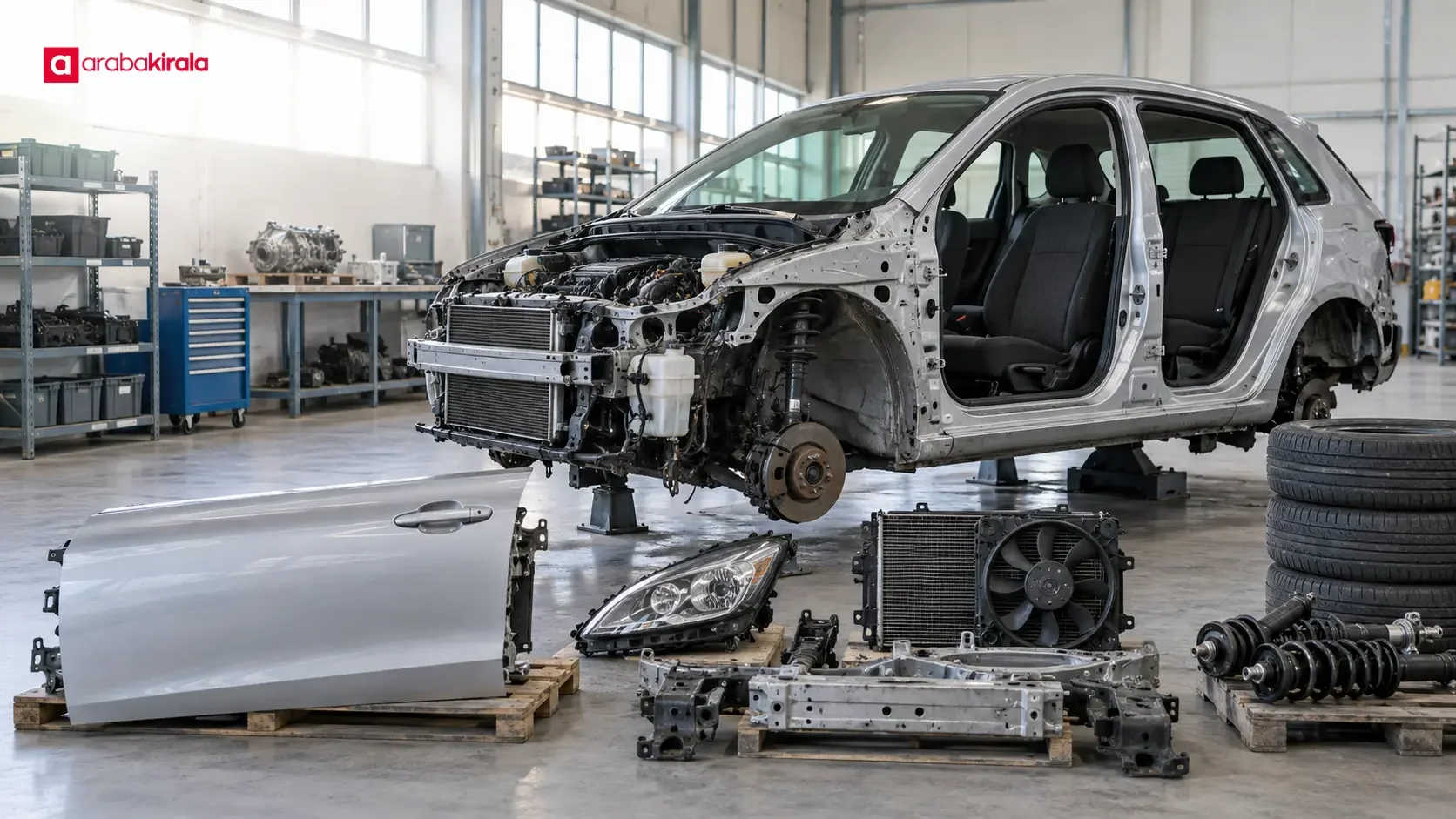
Automotive recycling covers the assessment and processing of vehicles that have reached the end of their useful life. Some components may be suitable for reuse after inspection; other parts are separated so their materials can be recovered. A vehicle combines steel, aluminium, copper, glass, plastics, rubber, electronics and fluids. Since those materials have different properties and handling needs, recycling is a sequence of distinct steps rather than simply crushing a car. Understanding the difference between reuse and material recycling helps vehicle owners make safer, better informed decisions when a vehicle can no longer serve its purpose.
What does end of life mean for a vehicle?
A vehicle reaches the end of its useful life when continued use or repair is no longer appropriate for its condition and purpose. Age alone does not determine this. The extent of damage, the state of its mechanical and electrical systems, the feasibility of a sound repair and the ability to use it safely all matter. An older vehicle may remain serviceable with proper maintenance, while a relatively recent vehicle may be unsuitable for road use after serious damage.
Loss of value does not mean that every component has lost its function. An engine, transmission, door, lamp assembly or interior component may still be usable if its condition and compatibility can be verified. Components that cannot be reused may still contain materials that can be separated and processed. Reusing a part in its original function and recycling its material are different routes, with different checks and outcomes.
The main stages of vehicle recycling
1. Intake and identification
The vehicle is identified and its general condition is recorded. Model, equipment, damage, missing components and the type of powertrain can influence the dismantling plan. Owners should ask the relevant local authority or receiving facility which records or steps apply before handing over a vehicle. Administrative procedures can vary by location, so a particular document should not be described as universally required without checking the applicable local process.
2. Managing fluids and hazardous components
Vehicles can contain fuel, oil, coolant, brake fluid, substances in air-conditioning systems, lead-acid batteries and, in electric or hybrid vehicles, high-voltage battery systems. These materials should not be poured away, punctured or mixed with household waste. Leaks may harm soil and water; batteries and high-voltage components can also present electrical or chemical hazards. Draining, isolation and removal should be handled by trained people using equipment suited to the vehicle.
High-voltage systems are different from ordinary low-voltage vehicle wiring. A battery pack or its connections should not be assumed safe to touch or remove. Model-specific technical information from the vehicle manufacturer can guide qualified personnel through isolation and handling. A damaged battery also requires specialist assessment and appropriate transport and storage arrangements. Owners should not open, drill or dismantle one themselves.
3. Assessing parts for reuse
After hazardous materials have been managed, components with potential for continued use can be examined. A clean appearance alone does not prove that a component is safe or suitable. Its function, wear, damage history, compatibility and any necessary tests need to be considered. Checks are especially important for parts connected to braking, steering, suspension and occupant protection. Reuse makes sense only when the component’s condition and intended application can be established.
Doors, mirrors, seats, some electronic modules and mechanical components may have reuse potential if they are in suitable condition. Compatibility cannot be judged by appearance alone. Components within the same model range can differ by production year, trim, engine or connector. Checking a part number and the vehicle’s technical requirements helps prevent an unsuitable substitution.
4. Sorting materials for recovery
Once reusable parts have been set aside, the remaining vehicle and components can be processed to separate material types. Ferrous metals, aluminium, copper, glass, tyres and different plastics may be sorted through manual work and mechanical equipment. For example, magnets can help separate ferrous materials from other fractions. The precise methods depend on the material and the equipment available at the treatment facility.
Recycling turns a material into an input that can be used to make products. Recovery is a broader term that may include material or energy recovery. Reuse means using a component again for substantially the same function. These terms describe different results. Reusing a tested component is not the same as dismantling it to recover its metal. The appropriate option depends on the part’s condition, safety and the available processing route.
Which vehicle parts and materials can be recycled?
Steel and aluminium body panels, wheels and many mechanical components can contribute metal for recovery. Copper is present in wiring and electrical equipment. Glass, tyres, plastic bumpers and interior trim can also be processed where suitable sorting and treatment capacity exists. Recovery depends on the material type, contamination, coatings and whether different materials have been bonded together. The fact that a material can be recycled in principle does not mean that every facility can process every component in the same way.
Lead-acid batteries, oils, fuel residues and some electronic components need controlled handling. Their collection and treatment must suit their properties. High-voltage batteries require particular expertise, and the materials that can be recovered depend on battery chemistry and design. Leaving a battery in ordinary waste or trying to dismantle it at home creates avoidable risks.
Reuse and recycling are not the same
Reuse means that an inspected component continues to perform its original function. Recycling separates material and converts it into a feedstock for new products. Reusing a sound part can preserve its function and value, but keeping a badly damaged, unidentified or unsafe component in service is not a responsible way to reduce waste. Material recycling also has limits: mixed materials, coatings, adhesives and contamination can make separation difficult.
In practice, end-of-life processing considers whether a part can be safely reused, then separates suitable materials for recycling and considers other appropriate treatment routes for what remains. This does not mean every component will be reused or every material returned to production. Condition and local processing capability affect the outcome.
How vehicle design affects recyclability
Recyclability is shaped before a vehicle reaches a treatment facility. The number of material types, the way parts are joined, component identification and ease of disassembly can all affect later work. Permanently joining unlike materials can make them harder to separate. Accessible information about parts and materials can help dismantlers understand what a component contains and how it should be removed. Manufacturer technical documents are particularly useful for work on high-voltage systems and complex electronics.
Modern vehicles use a wider range of electronics and materials, which can make recovery more technically demanding. Multi-layer or bonded materials chosen for strength or light weight may be difficult to separate into clean streams. At the same time, a design that supports repair and replacement can extend a vehicle’s useful life. Environmental impacts should therefore be considered across production, use, maintenance and end-of-life treatment, rather than only at the final recycling stage.
What vehicle owners can do
- Use a traceable handover process. Ask the relevant receiving point how the vehicle will be recorded and where it will be sent for treatment.
- Do not remove fluids or components yourself. Uncontrolled removal of batteries, fuel, oil, coolant or electronic equipment can cause injury or pollution.
- Check the condition and fit of reused parts. Ask about the part number, compatibility, inspection and any seller-specific return or warranty terms before buying.
- Keep maintenance and repair records. A history of work can help with maintenance decisions and provide useful context about the vehicle and its components.
- Keep away from damaged high-voltage components. Have a qualified specialist assess an electric or hybrid vehicle’s battery system after damage or a serious fault.
Frequently asked questions
Can an entire car be recycled?
Many components can be reused or their materials recovered, but not every part can be recycled to the same degree. Mixed materials, contamination, coatings, adhesives and damage can complicate processing. The actual outcome depends on the vehicle and the facility’s capabilities.
Does an old car always need to be scrapped?
No. Age by itself is not the deciding factor. A vehicle that can be maintained and used safely may remain in service. Whether it has reached the end of its useful life depends on its overall condition and a suitable technical assessment.
Are used parts always better for the environment?
Reusing a suitable part can reduce the need to make a replacement, but safety, function, compatibility and remaining service life still matter. A part that does not meet the vehicle’s requirements can undermine both safety and efficient resource use. Check its condition and fit before choosing it.
Can an electric vehicle battery be treated like ordinary scrap metal?
No. High-voltage batteries have electrical and chemical characteristics that require specialist handling. Isolation, removal, transport and storage should be managed by qualified people with appropriate procedures. A battery should not be punctured, opened or placed in ordinary waste.
Does recycling eliminate a vehicle’s environmental impact?
No. Recycling can return some materials to use and reduce the amount discarded, but collection, transport, sorting and processing also use resources and energy. A complete assessment considers the vehicle’s whole life cycle.
Conclusion
Automotive recycling is a managed process that separates safe, usable components from materials that can be recovered. Metals, glass, plastics, tyres, fluids and batteries each need appropriate handling. Vehicle owners can support a safer outcome by using a traceable receiving route, leaving hazardous work to qualified personnel and checking the technical suitability of reused parts. Knowing that reuse, recycling and recovery describe different outcomes makes it easier to understand what may happen to a vehicle when its useful life ends.
Legal Disclaimer: All content, articles and information on the Araba Kirala website are provided solely to inform users. No information shared on this website constitutes definitive advice or guidance. Araba Kirala Teknoloji A.Ş. and its authors cannot be held responsible for any direct or indirect damages arising from the application of information on the website. For all questions and requests regarding car rental, please contact the office from which you will rent your vehicle.