Automotive Recycling Stages: From Vehicle Parts to Recovered Materials
Published: October 8, 2026 • Reading Time: 7 min • Last Updated: October 8, 2026
Learn how end-of-life vehicles move through intake, depollution, dismantling, parts reuse and material recycling, plus practical steps owners can take before handover.
Contents
- What does end of vehicle life mean?
- How the automotive recycling stages work
- 1. Intake and initial assessment
- 2. Depollution and separation of hazardous components
- 3. Dismantling parts for possible reuse
- 4. Processing the shell and sorting materials
- Reuse, recycling and recovery: how they differ
- How owners can prepare for vehicle handover
- Why the process matters
- Conclusion: proper handover starts proper sorting
- Frequently Asked Questions
Automotive recycling stages involve much more than crushing a vehicle at the end of its useful life. This guide explains how a vehicle moves from intake and assessment to depollution, parts inspection, reuse and material recycling. Understanding the sequence helps owners choose an appropriate handover route and see why different parts of one vehicle may follow different paths.
What does end of vehicle life mean?
A vehicle's age alone does not determine that it has reached the end of its useful life. Its condition, safety, extent of damage and the feasibility of repair all matter. A vehicle that can no longer be used safely or reasonably, or that its owner is ready to retire, may enter a reuse or waste management process. The next route depends on an assessment and the receiving facility's accepted procedures.
Reuse means that a component retains its function and is used again in an appropriate application. Recycling means processing a material so it can become an input for new production. Recovery is a broader term that can include reuse and recycling as well as other suitable ways of extracting value. The distinction matters: a functioning part may be inspected for reuse, while a damaged or mixed material may be directed to recycling.
How the automotive recycling stages work
1. Intake and initial assessment
The process starts with a record of the vehicle and an initial condition review. Vehicle identification, missing major components, damage and powertrain type can affect the treatment plan. This review helps determine which parts may be dismantled carefully and which safety measures are needed. Owners should check current facility information from the relevant environmental authority and confirm the receiving facility's acceptance requirements. Handover, documentation and vehicle status procedures can depend on the vehicle and applicable local process, so confirm them with the appropriate authority or facility.
2. Depollution and separation of hazardous components
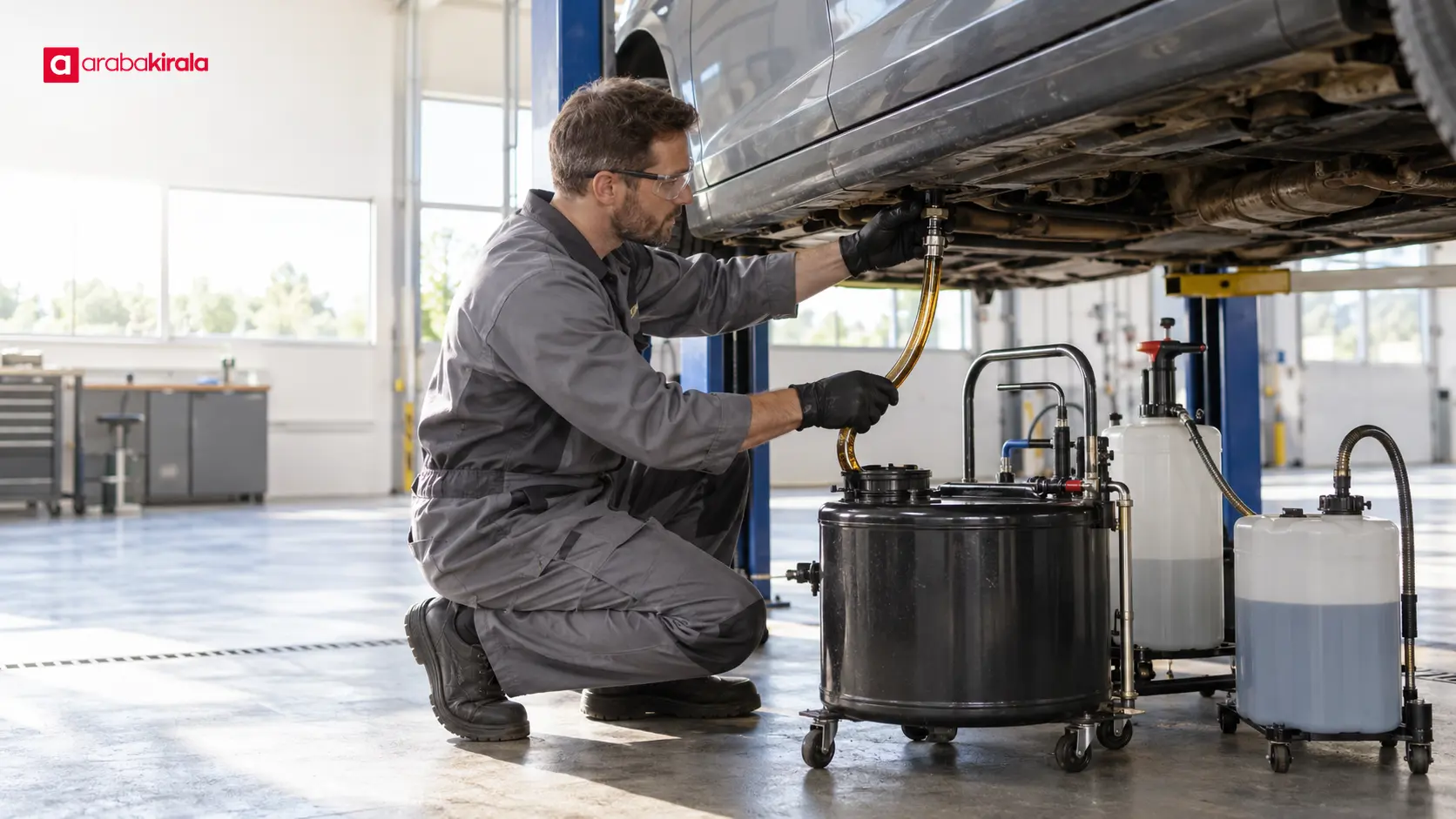
Vehicles may contain fuel, engine oil, coolant, brake fluid and substances associated with air conditioning systems that can harm the environment if released. At a suitable facility, these materials are collected separately using environmental and workplace safety controls. Batteries and other components requiring special handling are directed into suitable treatment streams. Depollution is not ordinary cleaning: it is a preparatory step that makes later dismantling and processing safer.
Electric and hybrid vehicles require particular care around high-voltage batteries and electrical components. Touching a damaged battery, opening it or leaving it with household waste is unsafe. A specialist facility must assess the condition and suitable handling route. Owners should disclose known damage and avoid attempting battery work themselves.
3. Dismantling parts for possible reuse
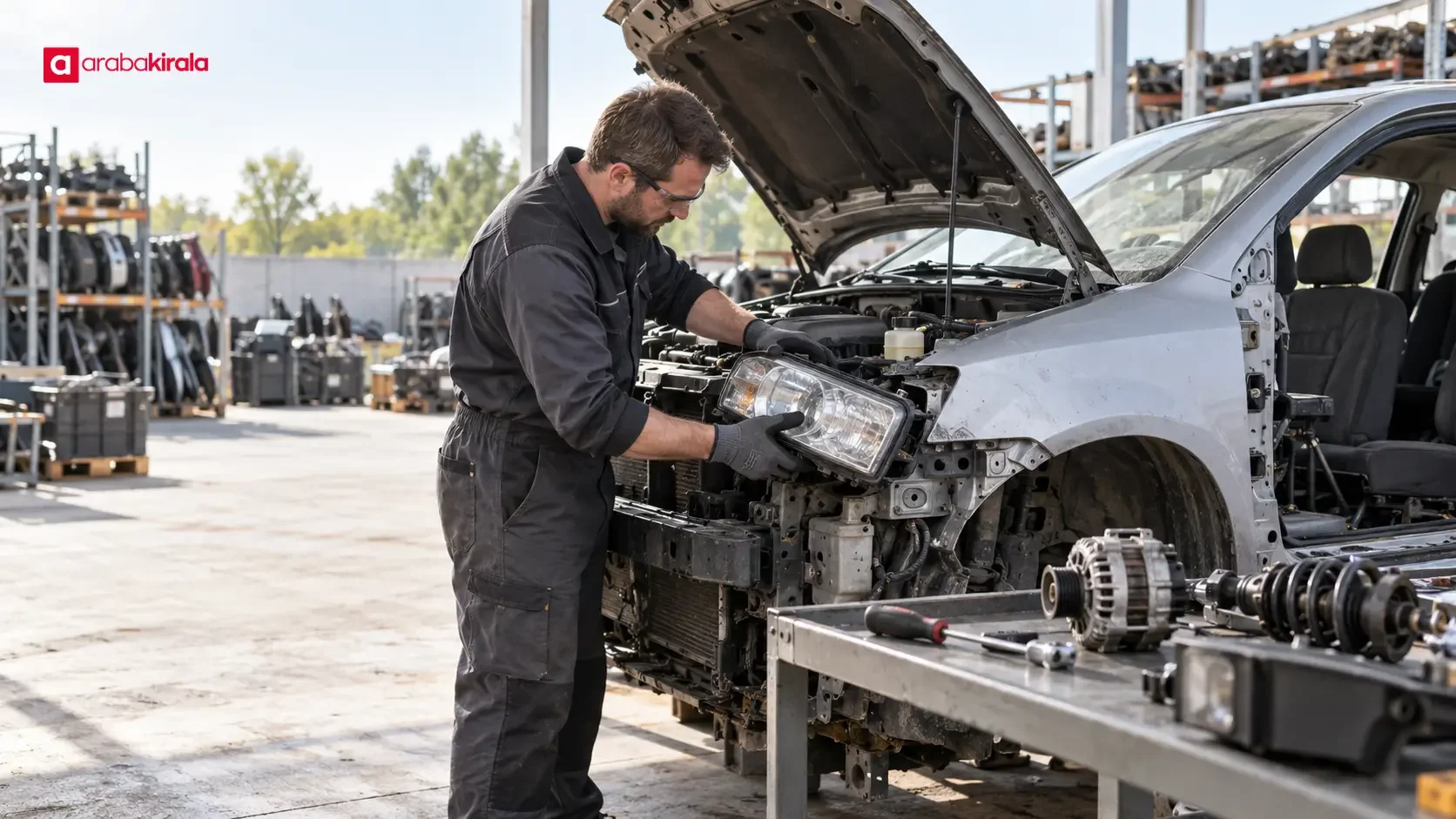
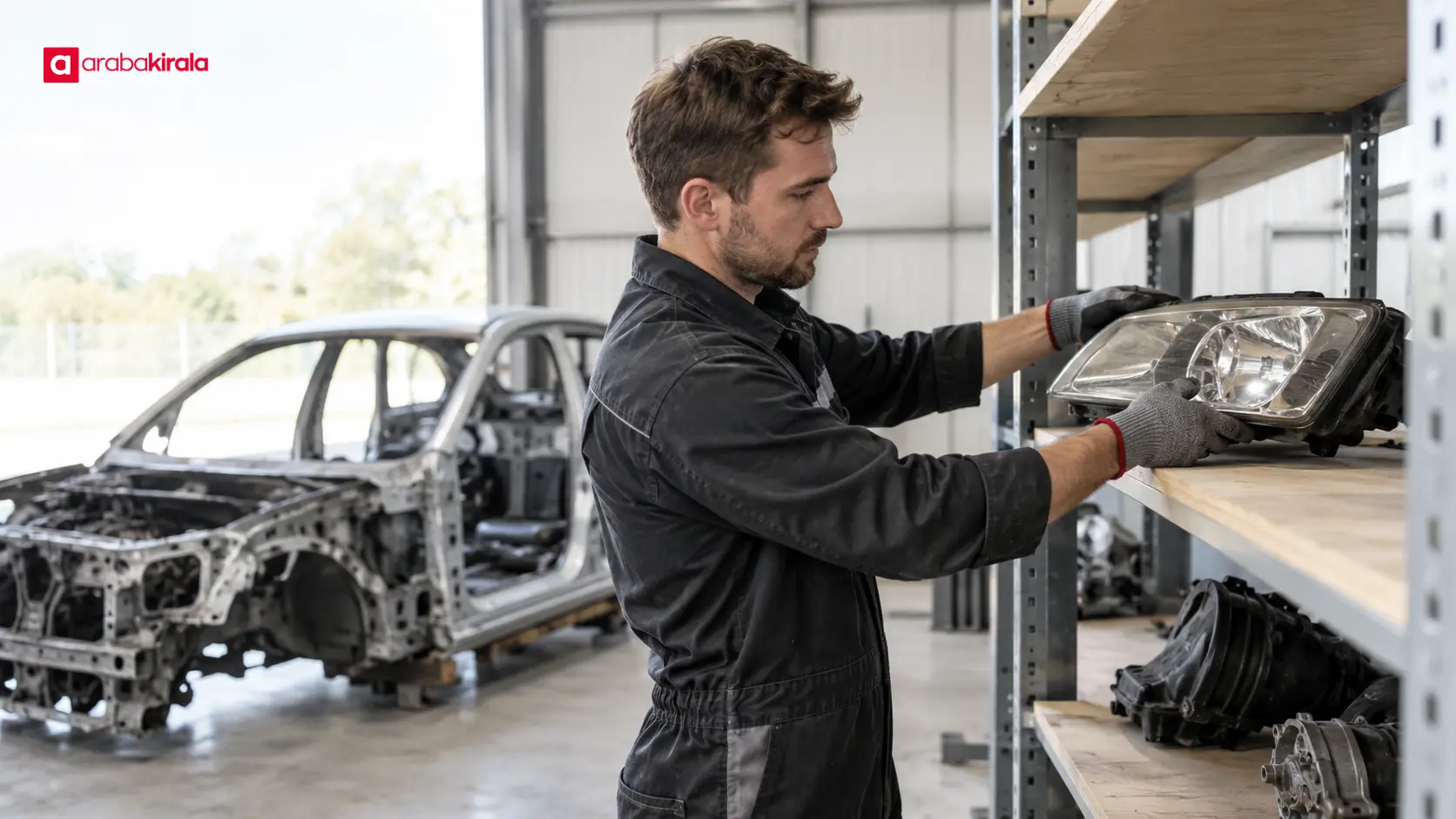
After depollution, items such as engines, transmissions, doors, lights, wheels, electronics and interior components may be inspected individually. A removed part is not automatically suitable for reuse. Its function, wear, corrosion, damage and safety need assessment; some parts may need testing or repair, while others go to material recycling. Removal from a vehicle does not guarantee that a component is reliable or compatible with another vehicle. Its condition, traceability and fit must be checked.
Separating parts before crushing helps prevent useful components from being damaged or lost in mixed material. It can preserve value for reuse and make the remaining material streams easier to sort.
4. Processing the shell and sorting materials
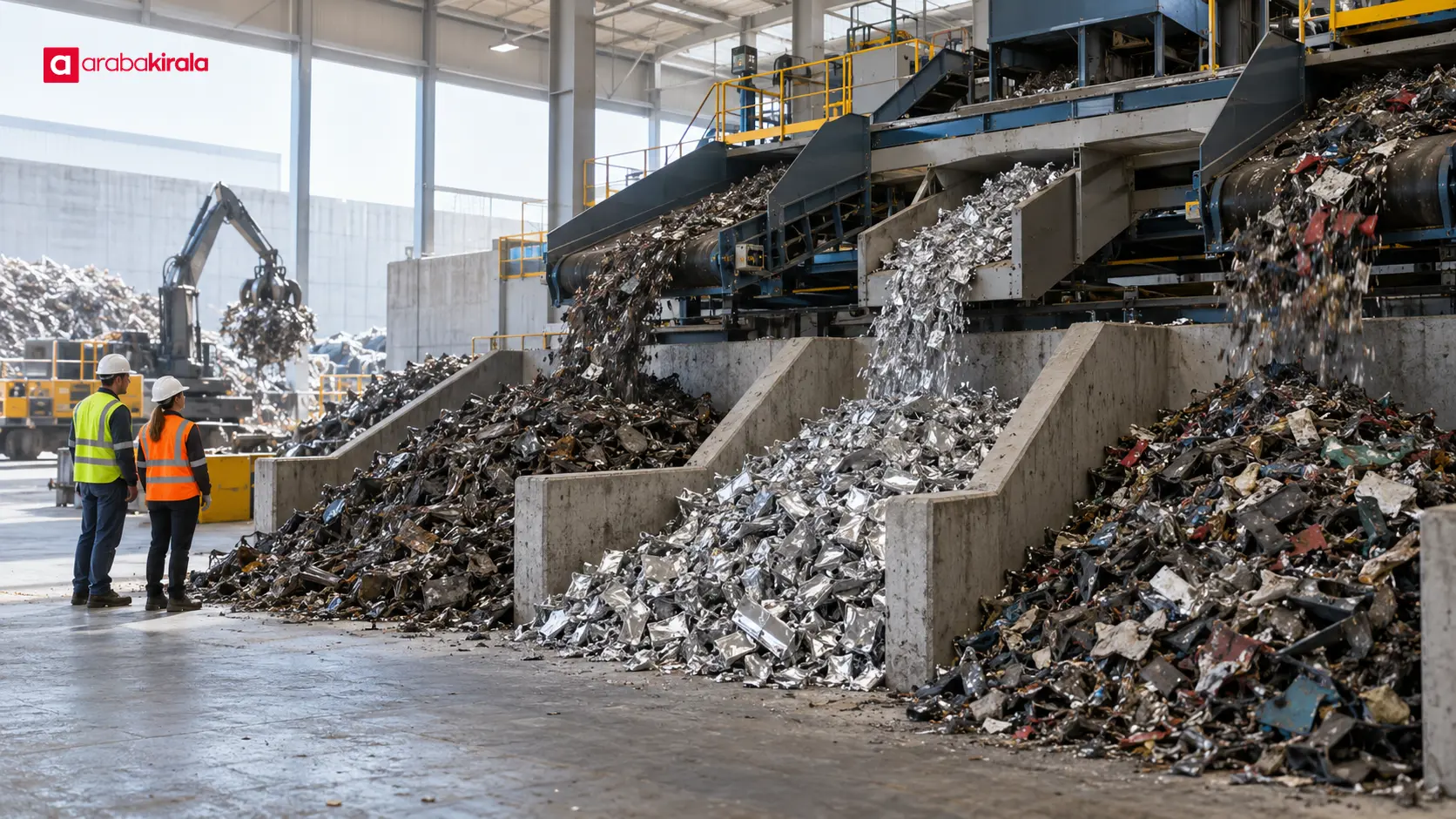
Once parts selected for reuse have been removed, the remaining shell and components may be prepared for mechanical processing. Depending on the facility, metal sections are shredded or reduced in size. Steel and other ferrous metals, aluminium, other metal types, plastics, glass and other streams are then separated using appropriate methods. The goal is not to treat the whole vehicle as one recyclable category, but to preserve material quality and direct each fraction to suitable processing.
Steel and aluminium can be melted into inputs for new products. Copper-bearing wiring and some electronic components can enter separate recovery streams. Plastics vary by polymer, additives, coatings and contamination, which affects whether and how they can be recycled. Glass and tyres may also have their own collection and processing routes. Residues that cannot be recycled need an appropriate waste management route at the facility.
Reuse, recycling and recovery: how they differ
- Reuse: An inspected part that still functions may be used again in a suitable application, retaining much of its original form. Safety and compatibility matter.
- Recycling: A material is processed into a form that can serve as a production input. Properly sorted metal is a common example.
- Recovery: A wider set of processes that extract value from components or materials. Not every recovery route produces a new raw material in the same sense as recycling.
These terms help clarify why a claim that an entire vehicle is “recycled” can be imprecise. Parts and materials commonly follow different routes, and the outcome depends on the vehicle's composition, condition and the facility's capabilities.
How owners can prepare for vehicle handover
A practical sequence before handover is:
- Check current facility authorization and acceptance information through official environmental authority sources.
- Disclose damage, especially suspected battery damage in an electric or hybrid vehicle.
- Remove personal belongings and ask the receiving point whether it requires keys, documents or equipment to accompany the vehicle.
- Confirm the handover record, vehicle status and any required ownership documents through the relevant official channel or facility.
- Do not dismantle the vehicle, drain fluids or handle the battery yourself. These tasks belong in a specialist treatment area with appropriate environmental and safety controls.
These steps are general preparation, not a promise that every facility follows identical procedures. If acceptance, paperwork or transport is unclear, ask the facility that will receive the vehicle for current details. In Türkiye, the Ministry of Environment, Urbanization and Climate Change provides relevant information on end-of-life vehicle management and facilities.
Why the process matters
Controlled treatment reduces the risk of harmful substances entering the environment and allows usable parts to be assessed before they become material waste. Separately collected metals and other suitable materials can supply new production. Recycling does not remove every environmental impact associated with producing new materials. Better outcomes depend on safe long-term vehicle use, repairable design, sound waste management and careful material sorting working together.
Resource efficiency also matters when planning vehicle rental: choosing a vehicle that fits the trip and driving it carefully are practical ways to avoid unnecessary demands during use. That is a general preparation point, not a claim about recycling outcomes or any particular rental service.
Conclusion: proper handover starts proper sorting
Automotive recycling stages include intake and assessment, depollution, parts dismantling, reuse checks, material sorting and routing to appropriate recycling processes. For an owner, the key action is to use a suitable handover channel and disclose special risks, particularly battery damage. Before delivery, check official facility information and confirm the documents and transport details that apply to the receiving location.
Frequently Asked Questions
Must a vehicle be completely inoperable before it can be recycled?
No. Whether it starts is only one factor. Safety, damage, repair feasibility and overall condition may all be considered. The receiving facility and applicable process determine the appropriate route.
Are all parts of a vehicle recycled?
No. Some parts may be inspected for reuse, some materials are recycled, and residues may follow other suitable waste management routes. The vehicle's composition and the facility's capabilities affect the outcome.
Should I drain the fuel or engine oil before handing over a vehicle?
No. Draining fluids can harm people and the environment. Depollution should be handled at a suitable facility with the necessary equipment and controls. Ask the receiving facility for transport instructions before handover.
Is an electric vehicle battery dismantled like an ordinary car part?
A high-voltage battery requires specialist assessment and handling. Do not open or remove a damaged battery yourself. Report its condition to the receiving channel and follow the specialist facility's instructions.
Which documents are needed to hand over a vehicle?
Documentation can depend on the vehicle's status and the applicable local process. Before handover, confirm current official guidance and the receiving facility's document requirements.
Can a dismantled used part be installed safely?
Safety and compatibility cannot be assumed for every part. Its condition and suitability for the vehicle need assessment. For safety-related components, seek a qualified professional's advice.
Legal Disclaimer: All content, articles and information on the Araba Kirala website are provided solely to inform users. No information shared on this website constitutes definitive advice or guidance. Araba Kirala Teknoloji A.Ş. and its authors cannot be held responsible for any direct or indirect damages arising from the application of information on the website. For all questions and requests regarding car rental, please contact the office from which you will rent your vehicle.