Automotive Vehicle Testing and Prototype Development
Published: October 6, 2026 • Reading Time: 7 min • Last Updated: October 6, 2026
Learn how automotive vehicle tests support prototype development, how laboratory and track testing work together, and how test evidence informs design and approval.
Contents
- What is a prototype for?
- How does the development cycle proceed?
- Set the need and test objective
- Examine components and subsystems
- Run vehicle-level tests
- Feed findings back into the design
- Common types of automotive vehicle tests
- Durability and road-load testing
- Safety and crash assessment
- Comfort, noise and handling
- Energy consumption and emissions measurements
- Environmental and climate testing
- Why measurement data matters
- Development testing versus type approval
- A practical checklist for understanding a test
- Frequently asked questions
- Why are prototype vehicles camouflaged during testing?
- Does a prototype test result transfer directly to the production vehicle?
- Is a laboratory test or a road test more meaningful?
- Does a WLTP result show real-world consumption?
- Summary and next step
Automotive vehicle testing helps engineers determine whether a new vehicle or technical change meets its design goals and applicable requirements. This guide explains why prototypes are built, how laboratory and road tests complement each other, how measurements feed back into design, and how development testing differs from formal conformity assessment. The process is a cycle of defining a question, measuring, analysing, correcting and validating again, rather than a single drive or inspection.
What is a prototype for?
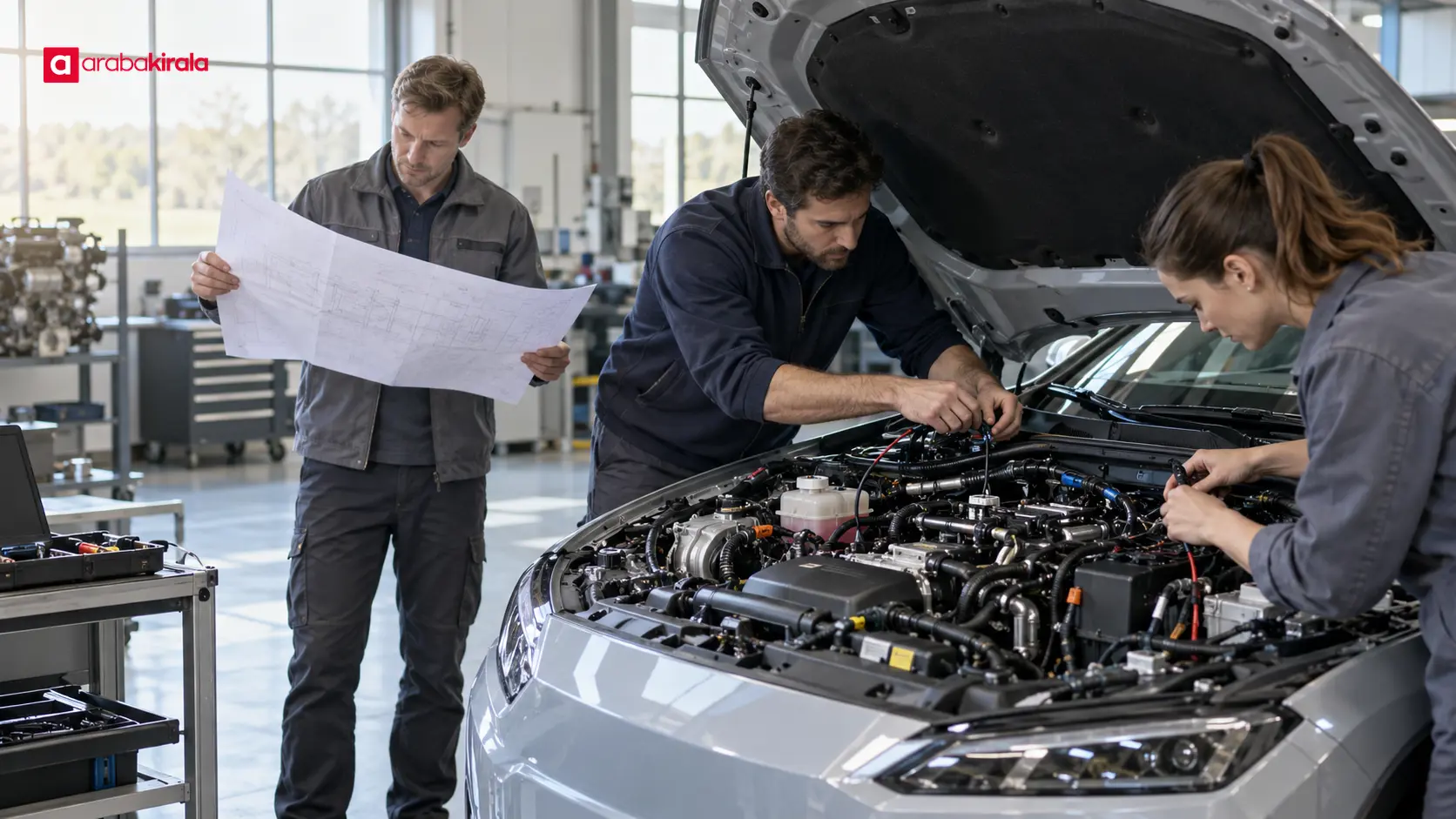
A prototype is a vehicle or subsystem made to examine specific engineering questions. It does not need to include every detail of the eventual production product. Early prototypes may use temporary solutions for the body, powertrain, software or interior. Later examples tend to resemble the production design more closely and allow engineers to assess how systems work together.
This distinction matters because a finding from one prototype does not automatically apply to every version of a vehicle. Engineers record the hardware, software revision, tyres, load and test conditions used. If a result cannot be tied to a design version, measurements from before and after a change cannot be compared reliably.
How does the development cycle proceed?
Set the need and test objective
The team first states the technical question to answer. It may examine how a braking system responds at different temperatures, identify a source of cabin noise, or measure battery temperature behaviour under defined operating conditions. The team then sets a success criterion, measurement method, sample and test boundaries. A measurable question makes results easier to interpret and engineering decisions easier to support.
Examine components and subsystems
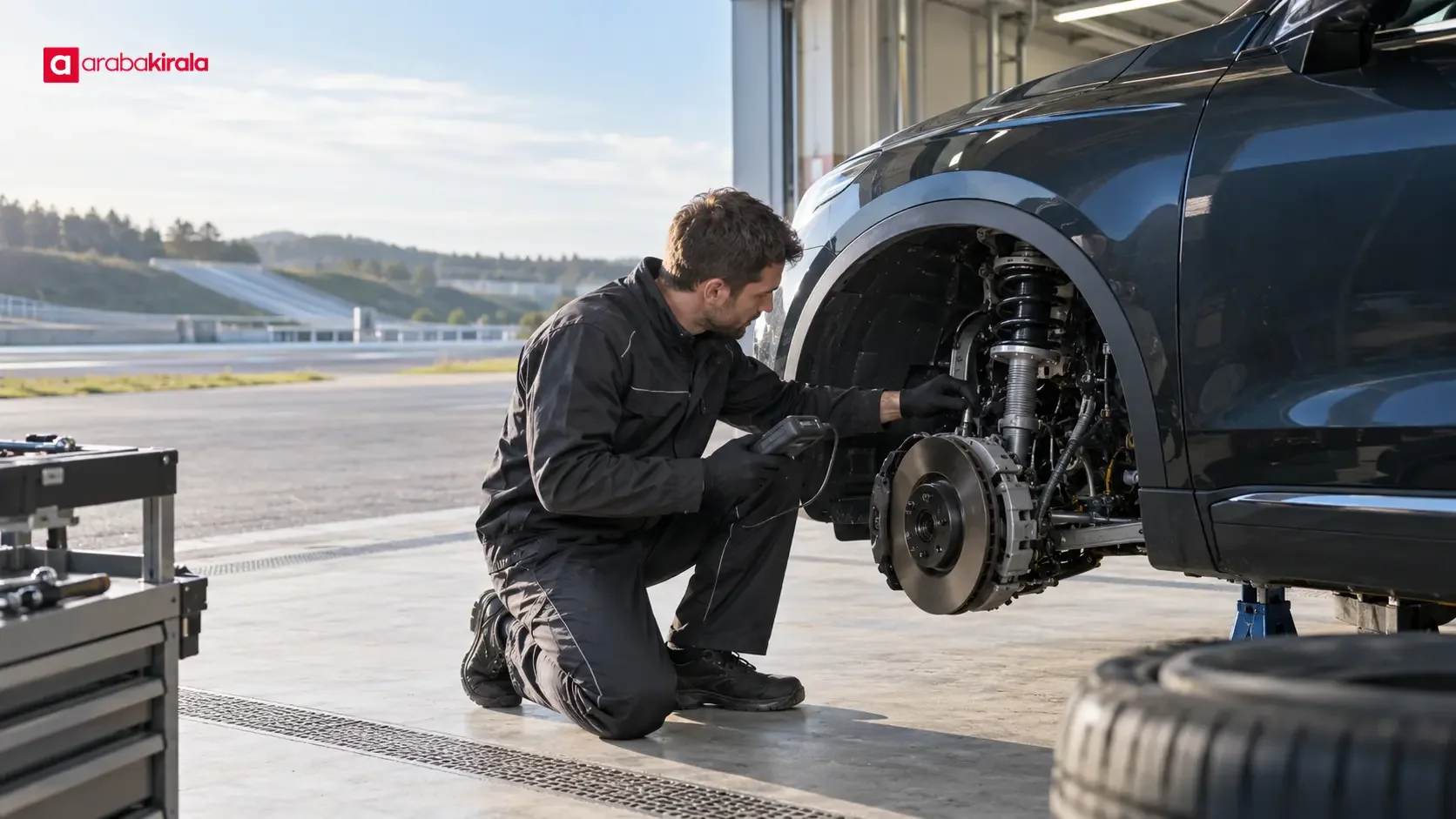
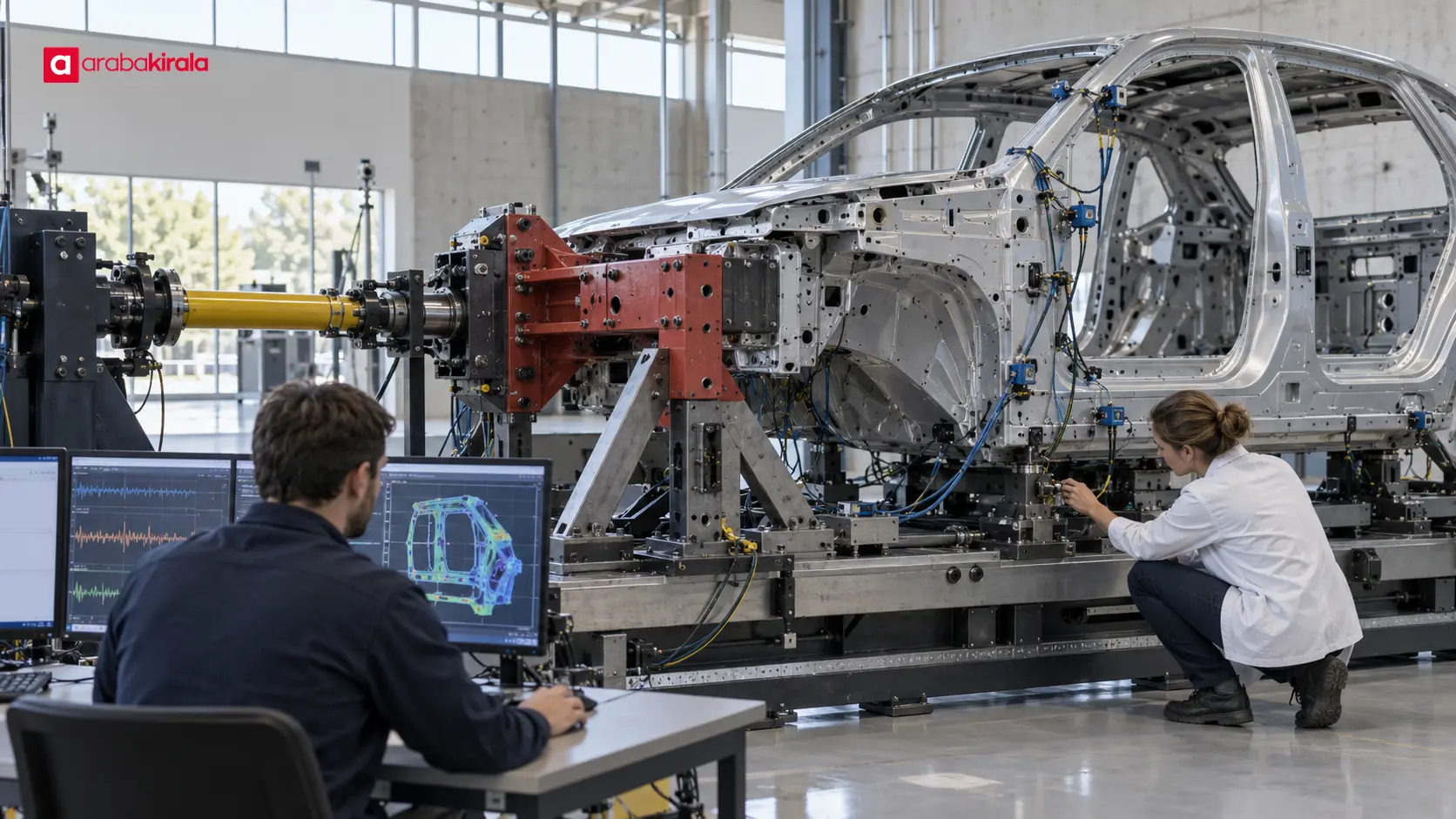
Some parts and subsystems can be tested on a rig before the whole vehicle is assembled. Materials, joints, cooling, electrical behaviour or software functions may be examined in a controlled setup. Component tests help narrow down the source of an issue, but do not reveal every interaction in a complete vehicle. A positive component result therefore does not replace validation of the vehicle as a whole.
Run vehicle-level tests
An assembled prototype can be evaluated on a test track or in another controlled environment. Flat surfaces, varied road textures, slopes, manoeuvres and durability routes may be selected according to the vehicle’s intended use. A public-road drive and a closed-course test do not have the same conditions: traffic, surroundings and safety arrangements affect the test plan. The environment and conditions are therefore recorded.
Feed findings back into the design
Measurements are compared with the targets, and recurring patterns or unexpected values are investigated. The team may change the design, material, software calibration or manufacturing method. Relevant tests are repeated after a change because an improvement in one area can affect another. This iterative work helps reveal issues early and grounds decisions in evidence.
Common types of automotive vehicle tests
Durability and road-load testing
Durability work examines how a vehicle or component responds to repeated use. Controlled routes, laboratory rigs and measurements representing different use profiles may be involved. The aim is not simply to wait for a failure: engineers also study how vibration, temperature, load and operating cycles affect components. Results inform the assessment of design-life targets; they are not a guarantee of a particular service life.
Safety and crash assessment
Safety assessment can cover different aspects of passive and active systems. Crash tests gather measurements related to vehicle structure and occupant protection, while braking or driver-assistance functions are assessed using their own methods. Instrumented dummies, sensors and high-speed imaging can support measurement. The method depends on the requirement being assessed. A result or score should not be generalized without knowing its scope and test protocol.
Comfort, noise and handling
Ride comfort is affected by several factors, including suspension response, seat vibration, steering feel and cabin sound. Engineers may combine sensor readings, driver evaluations and repeatable route conditions. Subjective impressions offer useful clues, but do not replace measurement. Repeating a test under comparable conditions helps establish whether a change had a real effect.
Energy consumption and emissions measurements
Fuel or electricity consumption and exhaust emissions are measurements tied to a vehicle configuration and a test procedure. Laboratory cycles and real-world data serve different purposes; their results are not interchangeable. WLTP is a regulated test procedure for light vehicles defined within UNECE regulations. Standardized measurements of this kind aim to make results comparable under specified conditions; they do not predict every driver’s daily consumption exactly.
Environmental and climate testing
Hot and cold conditions, humidity, water and dust can affect vehicle functions. Climate chambers reproduce selected environmental conditions under control, while field tests help examine use in actual surroundings. The target may involve starting, visibility, battery performance, material behaviour or electronic-system stability. A result depends on being read alongside records such as the temperature range, duration and vehicle configuration.
Why measurement data matters
Testing is more than starting a vehicle and observing it. Suitable sensors can record acceleration, temperature, pressure, vibration, sound, energy flow or software events. Calibration matters because it supports confidence in what a sensor measures. Sensor location, sampling settings and recording time can also affect the outcome, so a test report should describe the method.
Data analysis begins by checking whether readings fall within expected ranges and can be compared. A single outlier may not prove a design defect; measurement error, installation differences or changed conditions may also need investigation. Repeated findings can point to root-cause analysis. Keeping raw data, test notes and the vehicle configuration together lets teams trace how a decision was made.
Development testing versus type approval
Development testing is carried out to improve a design, find risks and understand performance. Type approval is a formal process for assessing whether a defined vehicle type, system or component meets applicable regulatory requirements. Regulations under the UNECE WP.29 framework cover technical requirements in areas such as vehicle safety and the environment, along with approval procedures. Not every test in development is an official approval test; the scope and test provider for formal approval depend on the applicable rule.
When reading a test report, look for the sample version, conditions, method, result and stated limitations. An approval document or result should also be understood only within the vehicle type and regulatory context it covers. This prevents one laboratory measurement from being treated as a claim that applies in every situation.
A practical checklist for understanding a test
- Identify the technical question the test is intended to answer.
- Record the configuration and revision of the vehicle or component under evaluation.
- Find out about the test environment, conditions and measurement method.
- Check which requirement or target the result is compared against.
- Consider measurement uncertainty, repeat count and limitations in the report.
- Clarify which tests need to be repeated after a change.
Frequently asked questions
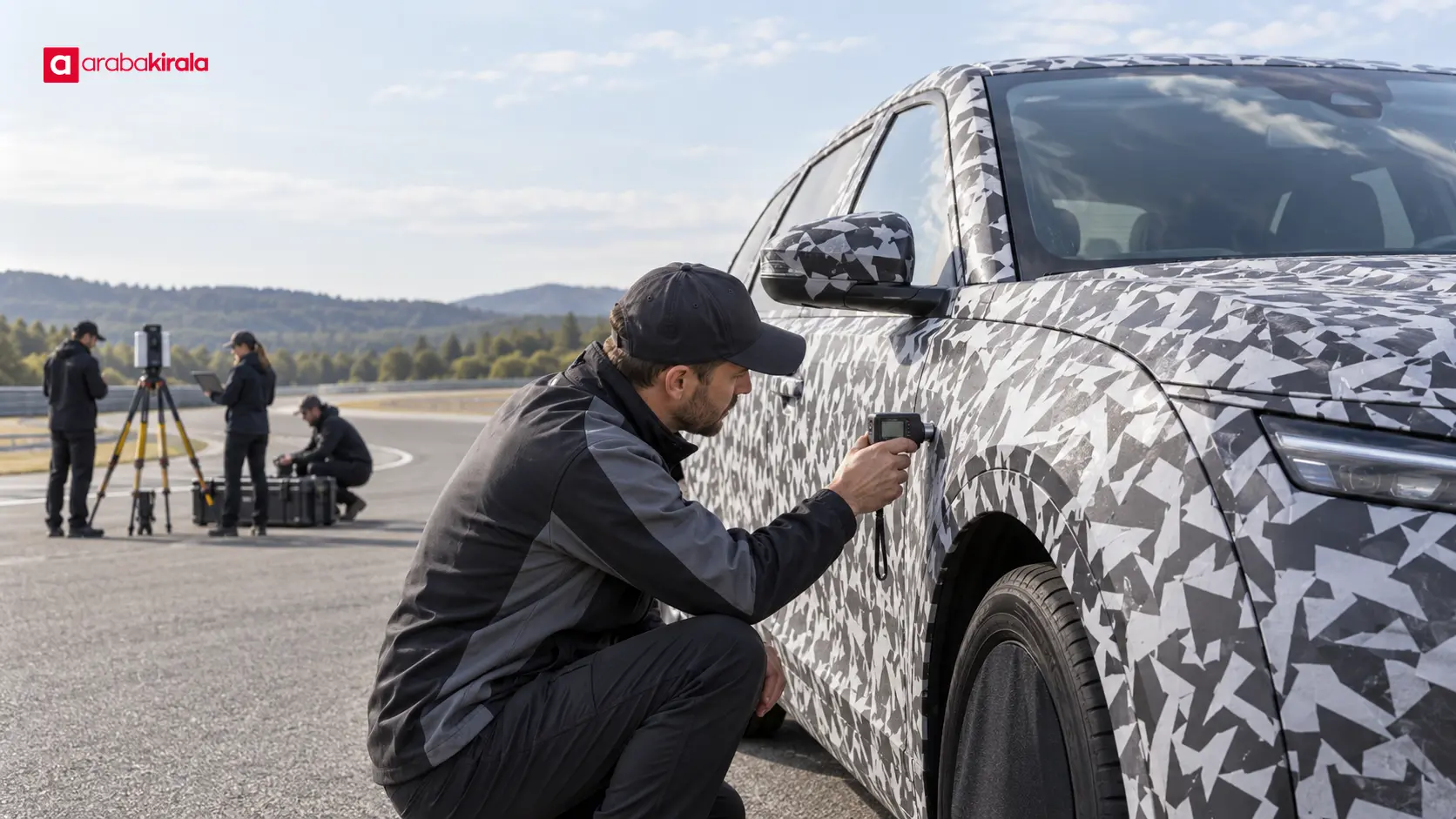
Why are prototype vehicles camouflaged during testing?
Camouflage makes it harder to identify design details in images before a vehicle is introduced. It does not change the technical test; it is used to conceal the prototype’s appearance.
Does a prototype test result transfer directly to the production vehicle?
It can be used appropriately only after considering differences between the tested configuration and production version, and their effect on the measured property. Changes to hardware, software, materials or manufacturing may require further validation.
Is a laboratory test or a road test more meaningful?
They answer different questions. A laboratory test offers controlled, repeatable conditions, while a road test shows how a vehicle behaves across broader use conditions. A sound evaluation uses them in complementary ways to suit its objective.
Does a WLTP result show real-world consumption?
WLTP is a standardized test procedure. Actual consumption can vary with driving style, route, weather, load, vehicle equipment and energy use. The procedure result should therefore be understood in the context of its defined test conditions.
Summary and next step
Automotive vehicle testing is a measurement-based development process that spans prototype design, system validation and conformity assessment. The test type follows the question being asked, and results make sense only with their method, conditions and vehicle revision. When evaluating a vehicle technology or testing claim, look for its scope and measurement context. For a deeper review, consult the manufacturer’s technical documents and applicable official regulations; for everyday use, follow the safety and operating guidance in the vehicle manual.
Legal Disclaimer: All content, articles and information on the Araba Kirala website are provided solely to inform users. No information shared on this website constitutes definitive advice or guidance. Araba Kirala Teknoloji A.Ş. and its authors cannot be held responsible for any direct or indirect damages arising from the application of information on the website. For all questions and requests regarding car rental, please contact the office from which you will rent your vehicle.