Planning Cabin Needs Before a Long Drive with a Beylikdüzü Car Rental
Published: October 6, 2026 • Reading Time: 7 min • Last Updated: October 6, 2026
Plan the cabin and luggage before a long drive: practical guidance on pickup, secure packing, passenger needs, and staying focused on the road.
Contents
- Plan around the kind of journey you are taking
- Keep the driver's view and controls clear
- Include passenger needs in the plan
- Get familiar with the car at pickup
- Arrange luggage safely
- Use a short pre-departure cabin check
- Keep the cabin orderly and attention on the road
- Final preparation for a Beylikdüzü car rental
When arranging a car rental in Beylikdüzü before a long drive, comfort depends on more than the vehicle model. Planning what you will need in the cabin, how luggage will be arranged, what must remain within reach, and when to rest can make the trip calmer and safer. This guide explains how to plan those needs before booking, get familiar with the car at pickup, stow belongings securely, and stay focused on the road.
Plan around the kind of journey you are taking
Before thinking about what fits in the boot, describe the trip. How many people are travelling? How long will you be on the road? Is a child or a passenger who needs mobility support coming along? Will you drive after dark? The answers shape both the amount of luggage and the items that need to be accessible. Large suitcases can usually be packed away, while water, a snack, sunglasses, or a frequently used personal item may need a safe place in the passenger area.
Sort belongings into three groups: items needed during the drive, items for rest stops, and luggage that can stay packed until arrival. This prevents bags from collecting on the front seat and reduces rummaging while the car is moving. Boot space, seat layout, and any child-seat setup can affect which vehicle suits your plans. Before booking, ask the branch you will collect from about the vehicle category and usable space. Do not assume a particular model or feature will be available.
Keep the driver's view and controls clear
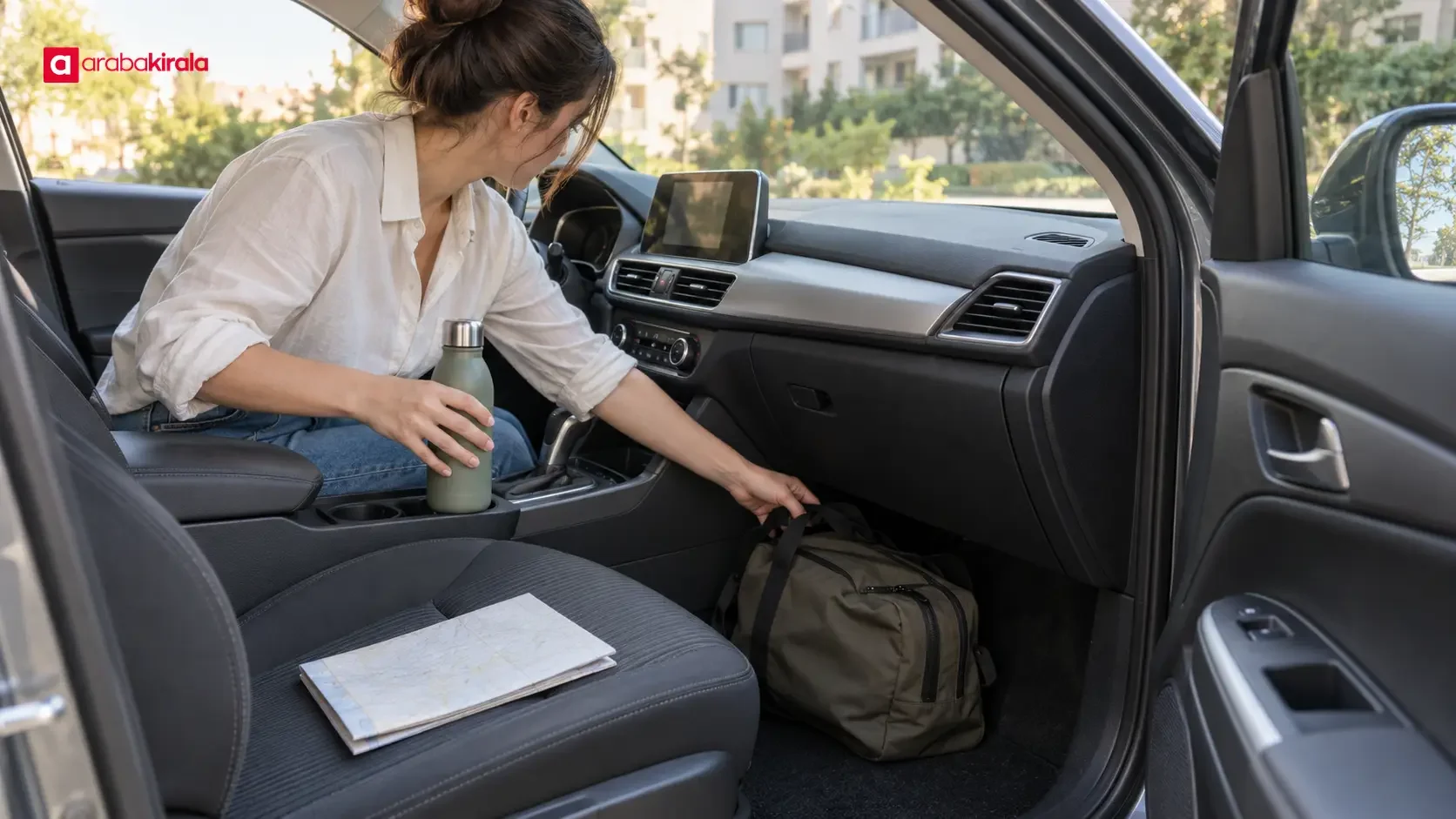
From the driving seat, the windscreen, side mirrors, and rear view should remain unobstructed. Do not place a bulky bag, coat, cushion, or loose item where it blocks a window or the driver's footwell. Items stacked on a rear seat can move forward under hard braking. Put heavy, firm objects in the boot where they can be kept from sliding; keep small cabin items in closed pockets or proper storage compartments. Do not cover controls or airbag areas with objects on the seat or dashboard.
If you use a phone for navigation, set the route before moving and secure the device where it does not block the driver's view. Do not reach for the screen to check notifications or change the map while driving; pull over somewhere safe if an adjustment is needed. Route a charging cable away from the pedals, gear selector, and steering wheel. Knowing where an item is before departure is a small step that can prevent distracting searches later.
Include passenger needs in the plan
If a child is travelling, check in advance that the restraint is suitable for the child and compatible with the vehicle's seats and anchor points. Ask the rental branch about the vehicle setup, and follow the child-seat maker's instructions for fitting it. Keep a child's drink, spare clothes, or quiet activity accessible, but avoid loose toys that can move around the cabin. Allow space in the boot for a stroller or larger care bag so the rear seat does not become extra luggage storage.
For adult passengers, consider seating comfort, legroom, access to climate controls, and where frequently used belongings will go. Personal medication or basic items needed in an emergency should not be buried under all the luggage. Medical needs and medication use are individual matters; follow guidance from your own health professional. Reviewing the cabin layout with the driver before setting off helps reduce unnecessary movement during the trip.
Get familiar with the car at pickup
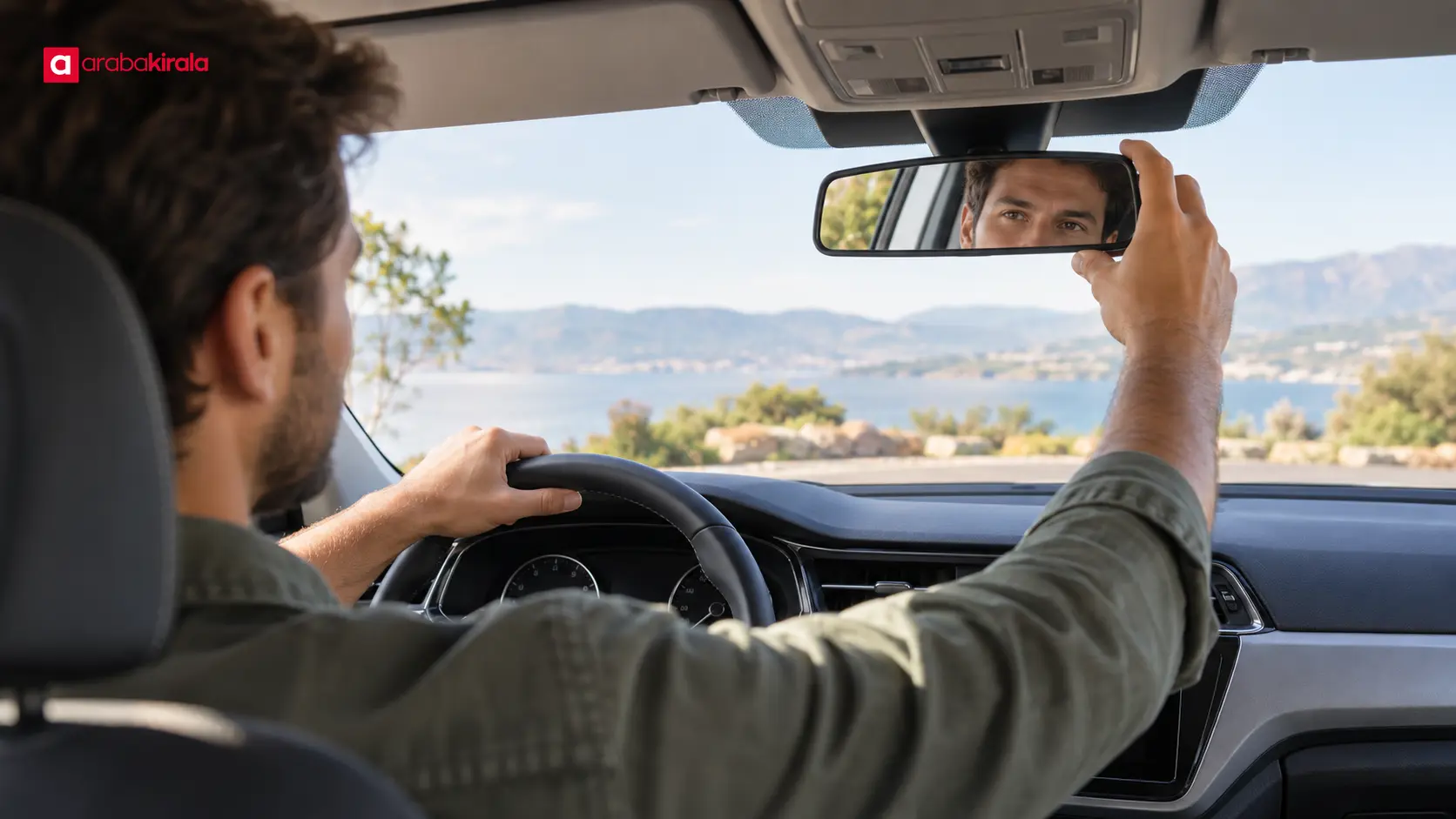
When you first enter a rental car, learn the seat and steering adjustments, mirror positions, headlamp and wiper controls, climate settings, and basic functions such as central locking before driving away. Make only the essential settings before departure instead of spending a long time browsing menus. Ask about the fuel type and any dashboard warning lights you do not recognise; the owner's manual or in-car information may also help. Controls vary by model, so do not assume they are where they were in your last car.
At pickup, review the exterior, windows, and wheels with the staff member and note any existing marks. Comparing the fuel level and odometer with the pickup record helps establish the vehicle's starting condition. Ask what equipment is in the car and how to get assistance if a problem occurs. A spare wheel, tyre repair kit, or other equipment may differ by vehicle; find out what is actually present and ask for a basic explanation of its use. If the car develops a problem, stop somewhere safe and contact the rental branch rather than continuing without guidance.
Arrange luggage safely
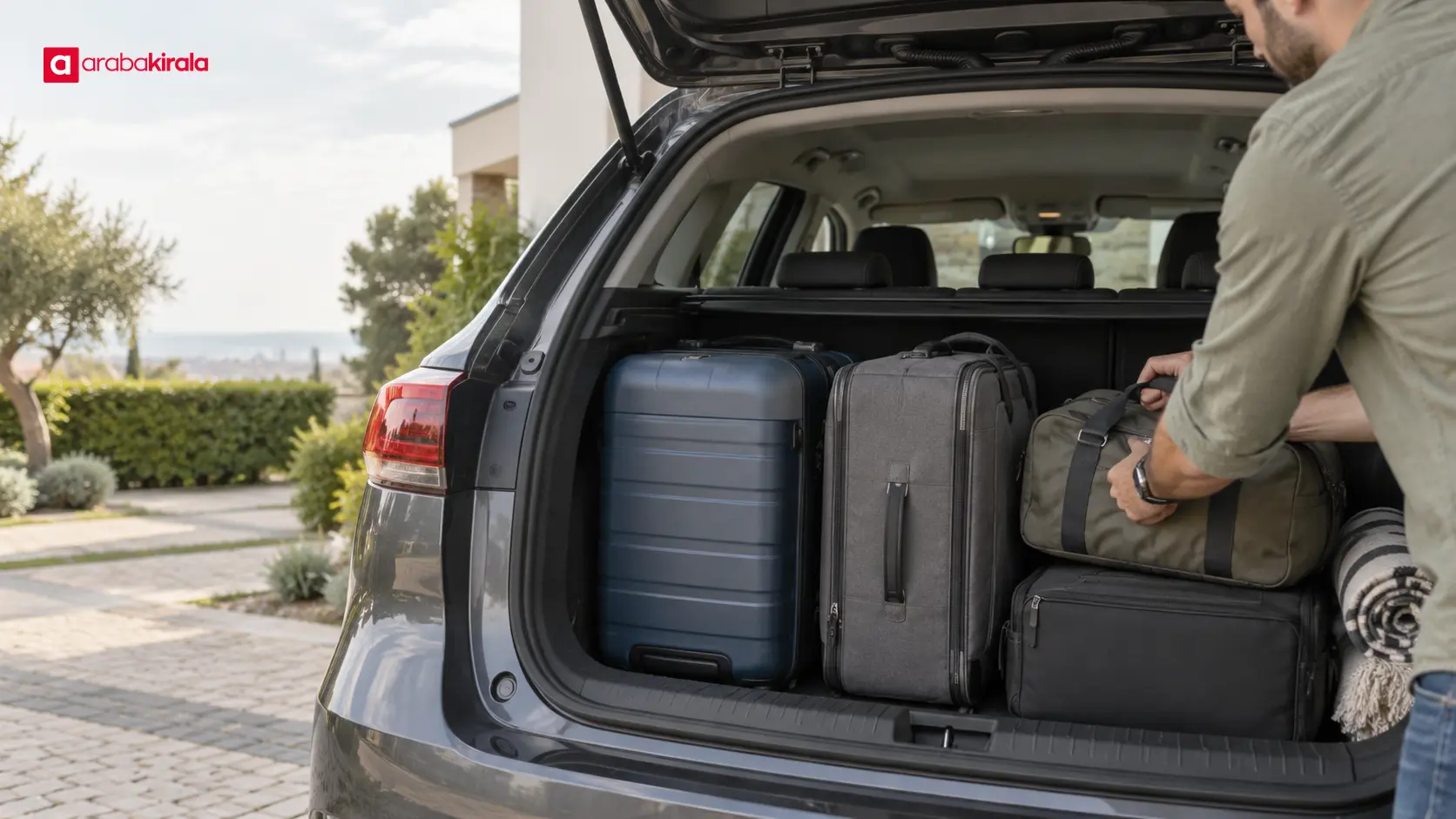
Sort bags by weight and how often you will need them, not just by size. Place heavier items low in the boot and as far forward as practical, leaving lighter bags on top. Do not build a pile that strains the boot lid or can shift while driving. If the car has luggage hooks or storage dividers, check how they are intended to be used and follow the vehicle manual. When the boot is full, check again that the rear window remains clear and nothing loose has been left in the passenger area.
A heavier load can affect how a car responds when braking or changing direction. Do not exceed the seating capacity or the vehicle's stated load capacity; check the vehicle label or manual for the relevant information. Carrying items on the roof or folding seats to create extra room may not suit every vehicle. If you need to transport something that way, confirm the vehicle's features and permitted arrangement with the branch in advance. Do not assume that roof or rear-mounted equipment can be fitted or that it will leave visibility and access unaffected.
Use a short pre-departure cabin check
Before closing the doors, check that the driver and passengers can fasten their seat belts correctly, head restraints are positioned appropriately, and a child seat has been fitted according to its maker's instructions. Clean windows, working wipers, and well-adjusted mirrors support clear vision. The Turkish General Directorate of Highways advises keeping windows, lights, and mirrors clean in its vehicle-use guidance. If a tyre or dashboard display shows an obvious issue, do not attempt an unfamiliar repair; tell the pickup staff and ask what to do before driving.
Plan the route and rest stops before setting off. This reduces the need to handle a screen on unfamiliar roads. Traffic, weather, and road conditions can change, so treat a navigation estimate as guidance rather than a guaranteed travel time. If the driver feels tired, sleepy, or unable to concentrate, take a break and resume only when sufficiently rested. Turkish Ministry of National Education traffic-safety material notes that fatigue can impair attention and response. Decide on breaks according to the road and the driver's condition, rather than relying on a rigid schedule.
Keep the cabin orderly and attention on the road
Clutter can build up over a long trip. At each stop, gather bottles, wrappers, and used items, and keep the driver's area clear. Set the climate and audio at a level the driver can manage without distraction. A passenger can help with navigation or phone settings, but avoid hurried directions or conversations that take the driver's attention away from traffic. Keeping the phone out of hand, making route changes only while stopped, and leaving a safe following distance are useful parts of attentive driving.
If a warning light appears or you notice an unusual sound or smell, stop safely. If you need to leave the vehicle, take care around live traffic and put road safety first. For a breakdown, tyre issue, or lost item, use the support information provided at pickup. Instead of ignoring a warning and continuing for a long distance, report it to the rental branch and ask for the next step. Support arrangements can depend on the branch and reservation, so it is useful to learn the contact method when collecting the car.

Final preparation for a Beylikdüzü car rental
As you search for a Beylikdüzü car rental for a long journey, first work out the passenger count, luggage needs, child-seat requirements, and what must stay within reach. Then ask the branch handling your reservation about usable space, available equipment, pickup arrangements, and roadside support. These questions do not guarantee that a particular feature or service will be provided; they help you plan around the vehicle that is actually assigned.
Before setting off, look at the cabin from the driver's seat: is the view clear, are the controls understood, are loose belongings secure, is the phone mounted safely, and can everyone buckle up? A simple check and a realistic luggage plan can make a long drive starting in Beylikdüzü more organised. Review the relevant ArabaKirala Beylikdüzü location information as part of your booking, and direct vehicle-specific questions to the branch where you will collect the car.
Legal Disclaimer: All content, articles and information on the Araba Kirala website are provided solely to inform users. No information shared on this website constitutes definitive advice or guidance. Araba Kirala Teknoloji A.Ş. and its authors cannot be held responsible for any direct or indirect damages arising from the application of information on the website. For all questions and requests regarding car rental, please contact the office from which you will rent your vehicle.