Planning Luggage and Visibility When Renting a Car in Beylikdüzü
Published: October 7, 2026 • Reading Time: 7 min • Last Updated: October 7, 2026
Learn how to estimate luggage needs, arrange cargo safely and check the driver’s view before setting off with a rental car in Beylikdüzü. Practical guidance for choosing a suitable vehicle, loading thoughtfully and checking mirrors and windows at pickup.
Contents
- Estimate luggage from the actual trip
- Boot capacity and usable space are different
- Arrange and secure the load
- Check visibility before moving
- Reassess the load for city and longer journeys
- A practical pickup checklist
- Frequently asked questions
- Does boot volume tell me exactly how many suitcases will fit?
- Are the exterior mirrors enough if luggage partly covers the rear window?
- Can I put bags on the back seat?
- Can I fold the rear seats to fit more luggage?
- One final step before setting off
When arranging a car rental in Beylikdüzü, think beyond the number of passengers. The size and shape of your luggage affect what vehicle will work, how the load should be arranged and whether the driver can see clearly. This guide explains how to estimate your space needs, load items so they are less likely to shift, and check the view from the driver’s seat before leaving. The aim is a comfortable passenger area and a clear, usable field of vision.
Estimate luggage from the actual trip
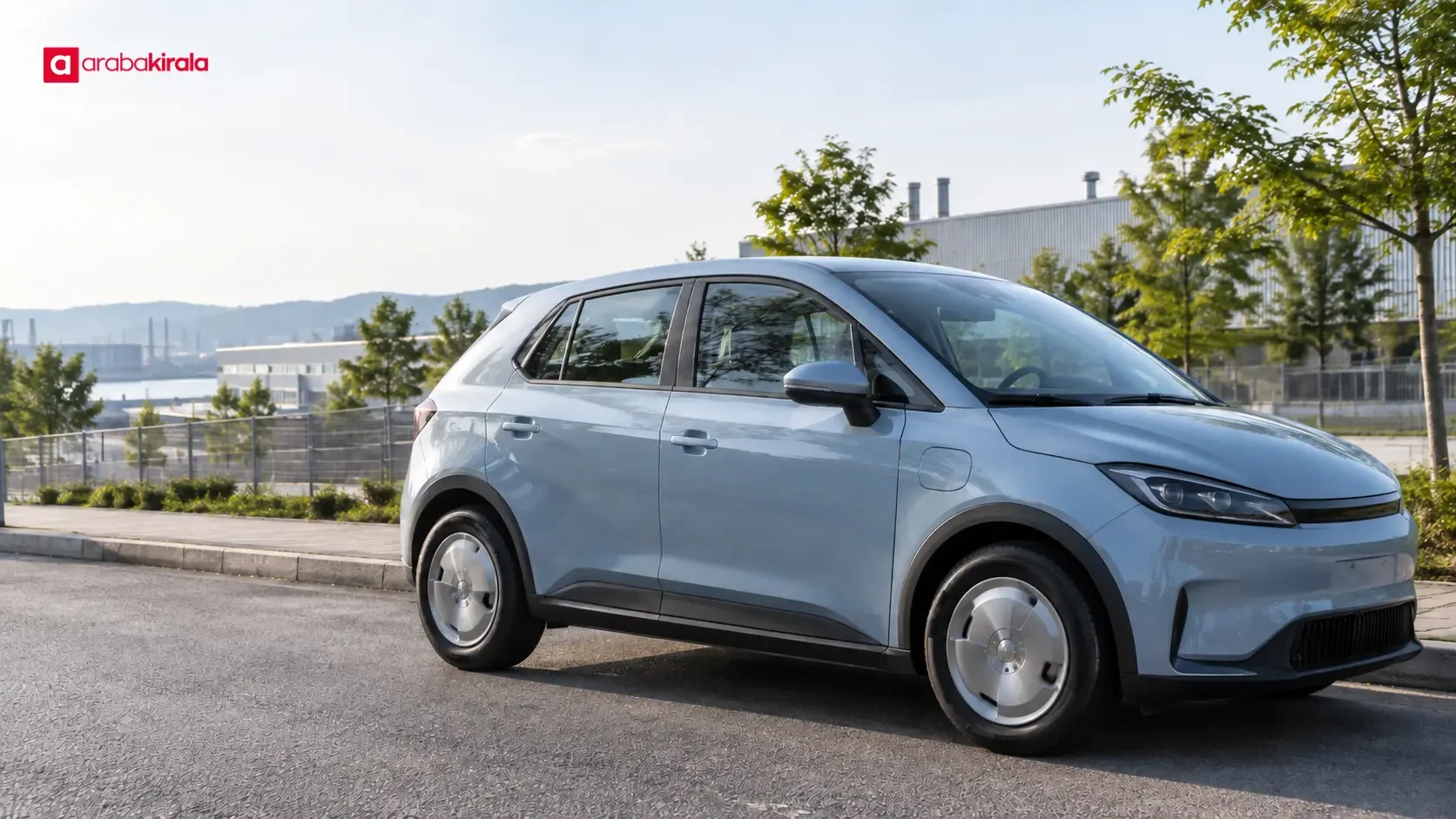
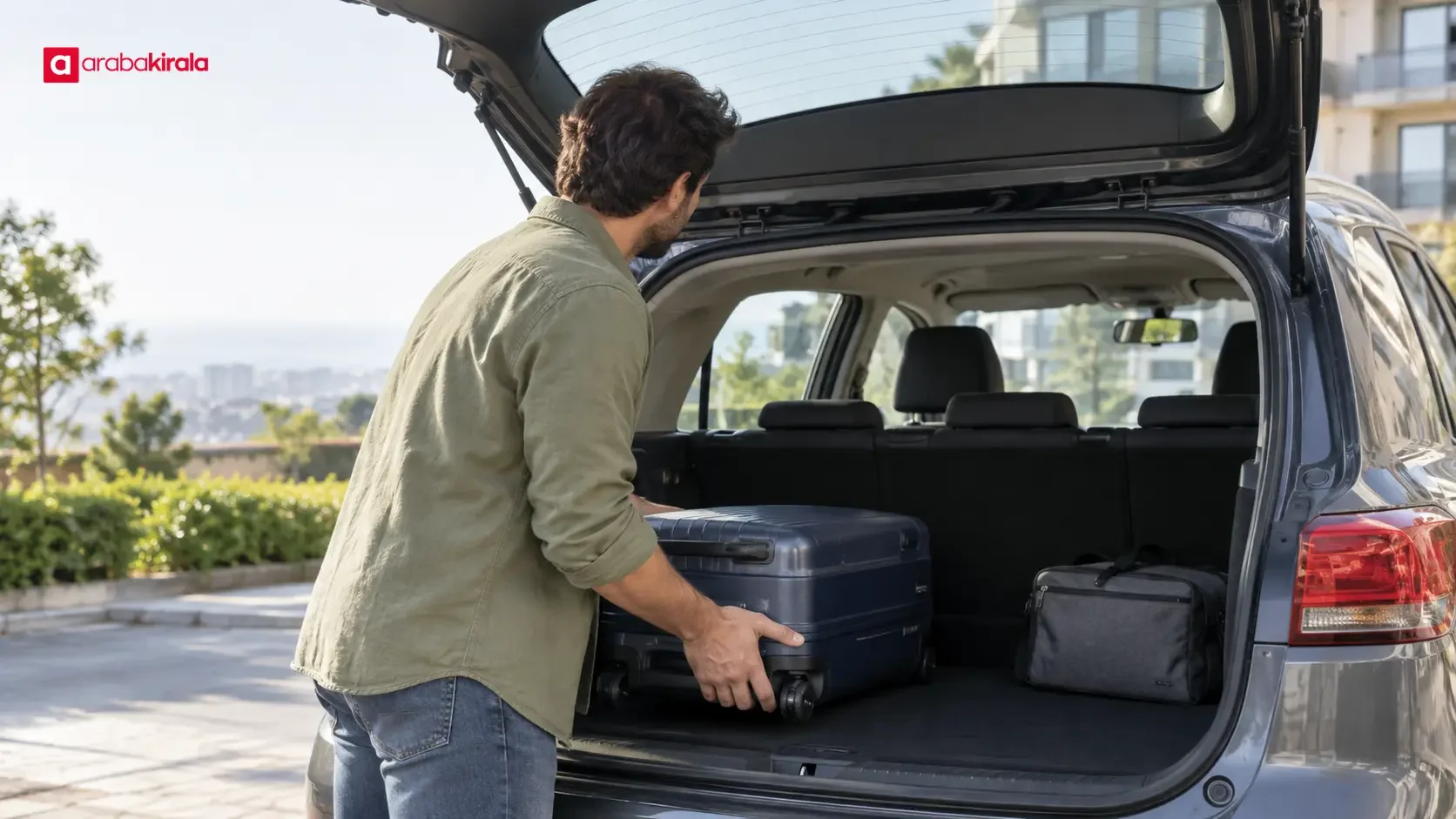
There is no universal answer to “How many suitcases will fit?” A suitcase’s outer dimensions, hard or soft shell, wheels, contents and the presence of day bags all affect the space it uses. A manufacturer’s stated boot capacity is a useful reference, but it does not guarantee that every suitcase will fit through the opening or leave the rear window clear. Shape matters as much as the headline capacity.
Before making a reservation, list the passengers and separate the larger cases from cabin bags and bulky items such as a stroller or sports equipment. Measure the largest pieces if you can. Sharing those approximate dimensions when discussing vehicle options helps match the vehicle class to the real load, rather than relying on passenger count alone. The height of the loading lip and the direction the boot lid opens can also affect how easy it is to handle frequent items.
Body style and vehicle class can give a broad sense of the boot layout, but usable space differs from one model to another. If you are carrying unusually large or awkward equipment, ask the branch you plan to rent from whether a suitable vehicle is available and describe the item’s dimensions. Do this before pickup: trying to solve a space problem by placing loose objects among passengers is not a safe substitute.
Boot capacity and usable space are different
A boot-volume figure describes capacity measured in a standard way. In practice, the opening, sloping boot lid, wheel housings and other contours determine whether a particular case will fit. A large suitcase may not pass through the opening even when the listed volume sounds adequate. Assess capacity alongside the real dimensions and shape of your belongings.
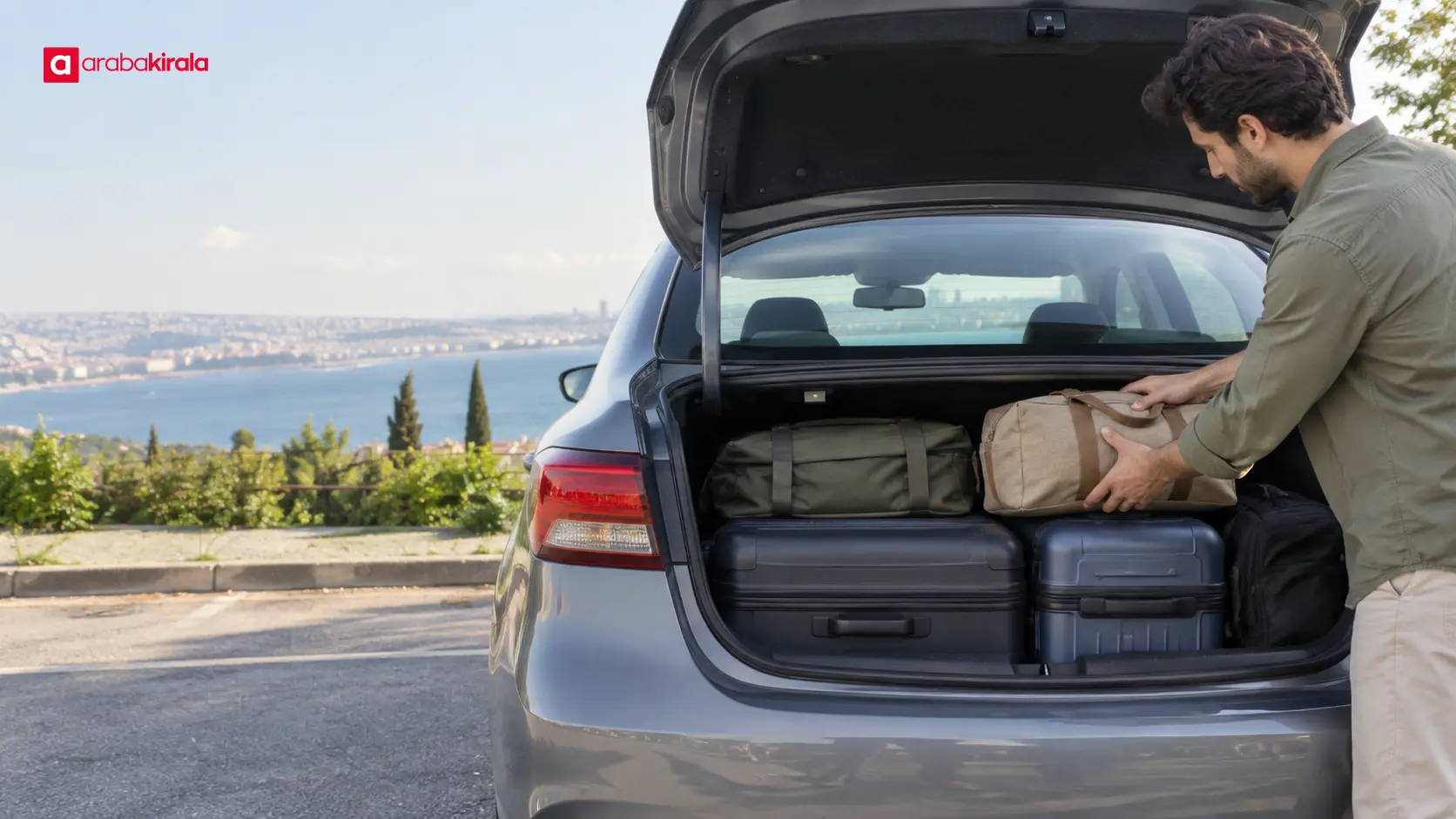
Soft bags can sometimes fit into gaps more readily, but they still need to be arranged so they cannot shift. Heavy or rigid cases can provide a stable base when placed properly; stacked high or left loose, they may become hazardous during braking or a turn. Do not force the boot lid shut against an overpacked load. If the lid does not close and latch normally, or the items move around, rearrange the load or discuss a more suitable vehicle with the branch.
Arrange and secure the load
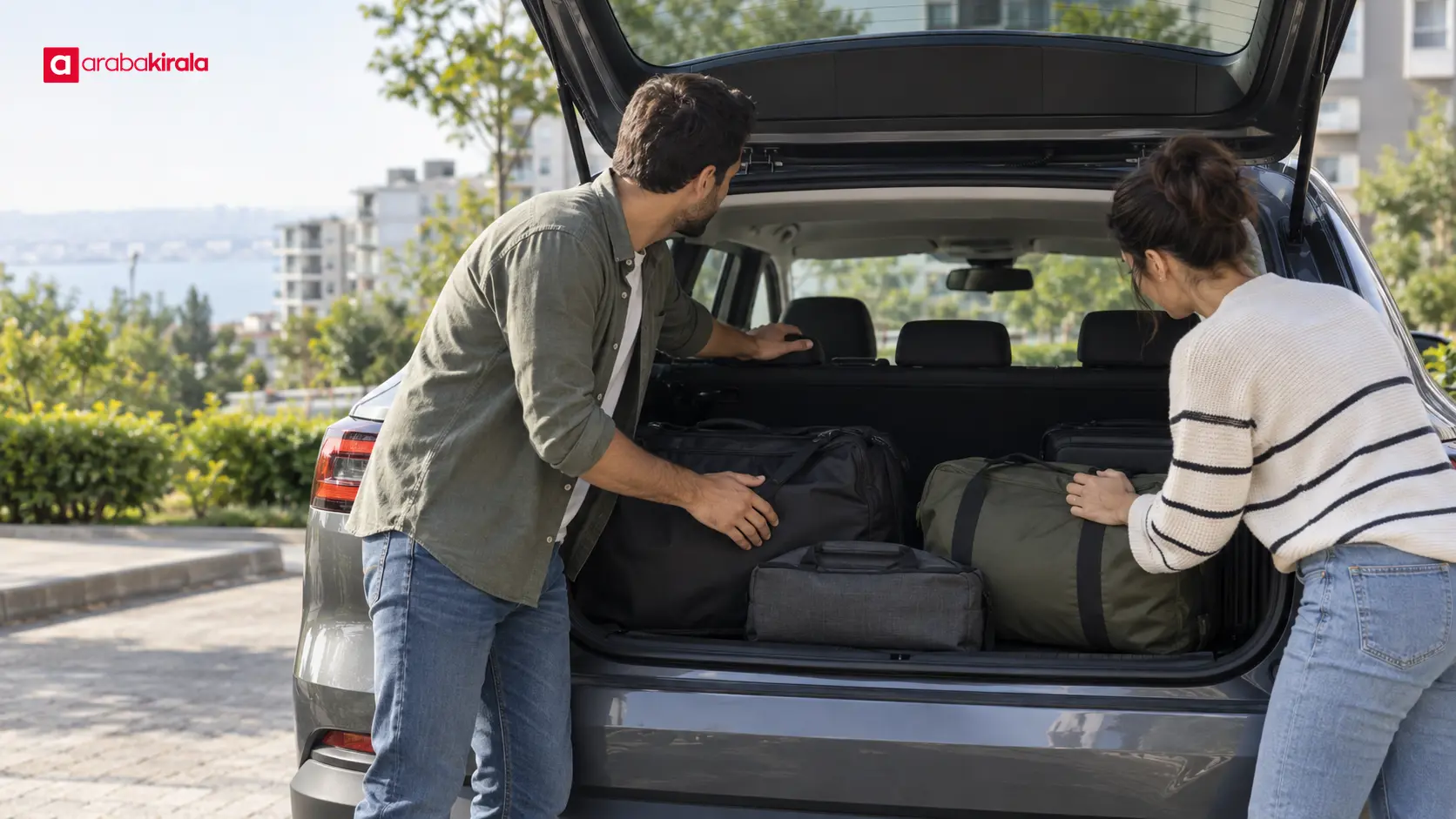
Start with a flat, even arrangement on the boot floor. Keep heavier cases low and, where practical, near the vehicle’s centre line. Place lighter bags above them so they rest securely. Avoid concentrating the load on one side or building a tall stack. Make sure the bags cannot slide into open spaces when the vehicle accelerates, corners or brakes.
If the vehicle has a luggage net, tie-down points or other cargo restraint, use it only as intended and do not assume the equipment is present. Ask the branch which restraint points or accessories, if any, are available for that vehicle and how to use them. Do not improvise by tying luggage to doors, seatbacks or unrelated interior fittings. If a heavy or rigid item cannot be secured, find another way to transport it before driving.
Loose belongings on seats, between seats or in the footwell can slide and distract the driver. Keep passenger seating, seat belts and access to doors clear. Once everyone is seated, check that belts can be fastened comfortably and that no object is free to move around the cabin.
Check visibility before moving
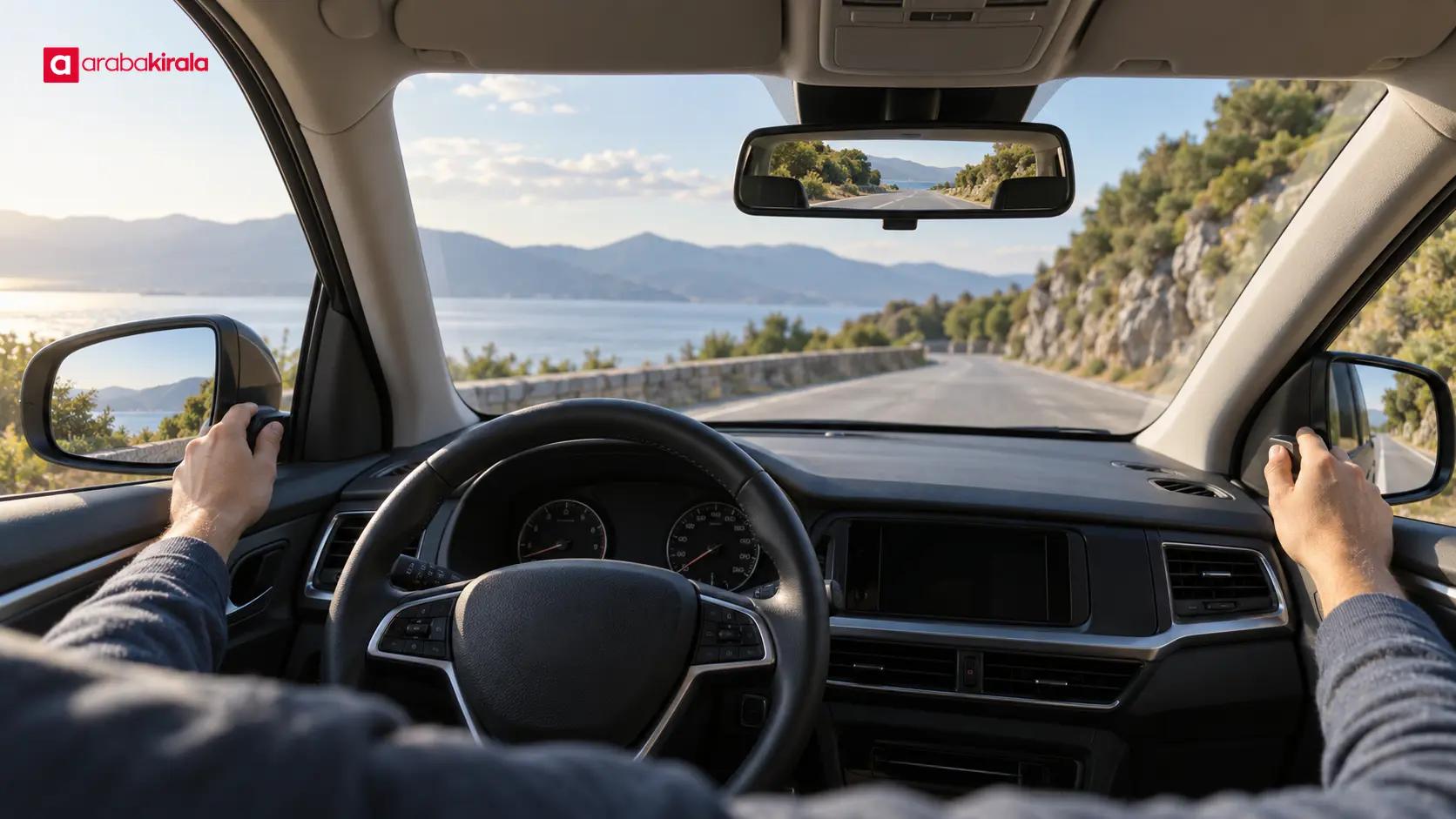
After loading, sit in the driver’s seat and check what you can see through the windscreen, side windows, exterior mirrors and interior rear-view mirror. Luggage that covers much of the rear window can restrict what the interior mirror shows. Rearrange items so they remain below the line of sight where possible; if that cannot be done, ask about a more suitable body style or luggage solution. Do not leave an obstructed view to be dealt with after you start driving.
Adjust the mirrors from a comfortable driving position. Set the seat and steering wheel so you can reach the pedals safely, then make sure the exterior mirrors show the sides of the vehicle and nearby traffic lanes. The interior mirror should provide as clear a view through the rear window as the load allows. Do not assume that exterior mirrors make any rear-window obstruction irrelevant: they show different areas and do not remove every blind spot.
A reversing camera or parking sensors may assist with manoeuvring, but do not assume they will be fitted or that they compensate fully for restricted visibility. They are not a replacement for mirrors and direct observation. At pickup, ask which equipment is available and learn its basic operation; first correct any luggage arrangement that blocks your view.
Reassess the load for city and longer journeys
Driving around Beylikdüzü can involve frequent stops, turns and parking manoeuvres. A shifting bag can distract the driver at precisely the wrong moment. For a longer drive out of the district, take extra care to check that the load is stable, passengers have room and the windows remain clear. If you add items after the initial loading, repeat the checks: the arrangement that worked before may no longer do so.
The vehicle’s load capacity matters too. If the vehicle has load information or manufacturer guidance, consult the vehicle manual; ask the branch if anything is unclear. Overfilling the car is not a good way to save space. Reducing the amount of luggage, choosing another transport solution or asking about a vehicle that better suits the load is safer. If considering roof transport, first confirm that the vehicle is designed for the equipment and load, and understand the correct fitting method. Do not start loading a roof rack without that information.
A practical pickup checklist
- Measure the bulky items: Note approximate dimensions for the largest cases, stroller or sports equipment.
- Choose for the load as well as the passengers: Include luggage details in your reservation discussion and ask the rental branch about suitability.
- Load evenly: Put heavy pieces low, keep lighter ones above them and never force the boot lid shut.
- Prevent movement: Check that the load will not shift under braking or cornering, enter the cabin or take up passenger space.
- Test the view: From the driver’s seat, check the front, side and rear view and adjust all mirrors.
- Finish before driving: Reposition anything that blocks visibility or moves when nudged.
Frequently asked questions
Does boot volume tell me exactly how many suitcases will fit?
No. Volume is a capacity measure, while suitcase dimensions, shape, the boot opening and the space needed to preserve rear visibility all affect the result. Share the measurements of large items with the branch when asking about vehicle suitability.
Are the exterior mirrors enough if luggage partly covers the rear window?
Do not treat that as a universal rule. Exterior mirrors show different areas from the interior mirror and cannot provide the same view. Rearrange the load to preserve visibility and adjust each mirror from the driver’s seat.
Can I put bags on the back seat?
A bag can move during braking or a turn even if no passenger is using that seat. Prefer a secure arrangement in the boot. If an item has to travel in the cabin, make sure it does not block the driver’s view, interfere with passengers’ belts or seating, or have room to slide.
Can I fold the rear seats to fit more luggage?
That depends on the vehicle layout and passenger needs. Folding seats may add cargo space but change the seating capacity and the barrier between luggage and the cabin. Consult the vehicle manual, keep required passenger seats and belts usable, and secure the load. Ask the branch about the specific vehicle.
One final step before setting off
Plan your Beylikdüzü car rental luggage around the passenger count and approximate case dimensions. At pickup, place heavier items low and evenly, secure loose belongings, then sit in the driver’s seat and check the windows and mirrors. If you are carrying a bulky or unusual item, contact the rental branch before booking to confirm which vehicle can accommodate it. A brief check helps keep luggage out of passengers’ space and protects the driver’s view.
Legal Disclaimer: All content, articles and information on the Araba Kirala website are provided solely to inform users. No information shared on this website constitutes definitive advice or guidance. Araba Kirala Teknoloji A.Ş. and its authors cannot be held responsible for any direct or indirect damages arising from the application of information on the website. For all questions and requests regarding car rental, please contact the office from which you will rent your vehicle.