
A Burdur Archaeological Sites Road Trip: Sagalassos and Kibyra
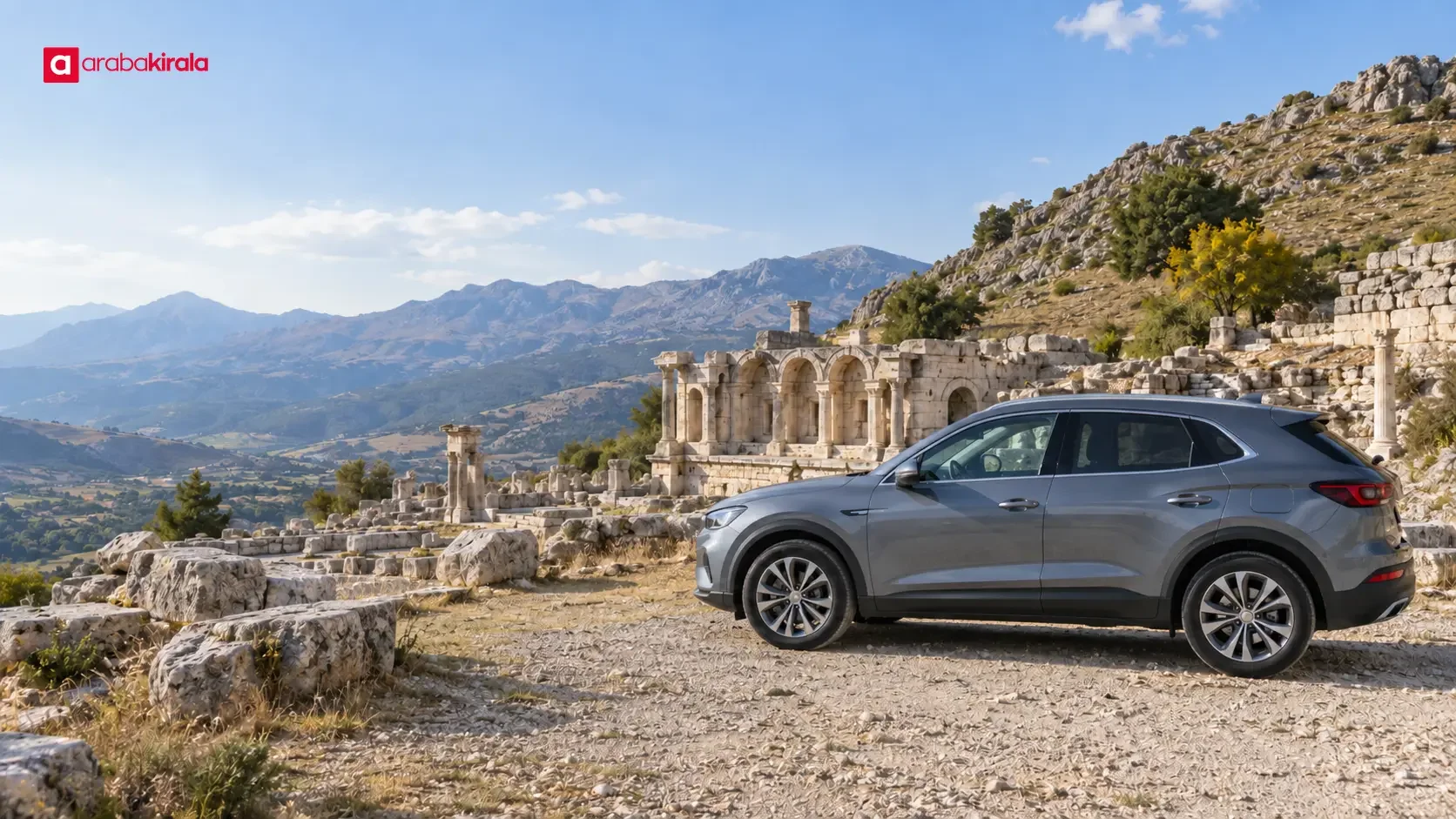
A Burdur archaeological sites road trip can bring Sagalassos and Kibyra together in one substantial day or a more relaxed overnight visit. The route links a high, terraced ancient city above Ağlasun with the broad archaeological site near Gölhisar. Planning the trip well means accounting for more than the distance on a map: opening hours, rural roads, walking time, weather, and driver fatigue all shape what is realistic. Build in flexibility so that the visit is about understanding the sites rather than rushing between them.
What to expect at Sagalassos and Kibyra
Sagalassos lies in the mountainous landscape above Ağlasun. Its remains extend across terraces, with views over the surrounding heights. Visitors move between structures along sloping paths and historic stone routes, so comfortable shoes and a steady pace make a difference. The elevation and exposed setting can feel different from a town walk, especially when temperatures shift or the sun is strong. Allow time to pause and take in the setting as well as the architecture.
Kibyra is near Gölhisar and covers a large area. Its stadium, odeon, and other public building remains offer useful points for understanding the city’s civic life and architecture. The remains are spread across the site, so a visit usually involves walking beyond a single monument. The contrast between Sagalassos’s steep, terraced terrain and Kibyra’s broad layout affects how much energy and time to reserve for each stop.
Choose a route and visit order
The drive between the two sites follows roads through Burdur’s districts and rural areas. The best order depends on where you are staying, when you can leave, daylight, road conditions, and the current visiting hours at each site. Before setting out, check official museum or cultural heritage channels for current opening information. Seasonal schedules, maintenance, and weather may affect access, so avoid relying on an old travel post as a definitive itinerary.
If you plan to see both sites on the same day, an early first visit can leave more room for walking and breaks later. Consider sun exposure, the limited shade that can be typical of open archaeological areas, and the driver’s energy after the road section. Leave buffer time for meals and unexpected delays instead of assigning every stop a fixed minute count. If one site matters more to you, place it during the part of the day when you are most alert.
If your trip starts somewhere other than central Burdur, calculate the route from your actual starting point. Mapping apps offer a useful estimate, but they may not reflect narrow or winding sections, roadworks, or the stops you will need. Review the main route before departure, follow road signs, and do not automatically take every small shortcut suggested by navigation. Downloading an offline map can help in areas where mobile coverage is limited.
Prepare the vehicle and the drive
Before a rural or mountainous drive, check the vehicle’s fuel or charge level, the visible condition of the tires, and any dashboard warnings. These simple observations do not replace maintenance or diagnose a fault; they can help you notice an obvious concern before leaving. If a warning light is on or the vehicle behaves unusually, contact the rental branch or its designated support channel before continuing.
When renting a car, ask the branch you will rent from about vehicle-use details relevant to your route, both during booking and at pickup. Fuel arrangements, mileage terms, roadside assistance, required equipment, and pickup or return procedures can depend on the rental agreement. Check the documents you are given rather than relying on assumptions. If you are unsure whether a particular road is suitable for the vehicle category, ask the branch before the trip.
Pack luggage so it does not block the driver’s view or move around the cabin during sudden braking. Set navigation before moving, or pull over safely before changing the route. The driver should be rested and everyone should be seated securely. On a longer drive, stopping at a suitable safe place when fatigue appears matters more than keeping to a timetable.
Walk the sites safely and comfortably
Prepare for outdoor walking at both sites with water, weather-appropriate layers, sun protection, and shoes with a stable grip. At Sagalassos, the higher and sloped terrain can make the weather feel changeable. At Kibyra, the site’s breadth can add walking distance. Take breaks according to your own needs, and check current accessibility information in advance if step-free access or shorter routes are important to you.
Move carefully on ancient stone surfaces and steps. Do not climb fragile remains, shift stones, or leave open visitor routes. These practices help protect both visitors and the archaeological fabric. When taking photographs, watch your footing, nearby edges, and other visitors. If a section is closed temporarily, follow the site’s signs and barriers rather than crossing them.
Before visiting, verify the entrance arrangements, ticket and payment information, hours, and any temporary access notices through official sources. Such details may change. Families can consider the length of the walks and opportunities to rest outdoors; photographers may want to arrange stops around daylight. A little preparation helps make the visit work for different interests without assuming that every facility or route will be available.
Adapt a sample day to your trip
Leaving your accommodation in the morning may make it easier to see the first site during cooler, quieter hours. A meal break and the drive to the second site can follow. This order is not ideal for every journey: your starting point, current hours, weather, and roads all matter. Staying nearby, giving a longer walk more time, or visiting one site on a separate day are also sensible choices.
Rather than basing meal stops on an assumed business or service, review the route and choose options that suit your needs. Bring water and personal essentials before entering rural stretches, where it is unwise to assume every service will be close by. If arrival might be near closing time, check the current hours and change the order or spread the visits across two days.
Frequently asked questions
Can I visit Sagalassos and Kibyra in one day?
It depends on your starting point, current visiting hours, road conditions, and how long you want to spend walking at each site. A same-day plan may work, but account for the visits, breaks, and driving, not just the estimated road time. Keep the schedule flexible.
Which site should I visit first?
There is no order that suits every trip. Your accommodation, morning road conditions, and preferred visit length are the main factors. Put the walk that requires more energy at a time when you are likely to feel fresh, and check official hours before deciding.
What should I bring?
Check the route and opening information, and bring walking shoes, water, weather-appropriate clothing, and sun protection. If you are driving a rental, ask the branch you are renting from about agreement-specific details such as roadside assistance, mileage, and fuel arrangements.
When should I change the itinerary?
Severe weather, roadworks, fatigue, changed opening hours, or a temporary site restriction are all reasons to reassess. Prioritize safe driving and official site directions. Shortening the visit or returning another day can be more practical than trying to fit everything into a rushed schedule.
Legal Disclaimer: All content, articles and information on the Araba Kirala website are provided solely to inform users. No information shared on this website constitutes definitive advice or guidance. Araba Kirala Teknoloji A.Ş. and its authors cannot be held responsible for any direct or indirect damages arising from the application of information on the website. For all questions and requests regarding car rental, please contact the office from which you will rent your vehicle.