Planning Parking and Walking Routes for Bursa’s Historic Districts
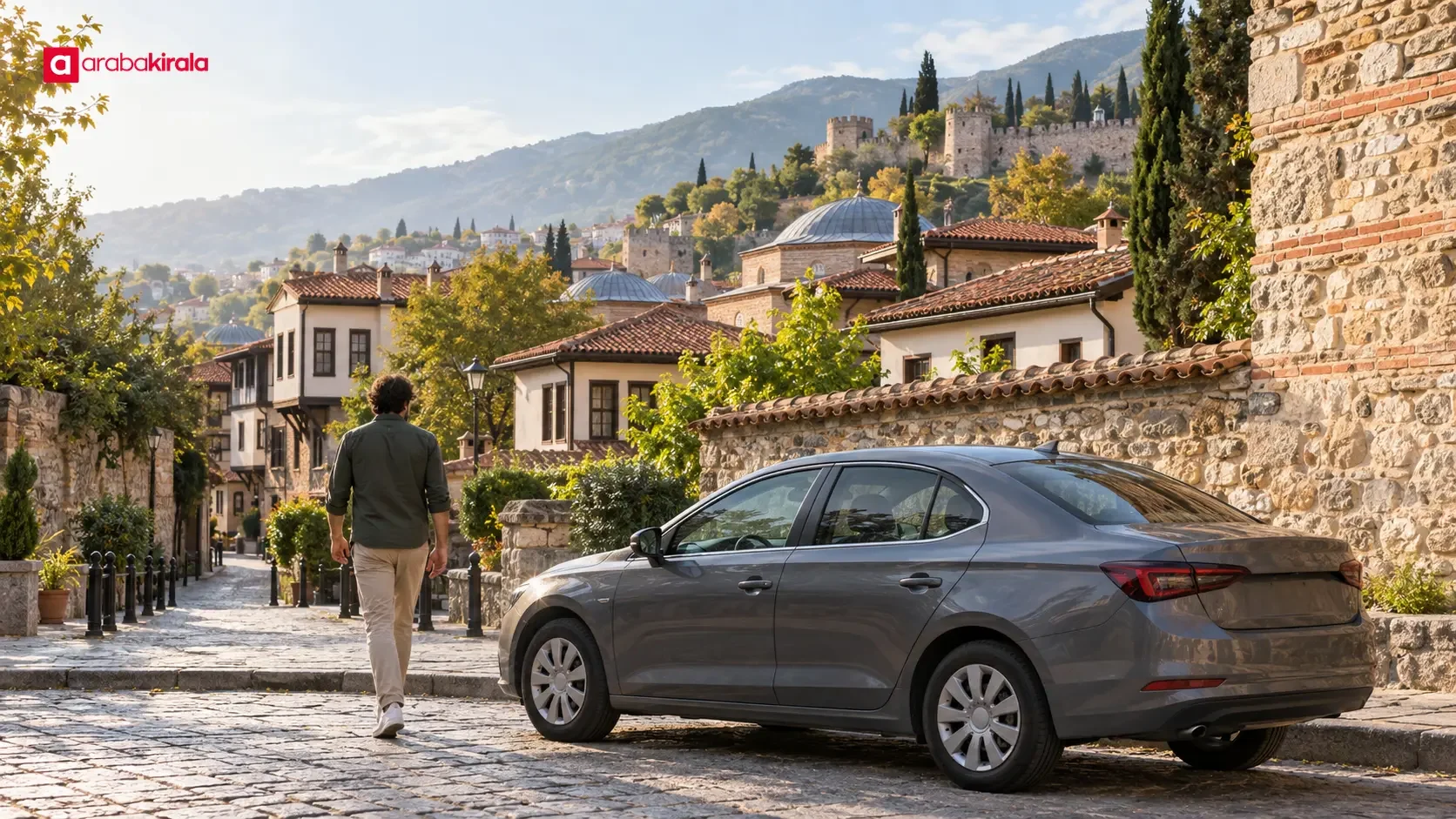
A Bursa historic places car trip works best when you plan where to leave the vehicle and how to continue on foot. Driving does not mean reaching the entrance of every landmark. Historic streets, bazaars, squares, and religious sites can sit close together while having different access, traffic, and pedestrian conditions. Grouping nearby stops, choosing a suitable parking point, and checking the final walking route can reduce unnecessary driving and make the day easier to follow.
What a car-based visit to historic Bursa involves
A car can help with longer transfers across the city, while walking may be the practical way to explore a compact historic area. Once parked, you can visit nearby sights without repeatedly navigating narrow streets or searching for another space. This is a planning approach, not a promise that every stop will be accessible from the same parking location. The best arrangement depends on your itinerary, mobility needs, current road access, and parking availability.
Do not rely on distance alone when building the route. Two locations may appear close on a map but be separated by a slope, steps, a crowded crossing, or a street that is not open to vehicles. Check both driving directions and walking directions. Treat the map as a planning aid rather than a guarantee: temporary diversions, event activity, and pedestrian density may not be reflected accurately. On arrival, follow current signs, barriers, and instructions from local authorities.
Group sights into nearby areas
Mark the places you want to visit, then arrange them into groups based on their surroundings. Choose a parking point for each group and decide where the walking portion starts and ends. This can prevent repeated short drives between nearby places. It also helps you see whether the day includes a long walk, a change in elevation, or a return to the same point to collect the car.
Set priorities before adding optional stops. A schedule with too many distant locations can leave little time to explore the streets between them. Allow room for finding a legal parking space, walking from the lot, taking breaks, and returning to the vehicle. These are practical planning considerations rather than fixed time estimates; the pace will vary with crowds, weather, and individual needs.
Plan the walking section, too
Use a walking route that makes the return point clear. If several sights are close together, a loop may be more convenient than retracing the same streets, where the available pedestrian routes allow it. Save the parking location in your map app or note a nearby recognizable landmark. For a group that includes children, older visitors, or people with limited mobility, check slopes, stairs, crossing points, and places to pause. A short mapped distance can still require substantial effort.
How to choose parking
Look beyond which space appears closest. Check whether parking is permitted, whether the entrance and exit suit your route, and whether the walk from the space is manageable. Follow posted restrictions for curbside and short-term parking. Keep sidewalks, pedestrian crossings, building entrances, and emergency access clear. After parking, confirm the location in your phone or note a visible reference point so you can find the vehicle later.
Parking hours, capacity, fees, and access arrangements can vary by location and change over time. Check current information from the municipality or the parking operator before the visit, and read the signs at the entrance. If you cannot confirm a detail, do not assume that a space is open or that a particular fee applies. Identifying a backup location can also help: if your first choice is full, you can move on instead of circling through the historic area.
Driving near pedestrian areas
Do not assume that a pedestrian-priority street or restricted zone allows vehicle access. Check signs at the entrances, any time limits, and current official notices. If access is not clearly permitted, leave the vehicle at an appropriate legal location and continue on foot. Local restrictions and temporary arrangements can differ, so consult relevant official updates close to the travel date.
Where vehicles are permitted in a busy pedestrian setting, reduce speed, scan continuously for people, and yield to pedestrians. Choose a route that minimizes reversing and difficult manoeuvres. A navigation app may suggest a short cut that is unsuitable for a car or restricted at that time. If an entrance is unclear, use a safe, permitted alternative rather than testing the restriction.
Before setting out in a rental car
At pickup, read the information in the reservation and rental documents. Review the vehicle with the staff member and make sure visible scratches, dents, or other existing conditions are represented in the handover record. Note the fuel or charge level and the odometer reading. These readings help clarify the pickup and return records; they do not establish a universal mileage or fuel policy.
Before driving, familiarize yourself with the lights, indicators, wipers, visible tire condition, and basic controls. Ask for an explanation of any warning or feature you do not understand before moving off. Ask the branch where you will collect the vehicle about trip-relevant details such as the mileage allowance, additional-driver terms, deposit, pickup and return times, out-of-hours arrangements, and charges. These are booking-specific matters, so do not treat one branch’s terms as a general rule.
Parking safely and continuing on foot
Check that the vehicle is locked, and keep bags, electronics, and valuables out of sight. Open doors with care so they do not obstruct pedestrians or strike nearby objects. Set navigation while parked; looking at a screen while driving takes attention away from the road. If you need to adjust a route, stop somewhere safe first or set up voice guidance before departure.
If a warning light appears or the car behaves unusually, stop in a safe place and follow the contact instructions provided by the rental branch. Avoid attempting a repair, especially at the roadside. If damage or an incident occurs, first protect people from immediate danger, then refer to the instructions in your rental documents and handover information. Procedures can depend on the circumstances and the booking, so use the guidance you received rather than assuming that one process applies everywhere.
Frequently asked questions
Do I need to drive to every historic sight?
No. Nearby places can often be visited from one parking point on foot, while the car is useful for longer transfers between areas. Consider the walking distance, slope, accessibility, and current road access before deciding.
Should I choose parking on the day?
It helps to identify a main option and a backup in advance, then check current official information near your visit. Capacity and access may change. Follow signs on site.
Can a rental car enter a pedestrian area?
That depends on current local access rules and the vehicle. Check the entry signs and official notices. If entry is not clearly allowed, park legally outside the area and walk.
What mileage or additional-driver terms apply to my rental?
These details can depend on the reservation and branch. Ask the branch you will rent from about mileage limits, additional-driver terms, and any charges before collecting the vehicle. Do not infer one provider’s conditions from general travel advice.
Final route check
For a Bursa historic places car trip, group nearby sights, choose a suitable parking point for each area, and be ready to cover the final stretch on foot. Check route and access information close to the travel date, follow signs on the ground, and save each parking location. Confirm reservation-specific mileage, pickup, return, and additional-driver details directly with the branch. With those steps, the driving portion and the time spent exploring the historic streets are easier to manage.
Legal Disclaimer: All content, articles and information on the Araba Kirala website are provided solely to inform users. No information shared on this website constitutes definitive advice or guidance. Araba Kirala Teknoloji A.Ş. and its authors cannot be held responsible for any direct or indirect damages arising from the application of information on the website. For all questions and requests regarding car rental, please contact the office from which you will rent your vehicle.