What Areas Do Car Airbags Protect?
Published: October 6, 2026 • Reading Time: 7 min • Last Updated: October 6, 2026
Learn where front, side and curtain airbags are positioned, how they work with seat belts, and what to check before travelling in a rental car.
Contents
- How does an airbag deploy?
- Which areas do different airbags support?
- Front airbags
- Side airbags
- Curtain airbags
- Knee and other additional airbags
- How do seat belts and airbags work together?
- Children and the front passenger seat
- A practical check before the trip
- Airbag warning lights and service
- Frequently asked questions
- Can an airbag replace a seat belt?
- Does every airbag deploy in every crash?
- How can I find where the airbags are?
- Is it safe to use a seat cover?
- Summary and next step
A car airbag is part of a safety system designed to help reduce the risk of occupants striking certain hard surfaces during a collision. This guide explains the areas supported by front, side and curtain airbags, how they work alongside seat belts, and what to check before setting off. An airbag should be understood as one part of a coordinated system that also includes the belt, seating position and vehicle structure.

How does an airbag deploy?
Airbags respond to information from the vehicle’s crash sensing system. Factors such as the direction and severity of an impact help determine whether an airbag deploys and which one may be used. It is not expected that every airbag will open in every crash or that all airbags will deploy together. The system reacts according to the vehicle design and the conditions it detects.
When triggered, an airbag inflates rapidly to help manage contact between an occupant and parts of the vehicle interior. It then deflates. Because deployment happens in a very short time, sitting too close to an airbag or placing an object in its deployment area can increase the risk of injury. An airbag is not a cushion that continuously holds a passenger in place; it is a one-use component intended for a collision event.
Which areas do different airbags support?
Front airbags
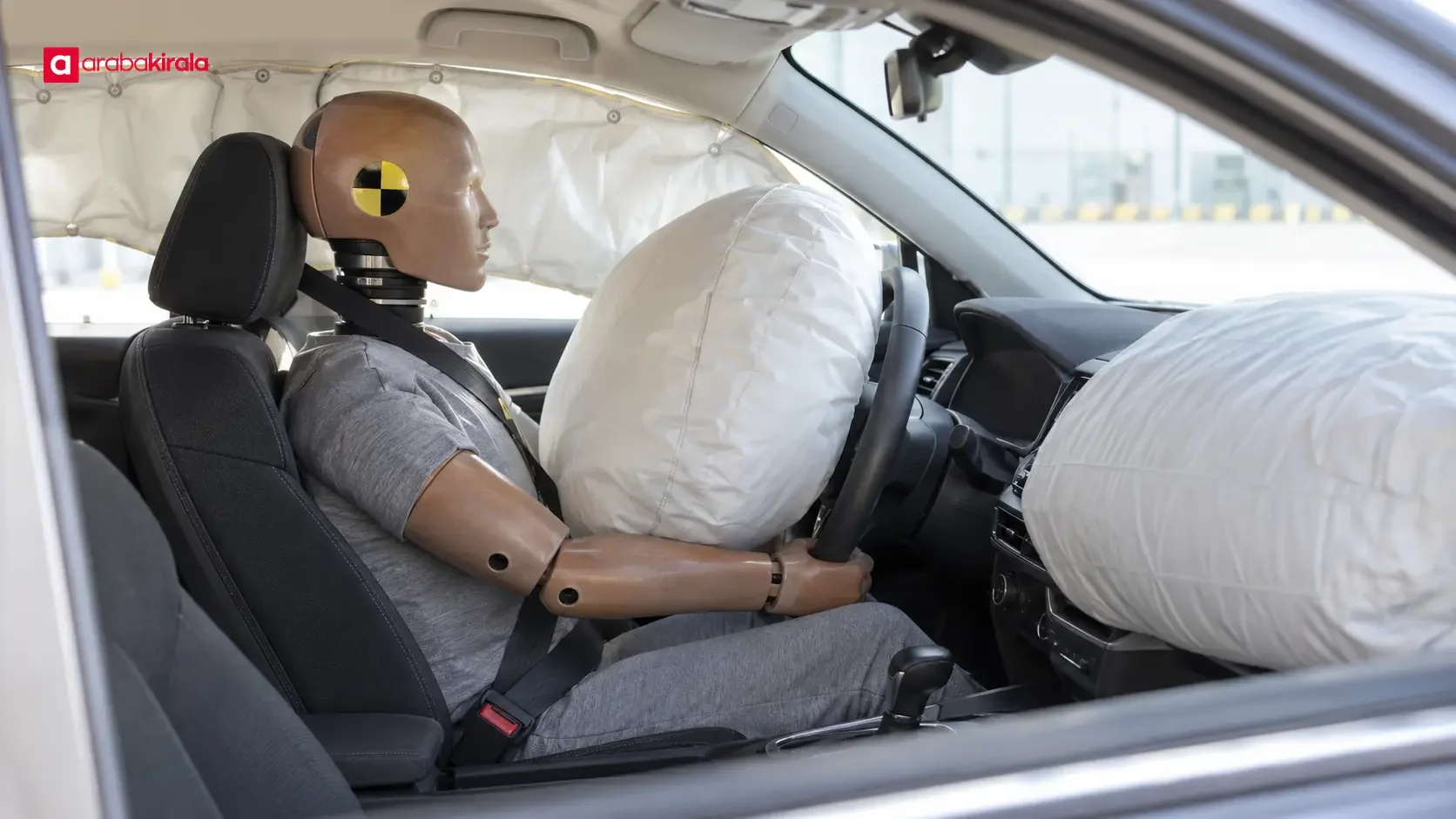
Front airbags are commonly housed in the centre of the steering wheel for the driver and in the dashboard for the front passenger. They are designed to help manage impact to the head and chest against hard surfaces in front of the occupant. Their coverage depends on the vehicle and system design; an airbag does not form a barrier around the whole body.
The driver should adjust the seat so they can comfortably reach the pedals without sitting unnecessarily close to the steering wheel. The wheel should be positioned for a suitable driving posture, and hands should be placed so that arms or objects are less likely to be pushed toward the face if an airbag deploys. The front passenger should also use a suitable seat distance and backrest position, following the vehicle manual.
Side airbags
Side airbags may be located in the sides of seats or in door areas. Depending on the design, they are intended to support the side of the torso, often around the chest or pelvis. Their location and coverage are not identical in every vehicle. A seat cover or accessory fitted later could obstruct the deployment area, so follow the vehicle maker’s instructions before using one.
Curtain airbags
Curtain airbags typically deploy from near the side edge of the roof and cover the upper area of the side windows. Depending on the design, they may support the head area for occupants in front and rear side seats. The rows they cover vary by model. Adding parts to the roof, upper door area or pillars, or hanging heavy objects there, can interfere with the deployment area.
Knee and other additional airbags
Some vehicles include knee airbags or other airbags intended for particular types of impact. Their presence and location vary by model, so do not assume that every vehicle has the same arrangement. The airbag diagram in the owner’s manual is the best way to identify the layout in a specific car.
How do seat belts and airbags work together?
A seat belt keeps an occupant in the seat and limits their movement inside the car during a collision. An airbag deploys when triggered to provide additional impact management in a particular area. These roles do not replace one another. Without a belt, a person may move farther forward or sideways and meet a deploying airbag from an unsuitable position. The belt should therefore be worn correctly on every trip, including in a car equipped with airbags.
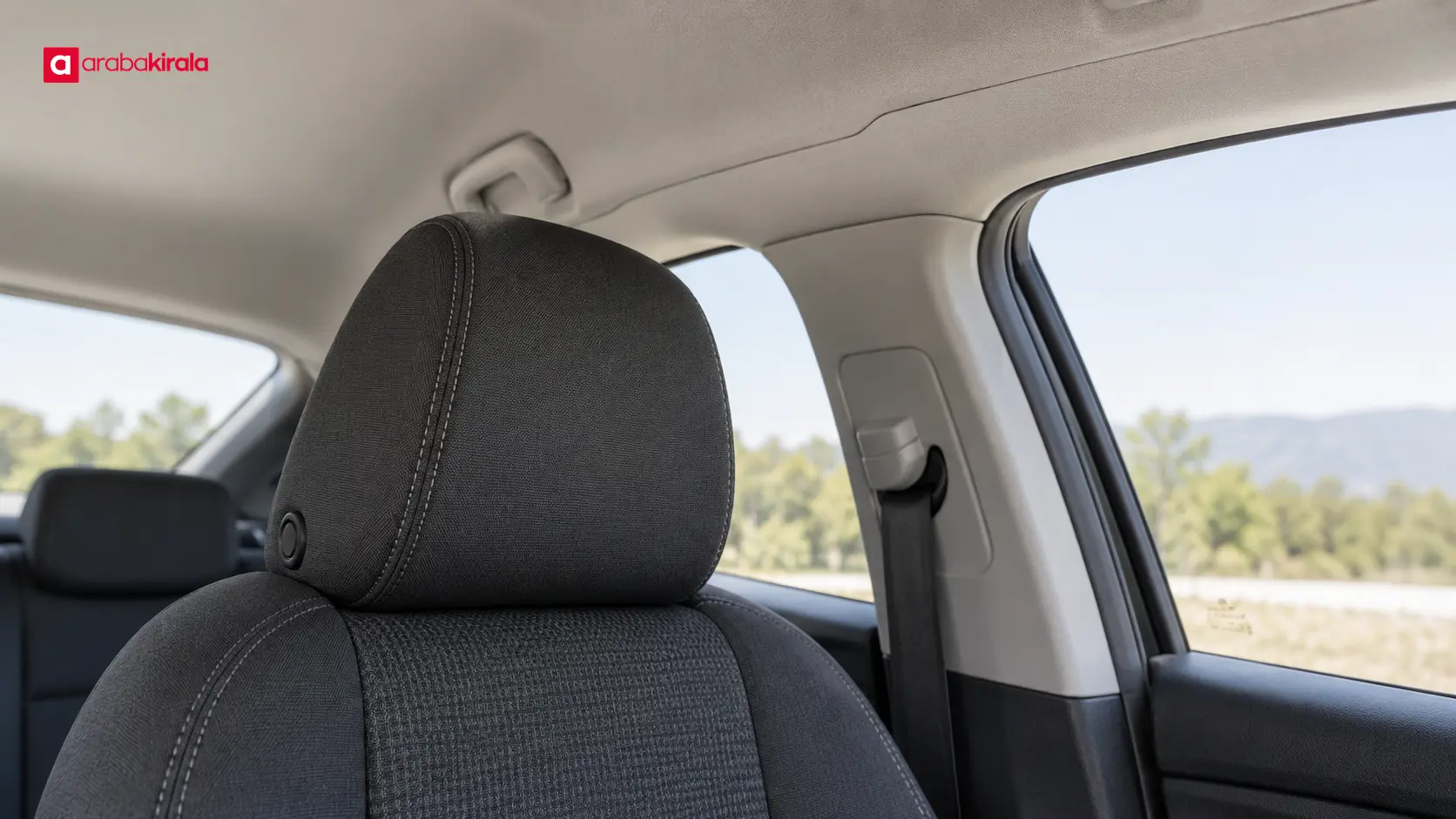
The lap section should sit across the hip bones rather than the abdomen, while the shoulder section should cross the shoulder and chest. The belt should not be twisted or routed under an arm or behind the back. Adjust the head restraint to an appropriate height behind the head. Check that the buckle is latched and the belt lies close to the body. Bulky outerwear can affect how the belt sits, so check the fit after settling into the seat.
Children and the front passenger seat
Where a child should sit and which child restraint to use depends on the child, the restraint instructions and the vehicle manual. Install the seat according to both its manufacturer’s directions and the vehicle maker’s guidance. Seating a child in the front passenger seat where an airbag is present can involve particular risks. Follow the vehicle’s explicit instructions about a rear-facing child seat and a front airbag; if you are unsure, check the manual before travelling and ask the rental branch for help with the specific vehicle.
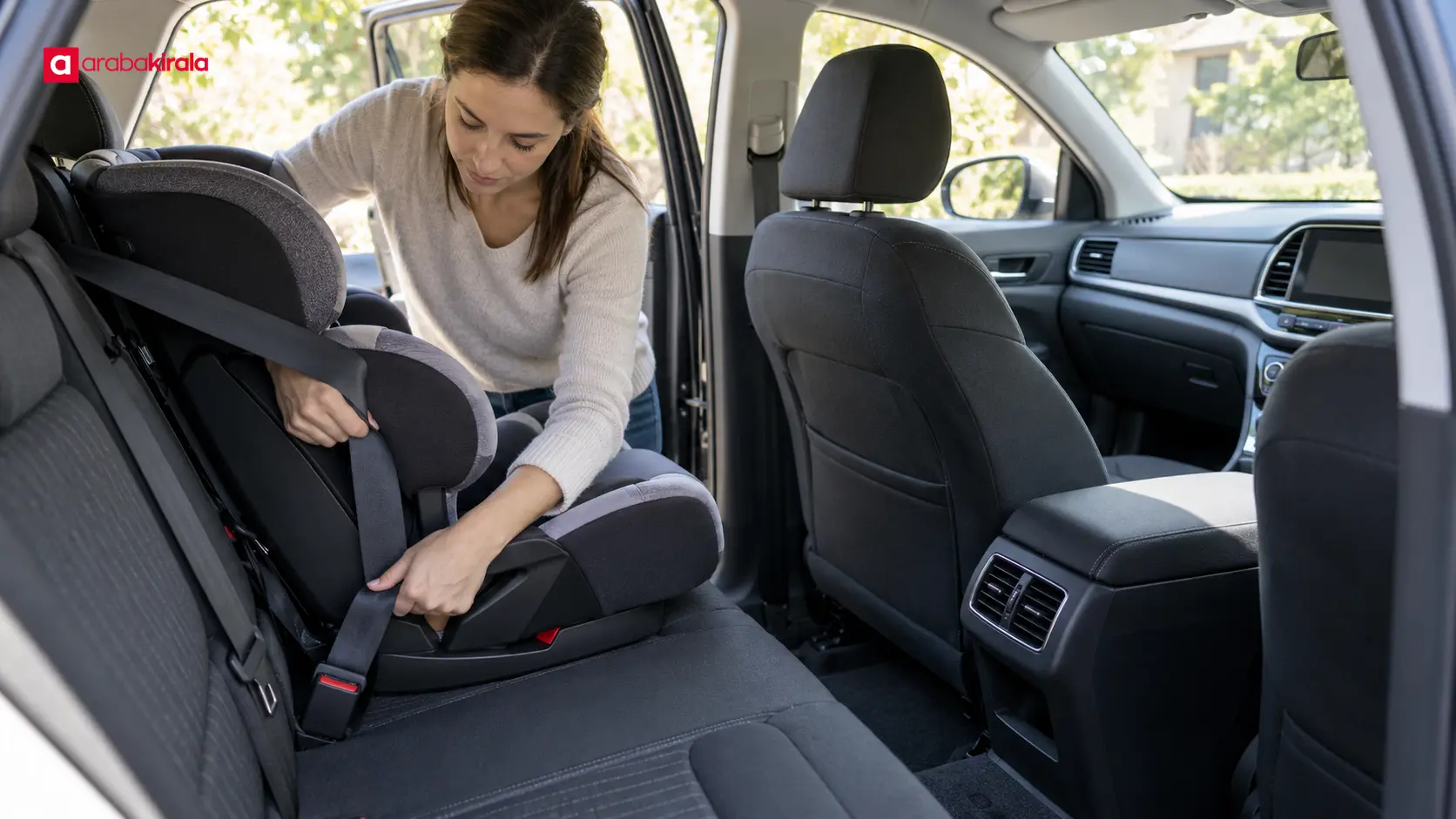
Installing a child seat in the rear requires correct use of the available anchor points and restraint system. Do not decide that it is secure solely because the belt looks taut; check the fitting steps in the product instructions. If you need a child seat in a rental vehicle, ask during booking or collection what equipment is available and how to get help with installation. Availability may differ between branches.
A practical check before the trip
- Make sure everyone in the front and rear seats wears a correctly positioned seat belt.
- Adjust the driver’s seat so the pedals are easy to reach without sitting too close to the steering wheel.
- Check that objects, covers or accessories are not blocking an airbag area around a seat or dashboard.
- If an airbag warning appears on the dashboard, do not ignore it; consult the vehicle manual and tell the person responsible for the rental car.
- If a child restraint is needed, follow the installation instructions from the vehicle and restraint makers.
- If you need help identifying seat belt or airbag markings, ask the branch where you collect the particular vehicle.
Airbag warning lights and service
The meaning and behaviour of an airbag warning light can vary by vehicle. A light that stays on or appears while driving may mean the system needs attention; confirm the meaning in the owner’s manual. Do not attempt to work on an airbag, steering wheel hub, seat side or roof lining yourself. These components connect to specialised systems and should be inspected by qualified service personnel.
The fact that an airbag did not deploy after a collision does not prove that the system is in perfect condition. Similarly, do not assume a vehicle is ready to use again after an airbag has deployed. If you notice a warning or damage, stop in a safe place and contact the branch from which the car was rented for guidance. A vehicle with a deployed airbag needs assessment before continuing the journey.
Frequently asked questions
Can an airbag replace a seat belt?
No. The belt helps keep the occupant in position, while the airbag provides additional support depending on the collision conditions. They are designed to work together, so wear the seat belt on every trip.
Does every airbag deploy in every crash?
No. Deployment depends on the conditions detected by the system and the vehicle design. A collision from a different direction may involve different airbags, and in some circumstances an airbag may not deploy.
How can I find where the airbags are?
The vehicle manual diagram and warning markings help identify airbag locations. For a rental, ask the branch to explain the layout for the specific model at collection.
Is it safe to use a seat cover?
It matters whether the cover obstructs an airbag area in the seat. Check the vehicle maker’s guidance and use only a cover and fitting method it permits. Avoid covers whose compatibility is unclear.
Summary and next step
Front airbags are designed to support occupants against forward surfaces, side airbags the side of the torso, and curtain airbags the head area along side windows. Exact placement and coverage vary by vehicle. Before travelling, wear seat belts correctly, adjust the seating position, install child restraints by the instructions and pay attention to warning lights. If you have a question about airbag locations or child-seat compatibility in the car you are renting, consult the manual and ask the branch where you will collect that model.
Legal Disclaimer: All content, articles and information on the Araba Kirala website are provided solely to inform users. No information shared on this website constitutes definitive advice or guidance. Araba Kirala Teknoloji A.Ş. and its authors cannot be held responsible for any direct or indirect damages arising from the application of information on the website. For all questions and requests regarding car rental, please contact the office from which you will rent your vehicle.