How a Car’s Center of Gravity Affects Cornering and Carrying Loads

Published: October 5, 2026 • Reading Time: 6 min • Last Updated: October 5, 2026
Learn what a car’s center of gravity is, how cornering transfers load between tires, and why roof or boot cargo can change handling. Get practical checks for safer loading and driving.
Contents
- What does a car’s center of gravity mean?
- How does balance change in a turn?
- Braking and acceleration move load too
- How do boot and roof loads affect the center of gravity?
- Pre-trip loading and driving checks
- Carrying luggage in a rental car
- Frequently asked questions
- Is every car with a low center of gravity safer?
- How should I take a turn with a full boot?
- Why does cargo on the roof need extra care?
- Summary and next step
A car’s center of gravity is the point used to describe how its mass is balanced. Its height and position affect how load moves between the tires during cornering, braking and acceleration. This guide explains that relationship, shows how luggage and roof cargo can change a car’s behavior, and offers useful checks before a trip.
What does a car’s center of gravity mean?
A vehicle’s mass is spread across its body, engine, battery, passengers and cargo. The center of gravity is an imaginary point that represents the balance of that combined mass. Adding passengers or luggage changes the overall distribution. Cargo placed high on the roof raises the combined center of gravity, while items piled to one side can make the left-to-right load distribution uneven.
The center of gravity does not determine handling by itself. Suspension design, tire condition and pressure, wheelbase, body structure, speed and road surface all matter. That is why the same change in cargo can feel different in different vehicles. The useful principle is that tire loads shift while a car is moving: steering, braking and acceleration each change how much load acts on different wheels.
How does balance change in a turn?
As a car turns, its body tends to roll toward the outside of the curve. This does not mean that the whole car simply slides outward. Body and suspension movement change the vertical load on the tires. The outside tires can carry more load while the inside tires carry less. A higher center of gravity tends to increase this side-to-side load transfer under otherwise similar conditions. Tire grip and the way the vehicle responds are connected to these dynamics.
A sharp maneuver or high speed asks the tires for more lateral force. Wet, loose or slippery surfaces can reduce available grip. A high center of gravity or unevenly placed cargo can increase body movement and make a sudden direction change harder to manage. This does not mean every turn will cause a rollover; the risk depends on the vehicle and conditions. A safer approach is to enter a bend at an appropriate speed, steer and brake smoothly, and avoid abrupt inputs.
Braking and acceleration move load too
When a car brakes, some load shifts forward; under acceleration, some shifts rearward. During braking, the front tires may carry more vertical load while the rear tires carry less, with the reverse tendency under strong acceleration. Drivetrain layout and electronic systems influence the vehicle’s response, but they do not remove load transfer. A car carrying passengers and luggage may accelerate, stop and change direction differently from the same car with little load. After adding cargo, avoid sudden commands and leave a following gap suited to the conditions.
How do boot and roof loads affect the center of gravity?
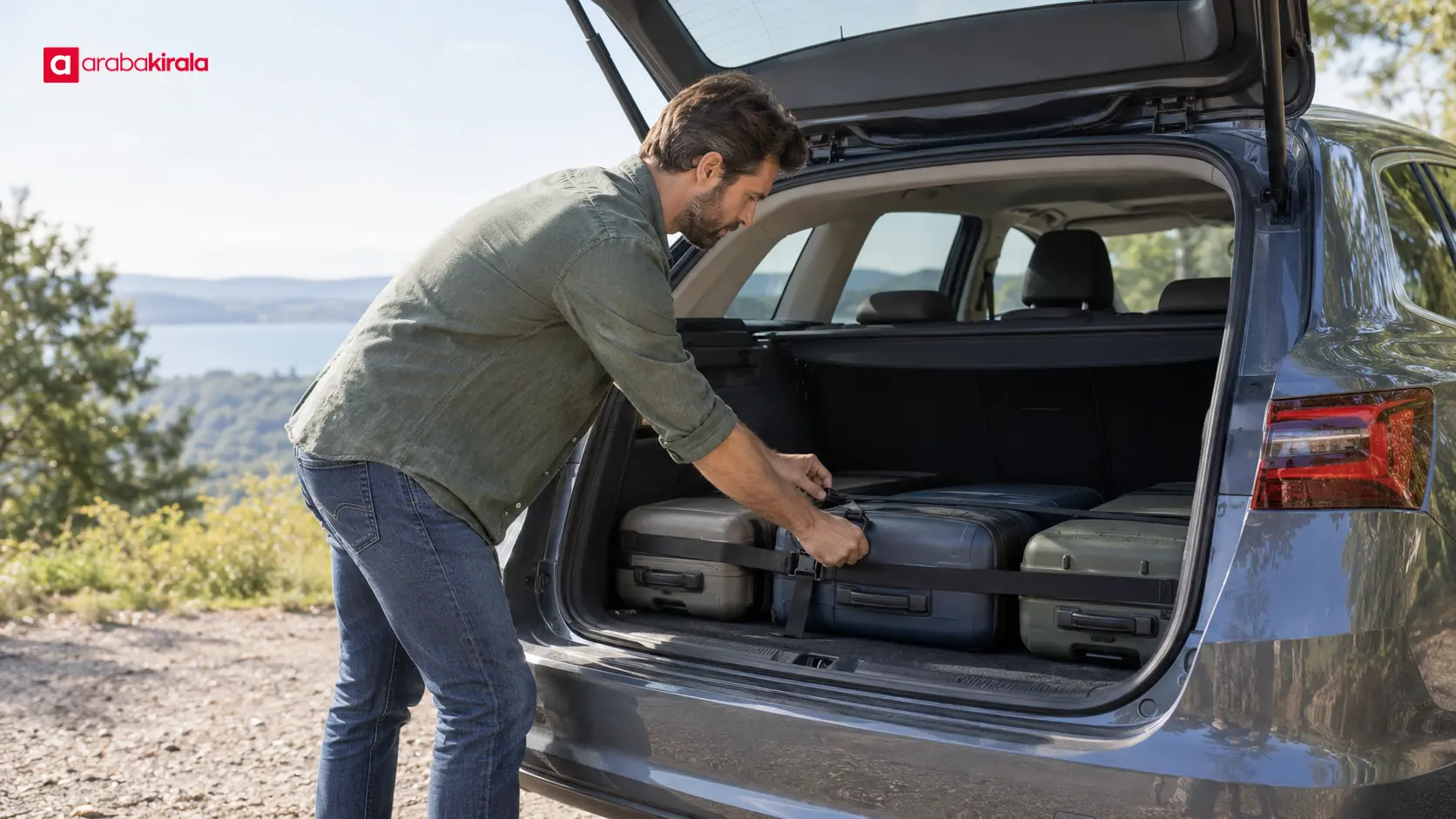
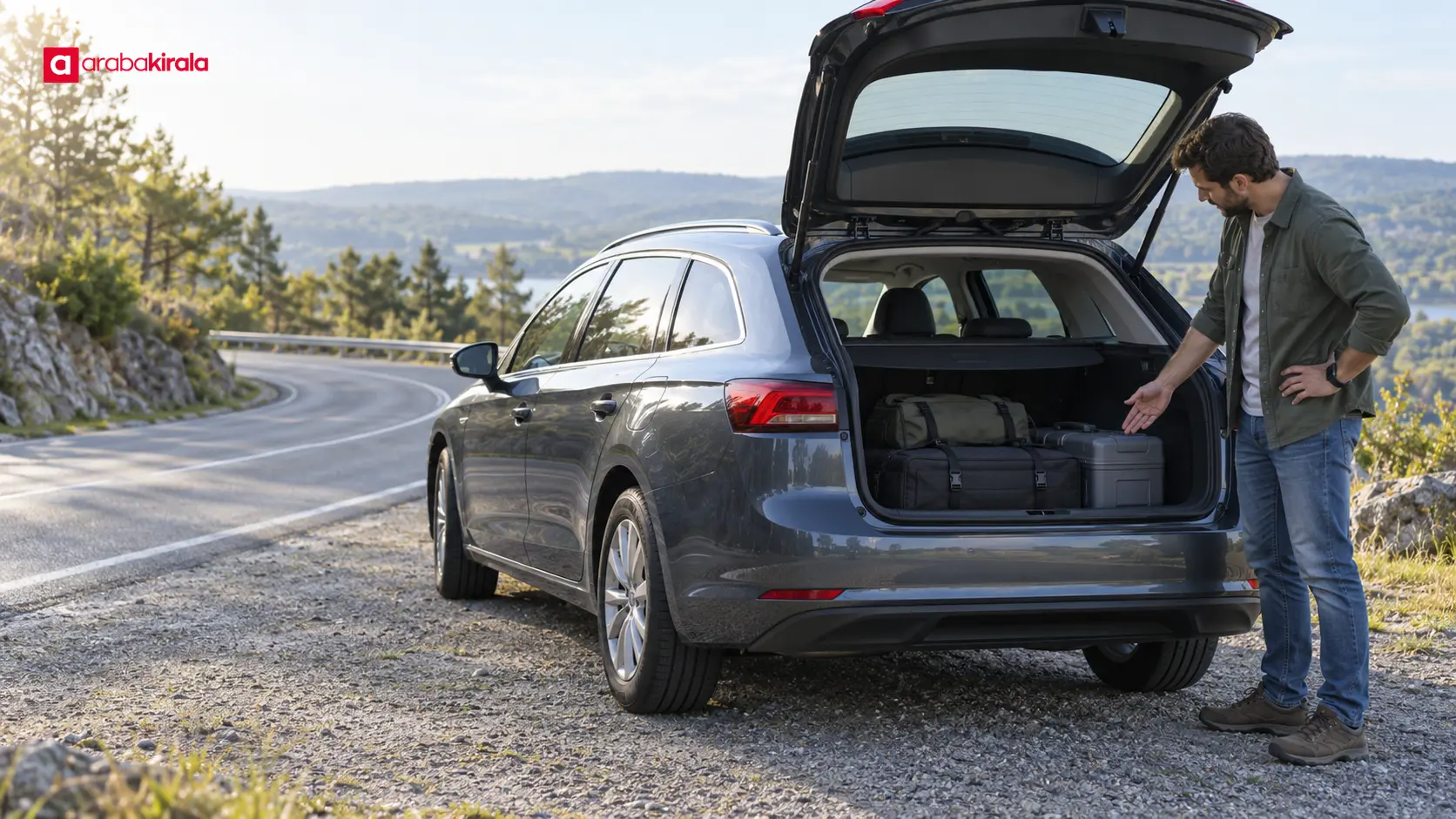
Cargo on the boot floor is generally lower than the same mass carried on the roof. Keeping heavy items low and balanced inside the car helps avoid raising the center of gravity unnecessarily. Distribute luggage across the boot rather than stacking it on one side, and secure anything that could move. Loose objects can become dangerous during hard braking or a collision, so securing cargo is a safety measure as well as a comfort measure.
Adding cargo to a roof carrier raises the center of gravity and can change aerodynamic drag. Check the limits specified for both the vehicle and the carrier; the owner’s manual and carrier documentation are the right places to look. Do not place cargo directly on the roof without a suitable carrier. Make sure the load is firmly secured and does not block the driver’s view or interfere with control. With roof cargo, avoid high speeds, sharp turns and abrupt lane changes.
Total weight is not the only consideration. Passengers and cargo together must remain within the vehicle’s permitted load capacity, and axle or tire load limits also matter. The manufacturer’s label around the door area provides tire pressure information; use the owner’s manual for pressure guidance under the relevant loading conditions. Do not raise or lower pressure by guesswork.

Pre-trip loading and driving checks
- Find the vehicle’s load information: Check the owner’s manual for the total load capacity, axle limits and roof load limit. If a carrier is fitted, check its own limit as well.
- Keep heavy items low: When possible, place heavy suitcases on the boot floor, toward the front and evenly distributed. Do not put items on passenger seats or where they block visibility.
- Secure the cargo: Fasten items that could slide in the boot to suitable anchor points. If using roof equipment, make sure the cargo is secured in a way that suits the carrier.
- Check the tires: Tire condition and correct pressure matter when carrying a load. Follow the manufacturer’s pressure guidance for the relevant load condition.
- Adapt your driving: Accelerate smoothly, take turns with care and leave room for braking. Begin calmly so you can get used to how the loaded car responds.
Carrying luggage in a rental car
When choosing a rental car, consider the number of passengers, the size of the suitcases and the shape of the items you plan to carry. Boot capacity alone does not tell the whole story: the opening, rear-seat folding arrangement and available cargo anchoring points also affect usability. During booking or pick-up, ask the branch you will rent from about the cargo space of the vehicle class and whether a suitable roof carrier is available. Do not assume a particular item of equipment will be provided or that the car can carry a specific load.
At pick-up, check the owner’s manual and the tire information label. If the vehicle’s load capacity, cargo arrangement or carrier suitability is unclear, confirm the applicable figures in the vehicle documents or with the branch you will rent from. This keeps general loading advice distinct from the limits of the specific vehicle.
Frequently asked questions
Is every car with a low center of gravity safer?
That feature alone is not enough to judge safety. Tires, brakes, suspension, driver assistance systems, road conditions and speed all play a part. A low center of gravity can help reduce lateral load transfer in a turn, but it does not replace safe driving.
How should I take a turn with a full boot?
Stay within the vehicle’s load capacity, secure the items and approach the turn at a controlled speed. A loaded car may respond differently to steering and braking, so avoid abrupt maneuvers, keep an appropriate following distance and adjust speed to the road surface.
Why does cargo on the roof need extra care?
Roof cargo places mass higher, raising the center of gravity and potentially changing body movement. It also catches wind and must be secured properly. Stay within the vehicle and carrier limits, fasten the load and drive more cautiously.
Summary and next step
The center of gravity is one factor in how a car loads its tires during a turn or sudden maneuver. Carrying heavy items low and evenly, securing cargo and following the manufacturer’s load and tire guidance can help keep the vehicle’s behavior more predictable. Before your trip, check the vehicle manual; if you are using a rental car, confirm the boot and any carrier details with the branch where you will collect it.
Legal Disclaimer: All content, articles and information on the Araba Kirala website are provided solely to inform users. No information shared on this website constitutes definitive advice or guidance. Araba Kirala Teknoloji A.Ş. and its authors cannot be held responsible for any direct or indirect damages arising from the application of information on the website. For all questions and requests regarding car rental, please contact the office from which you will rent your vehicle.