How a Car Cooling System and Engine Temperature Gauge Work
The engine temperature gauge gives the driver information about the engine’s operating temperature. It cannot identify the cause of a problem by itself. The cooling system, driving conditions, and the vehicle’s warning messages all matter. Understanding the basics can help you distinguish normal warm-up from a warning that calls for a safe stop.
Why an engine needs cooling
Combustion and friction among moving parts generate heat in an internal combustion engine. The engine is designed to operate within a suitable temperature range. Excessive heat can interfere with how components work, while an engine that stays too cold can also operate less effectively and affect emissions control. The cooling system therefore helps the engine reach and maintain suitable operating conditions as it carries excess heat away.
Most cars use liquid cooling. Coolant circulates through passages in the engine, absorbs heat, and carries it to the radiator, where heat transfers to the air. A fan can support airflow through the radiator, particularly when the car is moving slowly or stopped. Some vehicle designs use air cooling or other arrangements, so component locations and checking procedures are not identical across all cars.
Main cooling system components
Coolant and circulation
Coolant carries heat as it moves through passages in the engine block and cylinder head. A water pump circulates it, although pump design and operation vary by engine. A low coolant level, interrupted circulation, or a leak can affect heat management. The color or appearance of a fluid alone does not establish that it is the correct product; follow the vehicle manufacturer’s specifications.
Thermostat
When the engine is cold, the thermostat restricts flow to the radiator to help the engine warm up. As temperature rises, it opens the flow path so coolant can release heat through the radiator. This helps prevent the engine from remaining too cold while allowing excess heat to be carried away. A thermostat stuck open or closed can produce different symptoms, but a symptom alone is not enough to confirm a failed part.
Radiator, fan, and expansion tank
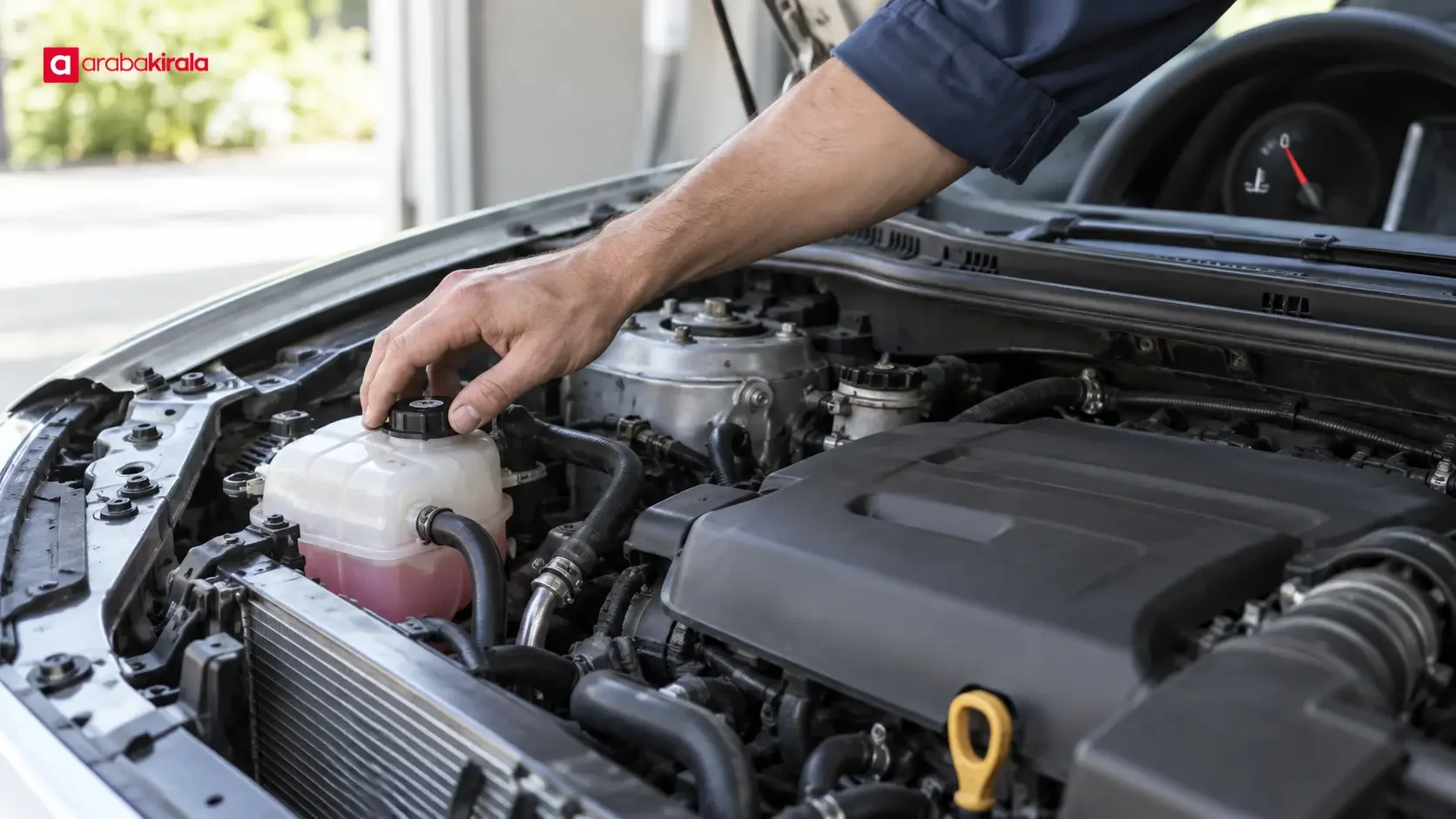
The radiator transfers heat from hot coolant to the passing air. At low vehicle speeds, a fan can increase airflow when needed. The expansion tank provides space for coolant to change volume as it heats and, depending on the design, allows the fluid level to be checked. The radiator cap or expansion tank cap may be connected to a hot, pressurized system. Opening one while the engine is hot can cause serious burns.
How the engine temperature gauge works
A temperature sensor produces a signal related to coolant temperature at a particular point in the engine. The vehicle’s electronic control unit interprets that signal, and the instrument panel presents information as a needle, warning light, or numerical reading. The display differs by model. Some cars damp small changes in the normal range, so a steady needle does not mean the temperature is exactly constant at every moment.
The gauge does not measure the temperature of every engine part, and it does not directly identify the source of a fault. A sensor, wiring connection, coolant circulation, fan, or another component may affect the displayed information. Check the owner’s manual for the meaning of a warning symbol or message. A red warning, a needle entering the high range, or an instruction to stop should be taken seriously.
Reading changes in the gauge
A cold engine is expected when first started; during normal driving it may move toward operating temperature. Heavy traffic, hills, a heavy load, hot weather, and changes in vehicle speed can affect heat demand. A small brief movement may occur, but a clear rise, a needle remaining in the high zone, a warning light, or steam near the hood should not be ignored.
- Reading in the usual range: Continue to watch for a new warning, fluid leak, or unusual smell.
- Reading rising: Turning off the air conditioning and reducing engine load may help. If the warning continues, prepare to stop somewhere safe and follow the vehicle manual.
- Overheating warning or steam: Stop in a safe place. Follow the manual’s instructions on switching off the engine and seeking assistance. Do not open a hot cap or touch hot components.
Getting safely out of moving traffic comes first. Avoid sudden maneuvers; move to a suitable stopping area and use necessary safety measures such as hazard lights. Even after the engine cools, that does not prove the cause has been fixed. If the warning returns, seek roadside assistance or qualified service rather than continuing to drive.
A safe response to overheating
If the temperature rises rapidly, a warning light appears, or steam is visible, stop in a safe location. The owner’s manual may give model-specific instructions to switch the engine off immediately or let it idle briefly; follow those directions first. Opening the hood while steam is present or loosening a hot cooling system cap increases the risk of burns. A system can take time to cool, so waiting only a few minutes does not establish that it is safe.
Once the engine is cool, you may be able to check the visible expansion tank level using the method in the manual. If the level is low, the cause needs to be investigated; adding fluid alone will not fix a leak or another fault. The correct fluid and filling method are vehicle-specific. If you are unsure, request help without opening a cap. Do not keep driving if fluid is dripping, the tank appears empty, or the warning returns.
Everyday use and rental car checks
Before setting off, take note of dashboard warnings and the basic symbols in the vehicle manual. If a coolant level check is needed while the engine is cold, use the location and method specified by the manufacturer. Never open a pressurized system while it is hot. Routine maintenance allows coolant and hose issues to be assessed; service intervals vary by model and manufacturer guidance.
When collecting a rental car, find out where the temperature gauge is and how an overheating alert appears. If a warning is already displayed, or you notice an unusual smell, signs of a leak, or steam, tell the rental branch before leaving. If a warning appears during the trip, stop safely and ask the branch or roadside assistance how to get support. Follow the vehicle manual before attempting to handle coolant; tank locations and checking steps vary among cars.
Frequently asked questions
Where should the engine temperature gauge normally sit?
Gauge designs and normal operating ranges vary. Use the range described in the vehicle manual. If the needle enters the high zone or a warning appears, do not assume the situation is normal just because the gauge usually rests at a familiar position.
What should I do if the overheating warning flashes?
Interpret the warning using the vehicle manual and stop somewhere safe. Do not open a hot cap. Even if the warning disappears after the engine cools, get qualified assistance if it returns; a warning switching off temporarily does not prove the issue is resolved.
Does low coolant always mean there is a leak?
The cause cannot be determined from one observation. A falling level can be associated with a leak or another system issue and should be checked. Consult the manual for the correct fluid and inspection method, or seek service assistance.
Can cold air from the heater tell me something about engine temperature?
Heater performance can be related to the cooling system, but it is not a diagnosis on its own. If the engine temperature is rising, a warning is on, or fluid loss is visible, do not continue driving; request a professional inspection.
Legal Disclaimer: All content, articles and information on the Araba Kirala website are provided solely to inform users. No information shared on this website constitutes definitive advice or guidance. Araba Kirala Teknoloji A.Ş. and its authors cannot be held responsible for any direct or indirect damages arising from the application of information on the website. For all questions and requests regarding car rental, please contact the office from which you will rent your vehicle.