What Is a Car Differential Lock? How It Affects Wheel Power
Published: October 9, 2026 • Reading Time: 7 min • Last Updated: October 9, 2026
Learn what a differential does in a turn, how open, locking, and limited-slip differentials differ, and what to check before driving a rental vehicle with traction equipment.
Contents
- What does a differential do?
- Open differential versus a lock
- Types of differential locking systems
- Selectable full lock
- Limited-slip differential
- Electronic traction control and a differential lock
- How does a lock affect power at the wheels?
- When can a lock be useful?
- Understanding this equipment in a rental car
- A practical pre-drive check
- Summary: use the right equipment in the right conditions
- Frequently Asked Questions
A car differential lock reduces or removes the difference in rotation speed between wheels connected by a differential. This guide explains why a differential is needed in turns, how open, locking, and limited-slip systems differ, and what these systems mean for vehicle control. If this equipment matters to your rental, confirm the vehicle’s features and operating instructions with the branch you plan to rent from.
What does a differential do?
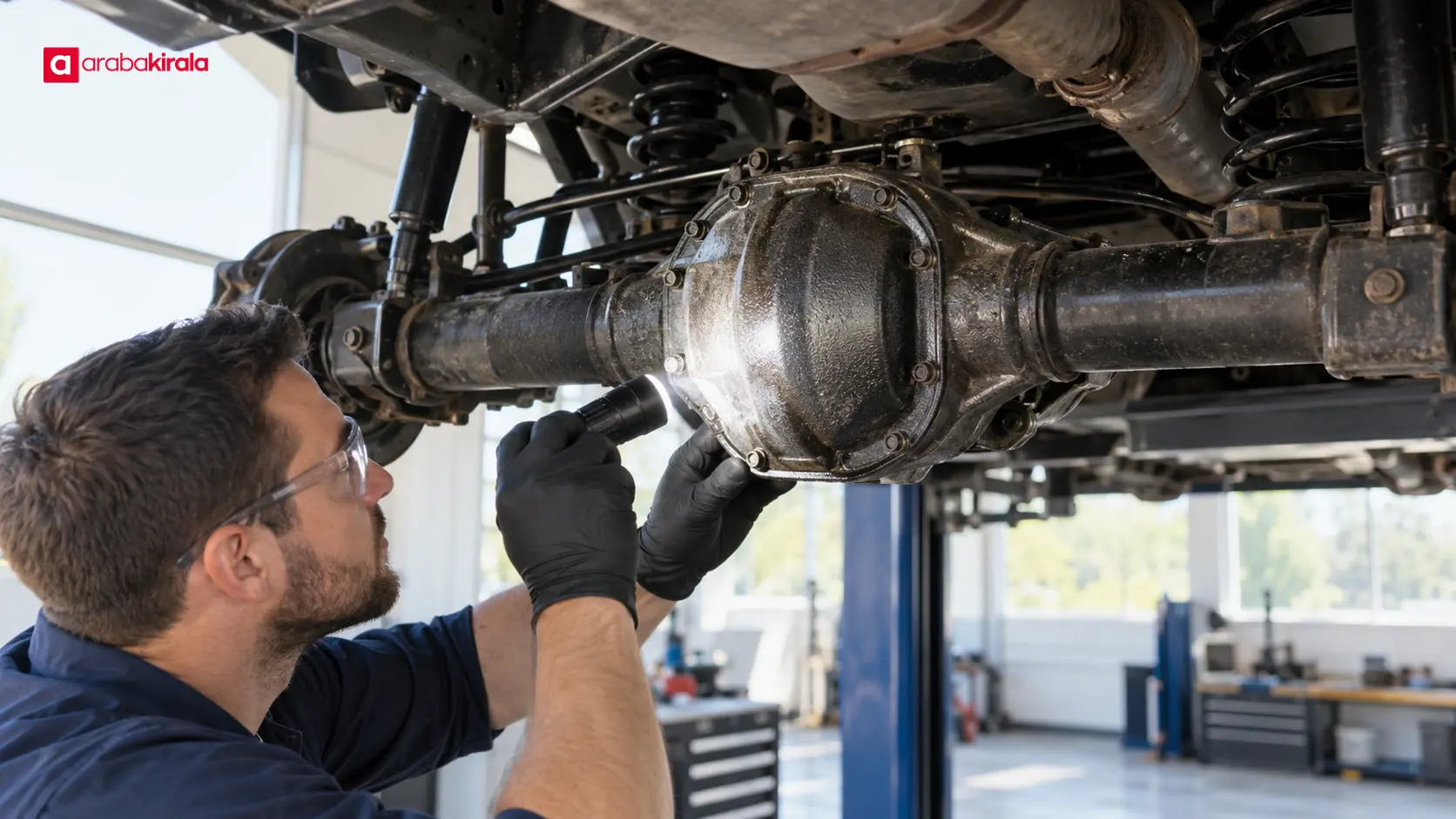
Engine power reaches the wheels through the vehicle’s drivetrain. The differential connects the left and right wheels on an axle while allowing them to rotate at different speeds. That speed difference is necessary when turning: the wheel on the outside of a turn follows a longer path than the inside wheel and therefore needs to rotate faster.
Without a differential, forcing both wheels on an axle to turn at the same speed in every situation could make turns difficult and cause tire scrub or unnecessary strain in the drivetrain. An open differential is a common way to handle the speed difference in ordinary driving. However, when one wheel has very little grip, the way an open differential transfers torque can limit traction.
Open differential versus a lock
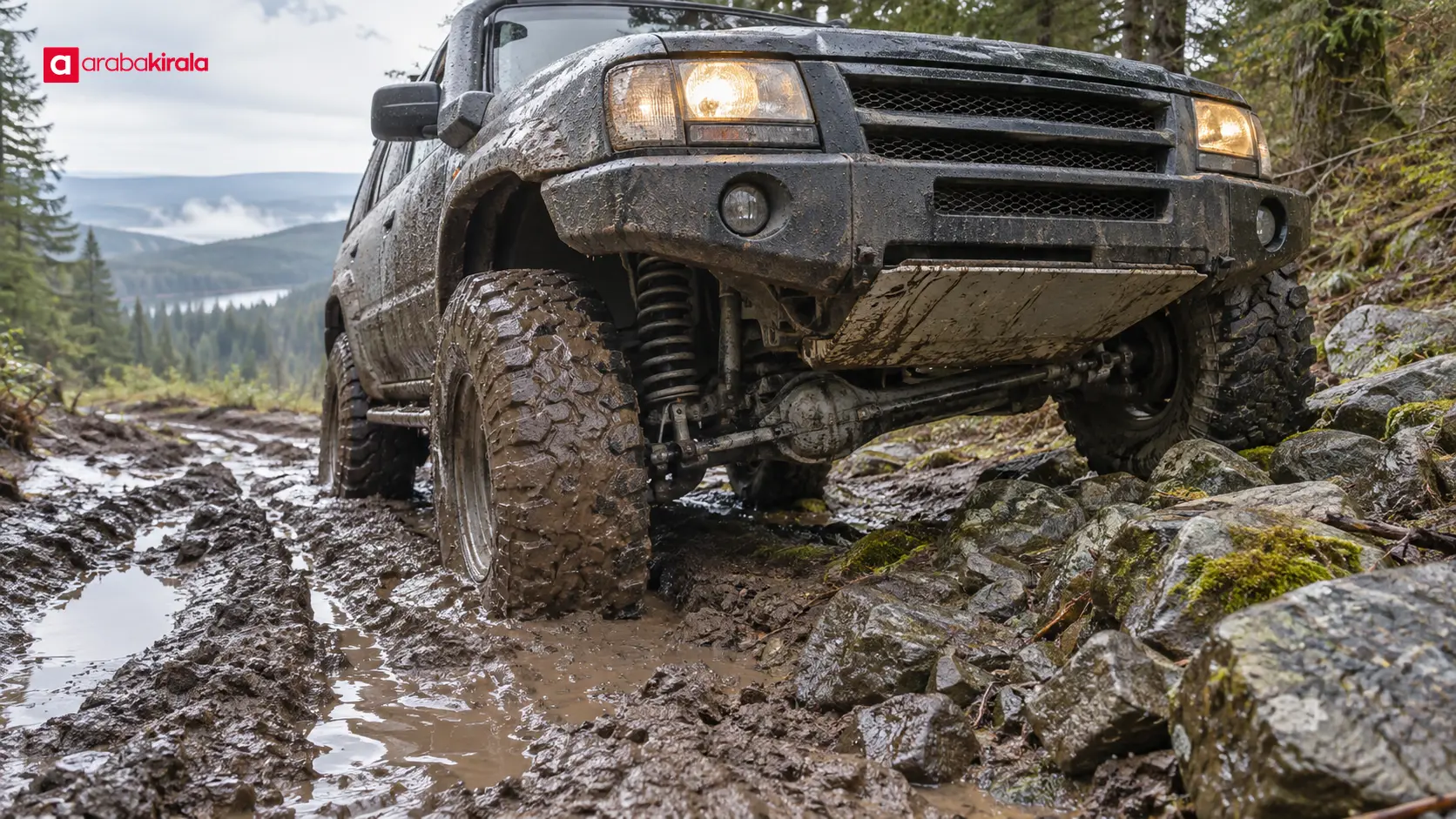
An open differential allows the two wheels to rotate at different speeds. In a basic open design, however, the torque available at both wheels can be constrained by the wheel with less grip. If one wheel starts spinning on ice, mud, or loose ground, the vehicle may not make effective use of the traction available at the other wheel.
A differential lock brings the wheel speeds closer together or mechanically matches them under specified conditions. This can make the spinning of one wheel less of a limitation and help the tire with grip contribute to moving the vehicle. The tradeoff is that the wheels cannot rotate freely at different speeds while the system is locked. A lock is therefore not a general traction button for every surface and speed.
Types of differential locking systems
Selectable full lock
A selectable lock is engaged when conditions call for it and disengaged when those conditions change. It may use a mechanical, electrical, or other control arrangement. When fully locked, the connected wheels rotate in unison. That can help on low-grip terrain, but on tight turns it may cause tire slip and increase loads in the drivetrain. Engagement conditions, speed limits, and the release procedure vary by vehicle. Follow the vehicle manual.
Limited-slip differential
A limited-slip differential restricts the speed difference instead of eliminating it entirely. Designs can use clutch plates, gears, viscous components, or other mechanisms to help transfer more torque to the other wheel when one begins to spin freely. These systems do not all respond in the same way; their operation and maintenance needs depend on their design.
Electronic traction control and a differential lock
Electronic traction control can use wheel-speed sensor data to detect slip and apply braking at an appropriate wheel. Some vehicles also adjust engine torque. This is not the same mechanism as a mechanical differential lock. It may help produce a similar traction outcome, but it works differently. A vehicle may have both electronic and mechanical systems, or only one of them.
How does a lock affect power at the wheels?
A differential’s job is not simply to split power equally between left and right; managing wheel-speed differences is also central to its function. In an open differential, a low-grip wheel spinning freely can limit how effectively the system creates traction. A lock or limited-slip arrangement changes how much torque can be transferred between the wheels, helping the tire with grip contribute more. This does not guarantee that the vehicle will keep moving: tires, surface, vehicle weight, and driving conditions still matter.
When an axle is locked, its wheels rotate at the same speed, which conflicts with the different distances inside and outside wheels travel in a turn. A tire may slip, steering response may change, or tire scrub may increase. Keeping a lock engaged outside the manufacturer’s stated operating range may be unsuitable for the vehicle or surface. Use it only under the conditions permitted by the vehicle manual.
When can a lock be useful?
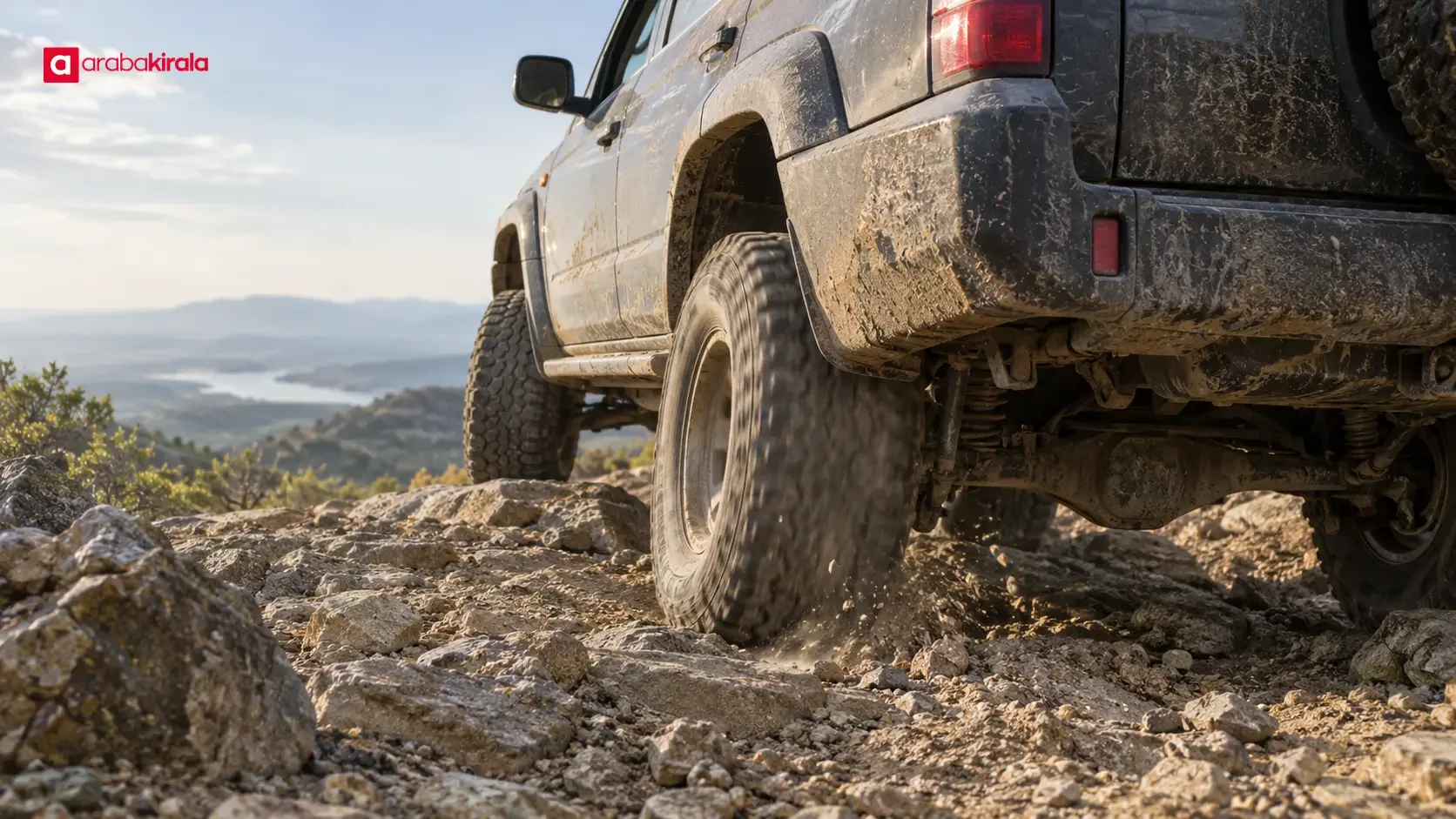
A differential lock can help on loose, uneven, or low-grip ground when one wheel spinning freely also limits traction at the other side. Off-road driving, a muddy section, or slow travel on a slippery surface are examples of conditions where it may be useful, but vehicle equipment and instructions vary. A lock does not replace assessing the surface, using suitable tires, or driving at a controlled speed.
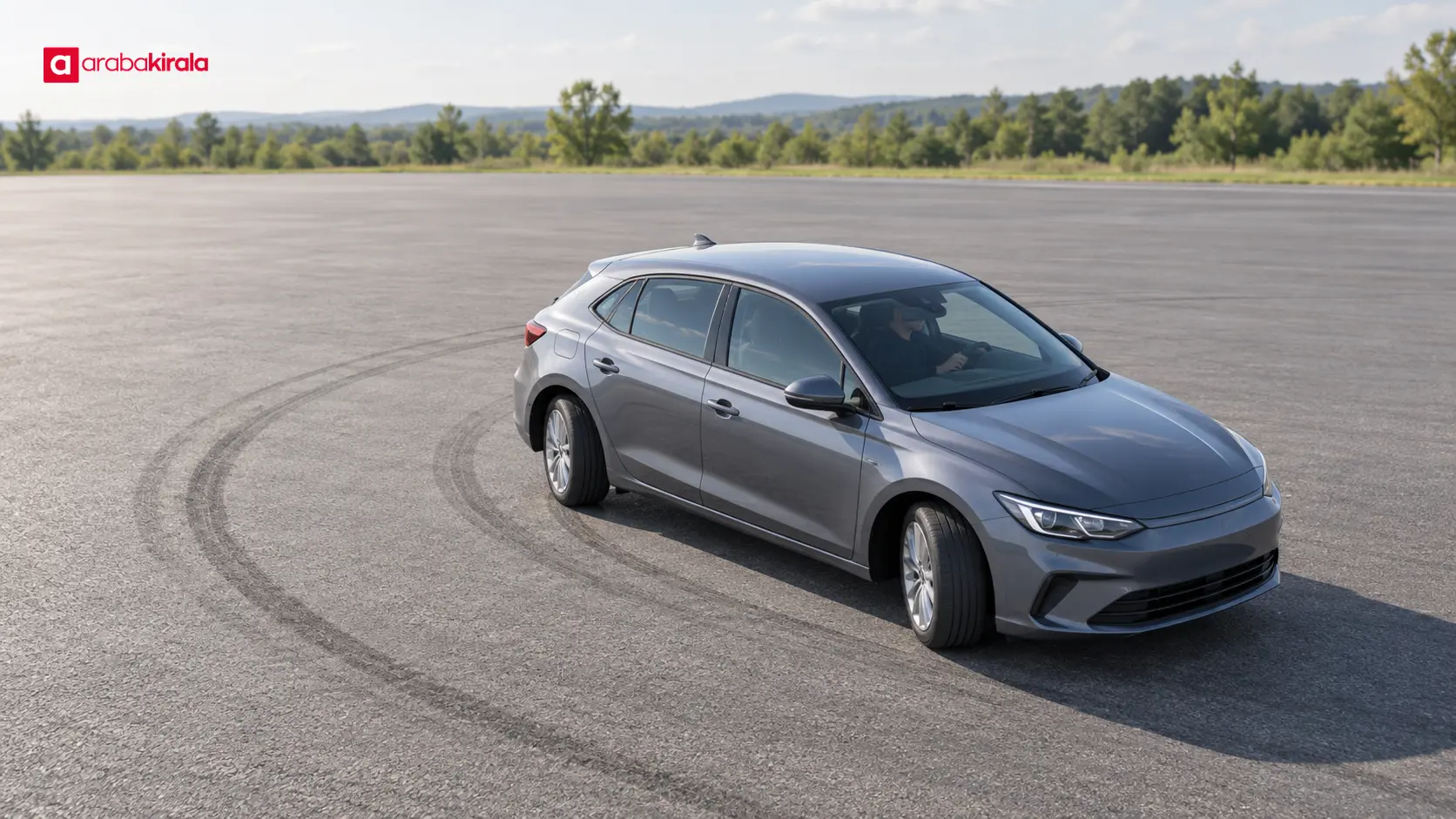
On ordinary paved roads, especially in turns, many systems are not intended to remain locked. If the tires cannot rotate at different speeds as needed, tire scrub, hopping, or mechanical strain may occur. If a warning light, sound, or unexpected change in vehicle behavior appears, stop at a safe place and follow the manual’s guidance.
Understanding this equipment in a rental car
Four-wheel drive does not necessarily mean a vehicle has a driver-selectable differential lock. Four-wheel drive concerns the delivery of power to the front and rear axles; a differential lock limits wheel-speed differences within certain differentials. Couplings or electronic traction systems may help in similar conditions, but they are technically different arrangements.
If a particular feature matters to your booking, confirm the vehicle class and the features of the available vehicle with the branch you plan to rent from. Before setting off, ask what the relevant dashboard symbols and controls mean and on what surfaces the system is intended to be used. Read the vehicle manual, especially for model-specific engagement conditions, speed or steering limits, and disengagement steps. This prevents having to experiment with an unfamiliar control while moving.
A practical pre-drive check
- Check the manual to learn whether the vehicle uses a differential lock, a limited-slip system, or electronic traction control.
- Before departure, understand the relevant dashboard indicators and how the vehicle shows that the system is engaged.
- Follow the manufacturer’s permitted surface and speed conditions, and learn how to switch the system off.
- On slippery ground, avoid sudden throttle inputs, abrupt steering, and uncontrolled acceleration. A lock does not remove the need for safe spacing and controlled driving.
- If the equipment or its operating conditions affect your choice of rental, clarify vehicle and branch details before booking.
Summary: use the right equipment in the right conditions
A differential lets wheels rotate at different speeds in a turn. An open differential handles that task in normal driving but can limit traction when grip is low. Locking and limited-slip systems can help make better use of a wheel with grip, while also changing turning behavior and drivetrain loads. Electronic traction control may serve a related purpose, but it is not the same mechanism as a mechanical lock.
Your next step is to ask the rental branch which traction equipment is fitted to the vehicle and how to operate it, then check the vehicle manual at pickup. Using a lock only under conditions permitted for that vehicle helps preserve control while making use of the available traction.
Frequently Asked Questions
Is a differential lock the same as four-wheel drive?
No. Four-wheel drive concerns sending engine power to the front and rear axles. A differential lock limits the speed difference between wheels connected by a particular differential. A vehicle may have one feature, both, or a different traction-assistance system.
Can I use a differential lock on paved roads?
Use depends on the vehicle design and manufacturer instructions. Many selectable full locks are not intended for firm, high-grip surfaces where wheels need to rotate at different speeds. Follow the conditions in the vehicle manual.
Is a limited-slip differential as powerful as a full lock?
The systems work differently. A limited-slip design reduces the speed difference without necessarily eliminating it; a full lock can match wheel speeds while engaged. The amount of traction each provides depends on the design and surface.
Does traction control make a differential lock unnecessary?
Not in every situation. Traction control manages wheelspin electronically, while a mechanical lock changes the speed or torque relationship through the differential. Do not assume they are interchangeable; follow the instructions for the system fitted to the vehicle.
How can I find out whether a rental car has a differential lock?
Check the vehicle specifications and manual. If the feature matters, ask the branch you plan to rent from about the vehicle class and the vehicle available for your reservation. An all-wheel-drive or four-wheel-drive label alone does not establish that a differential lock is fitted.
Legal Disclaimer: All content, articles and information on the Araba Kirala website are provided solely to inform users. No information shared on this website constitutes definitive advice or guidance. Araba Kirala Teknoloji A.Ş. and its authors cannot be held responsible for any direct or indirect damages arising from the application of information on the website. For all questions and requests regarding car rental, please contact the office from which you will rent your vehicle.