How Do Car Drive Modes Change Throttle Response and Power Delivery?
Published: October 7, 2026 • Reading Time: 6 min • Last Updated: October 7, 2026
Learn how Eco, Normal, Sport and surface focused modes may change throttle response, shifting and traction control, plus what to check before driving a rental car.
Contents
- What does a drive mode change?
- Eco, Normal and Sport compared
- Eco mode
- Normal or Comfort mode
- Sport or Power mode
- Modes for slippery roads and terrain
- How the transmission and powertrain respond
- Using modes with care
- Recognizing drive modes in a rental car
- Frequently asked questions
- Does Sport mode give the engine more power?
- Does Eco mode guarantee fuel savings?
- Can a drive mode change traction control?
- Summary and next step
Car drive modes can change how the accelerator request is interpreted and how the engine, electric motor or transmission responds. This guide explains what Eco, Normal, Sport and surface focused modes generally adjust, how they differ, and how to identify the settings in a rental car. Similar mode names do not guarantee identical behavior across vehicles, so the vehicle’s manual and dashboard indicators are the best guides.
What does a drive mode change?
A drive mode is a set of electronic control settings that reflects a driving priority. Depending on the vehicle, it may alter the relationship between accelerator pedal movement and requested torque, the timing of automatic transmission shifts, or the response of steering and traction systems. It does not magically create or remove the vehicle’s underlying power. Instead, it can change how readily available power is requested and delivered.
In an electronically controlled accelerator system, sensors register pedal movement and a control unit translates it into a torque request for the engine or electric motor. A mode may make the same pedal movement feel more gradual or more immediate. That sensation is not the same as guaranteed acceleration: gradient, load, tire grip, temperature and the powertrain design also affect how the car responds.
Eco, Normal and Sport compared
Eco mode
Eco mode commonly aims for gentler acceleration requests and settings that consider energy use, such as transmission shift strategy or power management. Some manufacturer manuals describe a less immediate response to moderate pedal input, a changed automatic shift pattern or limits to climate control operation. These are examples, not features present in every vehicle. Hybrid and electric vehicles may also manage energy differently depending on their design.
Eco mode cannot guarantee lower fuel or energy consumption. Actual use depends on speed, stop and go traffic, hills, temperature, climate settings and driving style. The softer response can suit smooth acceleration in town. When joining traffic, climbing a steep grade or overtaking, account for the vehicle’s response and proceed only when visibility, space and road conditions make the maneuver appropriate.
Normal or Comfort mode
Normal mode generally provides the manufacturer’s everyday balance among accelerator response, shifting and comfort. Some vehicles use names such as Comfort for a related setting, but equipment and behavior differ. Normal is a straightforward place to begin when learning an unfamiliar car. Check the instrument display to confirm which setting is active.
Sport or Power mode
Sport mode may sharpen accelerator response, delay automatic upshifts or keep engine speed higher for longer. A Power mode in a hybrid can also manage the powertrain for a more immediate acceleration request. Steering feel or suspension settings may change in some cars, but not every Sport setting includes them. A livelier response does not create a shorter safe following distance or make an overtake inherently safer. Faster acceleration can also increase fuel or energy use.
Modes for slippery roads and terrain
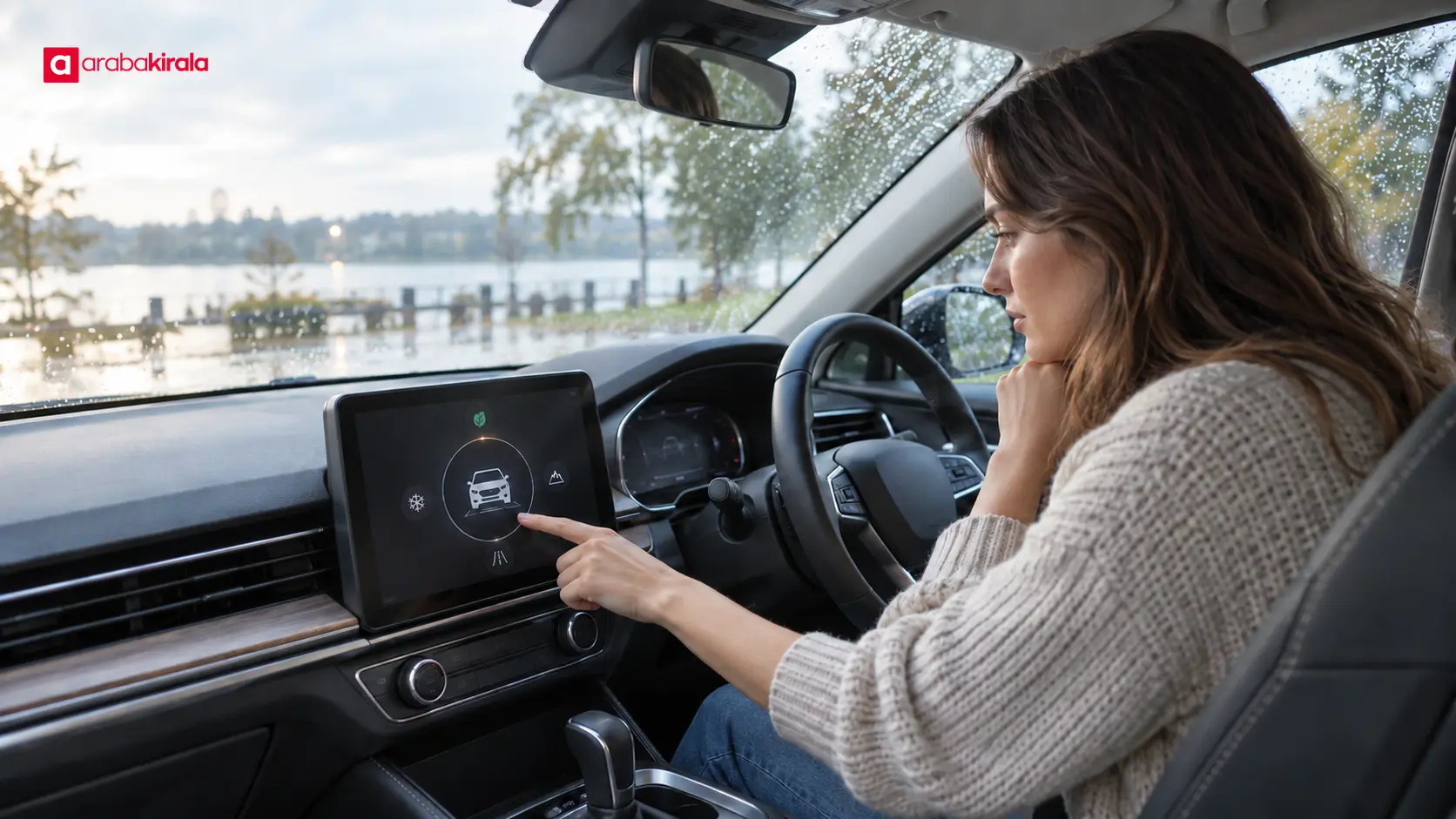
Modes designed for snow, ice, mud or loose surfaces may soften accelerator response and adjust gear selection, engine torque, or traction and stability control behavior. The goal is to help limit unnecessary wheel spin under the conditions the mode is designed for. Names and functions vary, and some vehicles do not offer such a setting. These modes do not replace suitable tires, careful speed choice or suitable road conditions. Check the vehicle manual for the intended surface and instructions.
A setting designed for a particular surface may not suit every road. Manufacturer instructions can restrict a mode to particular conditions. Follow dashboard alerts, and do not switch off traction or stability systems unless the vehicle instructions and circumstances specifically call for it.
How the transmission and powertrain respond
In an automatic car, a drive mode may change when the transmission upshifts or downshifts. Holding a lower gear or higher engine speed for longer can support an acceleration request, while earlier upshifts may form part of a calmer setting. This does not mean the transmission is in manual selection. A gear selector’s D, S or manual position is a separate control and may not do the same thing as a drive mode button.
An electric vehicle may not have a conventional multi gear transmission; its mode can change motor torque demand or energy management. In a hybrid, the coordination of the combustion engine, electric motor and battery may also vary. Regenerative braking settings may be separate from drive modes. Rather than infer exact behavior from a label, consult the vehicle’s own instructions.
Using modes with care
- Learn the controls: Before setting off, locate the mode selector, dashboard indicators and relevant manual explanation. Avoid experimenting with unfamiliar settings in dense traffic.
- Consider the conditions: Stop and go streets, a long climb, open roads and slippery surfaces have different demands. A mode does not remove the need to follow speed limits, keep space and adapt to the road.
- Expect a changed response: After selecting a mode, use small, controlled accelerator inputs. If the car responds more quickly than expected, ease off smoothly and avoid abrupt maneuvers.
- Watch for indicators: Confirm the active mode on the instrument display and pay attention to traction or stability warnings. Follow the vehicle manual’s safety instructions.
- Ask at pickup: Ask the branch where you will rent the car which modes that vehicle has, how to select them and which instructions apply to the expected road conditions. Equipment can vary by vehicle.
Recognizing drive modes in a rental car
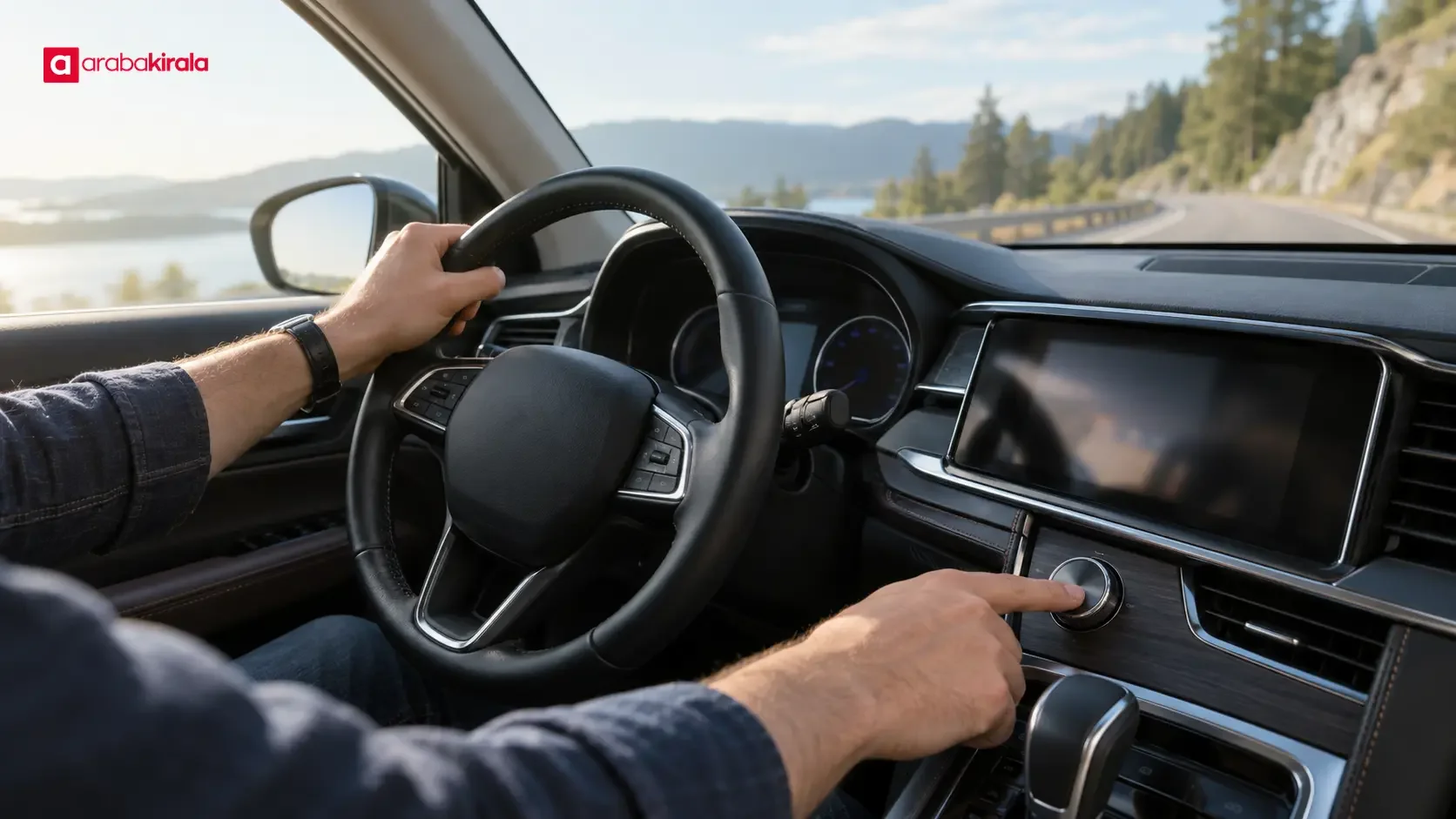
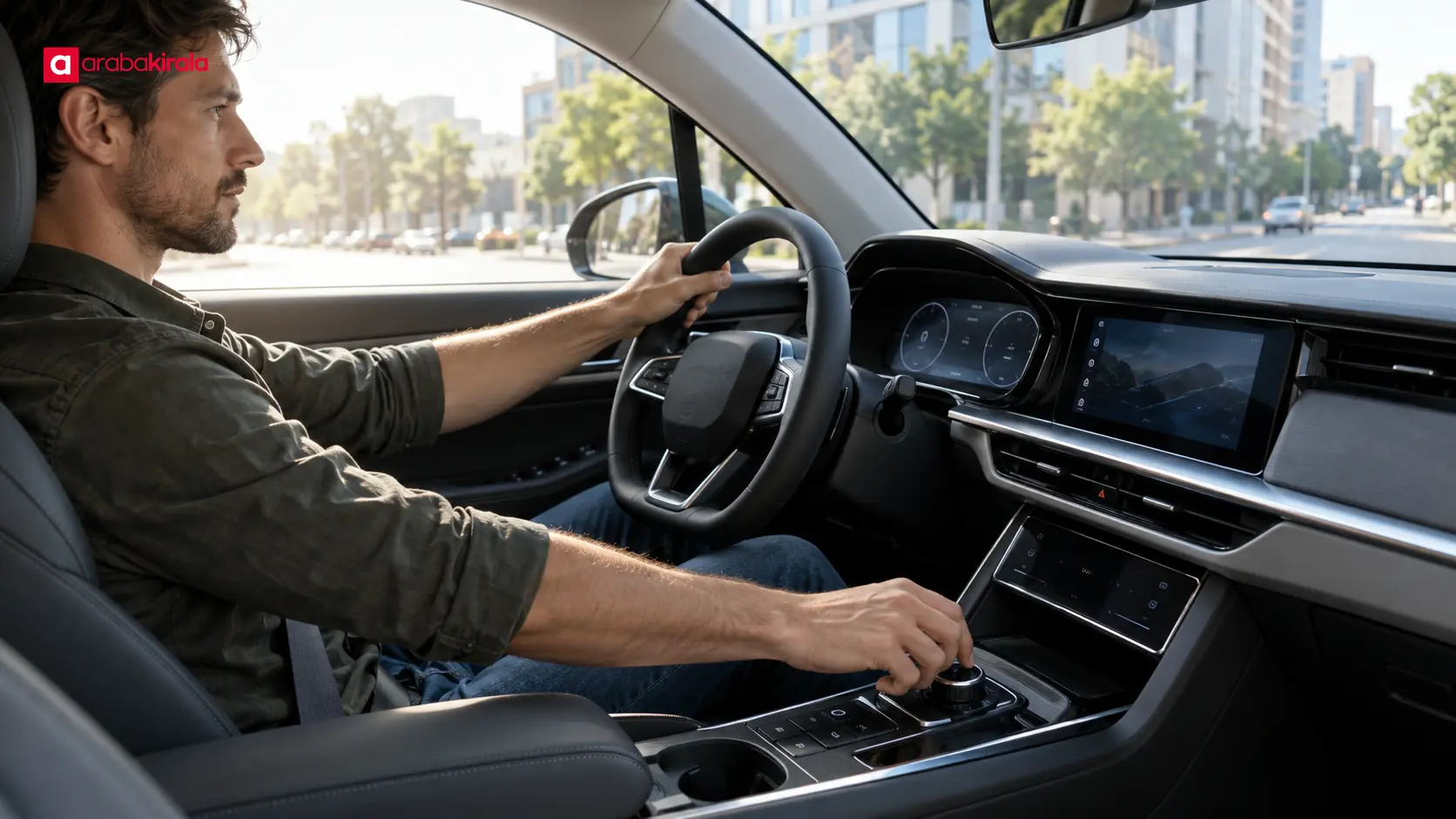
Learning the control locations, mode indicator and basic gear positions during handover helps you start more confidently. A drive mode control may be on the center console, near the steering wheel or in a vehicle screen menu. After making a selection, check whether the dashboard confirms it. Do not assume the control layout matches a car you have driven before.
If your route includes long climbs, heavy city traffic or winter conditions, review the relevant vehicle instructions before setting out. Availability of a particular mode, how it is activated and whether the setting remains after restarting can differ by model. Ask the branch where you will rent the car about vehicle and reservation specific details.
Frequently asked questions
Does Sport mode give the engine more power?
Not necessarily. It often changes throttle response and shift timing so available power can be requested sooner or held ready longer. Whether the vehicle’s actual output changes depends on its design.
Does Eco mode guarantee fuel savings?
No. Eco can support settings intended to consider consumption, but real results depend on driving style, traffic, gradient, weather, climate use and vehicle load.
Can a drive mode change traction control?
Some surface focused modes may alter how traction or stability systems respond; other modes may only change powertrain or pedal behavior. Use the vehicle manual to understand the scope for that car.
Summary and next step
Car drive modes can change how pedal input is interpreted and how the powertrain responds. Eco may favor a more measured response, Sport may sharpen throttle or shift behavior, and surface specific settings may tune control for particular grip conditions. The effect varies by vehicle, and no mode replaces safe driving. At rental pickup, identify the setting in the vehicle instructions, confirm its dashboard indicator and ask the branch about equipment or use details for that specific car.
Legal Disclaimer: All content, articles and information on the Araba Kirala website are provided solely to inform users. No information shared on this website constitutes definitive advice or guidance. Araba Kirala Teknoloji A.Ş. and its authors cannot be held responsible for any direct or indirect damages arising from the application of information on the website. For all questions and requests regarding car rental, please contact the office from which you will rent your vehicle.