Car Insurance Declarations and Documents: What to Check in a Policy
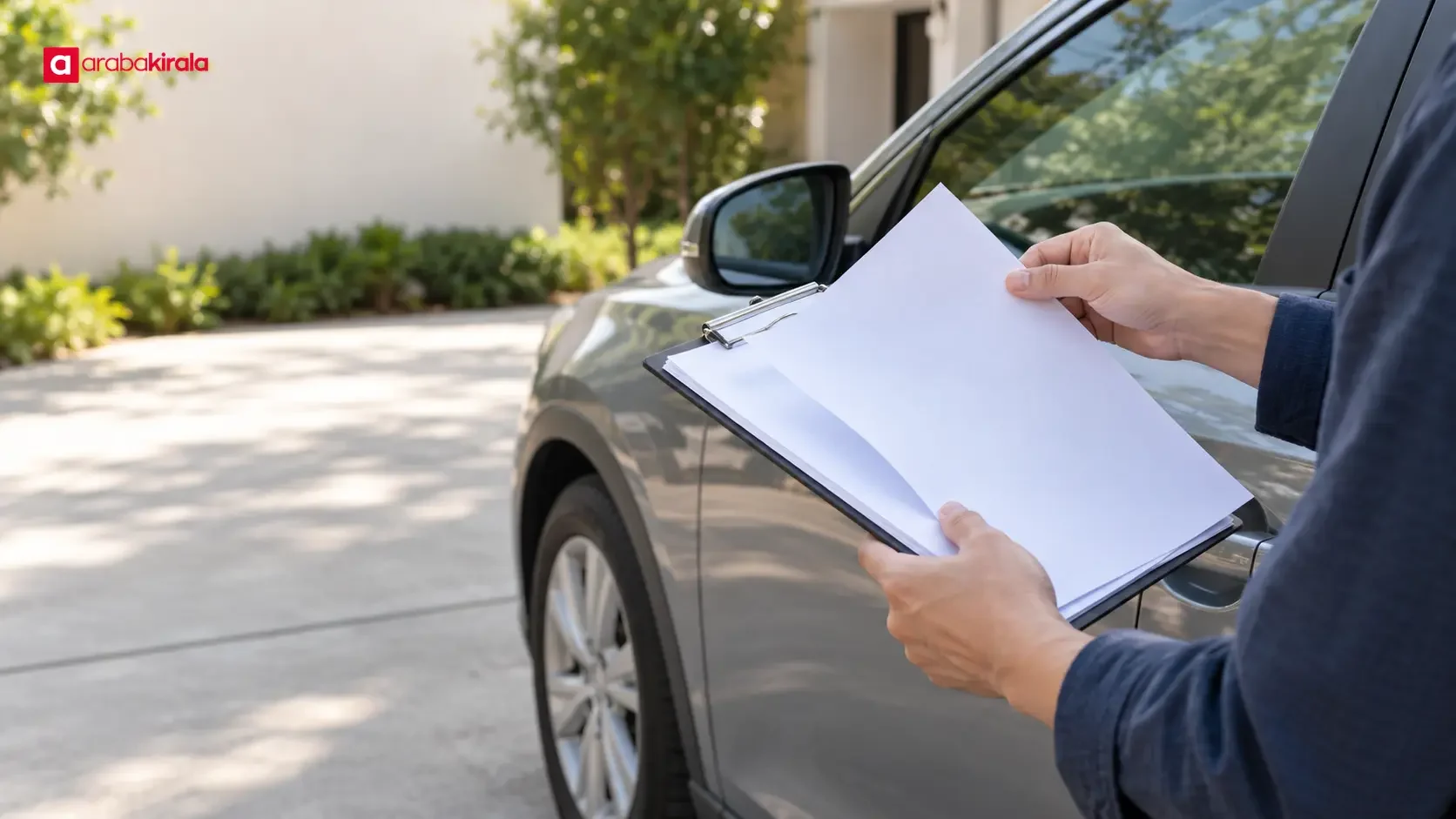
The car insurance declaration process involves checking whether the information provided with an application appears accurately in the policy and related documents. A misspelled name, an incorrect vehicle identifier or an unclear coverage description can create confusion when the policy later needs attention. Review more than the premium: identify who and what vehicle are insured, the policy period, the stated coverages and whether the records agree. This guide offers general information. For product specific details, rely on the current policy and the official documents supplied by the insurer that issued it.
What are a declaration and a policy?
A declaration is information supplied during an application so the insurer can assess and issue the requested product. It may include details about the vehicle, the insured, how the vehicle is used, and other information requested for that application. Required fields vary by product and application. Do not assume that an unasked detail is part of the declaration; answer requested questions using records where possible rather than memory or guesswork.
A policy is the central document describing the insurance contract and the coverages issued. An application, quote, policy and subsequent document may be created at different stages. A quote is not necessarily the same as an issued policy. If an item in the application summary differs from the policy, ask the issuing insurer to explain the discrepancy. An endorsement or other later document may amend an earlier record, so identify which version is current before relying on it.
Which identity and vehicle details should you check first?
Insured and vehicle owner
Compare the insured person's name or business name and any identity or tax details shown with the application records. If the vehicle owner is also listed, check that entry separately. Do not assume that the insured and owner are the same person; the document should make clear which person has each role. A spelling error in a name, an incomplete business name or a mistyped identification number can make it harder to match the policy to the right record. Share personal information only through a necessary and secure channel.
Vehicle identifiers
Compare the registration number, make and model, model year, and engine or chassis number when those items appear, against the vehicle registration document and policy. Not every document or product will show every identifier. If even one character differs, do not dismiss it as a formatting issue. Ask which record is correct and whether the policy needs an amendment. Confirm that the registration details are current and that the policy is for the vehicle named in the application.
If a vehicle has been modified, its use has changed, or an official vehicle record has been updated, ask whether that change needs to be reported for the policy. It would be inaccurate to say that every change automatically affects every policy. Describe the change specifically and keep a written record of the response.
How should you read the coverage?
A coverage heading signals a type of risk addressed by the policy, but it does not explain the whole scope by itself. Read the coverage description together with exclusions, special terms, limits and any deductible or excess information. A limit may set a stated financial ceiling for a coverage. A deductible or excess describes an amount that may remain the policyholder's responsibility under specified circumstances. How these terms apply depends on the wording of the particular product, so do not infer a definite outcome from a label alone.
If a policy names a coverage but places its detailed description in another document, obtain and read that document too. Pay attention to wording such as “included,” “excluded” and “subject to,” and identify which events and conditions those words refer to. The presence of a coverage does not mean that every kind of loss or expense is covered. If the wording is unclear, ask for an explanation tied to the specific policy clause rather than relying on a generic example.
The compulsory or optional nature of a product can affect its coverage structure. This article does not describe the current scope of a particular product or make claims about legal requirements. Check the current policy and the insurer's official product documents to verify the product type and listed coverages. Do not base a decision solely on a coverage heading or a short promotional description.
Review dates, premium and document completeness
Check the start and end dates, issue date and dates on any additional documents. These dates may serve different purposes. The policy period should be read from the validity information on the document. If the date format could be read in more than one way, confirm whether it is day-month-year or month-day-year. Do not assume that a loss occurring outside the stated period is covered.
Compare the premium and payment details with the amounts on the policy or official payment record. Where shown, distinguish the total premium from installments, due dates, collected amounts and any balance. If a quote, issued policy and payment record show different figures, ask for a document based explanation of the difference, such as whether it relates to a coverage selection, an update or another item. Do not guess at the reason.
Check the policy number, page count and attachments. Special terms may appear on a later page or in a separate attachment. Make sure the file is complete and note its issue date so you can distinguish the current version from an older copy. This matters when a change has resulted in a replacement document.
What to do when a declaration is wrong or records conflict
First identify the discrepancy precisely: note what each document says and which field differs. Gather the record that supports the correct detail, such as the vehicle registration, identity record or application summary. Contact the insurer or its official policy service channel to request an explanation or correction. Ask whether the correction will be reflected in an amended policy document and when you can expect to receive it.
Keep the contact date, reference number and response. If an important explanation is given verbally, ask for written confirmation of a coverage or record change. Share the policy number and only the documents requested, using a verified and secure channel. Before sending records, confirm that the recipient is an official channel for the insurer.
If a question about a declaration arises during a claim or service request, describe the event and available records accurately. Do not fill gaps by guessing; state clearly when a detail is uncertain. This helps keep the review based on consistent information. A general article cannot determine the legal or insurance outcome of a document error; the policy wording and the records related to the event matter.
A practical check before and after issuance
- Compare application answers with identity and vehicle records; do not guess at details you cannot confirm.
- Check the product and coverages, then read their descriptions, limits, exclusions, deductibles and special terms together.
- Confirm that the insured, vehicle owner and vehicle identifiers refer to the correct people and vehicle.
- Review the policy period, policy number and dates on any additional documents.
- Resolve differences among a quote, policy and payment record through a written explanation.
- Store the policy and attachments securely and avoid sharing personal information unnecessarily.
Frequently asked questions
What if the registration number is right but the chassis number differs?
Compare the policy and vehicle registration record, then contact the issuing insurer. Confirm in writing how the discrepancy will be corrected and how you will receive the current document. Do not decide on your own that a character difference is unimportant.
Why does the difference between a quote and a policy matter?
A quote may show information from the application or pricing stage; a policy is the issued contract document. If coverage, dates or amounts differ, ask the issuing insurer which record applies and why the difference occurred.
Does the coverage heading provide enough information?
No. Read the coverage description, limits, exclusions and any deductible or excess as well. These details are in the product wording; a heading alone does not establish which events are covered.
Can I edit an application form myself after finding an error?
Ask the insurer's official service channel about its correction process rather than changing an application record on your own. Keep written confirmation of what document supports the update and how it will appear in the policy.
Why the final review matters
Careful document review during a car insurance declaration process helps establish which person, vehicle, period and coverages the policy describes. Match identity and vehicle records, read the full coverage wording, compare dates and payment records, and resolve discrepancies promptly. For product specific answers, use the current policy and ask about an unclear clause by referring to its wording or section, then keep the explanation in writing.
Legal Disclaimer: All content, articles and information on the Araba Kirala website are provided solely to inform users. No information shared on this website constitutes definitive advice or guidance. Araba Kirala Teknoloji A.Ş. and its authors cannot be held responsible for any direct or indirect damages arising from the application of information on the website. For all questions and requests regarding car rental, please contact the office from which you will rent your vehicle.