How to Review Your Car Insurance Policy Before Renewal

Published: October 9, 2026 • Reading Time: 6 min • Last Updated: October 9, 2026
Learn how to check policy dates, vehicle details, coverage, exclusions, deductibles and claims information before renewing car insurance.
Contents
- Identify the policy period and type first
- Match the vehicle and insured details
- Read coverage, limits and exclusions together
- Clarify claim-free discounts, deductibles and claim steps
- Assess the premium alongside the coverage
- A practical pre-renewal checklist
- Conclusion: check both the offer and the issued policy
- Frequently Asked Questions
As your car insurance renewal date approaches, checking only the premium or expiry date can leave important details unnoticed. This guide explains the difference between compulsory third-party motor insurance and comprehensive cover, how to verify vehicle and insured-person details, and how to review coverage, limits, exclusions and claims information before the next period begins. The aim is to understand what is changing and resolve unclear points before renewal.
Identify the policy period and type first
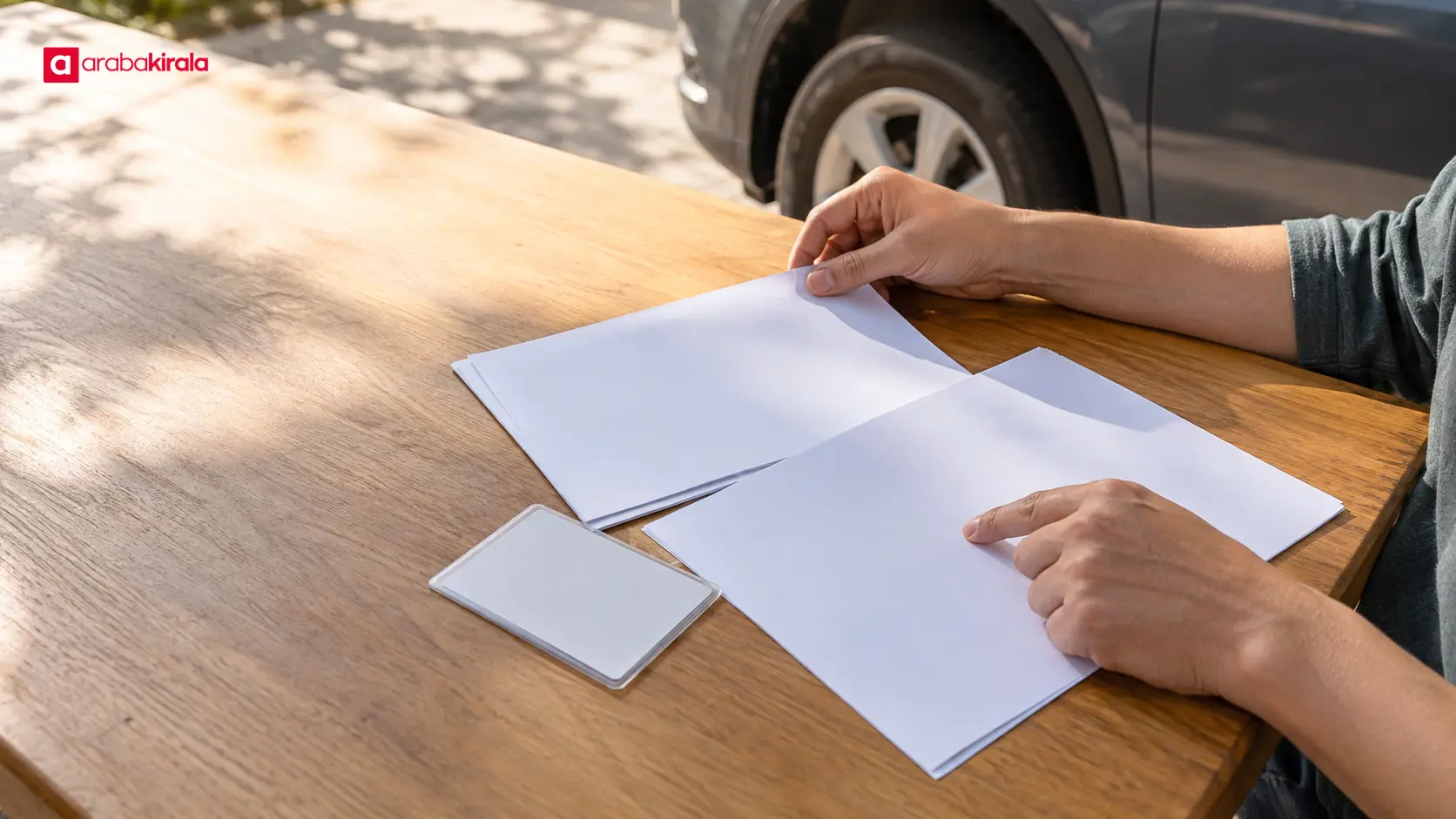
Find the policy’s start and end dates, and distinguish them from a quotation, payment date or reminder. Starting the review before the final day gives you time to verify information and read the issued document. Note the type of each policy as well. Compulsory third-party motor insurance and comprehensive cover address different risks. Third-party insurance concerns liability for injury or property damage that may be caused to others through the use of a motor vehicle, subject to the applicable framework. Comprehensive cover concerns damage to the vehicle described in the policy; its scope depends on the product and wording.
One policy should not be assumed to replace the other. If you have more than one policy, check the name, insured party, vehicle details and effective dates on each document separately. Comprehensive policies may include optional extensions; do not treat those extensions as part of every basic policy. Check how the product and any add-ons are described in the current documents.
Match the vehicle and insured details
Compare the registration number, make and model description, vehicle type and, where shown, chassis number against the vehicle registration document. If you notice a spelling or transfer error, contact the insurer or authorized channel before the renewal document is issued. If the vehicle’s recorded details or use have changed since the previous term, ask how the change should be reflected. Matching the policy to the correct vehicle helps prevent confusion when you need to retrieve documents later.
Review the insured person, vehicle owner and contact details too. If a name, identification detail or contact channel is outdated, ask how to correct it. The terms “insured” and “driver” may not mean the same thing in every product, so use the policy wording to understand each party’s role and any notification requirements. Share personal information only through trusted official channels.
Read coverage, limits and exclusions together
A coverage heading alone does not tell the whole story. The events covered, any sublimits, deductibles and exclusions work together. Seeing the name of a benefit does not mean every loss will be paid or every expense covered. Read the relevant section to see which event it applies to, how it is limited and what conditions apply. If a phrase is unclear, ask the insurer about the specific section and compare the explanation with the written wording.
For a comprehensive policy renewal, compare the new offer with the previous policy line by line. Read what conditions apply to events such as theft, collision or natural events; do not interpret these headings as guarantees against all damage. Check separately whether optional benefits such as roadside assistance, replacement vehicle or additional liability cover are included and what boundaries apply. Do not assume they appear in every policy. The Turkish Insurance Association’s general conditions for land vehicle comprehensive insurance can help explain the broad framework, while your policy and its attachments establish the details applicable to your cover.

Clarify claim-free discounts, deductibles and claim steps
If the renewal offer refers to a claim-free discount or the effect of a previous claim, ask which period and records were used in the calculation. Do not use the discount amount alone as an indicator of coverage: the new offer may also have changed its benefits, deductible or limits. A deductible can mean an amount or share that remains with the insured for a particular loss. Ask how it applies to the relevant events and how it is calculated under your wording.
Read the policy for the method of notifying a claim, documents that may be requested, and any applicable timing or submission requirements. These details can vary by product and event, so avoid generalizing. Keep emergency and claims contact information somewhere accessible. If the policy number changes at renewal, organize the old and new documents by their respective coverage periods.
Assess the premium alongside the coverage
When reviewing a renewal premium, first confirm which policy and period the offer relates to. Check the total, any installment arrangement and payment dates stated in the offer. Avoid assuming a single reason for a price change: premiums can depend on vehicle and insured data as well as the product’s cover and conditions. Comparing two offers with different coverage solely by total price does not provide a like-for-like assessment.
Check the same coverage headings and limits when making a comparison. If an item is missing from the new offer, ask whether it has been removed, offered separately or listed under another name. After payment, confirm that the policy has been issued and shows the correct period. A quote or payment record is not a substitute for reading the final policy; keep the issued document.
A practical pre-renewal checklist
- Confirm the policy type and its start and end dates.
- Match the registration number and vehicle details to the registration document.
- Review insured, ownership and contact details.
- Compare coverage, limits, deductibles, exclusions and add-ons with the previous term.
- Locate the written explanation of claim notification and document requirements.
- Check the premium, payment plan and effective period shown in the offer.
- Ask the insurer or authorized channel to clarify unclear wording before the new period starts, then verify the answer against the document.
Renewal details vary by product and policy. If an offer does not clearly state a condition, do not fill in the gap with an assumption; request written clarification from the insurer or authorized channel. Official general conditions provide framework information and do not replace the terms specific to your policy.
Conclusion: check both the offer and the issued policy
A useful car insurance policy renewal check brings together dates, vehicle and insured details, coverage, limits and exclusions, claims steps and payment information. Compare the new offer with the previous term across these points and get unclear wording explained in writing. Once renewal is complete, open the issued policy and confirm its effective dates and the coverage you agreed to. That final review helps you know what protection carries into the next period and under which stated conditions.

Frequently Asked Questions
When should I begin checking my car insurance renewal?
Start when you identify the policy’s end date; there is no universal preparation window. Reviewing it early leaves time to ask about errors in vehicle details and read the renewal offer.
Do third-party motor insurance and comprehensive cover provide the same protection?
No. Third-party motor insurance concerns liability to others, while comprehensive cover concerns damage to the vehicle described in the policy. Review the scope and conditions of each product in its own documents.
What should I do if the registration number or vehicle details are wrong?
Contact the insurer or authorized channel before the renewal document is issued and confirm the correct information against the vehicle registration document. Then check that the correction appears in the new policy.
Does a coverage heading mean every claim will be paid?
No. The event description, limits, deductibles, exclusions and any special conditions all matter. Ask for an explanation of the specific wording if it is unclear.
Why might my renewal premium differ from last year’s?
The information used to price the policy and the product conditions may change, so it is not helpful to assume a single cause. Confirm the period and coverage the premium relates to and whether it matches the previous policy’s scope.
Legal Disclaimer: All content, articles and information on the Araba Kirala website are provided solely to inform users. No information shared on this website constitutes definitive advice or guidance. Araba Kirala Teknoloji A.Ş. and its authors cannot be held responsible for any direct or indirect damages arising from the application of information on the website. For all questions and requests regarding car rental, please contact the office from which you will rent your vehicle.