How to Match Car Class, Luggage and Passenger Needs When Renting
Choosing a car rental class is not simply a choice between a small and a large car. Passenger numbers, the shape and amount of luggage, trip length, route and comfort all matter. A suitable class helps passengers travel without crowding and gives belongings a secure place. Treat a class description as a guide to a group of vehicles, not a promise of a particular model. Ask the branch you plan to rent from about available options and details that matter to your trip.
What does a car class tell you?
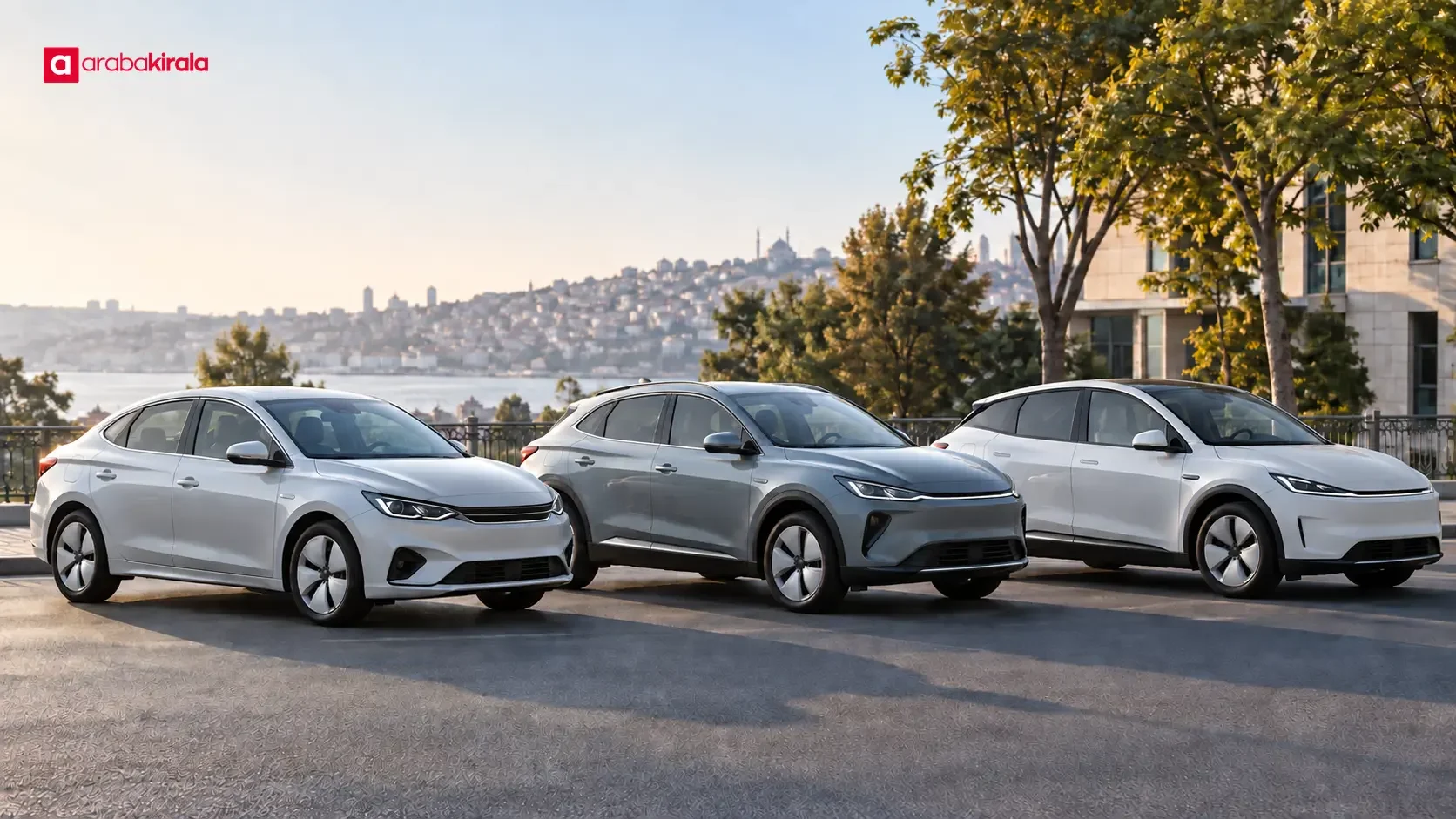
A car class groups vehicles with broadly similar size or intended use. It can help you understand the general kind of vehicle on offer, but cars in the same class may differ in cabin dimensions, boot shape, door layout and equipment. The class name alone therefore cannot confirm how comfortably everyone will sit or whether every bag will fit.
Booking information may combine a class label with body style, passenger capacity or luggage guidance. These details are useful starting points, but they do not guarantee that your particular passengers and belongings will fit comfortably. A quoted boot volume can indicate approximate space; the width, height and shape of your suitcases matter too. Large rigid cases are less flexible to arrange than soft bags of similar volume. Consider the body style and the approximate dimensions of your luggage before booking.
Start with passengers and seating arrangements
The number of seats is only part of the question. Think about how passengers will sit throughout the trip. The number of adults affects leg and shoulder room in the back, particularly on a long drive. A seating arrangement that works for a short city trip may become tiring after several hours. If more than one person will sit in the rear, consider whether each can sit comfortably and use a seat belt properly, rather than relying on the seat count alone.
Travel with children calls for a separate check of the child seat and how it fits in the vehicle. A child seat takes up space and can affect where other passengers sit. If you bring your own seat, check installation compatibility against the instructions from the vehicle and seat manufacturers. Ask the rental branch about child-seat availability or compatibility with a particular body style; do not assume every location offers the same options.
Assess luggage by shape and volume, not just by count
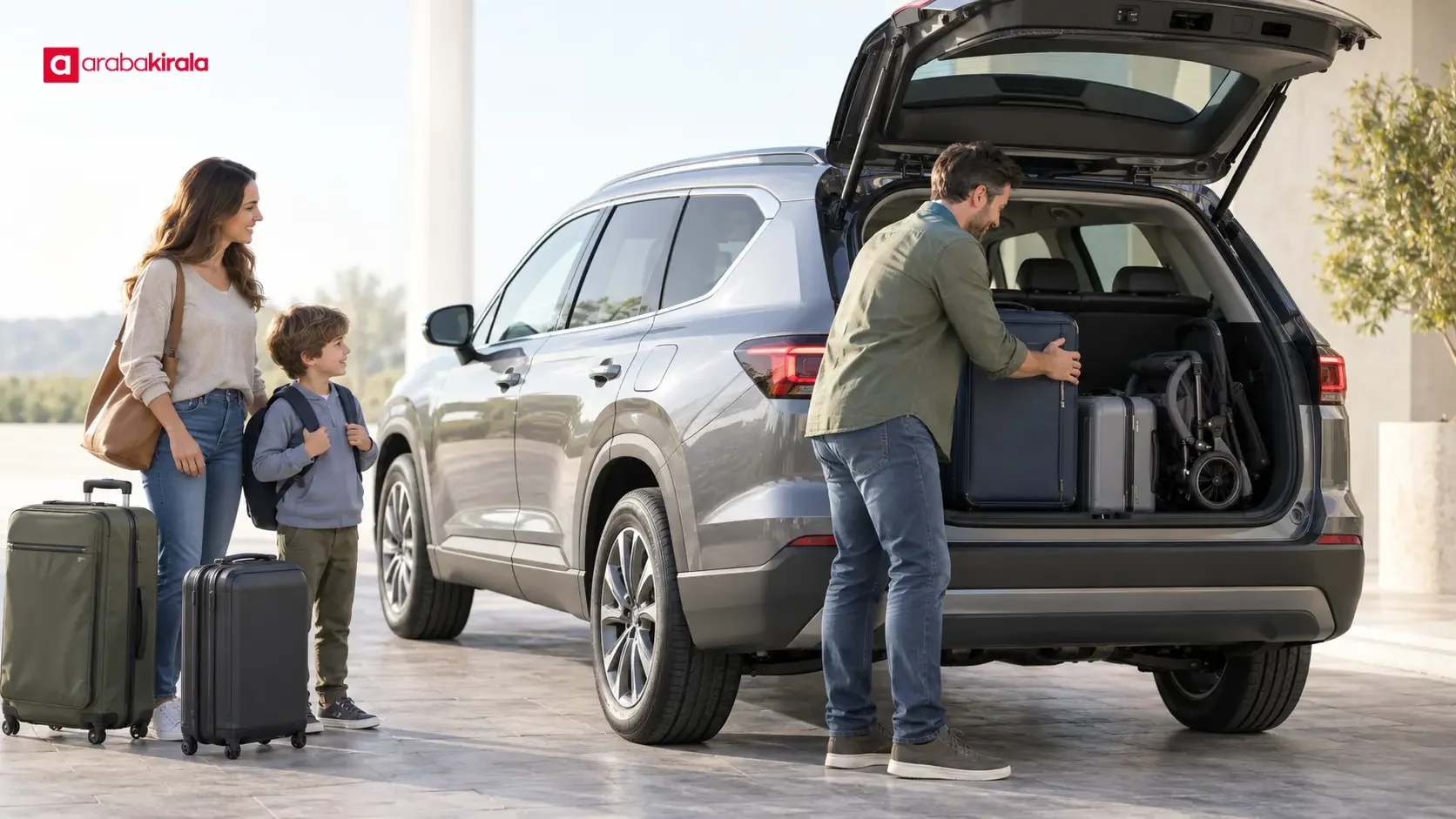
A count such as “three suitcases” is not enough to plan the load. A cabin bag, a large hard-shell case, a stroller, sports equipment or a folding wheelchair each needs a different amount and shape of space. Make an inventory before the trip. Note the approximate dimensions of larger items, how many there are and whether they fold. The boot opening matters as well: an item may fit within the boot's volume but be awkward to get through a narrow opening.
The shape of the luggage area affects usable space. Wheel arches, a sloping rear window or a high loading lip can make some items harder to place. Folding the rear seats may create more room, but it reduces or removes seating for rear passengers. Any items carried in the cabin also need to stay in place while the car is moving. Keep seat belts usable and avoid placing luggage where it blocks the driver's view. Passenger space and secure stowage both count when deciding on a class.
Include the route and the way you will use the car
For city driving, frequent stops, narrow streets and parking can make a vehicle that is easier to manoeuvre more convenient. On a long drive, passenger comfort, seating, luggage arrangement and time on the road become more prominent. Rural routes may bring different road surfaces, slopes and parking conditions. Make your decision based on the most demanding part of the trip, including the section with the most passengers or luggage, rather than only the first leg.
A larger vehicle can call for more attention when parking or turning in confined spaces. If you will be driving a vehicle noticeably different in size from the one you usually use, take time at pickup to set the mirrors and seat, check visibility and familiarise yourself with the main controls. Understanding the vehicle's dimensions before setting off can make it easier to manoeuvre in a car park or busy street.
A practical way to narrow down your options
First list the essentials: number of passengers, any child-seat requirement, large items and total luggage. Then rank preferences such as easy parking, extra cabin room, a certain body style or long-distance comfort. Do not choose an option that fails a basic need just because its class sounds small or economical. At the same time, a vehicle larger than necessary is not automatically the most convenient choice for every journey.
Read the class and capacity information in the booking details. If something remains unclear, ask the branch you intend to rent from what the class description means, what information it can provide about space for large cases, whether a child seat is available and how the options for your pickup date can be confirmed. Sharing your passenger arrangement and luggage list makes the question more specific. Describe the features you need rather than assuming that a particular model will be supplied.
Check the space and setup at pickup
At pickup, confirm that the vehicle offered suits your passenger and luggage needs. If practical, try arranging the bags before leaving. Check that larger items pass through the boot opening and that the seating arrangement leaves adequate room for passengers. Do not load items so high that they block the rear view, and secure loose belongings so that they cannot shift during braking.
Adjust the seat, mirrors and steering position before driving. Check that everyone can fasten a seat belt comfortably, that any child seat is installed according to its manufacturer's instructions, and that the luggage does not obstruct visibility. If the vehicle's body style or usable space differs from what you expected, discuss the available options with the branch before setting off. Respect the vehicle's stated carrying capacity and keep safe visibility a priority.
Frequently asked questions
Does a car class guarantee a particular model?
Not necessarily. A class can describe options with broadly similar features, while makes, models and interior space vary within the group. Confirm booking and pickup details with the branch you plan to rent from.
Can I judge luggage capacity by the number of suitcases?
No. Dimensions, rigid or flexible construction, the boot opening and other items all affect how luggage fits. Preparing a list and approximate measurements of larger items helps you make a more informed choice.
Is a larger class always better?
No. Extra room can help with passengers and luggage, but a larger body may need more care in narrow streets and parking spaces. Focus on the size that meets your needs and remains practical for your route.
Does choosing a class confirm that a child seat will fit?
No. The seat type, installation method and interior layout matter. Check the manufacturers' instructions for compatibility and ask the branch handling your reservation about availability and fit details.
Choose for the trip you will actually make
Match the car class to passenger numbers, the actual shape and size of your luggage, child-seat needs, route and parking conditions. The class label is a starting point; identify the features your journey requires instead of assuming a specific model or branch service. Measuring larger items, reading the capacity information carefully and clarifying unresolved details with the rental branch can help you choose an option that fits your plans.
Legal Disclaimer: All content, articles and information on the Araba Kirala website are provided solely to inform users. No information shared on this website constitutes definitive advice or guidance. Araba Kirala Teknoloji A.Ş. and its authors cannot be held responsible for any direct or indirect damages arising from the application of information on the website. For all questions and requests regarding car rental, please contact the office from which you will rent your vehicle.