How a Car Suspension System Affects Road Handling and Comfort
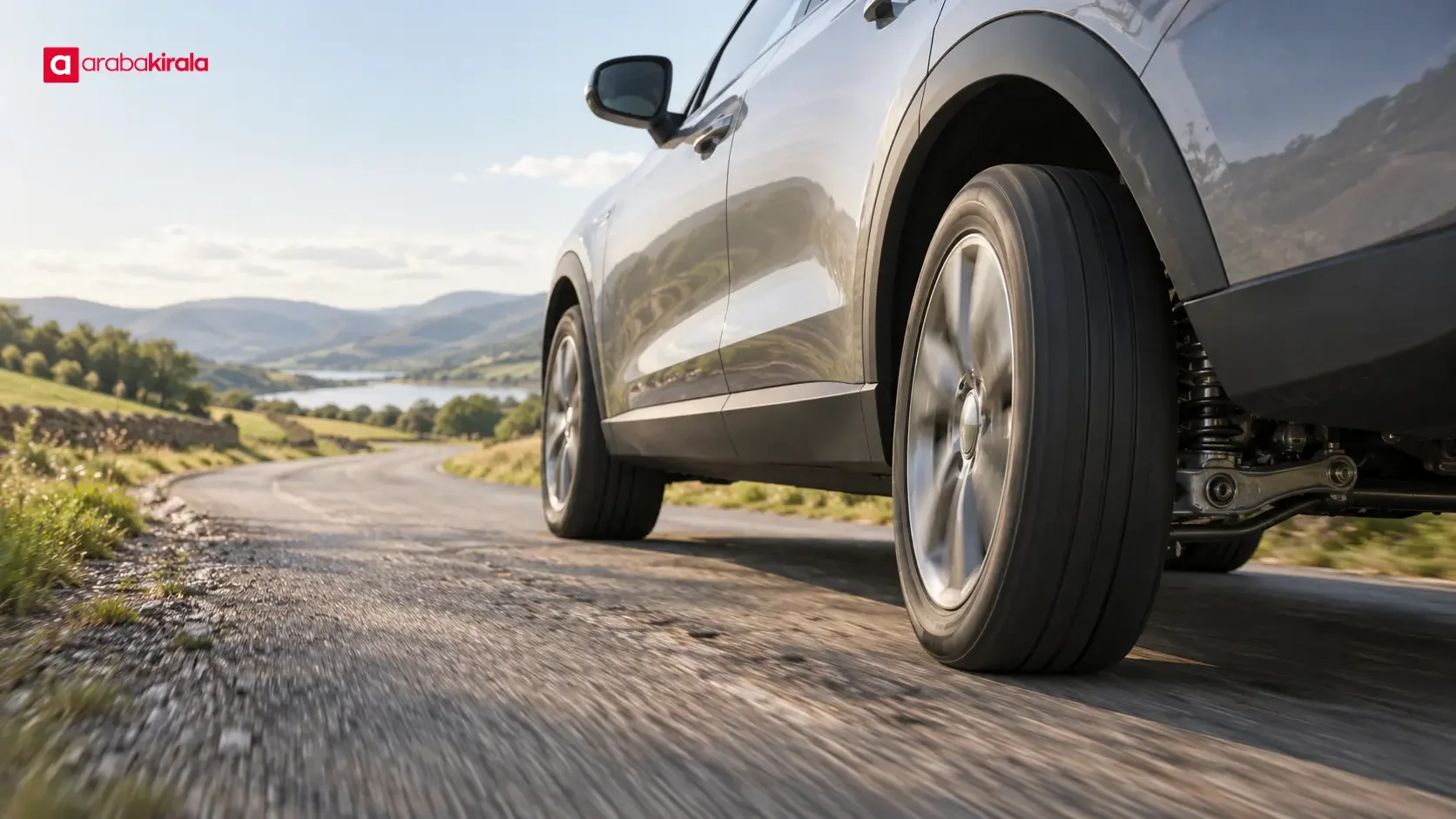
A car suspension system connects the wheels to the body while managing the movement caused by uneven roads. Springs respond to impacts by flexing and storing energy; dampers control the resulting movement, and links guide the wheels through their travel. Together, these parts influence both ride comfort and the tires’ contact with the road. Understanding the system helps drivers make sense of changes in how a car feels and use it more thoughtfully.
What does a suspension system do?
Roads are not perfectly smooth. When a wheel crosses a pothole, ridge or bump, it moves relative to the car body. The suspension helps keep that movement from reaching the cabin as a sharp jolt, while allowing the tire to follow the road. Tire contact matters because the tires generate the forces used for braking, steering and acceleration. If a tire loses contact, its ability to contribute those forces can be reduced. Suspension therefore supports vehicle control as well as comfort.
Suspension is only one part of the overall picture. Tires, steering, brakes, vehicle weight and weight distribution also affect how a car behaves. For example, worn tires or incorrect tire pressure can change grip and steering response even when suspension components are in good condition.
Main suspension parts and how they work
Springs respond to bumps
When a wheel moves upward, a spring compresses and stores some of the impact energy. Once the wheel passes the obstacle, the spring expands toward its original position. Its flexibility affects how much the vehicle settles under load and how it responds to changes in the road. If spring movement is not controlled, the body can continue to bounce after an impact. A very firm setup, on the other hand, can transmit sharper road disturbances to the cabin. Vehicle designers choose spring characteristics alongside the rest of the suspension.
Dampers control repeated movement
A damper, often called a shock absorber, reduces the repeated movement that follows spring compression and rebound. Without effective damping, the spring can keep oscillating, the body may continue to bounce, and wheel movement can become less controlled. Dampers slow that motion by converting movement energy into heat. A spring and a damper do different jobs: the spring supports the vehicle and responds to a bump, while the damper controls how quickly the suspension moves.
Links guide wheel movement
Control arms, bushings, ball joints and other links connect the wheel assembly to the body. They help define the wheel’s path and the way forces pass through the suspension as the wheel moves. Bushings are flexible joints that can help reduce vibration. Wear or looseness may be associated with noise, play or a change in steering feel, but a sound alone does not identify a specific failed part. An inspection is needed to assess component condition.
Anti-roll bars and wheel alignment
Many vehicles use an anti-roll bar to help limit body lean from side to side in a turn. Wheel alignment describes the angles and directional relationships of the wheels. Those settings affect how the tires meet the road and how the car responds to steering. If a vehicle begins to pull to one side after an impact, or its tires wear unevenly, tires and wheel alignment should be considered along with suspension components.
How suspension affects handling and comfort
Ride comfort describes how much road movement occupants feel inside the cabin. When suspension movement is managed well, jolts and body shake can be reduced. Handling concerns the car’s response to steering and the tires’ ability to remain in contact with the road. The same suspension functions can contribute to both: keeping the wheels following the surface and controlling body movement. Still, a softer ride does not automatically mean better handling in every condition.
Spring rate, damper tuning, suspension travel, tire construction and vehicle weight all contribute to the result. A softer setup may make small bumps less noticeable, but it can permit more body movement. A firmer setup may limit body movement in some manoeuvres while making sharp impacts more apparent in the cabin. Because a vehicle is designed as a system, one component’s characteristic cannot by itself predict the car’s overall behaviour.
Why do suspension designs differ?
Vehicles may use independent or dependent suspension layouts, along with variations of each. In an independent layout, movement of one wheel on an axle can be less directly tied to the other wheel. In a dependent arrangement, the wheels are more closely linked through a shared structure. This basic distinction influences how the wheels respond to uneven surfaces and changing loads. It does not, by itself, rank ride comfort or handling: geometry, spring and damper choices, body structure and tires also matter.
MacPherson strut and multi-link arrangements are examples of designs used in passenger vehicles. Each involves different packaging, weight, cost and movement-control considerations. Drivers do not need to identify the suspension layout to use a car safely. Following the vehicle maker’s maintenance guidance and paying attention to unusual sounds or changes in behaviour are more practical steps.
Signs a driver may notice
Possible signs that a vehicle needs attention include more bouncing than usual after a bump, prolonged body movement after a turn, repeated knocking over rough surfaces or a change in steering response. Uneven tire wear can also relate to suspension, alignment, tire pressure or driving conditions. These signs can have several causes. A driving impression or visual check is not a definitive diagnosis.
If you see fluid leaking near a suspension component, notice damage around a wheel, or find that the car’s control has changed substantially, stop somewhere safe and seek professional help. If you are unsure whether it is safe to continue, avoid manoeuvres that could increase risk. Do not attempt to dismantle suspension parts or get underneath a car supported only by a jack; those tasks require suitable equipment and expertise.
Practical driving and maintenance tips
- Check the tires: Use the vehicle maker’s stated pressure values and check when the tires are in an appropriate condition. Pressure and tread wear affect both impact response and road contact.
- Adjust speed to the road: Slowing down for potholes, speed humps and rough surfaces reduces sharp impacts and sudden loads on the vehicle. Avoid crossing an obstacle with hard braking or a sudden steering input.
- Respect load guidance: Excess load can affect spring travel and vehicle responses, including braking. Follow the vehicle maker’s information, distribute luggage sensibly and keep your view unobstructed.
- Describe changes clearly: Note when a noise occurs, how steering feel has changed or where tire wear appears. Sharing these observations can help a technician inspect the vehicle.
- Pay attention when collecting and using a rental: During handover, look for visible damage, the general condition of the tires and warning lights. Report a concern to the office where you collected the car. Ask that branch where to find the vehicle’s operating guide and how to report a fault or request roadside assistance.
What should you check in a rental car?
You do not need to dismantle parts or diagnose a suspension fault yourself when collecting a rental car. Instead, notice any visible damage, persistent knocking, unusual bouncing, pulling to one side or dashboard warning. If the vehicle does not move safely, do not continue driving; contact the branch that handled your rental to ask what to do. If a new symptom appears during the rental, stop in a safe place and explain the situation to the branch.
Some details depend on the vehicle and reservation, such as where to find the owner’s guide, how to report damage or a mechanical concern, and which channel to use for roadside assistance. Confirm these with the branch before setting off so you know how to reach the right help. The odometer reading can help compare handover and return records; do not assume a distance allowance or limit, and confirm the term that applies to your reservation with the branch.
Frequently asked questions
Does suspension improve comfort or handling?
Suspension design and tuning affect both. Comfort relates to how much road movement reaches the cabin; handling involves tire contact and control of body movement. The result also depends on tires and other vehicle characteristics.
What is the difference between a spring and a damper?
A spring compresses in response to an impact, stores some energy and helps support the vehicle. A damper controls the oscillation as the spring compresses and rebounds. They work together but have different functions.
What does it mean if a car keeps bouncing after a bump?
Longer-than-usual bouncing may be a reason to have the vehicle checked, but it does not identify a particular faulty component. Consider any other changes and arrange a professional inspection.
How can you tell if suspension needs inspection?
Knocking, excess bouncing, pulling to one side or uneven tire wear may justify an inspection. Since these signs can have different causes, a qualified service professional needs to assess the vehicle to identify the problem.
What should I do if a rental car makes an unusual noise?
Stop somewhere safe and consider whether it is safe to keep driving. If the noise is new or the car’s behaviour has changed, tell the branch where you rented it and follow its guidance.
Legal Disclaimer: All content, articles and information on the Araba Kirala website are provided solely to inform users. No information shared on this website constitutes definitive advice or guidance. Araba Kirala Teknoloji A.Ş. and its authors cannot be held responsible for any direct or indirect damages arising from the application of information on the website. For all questions and requests regarding car rental, please contact the office from which you will rent your vehicle.