Car Weight Distribution: Balance, Braking and Cargo
Published: October 10, 2026 • Reading Time: 7 min • Last Updated: October 10, 2026
Learn how a car’s mass is shared between its axles and across its height, and how that affects handling, braking and carrying cargo. Get practical guidance for loading luggage safely and checking a rental car before driving away.
Contents
Car weight distribution describes how the vehicle’s mass is spread across the front and rear wheels, between the left and right sides, and at different heights. This guide explains how that distribution relates to handling, braking and cargo, how to arrange luggage, and what to check before setting off in a rental car.
What does weight distribution mean?
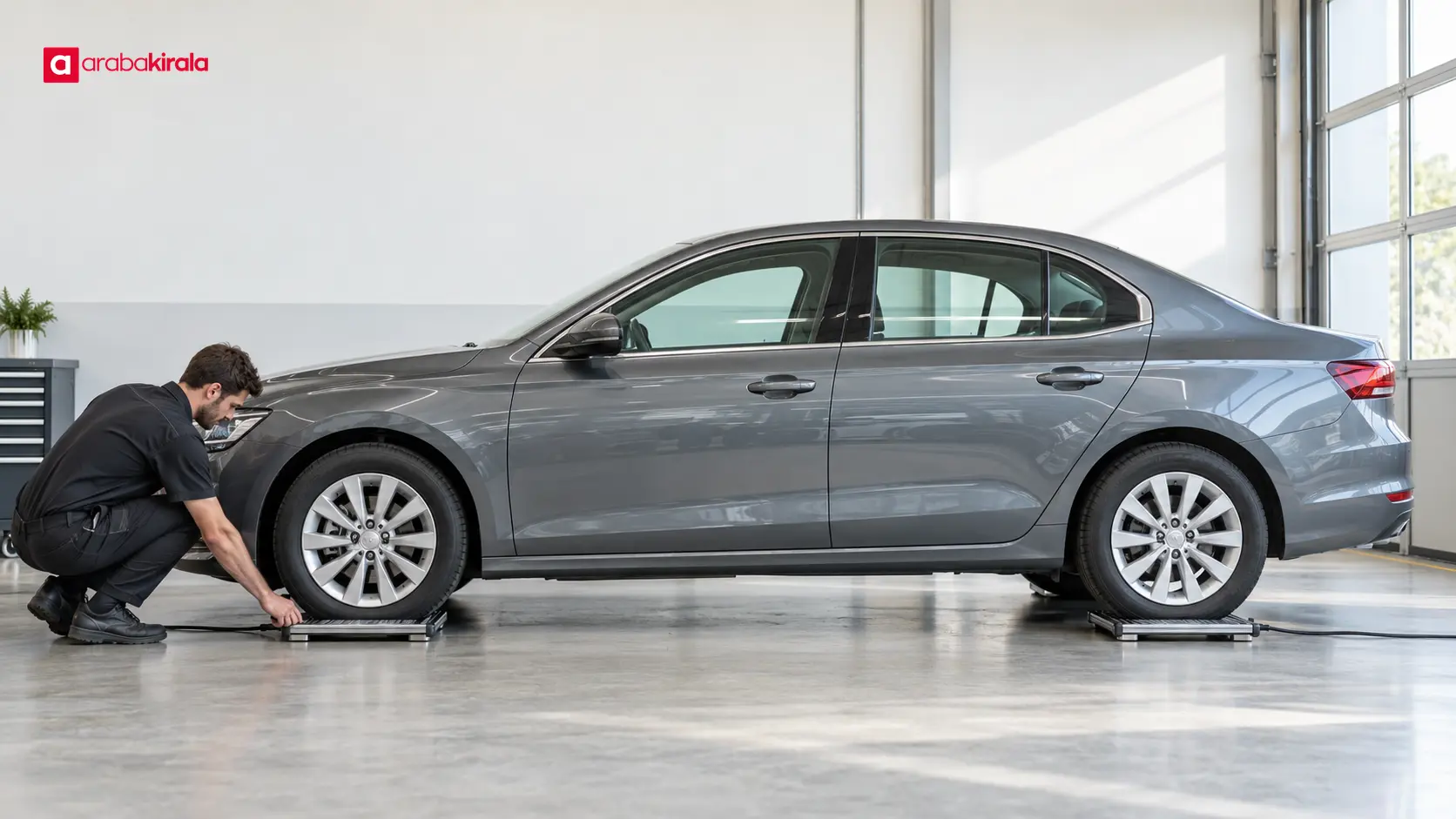
A car’s weight is not concentrated at one point. The engine, transmission, battery, occupants and luggage all contribute mass in different parts of the vehicle. The relationship between the load carried by the front axle and the load carried by the rear axle is its front-to-rear distribution. Uneven loads on the left and right also affect side-to-side balance.
Height matters too. When a vehicle’s center of mass is closer to the ground, the tendency for the body to lean during a turn or sudden direction change is generally reduced. Items carried on a roof rack raise the center of mass. So even when two items weigh the same, the one carried low and secured is usually in a more favorable position.
There is no single front-to-rear ratio that serves as a quality score. Engine placement, drivetrain, suspension tuning, tires and the vehicle’s design work together. A car’s ideal distribution cannot be judged from its appearance or engine layout alone. For drivers, the useful priorities are to follow the manufacturer’s load limits and keep the vehicle within its intended use.
How distribution affects handling
Load transfer in corners
As a car turns, load shifts toward the outside of the turn, changing the load on each tire. A higher center of mass can increase body roll. But cornering behavior also depends on tire condition, speed, road surface, suspension and steering inputs. Taking a corner too fast is unsafe even in a car with a balanced load.
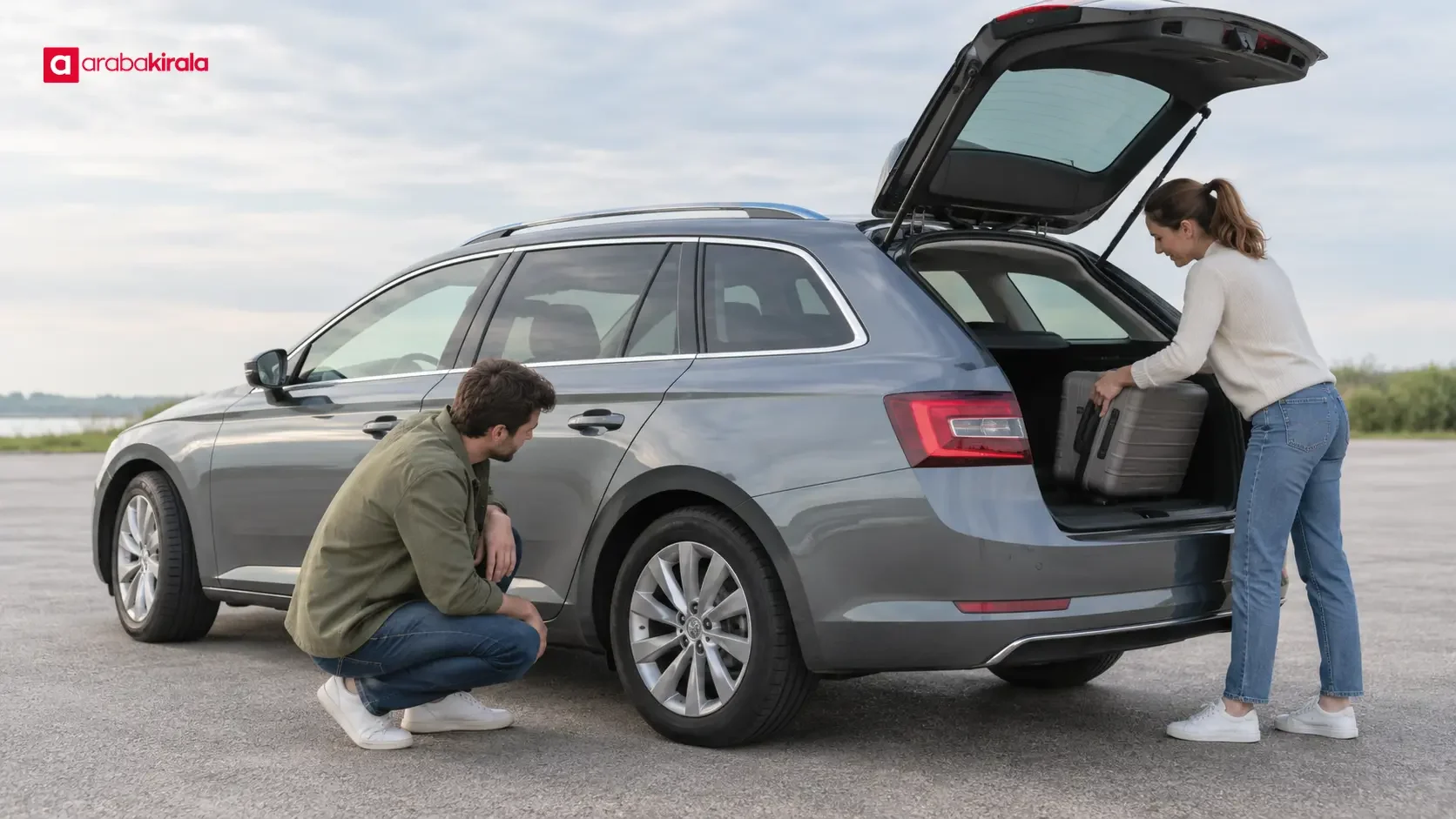
Piling heavy luggage at the very back of the trunk increases the rear axle load and can change the car’s responses. Concentrating weight on one side can upset left-to-right balance. When space allows, spread items out and keep heavy pieces as low and as close to the seat-back wall of the trunk as practical. “Close to the front” does not mean leaving loose objects in the passenger cabin: keep cargo in the cargo area and secure it so it cannot move forward under braking.
Understeer and oversteer
Understeer is when the front tires respond less than expected to steering in a turn; oversteer is when the rear of the car has more difficulty following the intended path. Load distribution and the grip available at each axle can contribute, but neither behavior has a single cause. Sudden steering, excessive speed, unsuitable tire pressure, worn tires and wet roads can all reduce control. Do not test these behaviors through maneuvers in normal traffic; choose a speed that suits visibility and road conditions.
What changes during braking?
When braking begins, load transfers forward: the front wheels tend to carry more load and the rear wheels less. That does not mean stopping distance is always the same. Tire grip, speed, road gradient, braking system, amount of cargo and how early the driver brakes all play a part.
Heavy cargo in the rear adds to the vehicle’s total mass, so more braking force is needed to slow a moving car. Loose items can also shift during braking, upsetting the vehicle or injuring occupants. Secure bags and boxes, and do not stack cargo so it blocks the driver’s view, mirrors or use of the windows.
If you notice unusual brake-pedal vibration, the car pulling to one side, a warning light or a clear change in braking performance, stop somewhere safe and contact the rental office or roadside assistance channel. Do not dismantle the braking system or test it in traffic.
Load safely and know the limits
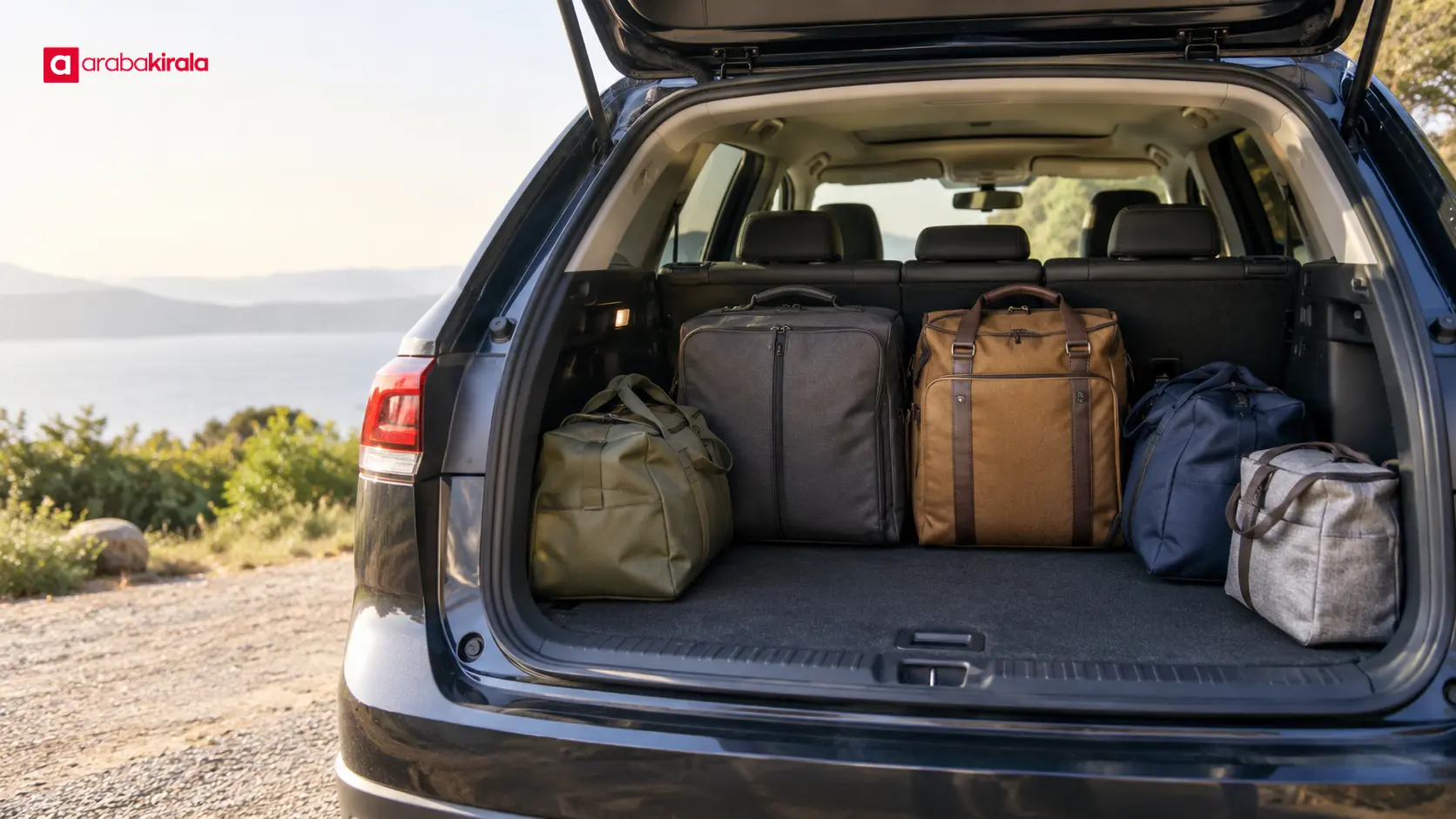
A vehicle’s carrying capacity is not unlimited. Occupants, luggage, accessories and added equipment all count toward the load. The owner’s manual’s maximum weight and axle-load information is a key reference for that specific model. Values can differ across body styles and equipment versions, so do not use another car as a benchmark. If you do not have the relevant information, ask the rental branch for the limits for the specific car.
- Place heavy suitcases on the trunk floor and distribute them evenly.
- Do not pile the load on one side; secure smaller items in gaps.
- Keep the trunk lid clear and preserve the driver’s view through the rear window and mirrors.
- Stay within the manufacturer’s maximum load and roof-carrier limits.
- Secure roof cargo according to the manufacturer’s instructions and account for its effect on vehicle height and balance.
- After loading, check the owner’s manual for the recommended tire pressure for a loaded car; do not treat the maximum pressure printed on a tire sidewall as the target pressure.
Passenger numbers and luggage amounts change both the vehicle’s total load and how it is shared between axles. After packing, check again that the car is not overloaded and that visibility remains clear. When carrying a heavy load, avoid sharp acceleration, braking and steering, and leave a longer following distance.
Practical checks before a rental pickup
At pickup, check whether the vehicle type suits your loading needs. Luggage capacity alone does not tell the whole story; the total carrying limit matters as well. If you plan a long trip or need to carry sports equipment or a stroller, share the dimensions and load requirements before the reservation. Ask the branch you will rent from about capacity or equipment details specific to the vehicle and location.
Before taking the keys, look for visible tire damage, dashboard warnings and cargo tie-down points. Have existing scratches and damage recorded in the pickup documentation, and compare the odometer and fuel level with the handover record. These checks do not measure weight distribution, but they help document the vehicle’s starting condition clearly.
If you rearrange the load during a trip, check at stops that items remain secured. If the car pulls to one side or sways unusually, stop in a safe place rather than making random adjustments, and ask the rental office for guidance. Exact carrying limits and handover record details can vary by vehicle and rental branch.
Summary: balanced cargo supports predictable driving
Weight distribution is one factor that affects cornering behavior, load transfer during braking and a car’s response when carrying cargo. For safer use, keep heavy items low and balanced, secure the load, preserve visibility and stay within the manufacturer’s stated limits. When choosing a rental car, work out your passenger and luggage needs in advance, then ask the pickup branch about the limits that apply to that vehicle.
Frequently Asked Questions
Does front-to-rear weight distribution alone determine a car’s handling?
No. Tires, suspension, drivetrain, speed, road surface and driver inputs also matter. A single weight ratio therefore does not make every car’s handling good or bad.
Does filling the trunk increase stopping distance?
More cargo increases the vehicle’s total mass and can affect braking needs. The exact stopping distance also depends on speed, tire grip, road conditions and the braking system; leave more following distance when the car is loaded.
Where should I put heavy items in a car?
Within the manufacturer’s load limits, place items low and evenly on the trunk floor. Secure them, and do not leave them loose in the cabin where they could threaten visibility or occupant safety.
Can a roof box affect driving balance?
Roof cargo raises the center of mass and changes the vehicle’s height. Check the manufacturer’s limits for the carrier and load, secure everything, and drive more gently.
How can I find the carrying limit for a rental car?
The owner’s manual or manufacturer information in the car can provide a reference for the exact model. Confirm the capacity details for your rental vehicle with the branch where you will pick it up.
Legal Disclaimer: All content, articles and information on the Araba Kirala website are provided solely to inform users. No information shared on this website constitutes definitive advice or guidance. Araba Kirala Teknoloji A.Ş. and its authors cannot be held responsible for any direct or indirect damages arising from the application of information on the website. For all questions and requests regarding car rental, please contact the office from which you will rent your vehicle.