What to Check in Your Policy Before Reporting Vehicle Insurance Damage
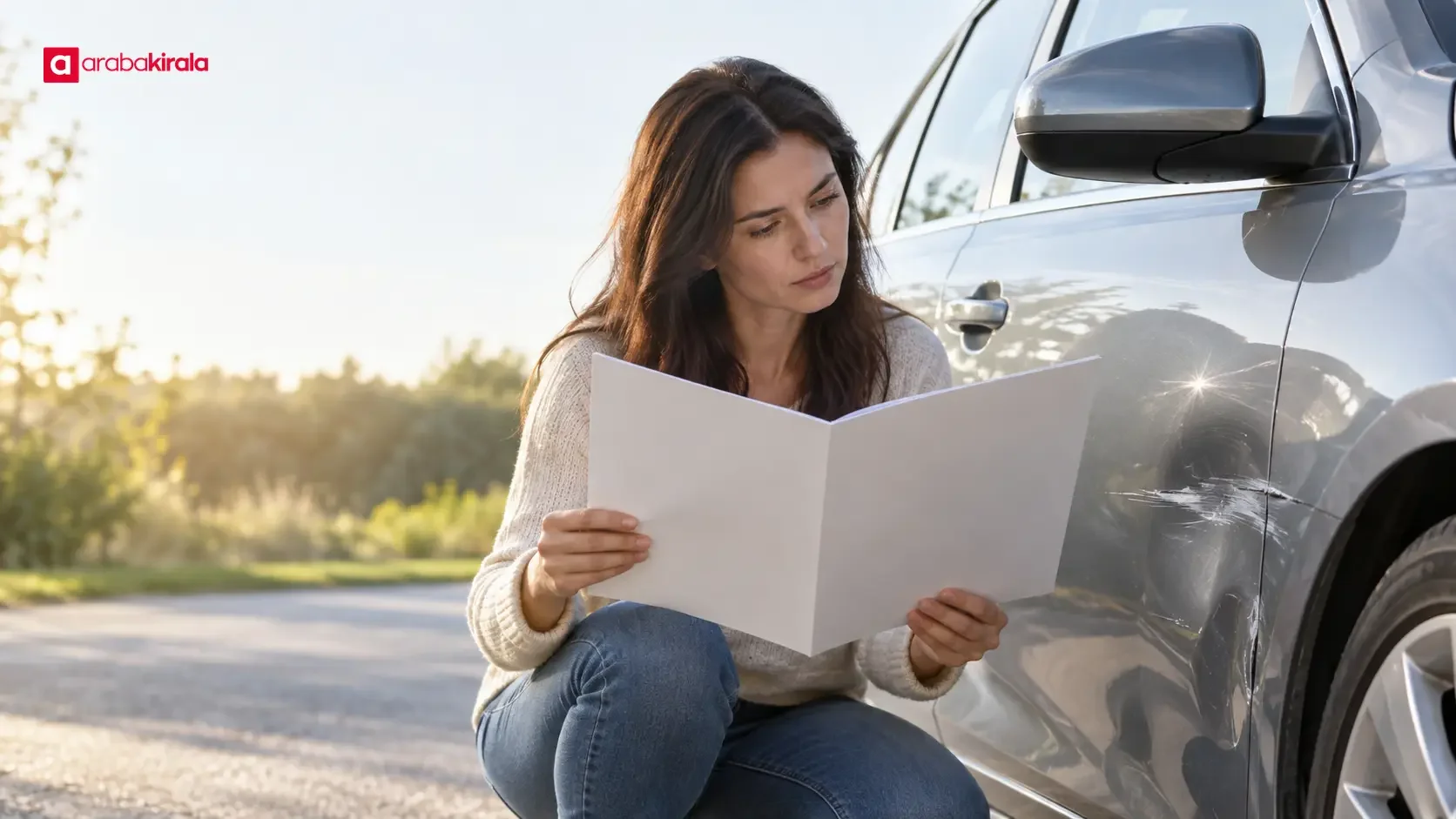
Before making a vehicle insurance damage report, review the policy alongside the details of the incident. This helps you direct the claim through the right channel and provide information that can be matched to the contract. A policy describes coverage and conditions; the presence of a coverage heading does not mean every loss is automatically covered. Check the insured vehicle, relevant coverage, exclusions, any deductible, reporting instructions and requested documents in the context of the event.
Confirm the policy and insured vehicle
Compare the named insured, vehicle registration or plate, make and model description, and policy number with the damaged vehicle. If you have several vehicles or policy documents, using the wrong one can delay correspondence. If a vehicle detail appears incorrect, contact the insurer or the issuing channel using its official contact details and ask how to correct the record and proceed. Check that the contact details attached to the policy are current, since they may be used in the claim process.
Review the policy start and end dates against the incident date. Check whether the event took place during the policy period. If there has been a renewal, endorsement or supplementary document, the original policy may not be the only relevant document. See what the later document changes and when it applies. If documents appear inconsistent, do not resolve the discrepancy by guesswork; ask the insurer to explain which wording applies to the event.
Find the coverage related to the damage
The explanation attached to a coverage heading matters as much as its name. Identify whether the loss concerns damage to the insured vehicle, another vehicle or person, glass, theft, or a weather-related event, then find the policy section addressing that type of loss. Coverage names and scope vary by product and wording. Finding a heading in the policy does not establish that every consequence of the event is covered. Read its description, any stated limits or sublimits, exclusions and conditions together.
Distinguish coverage for damage to third parties from coverage for damage to the insured vehicle. They can address different risks, and one does not imply that the other is included. A single incident can also involve several types of loss. Damage to the vehicle and damage to property carried inside it, for example, may be treated under different parts of a policy. Ask the insurer or its authorized claims channel which coverage may apply to each loss item and what supporting information is needed.
Read exclusions, conditions and deductibles
An exclusion identifies circumstances or losses that the policy leaves outside its coverage. After reading the coverage section, review the exclusions and any special conditions. Note the exact terms used in the policy rather than relying on a heading alone. If a clause is unclear, request a written explanation that refers to your policy number and the incident date. That makes it easier to connect the answer to the wording in your own document.
A deductible is an amount or share of a loss that may remain the insured person's responsibility, as defined by the policy. The amount, percentage, calculation method and types of loss to which it applies can differ between policies. Check whether it applies to all claims or only to particular coverage. Do not apply a figure to the total damage yourself to predict a payment; ask the claims team how the assessment and calculation will work for your file.
Confirm the reporting time and channel
The policy section on claims may explain when and how to report an incident and what information to provide initially. Timing and procedure can depend on the policy terms and the nature of the event, so do not assume a general deadline applies to every contract. After addressing immediate safety and emergency needs, use the contact details in the policy or the insurer's official claims channel to get instructions without delay. If the policy directs you to an agent or another department, clarify which step that channel handles.
Keep the claim reference, report date and instructions you receive. Record the date and time of phone conversations and, where possible, use a written channel for document submissions and follow-up requests. These records help you track what was sent and when. Ask where to check the file status, how additional document requests will be communicated, and what the next review step is.
Prepare documents that fit the incident
Check the policy and the claims team's instructions for documents requested in your case. A claim form, policy or vehicle details, driver information, an incident description, photographs, and records of repair or other losses may be relevant. The exact list depends on the type of damage and the process involved; do not assume the same paperwork is required for every event. Obtain the current list for your claim through the insurer's official channel.
Describe what you observed clearly, including the date, location, vehicle positions and visible damage. Do not state an uncertain cause as a fact; distinguish direct observations from conclusions. If it is safe, photograph the vehicles, damaged areas and surrounding conditions from several angles. Do not put yourself at risk to take pictures or keep a vehicle in place. Follow instructions from emergency or public authorities when safety requires it. Preserve original files and identify any edited copies separately.
Keep the policy and related records together
Store the full policy, its attachments and endorsements, and claim correspondence in one organized place. This makes it easier to connect a coverage description with the conditions that qualify it. Do not rely only on a summary page; read the relevant coverage wording and general conditions as well. Using dates and document types in file names can make records easier to retrieve. Because these documents contain personal information, use the insurer's official secure channel to send them and avoid posting unnecessary data in public spaces.
If the policy says an endorsement changes another document, ask which version applies and what coverage or condition it changes. Do not treat an informal conversation as though it were a policy clause; request the explanation in writing. This lets you keep the contract wording distinct from instructions given for your individual claim.
Frequently asked questions
Does a coverage name in the policy guarantee payment?
No. The coverage description, any applicable limits, exclusions, conditions and the claims assessment all matter. Ask which part of the policy will be used to assess each aspect of the incident.
Is the deductible the same for every claim?
How a deductible applies depends on the policy wording. It may vary by type of loss, coverage or another stated condition. Check the relevant clause and ask how it will be applied to your claim.
Which documents should I send?
Requested documents can vary by incident and by the stage of review. Check the policy and obtain the current list from the official claims channel. After submitting them, confirm that they were received or recorded in the file.
What should I do first after an incident?
Prioritize people's safety and seek emergency help if needed. Then record the incident details and available evidence safely, contact the official reporting channel listed in the policy, and follow the instructions provided. An insurance report does not replace emergency response.
For a vehicle insurance damage report, review the vehicle and policy dates, relevant coverage, exclusions, deductible, reporting instructions and document requests together. Ask for unclear terms to be explained in writing and get answers that apply to your policy and claim.
Legal Disclaimer: All content, articles and information on the Araba Kirala website are provided solely to inform users. No information shared on this website constitutes definitive advice or guidance. Araba Kirala Teknoloji A.Ş. and its authors cannot be held responsible for any direct or indirect damages arising from the application of information on the website. For all questions and requests regarding car rental, please contact the office from which you will rent your vehicle.