The Difference Between a Claim File Number and a Policy Number
Published: October 6, 2026 • Reading Time: 6 min • Last Updated: October 6, 2026
A policy number identifies an insurance contract, while a claim file number points to a record for a reported event. Learn how to tell them apart and use each when contacting your insurer.
Contents
- What does a policy number identify?
- What does a claim file number identify?
- The main differences
- How to distinguish the numbers on documents
- Prepare before contacting the insurer
- If you cannot find a number or it appears incorrect
- Frequently asked questions
- Can I use a claim file number instead of a policy number?
- Is a claim file number always available immediately after reporting damage?
- Does a claim number mean the insurer will pay?
- Keep the contract and event references separate
A vehicle insurance claim file number and a policy number can appear on related paperwork, but they identify different records. The policy number points to the insurance contract. A claim file number, also called a claim reference in some correspondence, helps locate the record for a particular reported event. This guide explains what each number does, how to distinguish them on documents, and how to prepare before contacting an insurer.
What does a policy number identify?
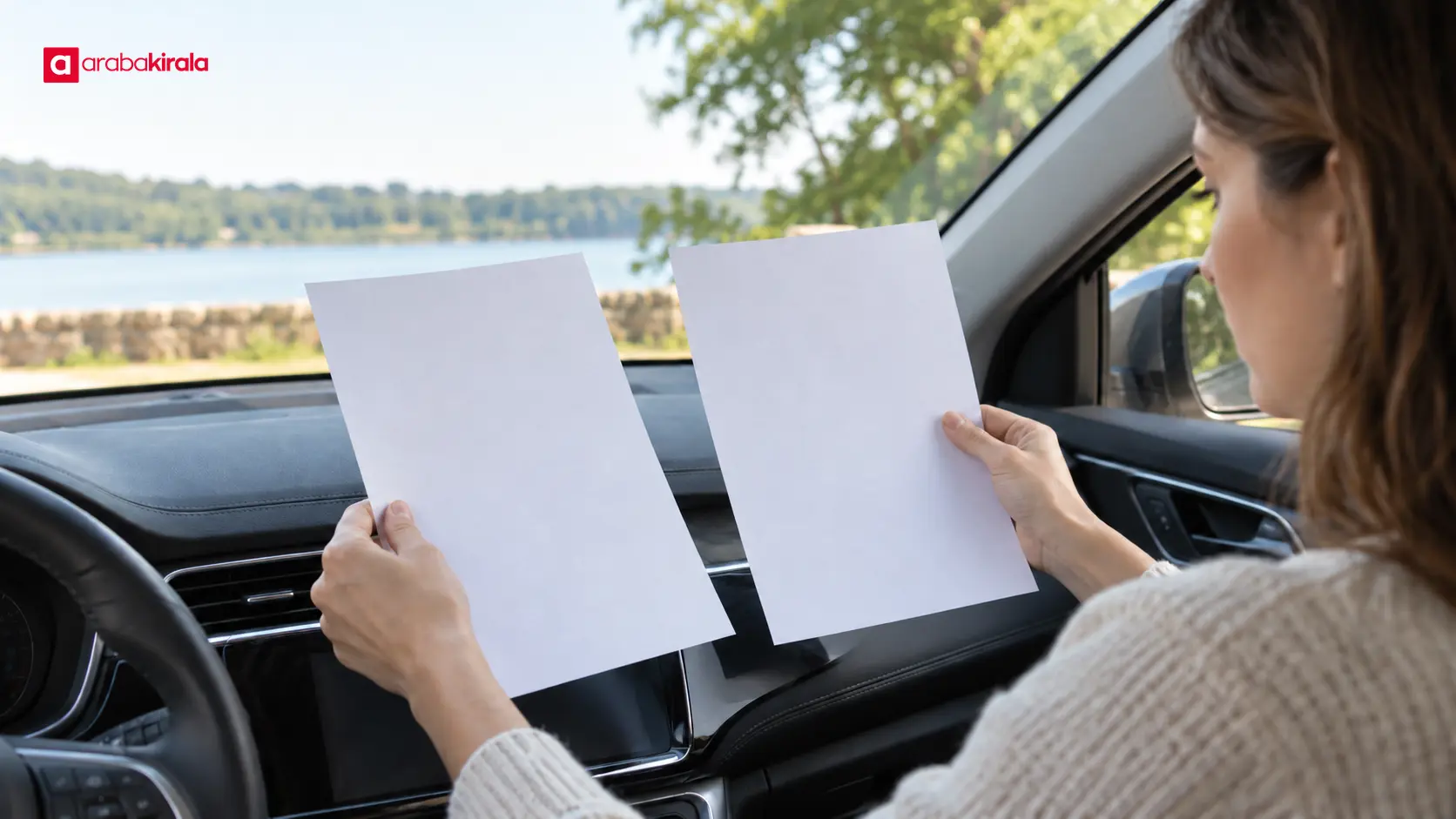
An insurance policy is the contract record that sets out information such as the insured party, the vehicle, the period of cover and the stated coverage details. The policy number is a reference used by the insurer to find that contract record. It is useful when asking about the policy itself, but the number alone does not explain what a particular incident may be covered for. That depends on the policy wording and the facts considered in the claim assessment.
One policy record may be relevant to more than one inquiry or event during its period. It is helpful to think of the policy number as the identifier for the contract, rather than a number assigned to a single accident or damage report. When contacting the insurer, use the policy number shown on the relevant document and check that the vehicle and policy period match your question.
What does a claim file number identify?
After a loss or damage report is received, an insurer may create a record for handling that particular matter. A reference assigned to that record helps keep the related documents, updates and communications together. The exact label can vary: it may be called a claim number, file number or claim reference. Read the label on the correspondence rather than inferring the meaning from the number’s format.
A claim file number is an administrative reference. It helps the insurer find the file; it does not by itself mean that a claim has been accepted, that a payment will be made or that a particular part of a policy applies. Those questions are addressed through the insurer’s assessment and the applicable policy terms. The Turkish Insurance Information and Monitoring Center’s expert assignment guide separates policy information from claim information, illustrating that these relate to distinct records.
The main differences
- Record identified: A policy number identifies an insurance contract; a claim file number identifies a record associated with a reported event.
- Typical use: The policy number helps retrieve contract details. The claim reference helps follow correspondence and handling for the particular file.
- Relationship: A claim file may be associated with a policy, but the two numbers refer to different records and are not interchangeable.
- What the number does not tell you: Neither number alone confirms coverage, a decision, a payment amount or that a file is complete.
Some documents use a general word such as “reference.” In that case, check the document title, sender, date and the event or contract it concerns. Number formats differ between organizations and systems, so appearance alone is not a reliable guide.

How to distinguish the numbers on documents
On the policy document, look for a field explicitly labelled “policy number” or its equivalent. Claim correspondence may show a separate claim, file or reference number, often alongside information about the reported event. Check those labels together with the insured person or applicant, vehicle details, dates and the organization that issued the document. A number copied without its label can easily be attached to the wrong email or inquiry.
If you have documents for multiple incidents or policy periods, organize them by event date and vehicle. Keep the relevant policy document with the correspondence for that event. Clear file names can make it easier to retrieve the right record later. Insurance paperwork may contain personal details, so restrict access to stored files and avoid sharing them through public links or open devices.
Prepare before contacting the insurer
Have the relevant policy and any claim correspondence available. Note which event you are asking about, its date and the vehicle involved. Write the policy number and claim file number on separate lines, with their labels, rather than keeping an unlabelled string of digits. If you have reported an event but have not received a claim reference, do not guess one. Ask whether the report has been recorded and which reference or details to use for follow-up.
- Read the document heading and the exact label next to the number.
- Match the number to the event date and vehicle before quoting it.
- Confirm which reference the insurer wants for the inquiry.
- Keep a note of the contact date, channel and any follow-up information provided.
- If details conflict, ask how to correct or update the record through the insurer’s stated process.
If you cannot find a number or it appears incorrect
For a policy number, review the policy document and any official account or document portal made available by your insurer. For a claim reference, check the acknowledgement or later correspondence related to the reported event. Use contact details verified through the insurer’s own official materials; a search result or unsolicited message is not, by itself, proof that a phone number or link belongs to the insurer.
If a representative gives you a number that seems to relate to another event, explain the mismatch and ask them to confirm the correct record. Do not assume that a new file must be opened or that an existing one should be closed. Ask the insurer whether the current record needs an update or whether a separate process applies.
Frequently asked questions
Can I use a claim file number instead of a policy number?
No. They identify different records. Check what the form or representative requests; if both are needed, provide each with its label so they are not confused.
Is a claim file number always available immediately after reporting damage?
The timing and process depend on the insurer’s handling of the report. If you have not received a reference, ask whether the report was recorded and what information to use when following up.
Does a claim number mean the insurer will pay?
No. It is a way to locate the file, not a coverage decision. Ask the insurer handling the matter about the assessment and the policy terms relevant to it.

Keep the contract and event references separate
The policy number identifies the insurance contract, while the claim file number points to the record for a particular reported event. Keep the documents together by event, preserve each number’s label and confirm the reference before using it in a message. Your next step is to check the relevant paperwork and, if the label or record is unclear, ask the insurer which reference applies to your inquiry.
Legal Disclaimer: All content, articles and information on the Araba Kirala website are provided solely to inform users. No information shared on this website constitutes definitive advice or guidance. Araba Kirala Teknoloji A.Ş. and its authors cannot be held responsible for any direct or indirect damages arising from the application of information on the website. For all questions and requests regarding car rental, please contact the office from which you will rent your vehicle.