
Coastal Trips Between Seasons: Sea, Wind and What to Pack

Published: October 19, 2026 • Reading Time: 6 min • Last Updated: October 19, 2026
Plan a coastal trip between seasons by considering sea temperature, wind and changing conditions throughout the day. Learn how to choose layers, pack useful essentials and organize a safer drive and itinerary.
Contents
A coastal trip between seasons takes a little more planning than a summer beach day. Air temperature, sea temperature, wind and daylight can tell different stories, so a sunny forecast alone is not enough to decide what to wear or whether swimming belongs in the plan. This guide explains how to read the conditions, pack adaptable clothing, choose activities and organize a drive that leaves room for changes.
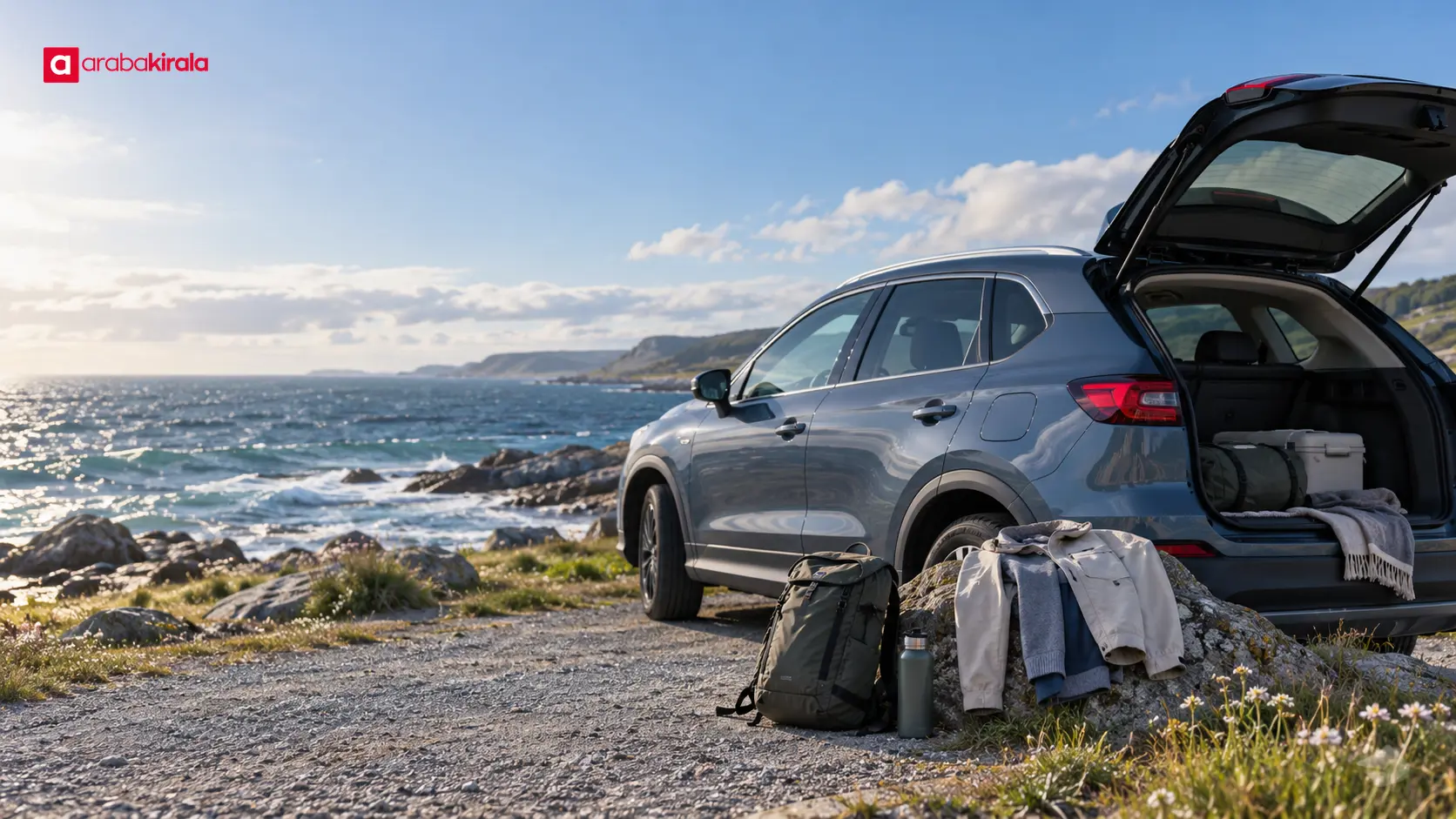
Read the coastal conditions as a whole
Spring and autumn often bring noticeable shifts over the course of a day. Open shorelines may feel cooler than sheltered spots nearby, especially when wind comes off the water. Check the forecast for temperature, precipitation, wind direction and strength, cloud cover and sunset time. Recheck it before leaving, particularly when the outing includes a long walk or several stops. Forecasts support planning, but conditions at the water can still differ from what you expected.
Sea temperature is separate from air temperature. A mild afternoon does not mean the water will feel warm, and personal comfort in cold water varies. If swimming is part of the day, assess the water and the shore when you arrive instead of relying on how the weather looks. Follow local signs and guidance, stay out of the water when conditions appear unsafe, and do not swim if you are unsure or uncomfortable.
Why wind matters by the water
Wind can make a coastal walk or a rest on the beach feel much colder. It can also carry lightweight items away, so keep hats, wraps and small belongings secured in a closed bag. A sheltered place may make a more comfortable break when the shoreline is exposed. Strong gusts and waves call for extra distance from cliffs, wave-washed rocks and unsafe piers. Do not step past a barrier or onto an unstable edge for a view or photograph.
Choose layers and pack for more than one activity
Layers make it easier to adjust as conditions change. A comfortable base layer, a removable warm layer and a light outer layer for wind or passing showers cover a range of situations without requiring bulky clothing. For a coastal path, choose shoes with a secure fit and a sole suited to the surface. Sandals may work for a short, level stretch near the beach, but they are not a substitute for walking shoes on uneven trails.
Pack drinking water, a spare top, a hat, sunglasses and sun protection. Cloud cover does not automatically remove the need to protect exposed skin, so use sun protection according to its product directions. A protective pouch can help keep a phone and other sensitive items dry around spray or sand. Depending on the route and personal needs, a compact first-aid kit may also be useful.
Separate the swimming plan from the shore plan
A coastal day can include a walk, a viewpoint, time in a nearby town or a quiet break by the water. Each activity calls for different preparation. Walking favors supportive shoes; a long outdoor stop calls for sun protection and an extra layer; time near the water makes a dry change of clothes useful. Keeping more than one activity in mind means the day can still be enjoyable when swimming does not suit the conditions.
Before swimming, consider whether access is safe and whether waves, currents or other local conditions make entering the water unsuitable. Do not swim where entry is difficult or conditions are rough. When children are near the water, maintain close, continuous supervision; flotation toys do not replace attentive adult supervision. Pay attention to posted warnings, restricted areas and directions from local staff.

Plan the drive, route and breaks
A car can make it easier to visit several coastal stops, but the route should allow enough time for driving, parking and walking. Treat a map estimate as a planning aid, not a promise. Narrow coastal roads, traffic and the distance between parking and the shore can all affect the day. Identify suitable stopping places and walking starts in advance, and leave enough daylight for the return. Pull over only in a safe, permitted place rather than stopping suddenly for a view.
If you are using a rental car, ask the branch you will rent from about details tied to the vehicle, pickup, your planned route and return. At pickup, review the vehicle's recorded condition and relevant handover information, including fuel level, existing damage records, odometer reading and return process. These are general checks that help both sides understand the records; they are not statements of a particular company's terms. Raise any condition you notice before setting off.
A simple pre-departure checklist
- Recheck the forecast, wind and chance of rain.
- Review the route, planned breaks and available daylight.
- Pack water, a spare layer, sun protection and suitable shoes.
- Review the vehicle's condition and handover records at pickup.
- Follow shoreline signs, local guidance and access restrictions.
Stay flexible and finish with a clear plan
A good coastal day is built around the conditions rather than a fixed list of activities. If the water is too cold, give more time to a walk or viewpoint. If wind picks up, shorten the time in exposed places and choose a sheltered stop. Leave a sensible margin for the return drive, and take a break if fatigue affects your concentration. Changing the plan is a practical response to the day, not a failed outing.
In short, assess the sea and air separately, dress in layers, bring the essentials and choose safe stops. Resolve branch-specific rental details before departure. Your next step is to check the forecast for the coast you plan to visit, order activities by their weather needs and pack accordingly.

Frequently Asked Questions
What time of day is best for a coastal trip between seasons?
There is no single best time for every shoreline and forecast. Consider wind, daylight, temperature and the activity you have planned. For a longer walk, include the return journey and avoid relying on fading daylight for unfamiliar paths.
Does warm air mean the sea will be warm too?
No. Air and sea temperatures are different, and the water may remain cool on a mild day. Check conditions at the shore, follow local warnings and do not swim if you feel unsure or uncomfortable.
What should I pack for a coastal outing?
Water, a spare layer, a hat, sunglasses, sun protection and shoes suited to the route are a useful base. Add items to meet the forecast, activity and your personal needs.
Is it safe to walk along the coast when it is windy?
That depends on the shoreline and the strength of the wind. Keep clear of cliffs, wave-washed rocks, unstable edges and closed areas. If a section has no safe passage, choose another route.
What should I check before taking a rental car on a coastal trip?
Review the vehicle condition and handover records at pickup, then ask the branch you will rent from about route, pickup and return details that apply to your reservation. Clear up those questions before driving away.
Legal Disclaimer: All content, articles and information on the Araba Kirala website are provided solely to inform users. No information shared on this website constitutes definitive advice or guidance. Araba Kirala Teknoloji A.Ş. and its authors cannot be held responsible for any direct or indirect damages arising from the application of information on the website. For all questions and requests regarding car rental, please contact the office from which you will rent your vehicle.












