How Differential and Final Drive Ratios Shape Driving
Published: October 9, 2026 • Reading Time: 7 min • Last Updated: October 9, 2026
Learn how differential and final drive ratios relate to wheel torque, engine speed, acceleration, and cruising behavior, with practical guidance for reading vehicle specifications.
Contents
- What does a differential do?
- How to read a final drive ratio
- How the ratio can change driving behavior
- Acceleration and pulling response
- Cruising rpm and cabin sound
- Fuel use and operating conditions
- How a differential ratio differs from a gear ratio
- Practical steps for reviewing specifications
- What to notice in everyday driving
- Summary and next step
- Frequently Asked Questions
What is a differential ratio? Understanding the term helps explain how engine power reaches a car’s driven wheels. This guide covers what the differential and final drive do, how their ratio relates to engine speed and wheel torque, what different ratios may feel like on the road, and how to read vehicle specifications without drawing conclusions from one number alone.
What does a differential do?
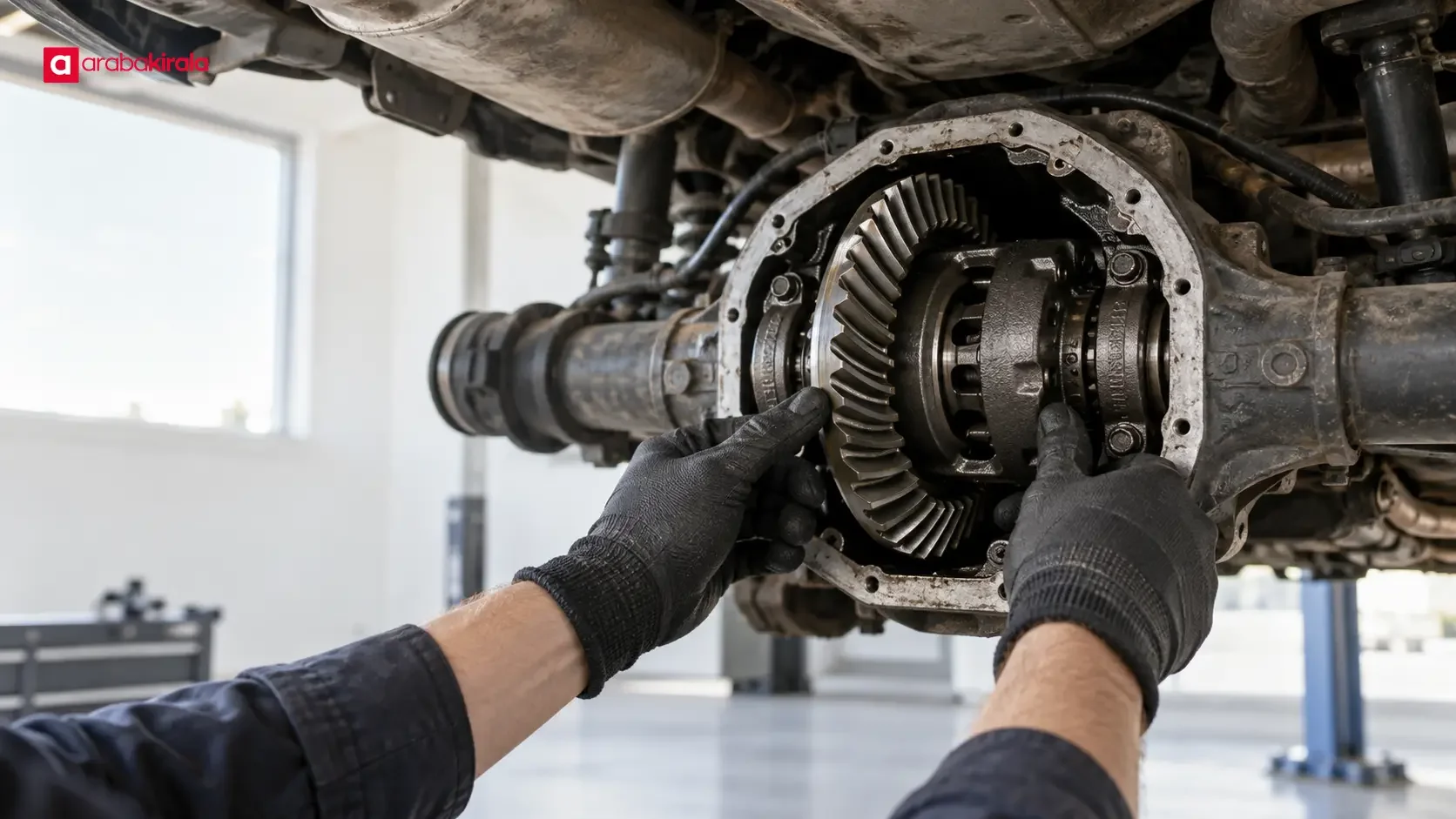
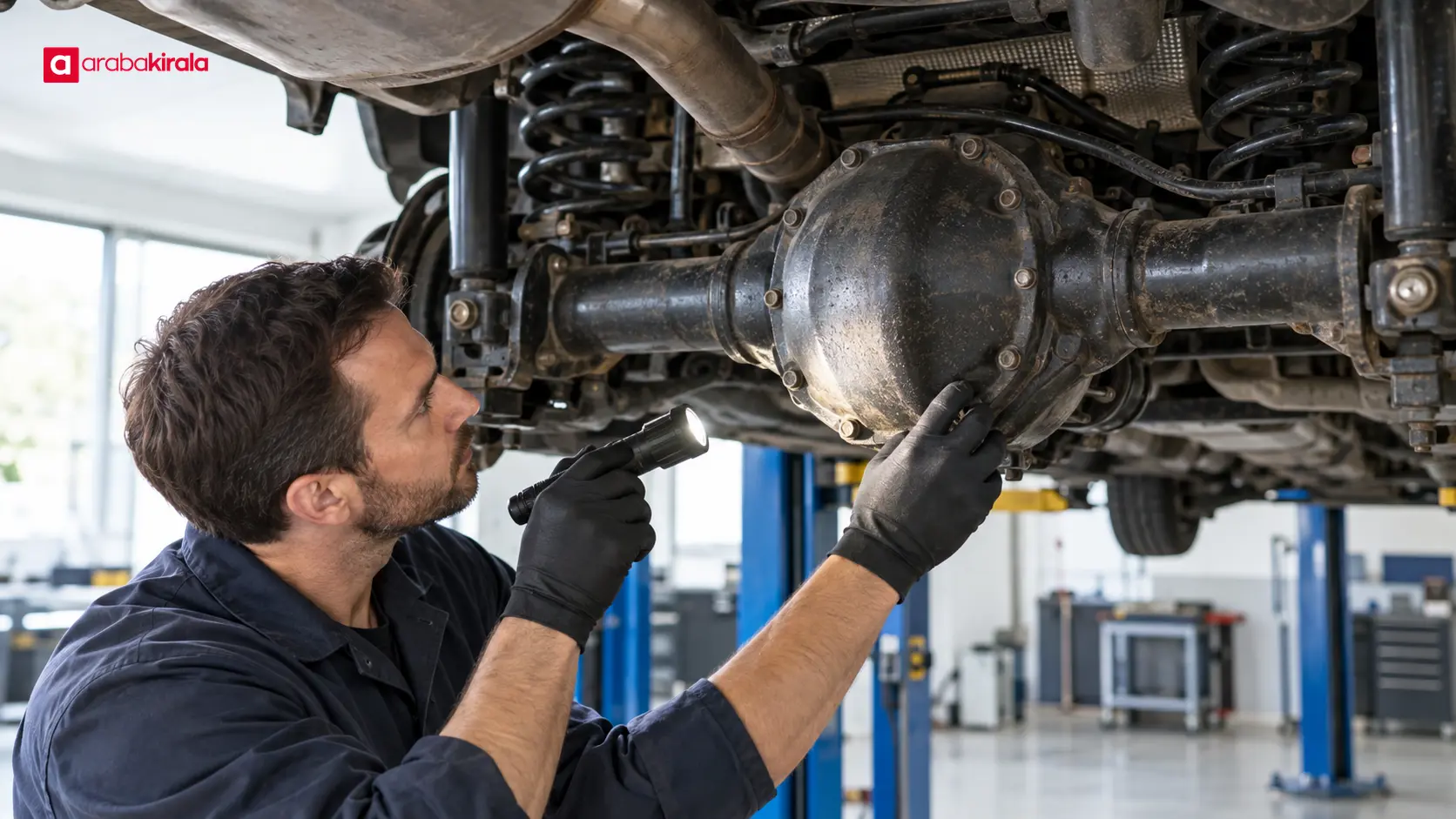
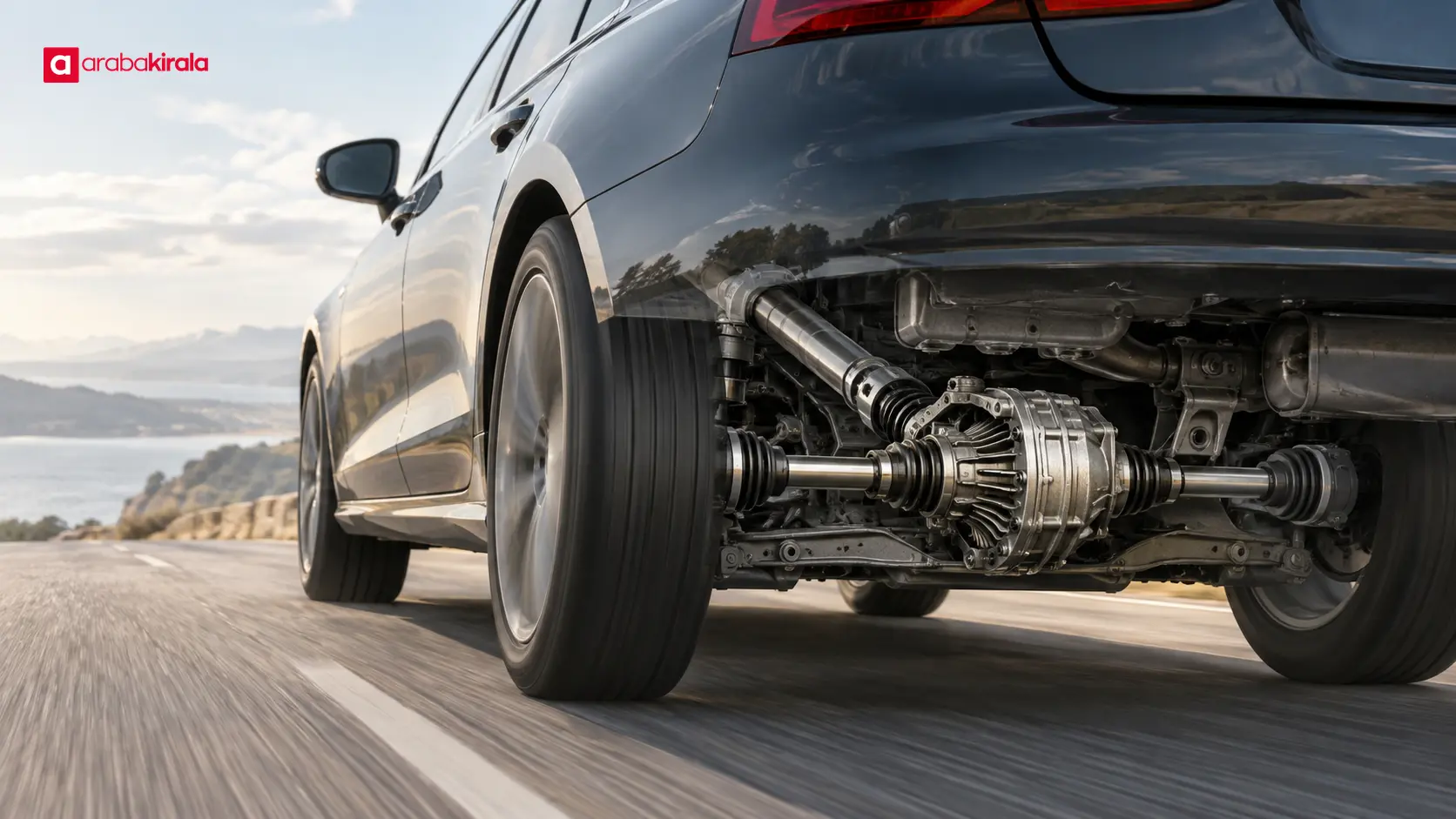
The engine’s rotation passes through the transmission and other drivetrain components before reaching the wheels. A differential distributes that motion to the driven wheels on an axle while allowing them to rotate at different speeds when cornering. The wheel on the inside of a turn follows a shorter path than the outside wheel. The differential accommodates this difference so the two wheels are not forced to turn at one identical speed.
In everyday conversation, “differential ratio” often refers to the ratio of the final gear set inside the differential. Technical specifications may list the same detail as the “final drive ratio,” “axle ratio,” or another related term. Naming conventions vary by vehicle design and manufacturer, so read the heading and its definition together rather than assuming every document uses the phrase in the same way.
How to read a final drive ratio
The final drive is the last gear stage that transfers rotation from the transmission output to the driven axle. Its ratio is commonly shown as a numerical value. As a simplified example, a 4.10:1 ratio means roughly 4.10 input turns for one output turn. This describes a mechanical relationship; it does not by itself reveal a vehicle’s acceleration, fuel consumption, or maximum speed. Gearbox ratios, tire size, engine characteristics, and operating conditions also matter.
A higher numerical final drive ratio generally means the input side must turn more times to produce the same wheel rotation. In broad terms, this gives more torque multiplication at the wheels and tends to produce higher engine rpm at a given road speed. A lower numerical ratio tends toward less torque multiplication and lower engine rpm at the same speed. These are general tendencies, not a complete prediction of how a car will perform.
How the ratio can change driving behavior
Acceleration and pulling response
A higher numerical final drive ratio can provide more mechanical torque multiplication as engine torque reaches the wheels. At low speeds or under load, this may feel like a more responsive pull. Acceleration still depends on much more than the final drive: the engine’s power and torque curves, gear spacing, vehicle mass, tire grip, and control systems all contribute. One ratio figure cannot establish that a car is faster.
A lower numerical ratio may reduce torque multiplication at the wheels, while the transmission and engine can offset some of the difference. The response a driver feels also depends on which gear the transmission selects and where the engine is operating in its rev range. Two cars with the same final drive figure can therefore feel different.
Cruising rpm and cabin sound
With the same gear, tire circumference, and road speed, a higher numerical final drive ratio tends to make the engine turn faster. A lower numerical ratio tends to reduce engine speed. Cruising rpm can affect engine noise in the cabin, how often the transmission changes gear, and how readily the engine can respond when more acceleration is needed. Actual sound and comfort also depend on insulation, engine design, tires, road surface, and transmission type.
Fuel use and operating conditions
It is not accurate to say that lower engine speed always means lower fuel consumption. Efficiency depends on the engine’s operating range, vehicle load, gradient, speed, aerodynamic drag, traffic, tire pressure, and driving style. A very low engine speed under heavy load can also demand a downshift or put the engine outside its efficient range. Treat the final drive ratio as one part of the drivetrain description, not as a stand-alone fuel economy rating.
How a differential ratio differs from a gear ratio
A transmission gear ratio describes the relationship between input and output rotation in the selected gear. The final drive ratio describes the last stage between the transmission output and the driven wheels. Together, they make up the overall ratio from engine to wheels. Multiplying a selected gear ratio by the final drive ratio gives a useful indication of the mechanical reduction at that moment. Torque converter or clutch behavior, mechanical losses, and tire size still affect what happens on the road, so this calculation is not a direct performance measurement.
This distinction matters when reading specifications. The number of transmission gears or the ratio of one gear does not describe the full drivetrain without the final drive information. Likewise, the final drive figure alone does not determine engine rpm at every speed: the selected gear and tire circumference are also needed.
Practical steps for reviewing specifications
- Confirm what the figure describes: Check whether the document gives a differential or final drive ratio, an individual transmission gear ratio, or an overall ratio.
- Compare like with like: Engine version, transmission, driven wheels, and tire size can differ, so figures may not be directly comparable.
- Use manufacturer technical documents: Values can vary by model year and configuration. Check the official specification sheet or owner’s manual for definitions and applicable versions.
- Consider the whole vehicle: Read the ratio alongside engine torque characteristics, gear spacing, vehicle weight, and intended use.
- For a rental, describe your needs: If you expect long-distance travel, city driving, or carrying luggage, ask the branch you plan to rent from about the available vehicle’s relevant specifications and use details.
What to notice in everyday driving
Most drivers do not need to adjust or calculate the differential ratio; it is part of the vehicle’s design. To understand a car’s character, observe engine rpm at a steady road speed and notice how comfortably it accelerates in the selected gear. Such observations only make a useful comparison when speed, gear, and load are similar.
Choose a speed appropriate for the road and weather, especially through bends. A differential allows the wheels to rotate at different speeds, but it does not remove the limits of tire grip. Safe driving on slippery or uneven surfaces still depends on suitable tires, careful speed selection, and following the vehicle’s operating instructions.
The exact differential ratio may not be necessary when choosing a car for an ordinary trip. Features tied more directly to your needs can include the engine, transmission, driven wheels, and luggage capacity. If a particular engine or drivetrain configuration matters, ask the branch you plan to rent from whether it is available and confirm the reservation and handover details. Do not assume one configuration or procedure applies to every vehicle or location.
Summary and next step
The differential lets the driven wheels on an axle turn at different speeds while cornering. The final drive ratio describes the last stage that transfers rotation from the transmission to those wheels. A higher numerical ratio generally increases wheel torque multiplication and engine rpm at a fixed road speed; a lower numerical ratio tends in the opposite direction. The result depends on the engine, gearbox, tires, and operating conditions. When reviewing a vehicle’s specifications, first confirm what the ratio means, then assess the full drivetrain in light of how you plan to use the car.
Frequently Asked Questions
What is a differential ratio?
In common usage, the phrase often refers to the relationship between input and output rotation in the final gear set. Technical documents may use a different label, so check the specification’s definition and context.
Does a higher final drive ratio make a car faster?
That figure alone does not determine acceleration or top speed. A higher numerical ratio generally gives more torque multiplication at the wheels and higher engine rpm at a given speed, but engine output, gear spacing, tires, and other factors also shape performance.
Does a lower ratio always reduce fuel consumption?
No. A lower numerical ratio tends to reduce engine rpm at a given speed, but fuel use depends on engine efficiency, load, speed, traffic, road conditions, and driving style. A single drivetrain number cannot guarantee a consumption outcome.
Is a differential ratio the same as a transmission gear ratio?
No. A transmission ratio applies to the selected gear, while the final drive ratio describes the last gear stage leading to the driven wheels. The two work together to determine the overall drivetrain ratio.
Do I need to know the ratio when choosing a rental car?
For many everyday trips, it is not a primary selection detail. Engine, transmission, driven wheels, and practical space may matter more. If a specific technical configuration is important, ask the branch you plan to rent from for the applicable details.
Legal Disclaimer: All content, articles and information on the Araba Kirala website are provided solely to inform users. No information shared on this website constitutes definitive advice or guidance. Araba Kirala Teknoloji A.Ş. and its authors cannot be held responsible for any direct or indirect damages arising from the application of information on the website. For all questions and requests regarding car rental, please contact the office from which you will rent your vehicle.