A Car Visit to Selimiye and Edirne’s Historic Center
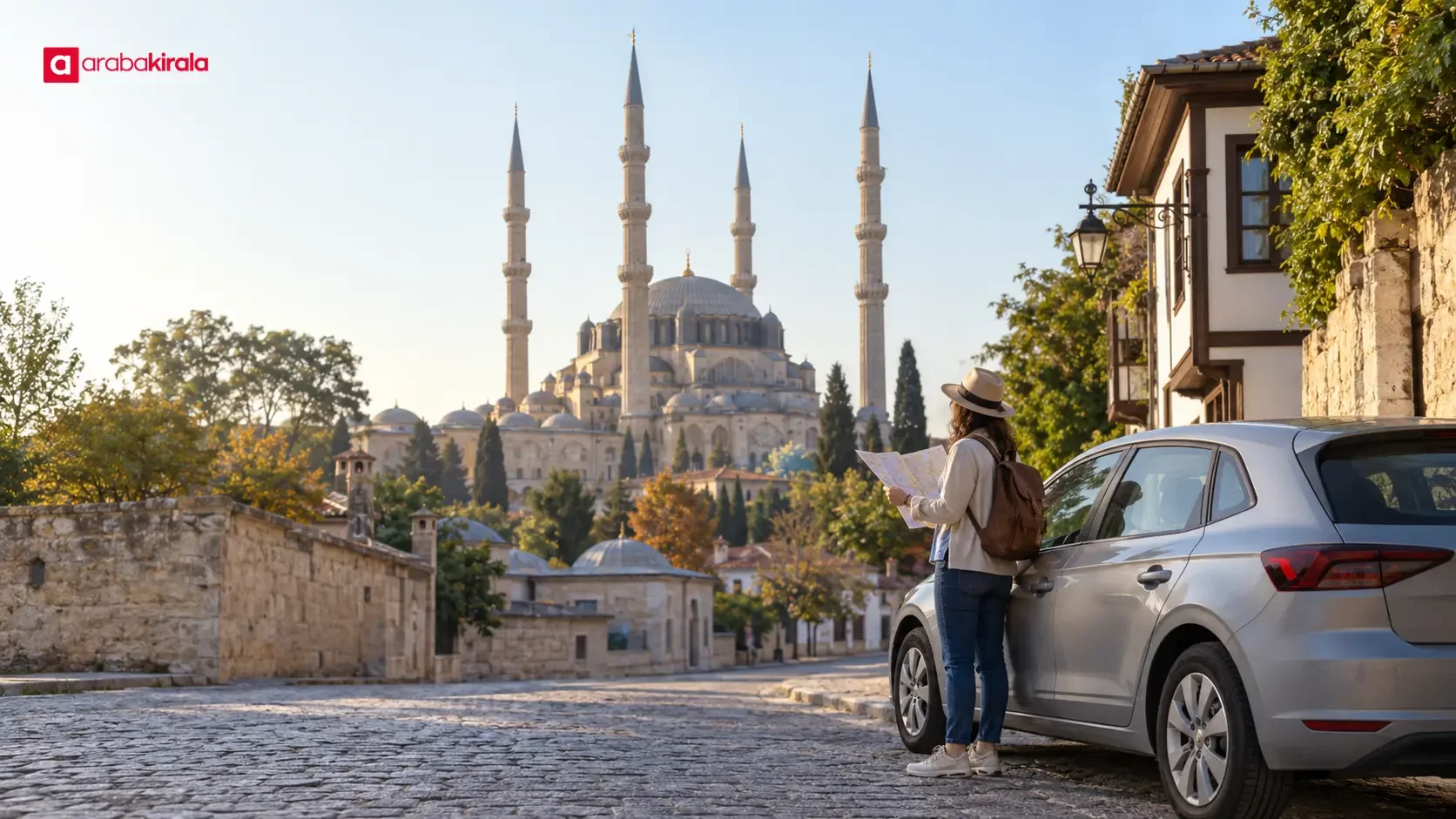
A car can make reaching Edirne’s historic center easier, but driving from one doorway to the next is rarely the most useful way to explore a compact group of landmarks. Selimiye Mosque and nearby historic places are best considered as a central walking area once you have parked in a suitable location. A thoughtful plan balances the drive into town with time on foot, checks current visitor information, and leaves room for the slower pace of looking around historic buildings and streets.
How to plan a Selimiye and historic-center visit
Begin by deciding what the day is meant to include. A focused visit to Selimiye and its surroundings calls for a different pace from a day that adds several more sites across Edirne. Group places that are close together into one walking segment so that you do not have to return to the car after every stop. Distances on a map do not always reflect the ease of a walk: crossings, slopes, paving, crowding, and access routes all matter. Plan according to your group’s walking pace and comfort, not just the distance shown on a screen.
Choose an approximate time window for Selimiye, then place nearby stops before or after it. Do not assume that every historic building will be open or can be visited in the same way throughout the day. Worship, events, maintenance, and other arrangements can affect access and visitor movement. Check notices from the relevant official or responsible institution close to your visit date. Current information helps set realistic expectations about opening, restricted areas, or changes to the usual visitor route.
Why park and explore on foot?
Historic centers can have narrow streets, active pedestrian movement, and frequent short stops. Driving between nearby locations may take more effort than leaving the car in a suitable place and walking. Exploring on foot makes it easier to notice the street pattern and architectural details, and it avoids repeatedly searching for a place to stop. Still, do not assume that every street is open to vehicles, that parking is available close to each landmark, or that parking is free. Follow local signs and directions, and observe the rules that apply where you park.
When choosing a parking place, consider lawful access and safe use as well as proximity. Keep entrances, sidewalks, pedestrian routes, and emergency access clear. Check the current signs for any hours, payment instructions, or restrictions; these details can change. If you are using a rental car, confirm where it may be parked for your visit and follow the rules displayed at the parking area. Avoid leaving valuables in view, and check that the vehicle is locked before walking away.
Organizing your route and time
Set a starting point in your navigation app based on your approach to the city and expected arrival time. The shortest suggested route may not be the easiest or most suitable one, especially if temporary traffic arrangements or pedestrian areas affect central streets. Set your route before driving. If it needs changing, stop somewhere safe and permitted before using your phone or navigation device. Before departure, check the vehicle’s fuel or charge level, your phone’s battery, and the navigation option you plan to use.
Avoid filling the day with a tightly packed timetable. Allow time for Selimiye, walking between places, rest, and any additional stops. If you want to study architectural details, give yourself enough time to look without rushing. For a shorter city visit, prioritize the places that matter most to you. Weather, crowds, and seasonal daylight can change how comfortable an outdoor walk feels. Suitable footwear, water, and clothing for the forecast are simple preparations that can improve the day.
What to keep in mind at Selimiye
Selimiye is a place of worship. Respect the purpose of the building and the people using it. Follow current signs and instructions at the entrance, including any guidance on clothing, footwear, photography, and which areas visitors may enter. Practices can differ by time or section, so rely on directions given on site rather than a general assumption. Keep your voice low where appropriate and do not photograph worshippers without permission.
Looking at the dome, interior arrangement, and decorative details can make the architectural visit more rewarding. Do not touch historic surfaces, cross barriers, or enter closed areas. Check at the entrance whether photography or video is permitted. If you are visiting with children, agree on a meeting point and stay together in busy areas. Visitors who need an accessible route can contact the responsible institution in advance to confirm current entrance and circulation arrangements.
Adding other historic stops
If you want to include nearby bazaars, squares, or other historic buildings, check the location and visitor arrangements for each one separately. Some places may be appreciated from outside, while others may have set visiting times or arrangements linked to their use. Two places that look close on a map may not have a straightforward pedestrian connection. Compare your planned route with current maps and signs on the ground. Leave some flexible time for a walk or rest nearby instead of treating an unverified schedule as certain.
Meal or shopping breaks can fit naturally into a walking itinerary and reduce the need to return to the car. Keep personal items with you and do not leave valuables visible in the vehicle. Take care around intersections and narrow streets, and give pedestrians space. Local signs can be useful for wayfinding, so avoid focusing only on a phone screen while moving through the historic center.
What rental-car details should you confirm?
Rental arrangements can depend on the branch and the reservation. Before pickup, ask the branch where the vehicle is to be collected and returned, whether there are any relevant instructions for your planned route or city-center parking, and how to handle the return at your chosen time. Do not treat mileage terms, additional-driver arrangements, deposits, fuel procedures, or after-hours returns as universal industry rules. Confirm the terms that apply to your own booking with the branch.
At pickup, review the vehicle’s visible condition, fuel or charge indicator, and odometer. Tell the staff about visible damage and clarify how the condition is recorded. At return, the vehicle’s condition and odometer reading may be checked against the pickup record, so reviewing the starting and ending information is useful. Read the parts of your agreement that apply to return time and location, charges, fuel, and how to request assistance. Ask for clarification before setting off if any term is unclear.
Frequently asked questions
Can I visit Selimiye and central Edirne in one day by car?
That depends on how many places you want to see, how long you spend at each, and your walking pace. Combining Selimiye with nearby central stops in one walking plan can save time. Check current visitor information before adding more distant locations, and allow for driving and parking as well as the visits themselves.
Can I drive to every point in the historic center?
Do not assume so. Street access, traffic directions, and parking options can vary by place and time. Plan to leave the car in a suitable location and walk the remaining distance, following local signs and parking rules.
Where can I check visiting arrangements for Selimiye?
Check notices from the relevant official or responsible institution close to your visit date. Worship, events, or maintenance can affect the visitor experience. Treat old online hours as unconfirmed until you check current information.
Are rental mileage and return terms fixed?
These details can depend on the reservation and branch. Confirm any mileage limit, return time, fuel procedure, and possible charges with the branch where you are renting and review your agreement. Include the time needed to reach your pickup and return locations in your itinerary.
A practical car itinerary for Edirne’s historic sites uses the vehicle to reach the city and then gives the central area room to be explored on foot. Checking current visitor notices and the terms specific to your rental in advance can make the day easier to organize.
Legal Disclaimer: All content, articles and information on the Araba Kirala website are provided solely to inform users. No information shared on this website constitutes definitive advice or guidance. Araba Kirala Teknoloji A.Ş. and its authors cannot be held responsible for any direct or indirect damages arising from the application of information on the website. For all questions and requests regarding car rental, please contact the office from which you will rent your vehicle.