What Is the Difference Between AC and DC Charging in an Electric Car?
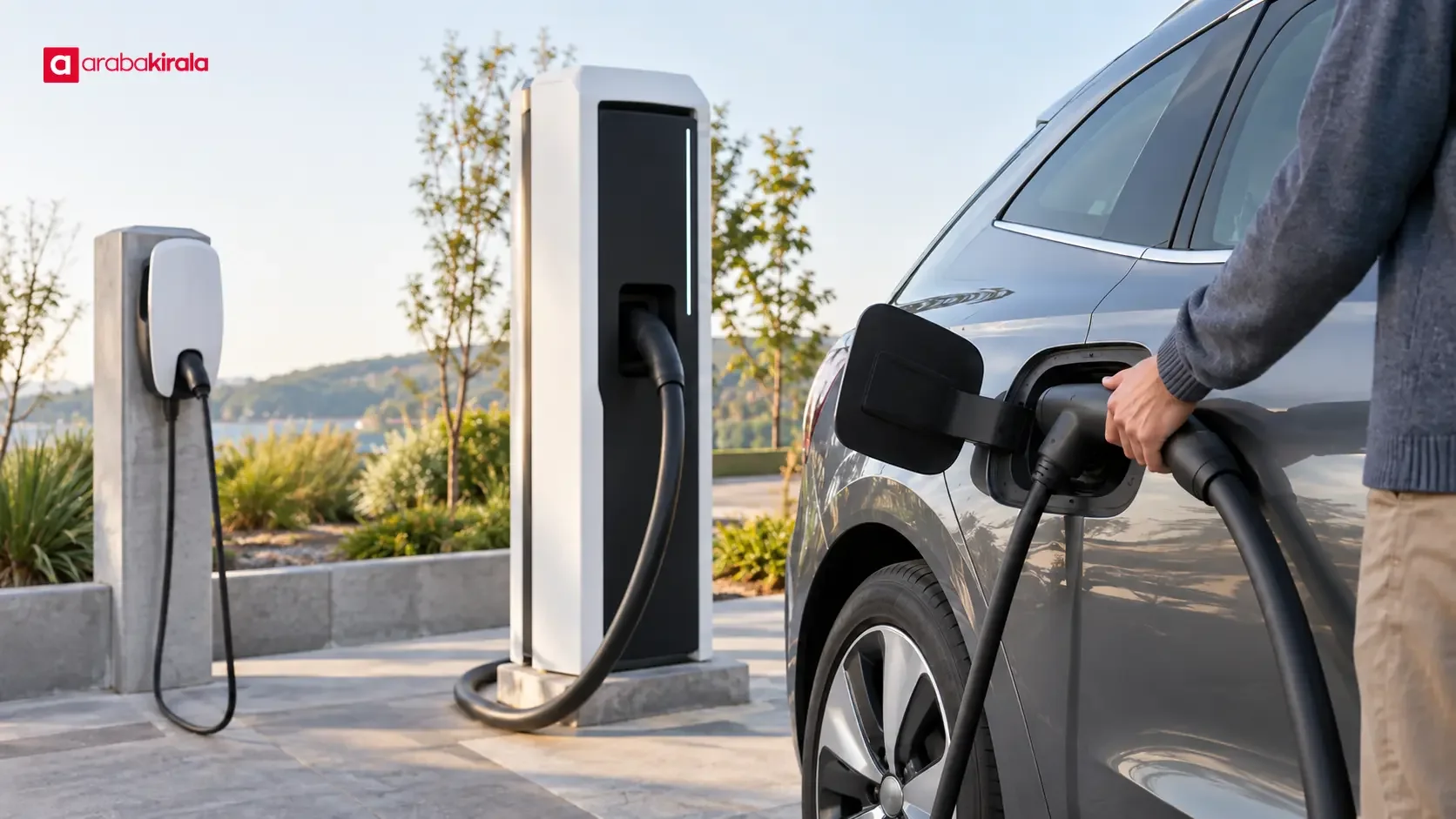
The AC DC charging difference in an electric car comes down to the form of electricity delivered and where it is converted. Electricity from the grid is alternating current (AC), while a battery stores energy as direct current (DC). With AC charging, the car's onboard charger performs the conversion. A DC charging station converts the power at the station and supplies DC to the battery. This affects the possible charging power and time, but it does not determine the duration by itself.
How AC charging works
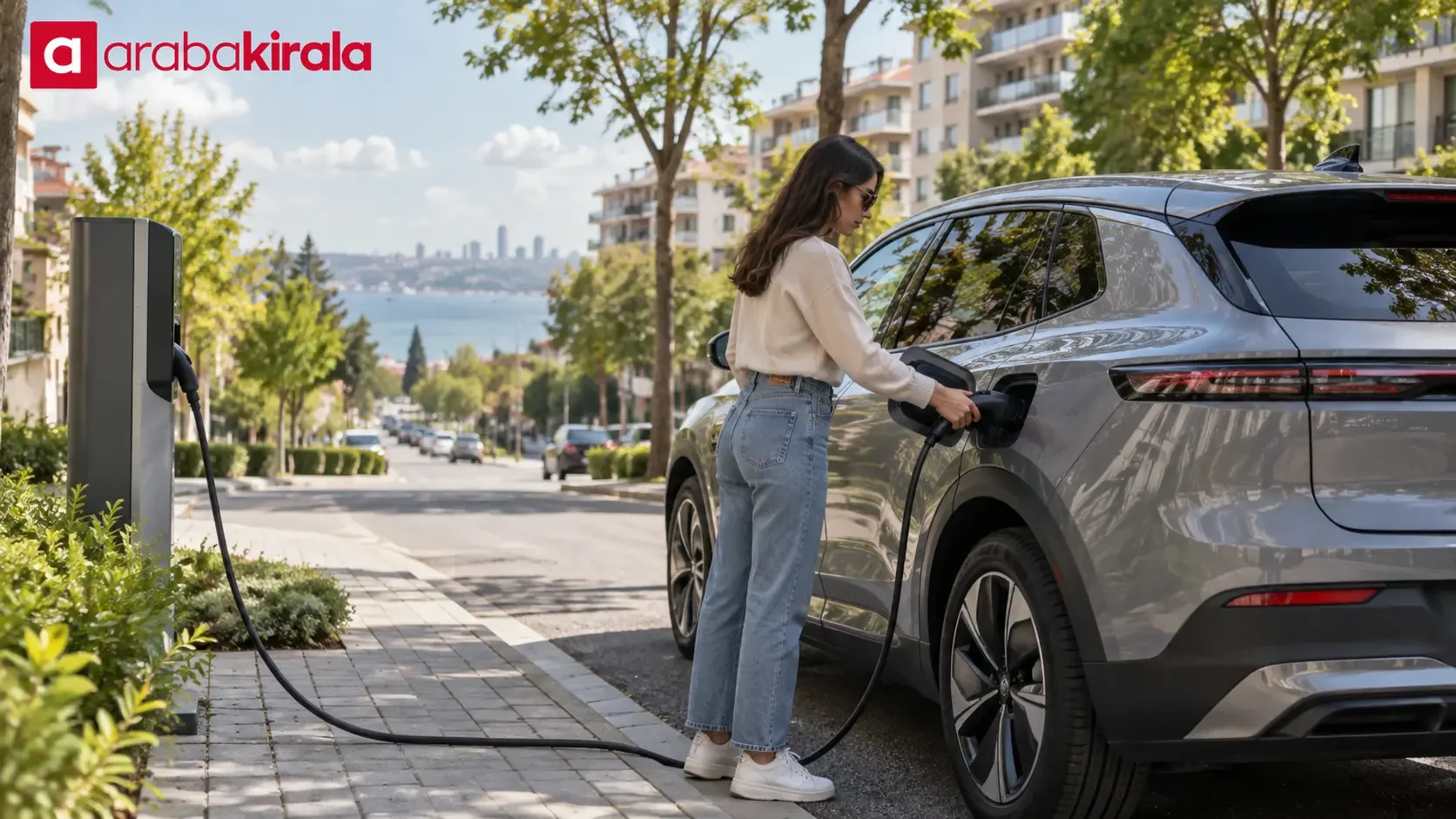
An AC charging point supplies alternating current to the vehicle. The onboard charger converts it into direct current that the battery can store. The power that this onboard unit can accept is one of the limits on AC charging speed. A station offering more power does not mean the car will necessarily draw all of it.
AC points can be used at home, at work, or in public parking areas, though installation, connection, and operating details vary by location. Since a session may take longer, AC charging can suit times when the car is parked for an extended period. The presence of an AC connector at a station does not prove that every vehicle's cable or socket will fit. Check the vehicle manual and the information for the charging point together.
How DC charging works
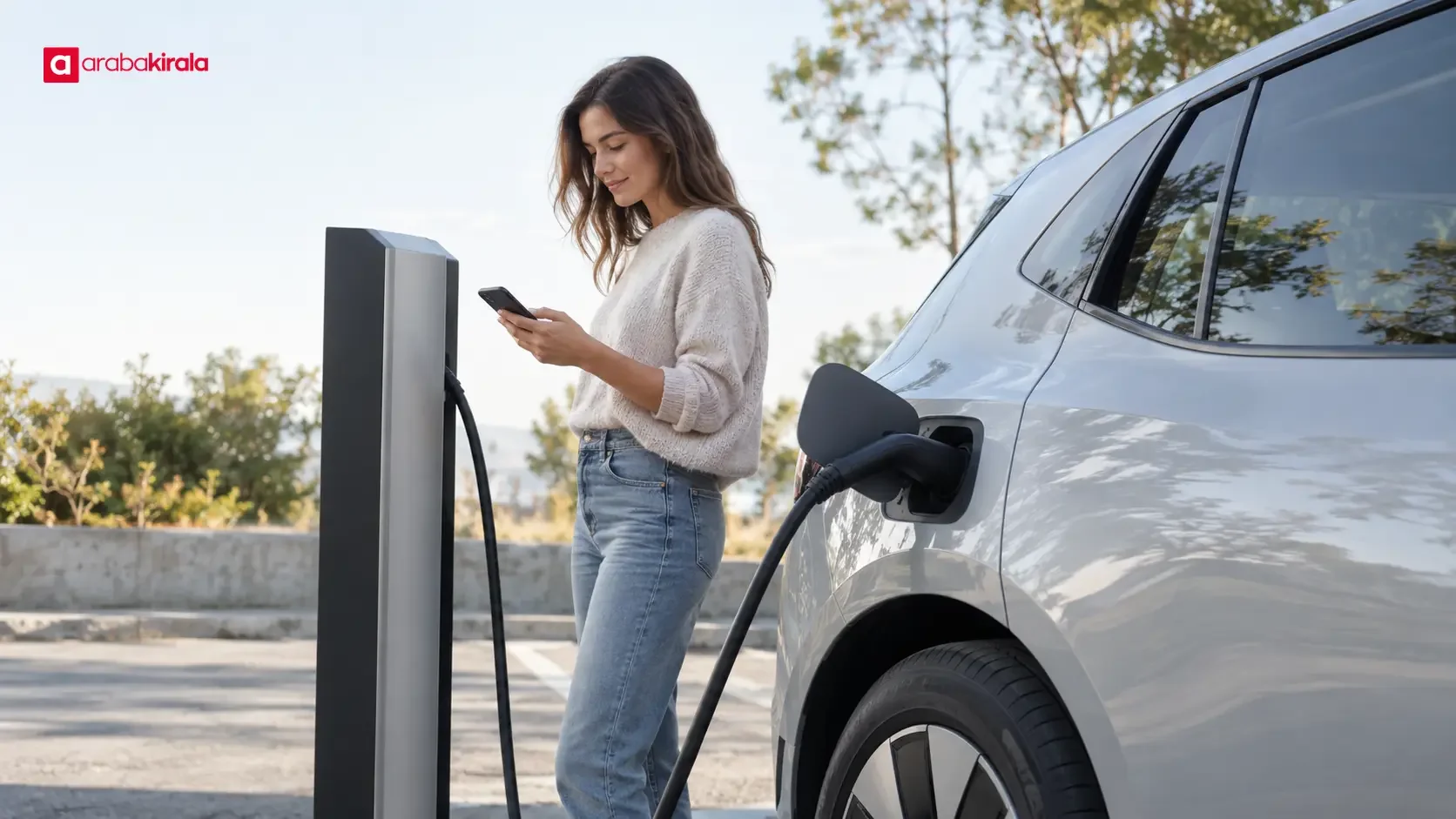
With DC charging, the station converts electricity into direct current and sends it to the battery. The onboard AC charger's power limit is therefore not the same limiting factor as it is during AC charging. The vehicle's battery and charging controls still govern how much power they accept, based on factors that include temperature and state of charge. A station's advertised peak power does not mean the vehicle will charge at that rate throughout the session.
DC fast charging can add energy in less time when the vehicle and connection are compatible. It can help with time management on a longer trip, but connector compatibility, current availability information, access, and location along the route matter too. The power shown on a display can change as a session progresses. Since power management can vary as the battery fills, the time between two charge levels should not be treated as fixed.
Key differences between AC and DC charging
- Where conversion happens: AC is converted inside the vehicle; DC is converted at the station.
- What limits charging power: For AC, the vehicle's onboard charger is an important limit. For DC, the vehicle's battery and charging system work with the power available from the station.
- When each can fit: AC can work well while a car is parked for a longer period. DC can be useful for adding energy during a shorter stop.
- Compatibility: Check the connector type, cable, and vehicle support. An AC or DC label alone does not guarantee that a connection will work.
- Actual charge time: Power, battery state of charge, temperature, and other conditions affect duration. Calculating time from a station's maximum power alone can be misleading.
What affects charging time?
Charging time depends on vehicle limits, station capacity, starting battery level and temperature, the type of connection, and conditions such as power sharing during a session. The same vehicle may receive different power at different stations. If multiple vehicles share equipment or a power supply, the available power may also change. Treat the time estimate on a display as a guide, and avoid planning a journey around one guaranteed duration.
The rate of charging may differ at very low and high battery levels. On a longer trip, a shorter DC stop may be more useful than trying to charge completely, depending on the route, destination, and vehicle manufacturer's guidance. Follow the manufacturer's instructions for charging and battery use. Recommendations about regularly charging to a particular percentage can vary by make and model, so do not assume a universal rule.
Before setting off in a rented electric car
If you learn at pickup that your rental is electric, plan around the available charging options. Ask the staff member handing over the car which connection types it supports, whether a charging cable is supplied with that vehicle, and where the dashboard shows remaining range and battery level. Do not assume a particular cable, adapter, or accessory is included as a standard company condition; confirm it with the branch handling your rental.
Review charging points along the route and identify an alternative to your first choice. Availability information in an app or vehicle display may not be current, so leave room for a backup stop. Before driving to a point, check that its connector, access arrangements, and payment method suit your needs. Ask the branch before pickup whether it can provide a charging card or usage information; do not assume that this is available with every vehicle or at every branch.
Practical tips for safer, smoother charging
- Visually check the cable, plug, and socket before connecting. Do not use damaged, unusually hot, or wet charging equipment.
- Follow the manufacturer's instructions for the charge port and connection. Do not force a cable into place or pull it out by force.
- Start and stop a session using the vehicle display or the method specified by the station. If a connector is locked, do not tug on it; follow the vehicle and station prompts.
- A DC station's high output does not mean the vehicle can draw that power in every condition. Before treating an ordinary power change as a fault, check any message shown in the vehicle.
- When charging ends, disconnect the cable in the order described by the vehicle manufacturer and station, then return any equipment to its place. Free the space after the session so another driver can use it.
- If you notice a fault, warning light, or unusual heat, stop the session safely and contact station support or the branch where you rented the car. Do not attempt to work on the high-voltage system yourself.
Frequently asked questions
Is DC charging always faster than AC charging?
DC stations are designed for fast charging, but actual speed depends on the vehicle's battery and charging system, state of charge, temperature, and power available from the station. It is not possible to promise that every DC session will be faster than every AC session or to give a universal time.
Can a car with DC charging support use an AC station?
DC support does not mean that the AC connection will work with every station; socket and cable requirements can differ. Likewise, having an AC connector available does not establish DC compatibility. Match the vehicle's technical documentation for AC and DC connections with the station's connector information.
Does a station's peak power tell me how long charging will take?
No. It describes the station's available capacity; the vehicle may not accept all of it. Battery level and temperature also affect the power received over the course of a session.
Does a rental electric car come with charging equipment or a payment method?
Equipment and payment arrangements can vary by vehicle and branch. During reservation or pickup, ask the branch handling your rental about a cable, any required adapter, and access to charging networks. Reviewing the vehicle display and manual helps you identify AC and DC connections correctly and plan a realistic route.
Legal Disclaimer: All content, articles and information on the Araba Kirala website are provided solely to inform users. No information shared on this website constitutes definitive advice or guidance. Araba Kirala Teknoloji A.Ş. and its authors cannot be held responsible for any direct or indirect damages arising from the application of information on the website. For all questions and requests regarding car rental, please contact the office from which you will rent your vehicle.