What Is Battery Preconditioning in an Electric Car?
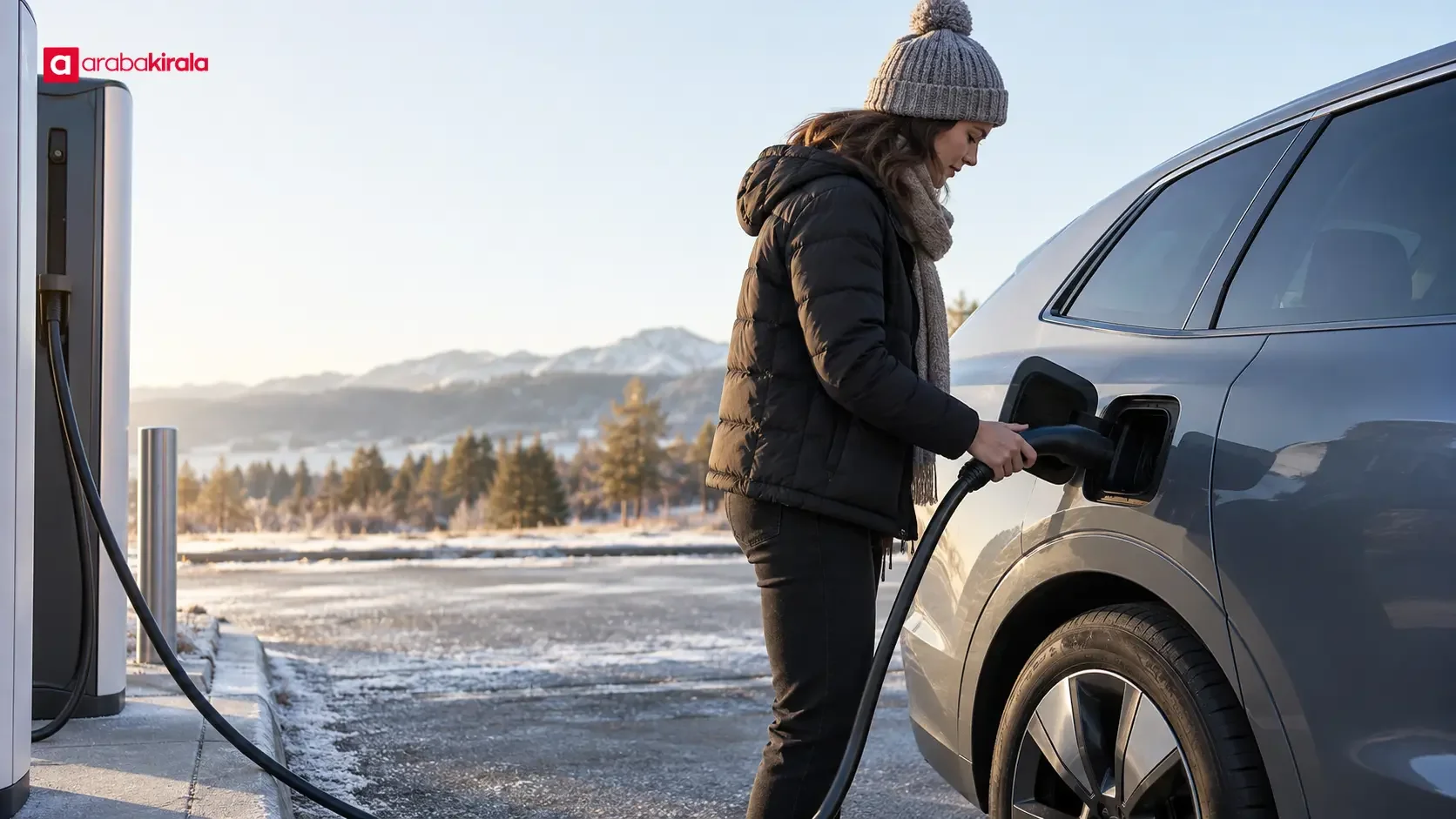
Electric car battery preconditioning is a temperature-management function that prepares a high-voltage battery for a particular task. It is most often discussed before a DC fast-charge stop. Cold or very hot conditions can affect the power a battery can accept, so bringing it closer to a suitable operating temperature may help charging proceed more effectively. The feature’s name, controls and availability vary by model. In a rental vehicle, check the owner’s manual and on-screen guidance for the car you receive.
What does battery preconditioning mean?
Battery preconditioning means that the vehicle’s battery-management system manages battery temperature toward a target appropriate for the planned use. If the battery is cold, the system may warm it; if it is too warm, it may cool it. The precise response depends on the vehicle design, current battery temperature, outside conditions and available energy. Depending on the manufacturer, the feature may be called battery conditioning, battery preparation or something similar.
It is different from cabin preconditioning. Cabin preconditioning changes the temperature inside the passenger compartment, while battery preconditioning focuses on the high-voltage battery. Some vehicles can manage both around the same time, but one function does not mean the other is active. Check the display to understand which preparation mode is running and what it is intended to do.
Why does battery temperature matter?
Lithium-ion batteries perform within temperature ranges that suit the transfer and storage of energy. When the battery is outside its preferred operating range, the vehicle may limit charging power to protect the battery and maintain safe operation. In cold weather, this can mean that rapid charging starts more slowly than expected. High battery temperatures can also prompt thermal management that affects charging power.
Preconditioning does not guarantee the same charging speed in every situation. Charger output, the vehicle’s maximum accepted power, state of charge, shared station capacity and temperature all matter. The presence of a preconditioning function alone cannot provide a reliable charging-time estimate. The vehicle’s live estimate and warnings are more useful for the journey at hand.
When is it most useful?
On the way to a DC fast charger
The clearest use case is a planned DC fast-charge stop. On supported vehicles, entering the charger in the vehicle’s own navigation as a destination or waypoint may let the car prepare the battery in time for arrival. Manufacturer manuals describe automatic navigation-linked preparation on some models and manual activation on others. A route entered only in a separate phone app may not tell the vehicle to prepare its battery, so check the instructions for the specific model.
Planning the stop in advance gives the system some driving time in which to manage battery temperature. Choosing a charger only a short distance away will not produce the same result in every car. Some vehicles lack the feature, and some systems may not recognize every charging location or navigation entry. If the display shows a preparation message or status, use it together with the owner’s manual to understand what the car is doing.
In cold weather
A battery can be cold after a vehicle has been parked in low temperatures. Driving and charging may then behave differently from when the battery is warmer. If a fast-charge stop is planned, a suitably equipped vehicle may prepare the battery while driving to a charger selected in its navigation system. Warming a battery takes energy and can affect the available driving energy. A vehicle may also limit preconditioning when energy is low; exact behavior depends on the model.
In hot weather
Some vehicles manage or reduce battery temperature when it is high. Preconditioning therefore does not always mean heating the battery in winter. What the system does in warm conditions and when it activates depend on the vehicle. Pay attention to temperature-management indicators and alerts, and follow the owner’s manual if the car displays an unusual warning.
Manual activation and navigation-linked preparation
Vehicles generally provide one of two approaches, sometimes both. With navigation-linked preparation, the driver adds a supported fast charger to the vehicle’s route and the car manages the battery in anticipation of arrival. With manual operation, the driver activates a battery-preparation function in the vehicle menu. If using a manual control, it is especially useful to understand the purpose of the function and how long it is intended to run. Availability of either approach depends on equipment, software and model year.
Menu labels differ, so a generic sequence of button presses is not reliable for every vehicle. Look in the EV, charging or energy settings for the relevant option. If you cannot find it, the car may not have the feature or its activation conditions may not be met. In a rental EV, read the relevant manual before using a setting. Ask the branch that provides the vehicle for model-specific instructions if a control is unclear.
Include preconditioning in charging plans
Preconditioning is only one part of trip planning. Consider compatible charging points along the route, their locations and the vehicle’s estimated arrival charge. Energy-use estimates can change with speed, hills, weather, traffic and cabin climate use. Even when navigation updates its estimate, leave a sensible energy margin and keep track of available charging options during the journey.
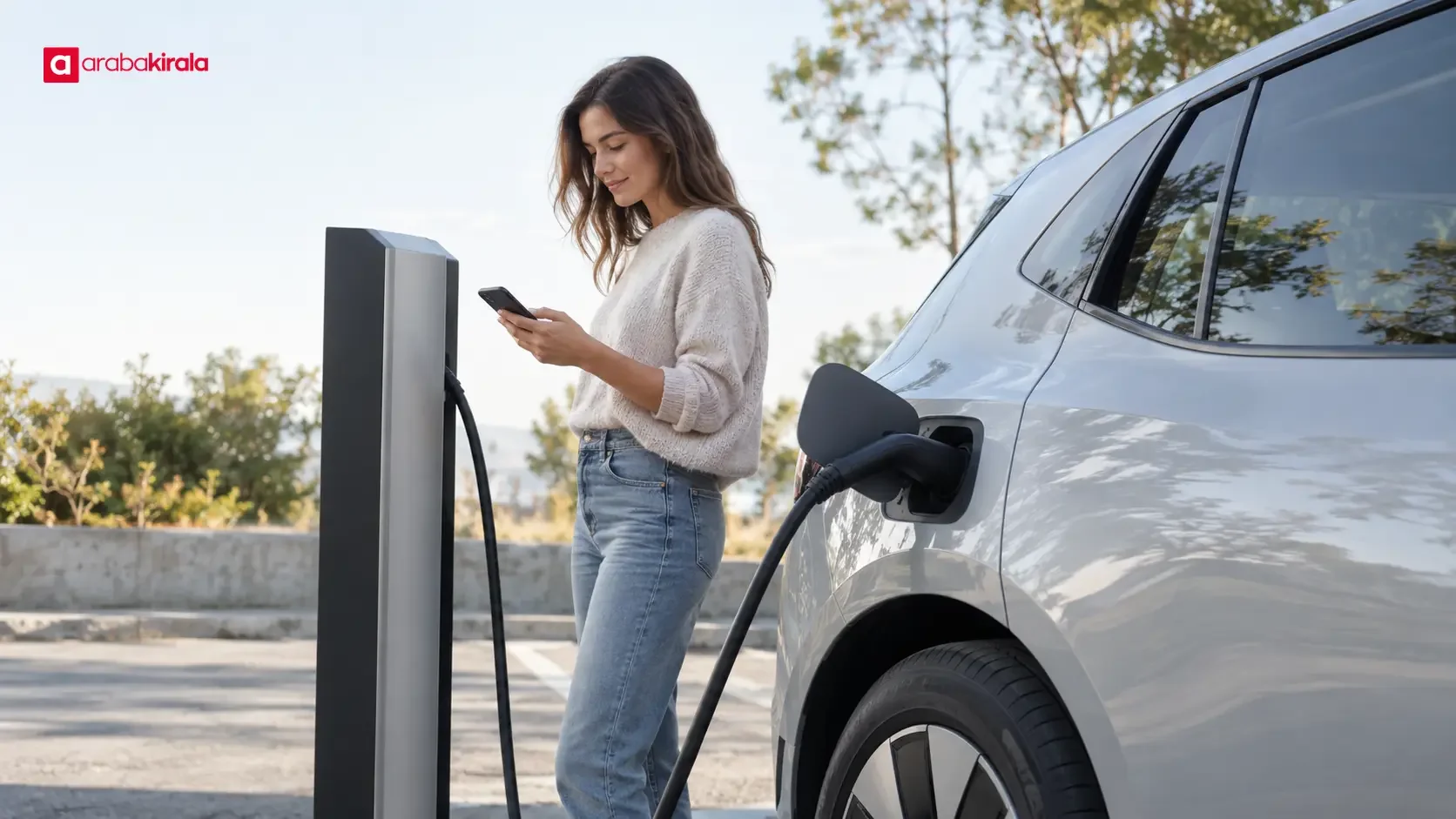
Charging type also matters. With AC charging, a vehicle is often connected for longer, so the need for battery preparation on approach may differ from a rapid DC stop. Preconditioning is commonly described in connection with DC fast-charge performance, but a vehicle’s manual may describe other situations. Check the charger type and the connection standard supported by the car before setting off.
Energy use and driving range
Bringing a battery toward its target temperature can use energy. In cold weather especially, the preparation process may affect the range estimate. There is no universal distance figure for this effect: it varies with duration, starting temperature, battery capacity, weather and the vehicle’s thermal-management system. Preconditioning may help the battery reach conditions suited to charging, but it does not create energy or remove the need to plan the trip.
Rather than leaving a manual preparation function running longer than needed, follow the vehicle’s automatic management and model-specific guidance. If you activate it yourself, monitor the status and remaining-energy display. When energy is low, reaching a charger safely takes priority; follow the vehicle’s warnings and manual if battery preparation competes with that goal.
What to check in a rental electric car
A rental vehicle may not offer battery preconditioning, or it may use a different name and control. At pickup, learn where to find the range display, navigation and charging settings. Use the owner’s manual to check whether selecting a fast-charge stop triggers automatic preparation, whether manual activation is available and whether low energy limits the function. These details belong to the specific model and equipment. You can ask the branch providing the car for guidance on the vehicle you are taking.
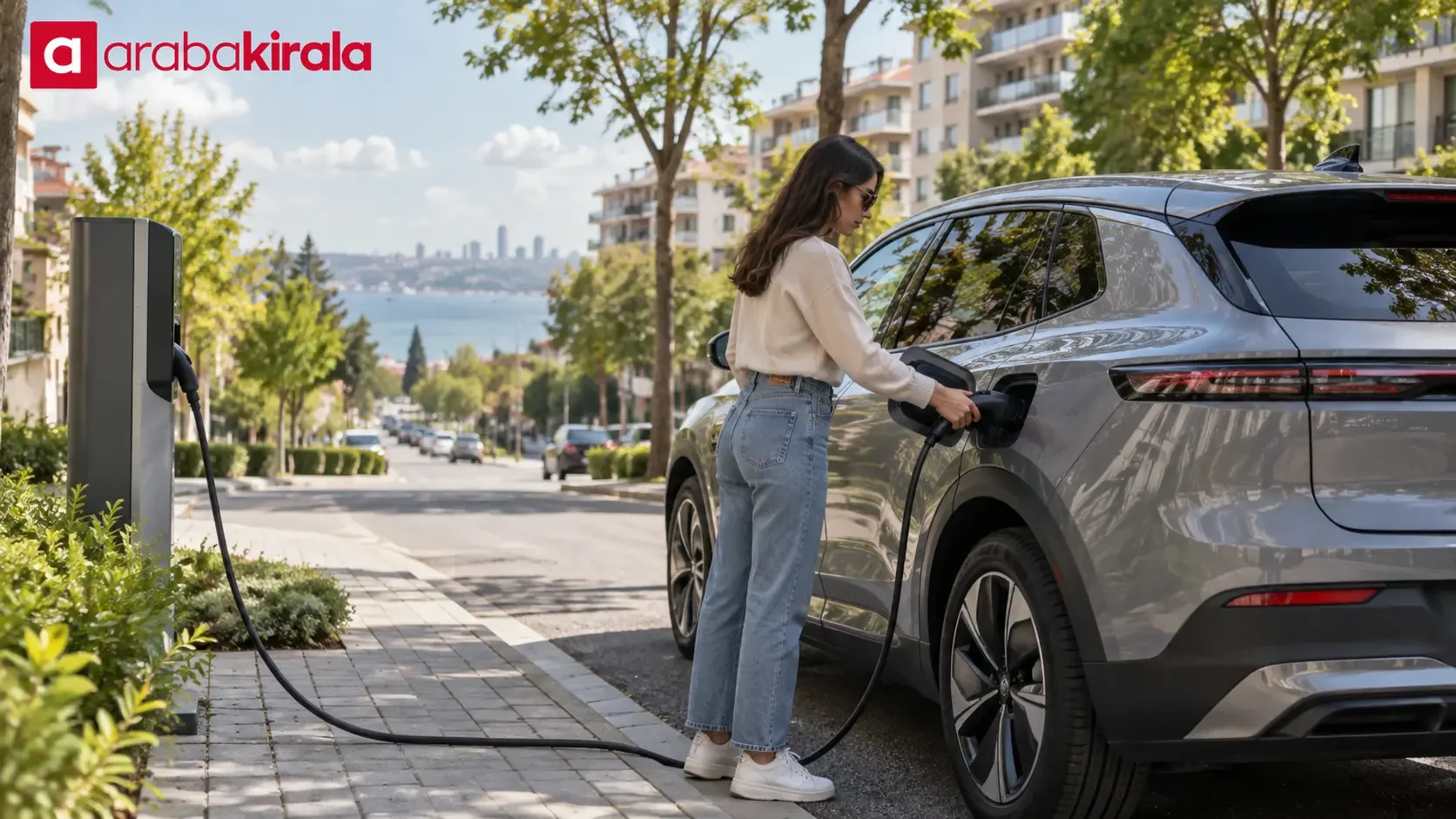
Also check whether the planned charging point is compatible with the vehicle, accessible along your route and usable with the equipment available to you. Asking the branch about the supplied car’s charging connector and included equipment can help clarify your route plan. These are details to verify for the actual vehicle; they should not be treated as a promise about every model or charging location.
Frequently asked questions
Does every electric car have battery preconditioning?
No. Availability depends on the model, equipment and software. Some cars provide automatic preparation linked to navigation, others offer a manual control, and some may not have the function. The manual and menus for the vehicle you receive are the relevant references.
Should I turn it on before every charge?
No. It can be useful when battery temperature may affect charging power, particularly when planning a fast-charge stop. It is not necessary for every charging session, nor does it always shorten charging time. Follow the vehicle’s own guidance.
Does battery preconditioning heat the cabin too?
They are separate functions with different aims. Battery preparation manages the high-voltage battery’s temperature; cabin preconditioning changes the passenger-compartment temperature. A vehicle may run both, depending on its design.
Is selecting a charger on my phone enough?
Not always. Some vehicles need the charger to be set as a destination or waypoint in the car’s own navigation before automatic battery preparation will operate. Check the model’s instructions and look for a preparation status on the display.
Will preconditioning definitely reduce charging time?
It cannot guarantee a particular result or duration. Battery temperature, charger and vehicle power limits, state of charge and station conditions all affect charging speed. Preparation can help the battery approach suitable conditions; monitor the vehicle and charger displays for the actual session.
In summary
Battery preconditioning is a temperature-management function that prepares an EV battery, often before DC fast charging. Depending on conditions, the system may warm or cool the battery, and the details vary between vehicles. On supported models, setting a fast charger in the car’s navigation may trigger automatic preparation. Consider the energy it can use, follow the vehicle’s on-screen guidance and check the manual for the specific rental car.
Legal Disclaimer: All content, articles and information on the Araba Kirala website are provided solely to inform users. No information shared on this website constitutes definitive advice or guidance. Araba Kirala Teknoloji A.Ş. and its authors cannot be held responsible for any direct or indirect damages arising from the application of information on the website. For all questions and requests regarding car rental, please contact the office from which you will rent your vehicle.