When Does Battery Thermal Management Activate in Electric Cars?
Published: October 9, 2026 • Reading Time: 6 min • Last Updated: October 9, 2026
Learn when an EV battery may be heated or cooled, how temperature affects driving and charging, and which settings and displays to check.
Contents
- What does battery thermal management do?
- When can heating or cooling come on?
- Cold weather and a cool battery
- Hot weather, sustained use, and fast charging
- How does temperature management affect charging and range?
- What should drivers check?
- Preparing to drive a rented electric car
- Summary and next step
- Frequently Asked Questions
Electric car battery thermal management refers to the systems that help keep battery cells within suitable operating conditions. This guide explains when a vehicle may heat or cool its battery, how temperature relates to driving and charging, and what you can check as a driver. Designs and control strategies vary by model, so the owner’s manual is the best source for vehicle-specific behavior.
What does battery thermal management do?
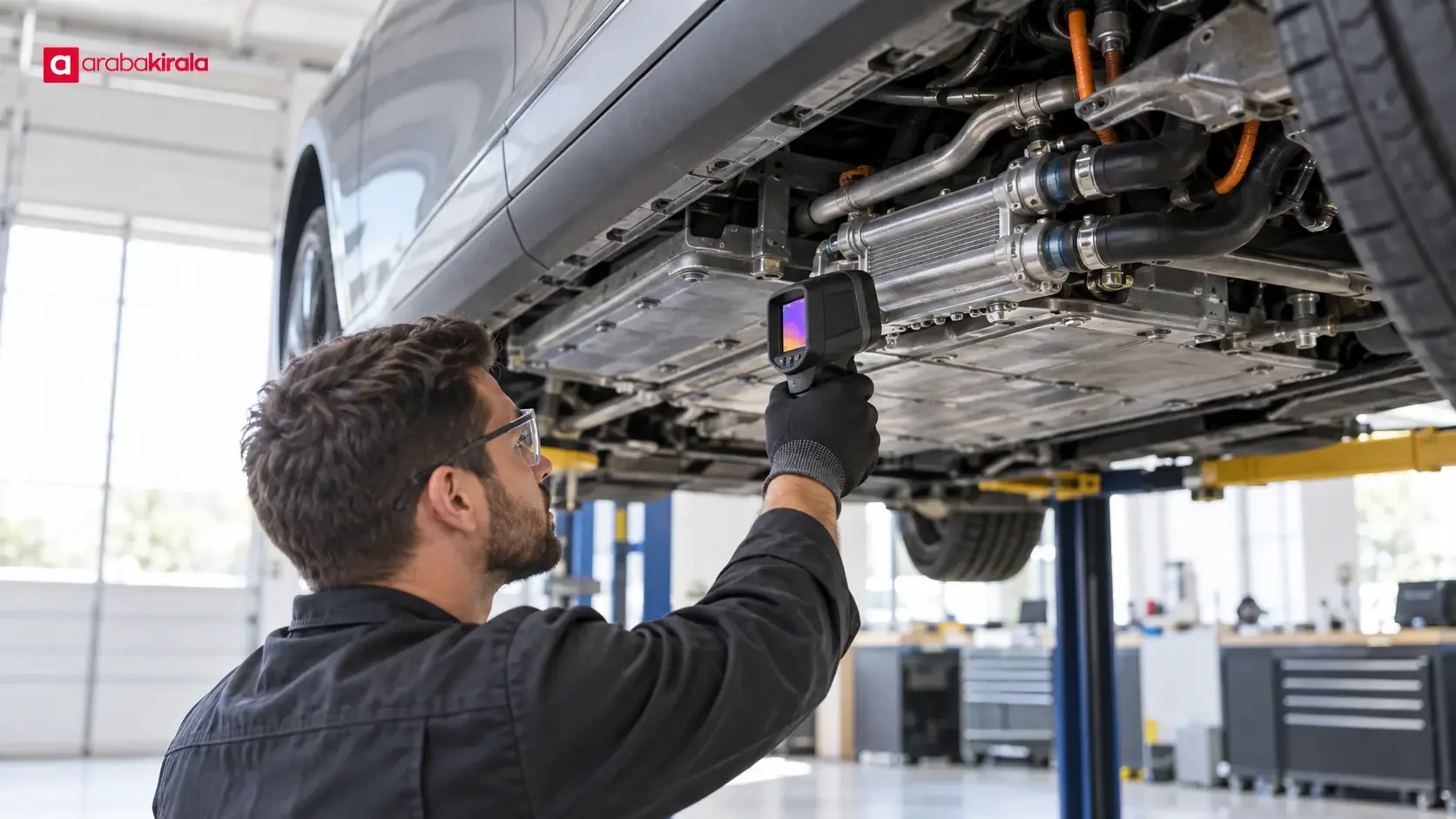
A traction battery stores electrical energy in chemical form. When cell temperatures are very low or very high, available power, charging acceptance, and operating conditions can be affected. Thermal management uses sensor readings and control software to circulate coolant, move air, provide heating, or apply another design-specific response. Some systems use liquid circuits; others use air flow or different technical arrangements.
The system is not simply a way to make the cabin comfortable. Cabin climate control and battery temperature control may be connected, but they are not identical functions. Whether a car has active battery thermal control, and the conditions under which it operates, depend on the model. Hearing a fan does not prove that the battery is being cooled; the sound can come from cabin climate control or another vehicle component.
When can heating or cooling come on?
Cold weather and a cool battery
In cold surroundings, battery cells may be below their preferred operating conditions. A car may use energy to warm the battery or temporarily limit charging power. As a result, power response or charging speed shortly after starting in winter may differ from the behavior once the battery has warmed. The effect depends on ambient temperature, the battery’s starting temperature, vehicle design, and use.
Before a cold-weather trip, preparing the cabin while the vehicle is connected to external power can help reduce the energy drawn from the battery for cabin heating during the drive. That does not mean every vehicle will warm its battery in the same way. Check the manufacturer’s description of preconditioning to see whether a setting covers the cabin, the battery, or both.
Hot weather, sustained use, and fast charging
High ambient temperature, repeated high-power acceleration, sustained power demand, or fast charging can contribute to battery heat. The vehicle monitors conditions and may run cooling or apply power and charging limits to protect the battery. The timing and response differ across vehicles, so a single outside temperature does not determine exactly what the system will do.
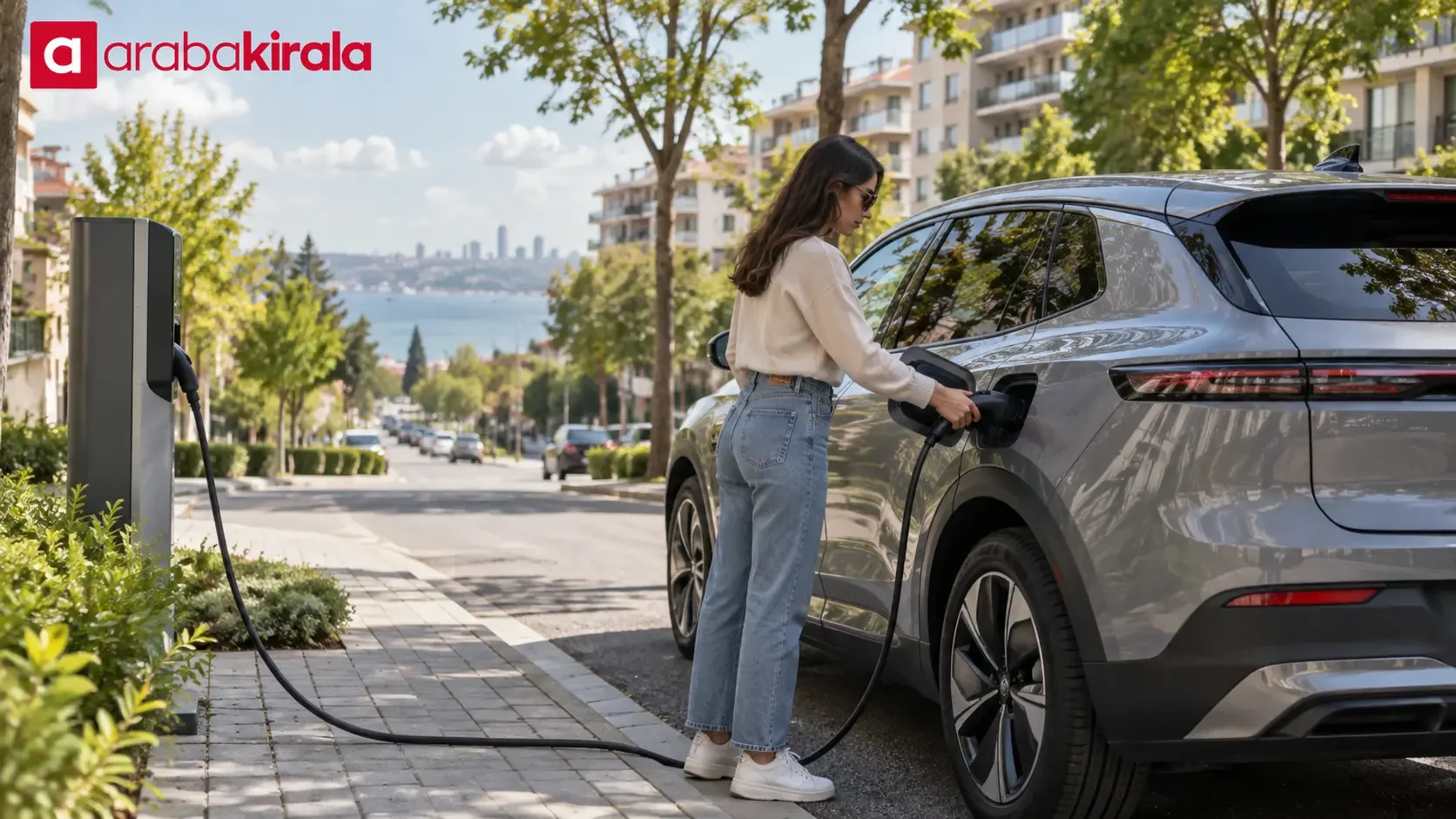
Selecting a charging stop as a navigation destination can, in some vehicles, start battery preconditioning for charging. The presence of that feature does not guarantee that it starts automatically or reaches a target temperature within a particular time. Follow the vehicle manual and the information shown by the car and charging equipment.
How does temperature management affect charging and range?
When battery temperature is outside suitable conditions, a vehicle may limit charging power. The power the battery can accept and the power a charger can provide are not necessarily the same. For that reason, the charger’s maximum rating alone does not determine session duration. Battery temperature, state of charge, compatibility between vehicle and charger, surrounding conditions, and the stage of the charging session can all matter.
Energy used for heating or cooling can affect consumption, especially on short trips or in extreme weather. That effect alone does not indicate a fault. Range estimates also change with speed, road gradients, traffic, tire condition, and cabin climate use. Do not attribute a difference on one drive solely to thermal management; consider the displays and comparable trips together.

What should drivers check?
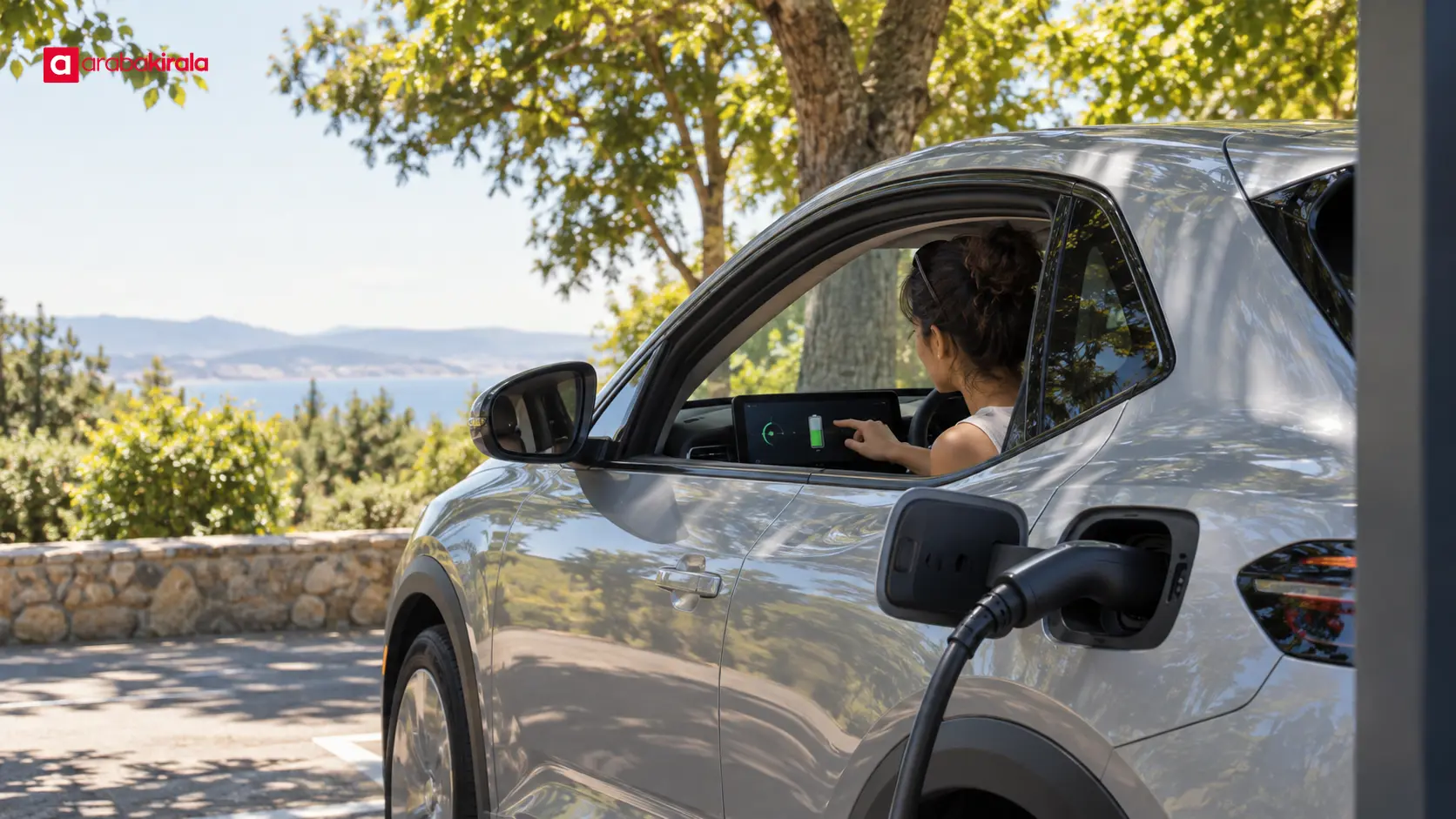
If the vehicle displays battery temperature, a power limit, charging speed, or preconditioning status, those indicators can help explain current operating conditions. Follow warnings and the explanations in the manual. Some models do not show battery temperature directly; in that case, do not assume an exact value based only on charging power or a warning-free display.
- Before setting off, learn from the manual how climate control and preconditioning options work.
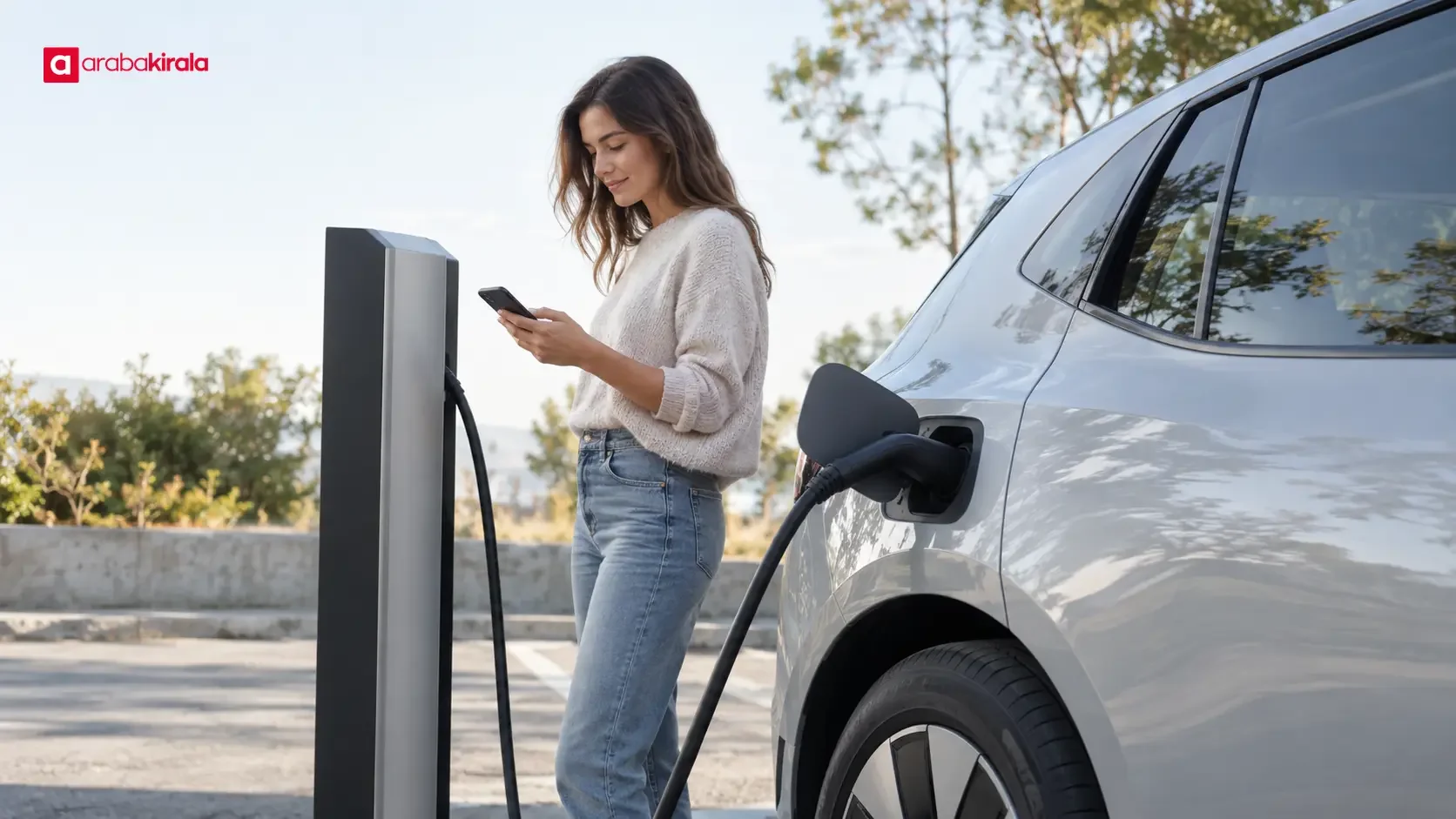
- If charging is slower than expected, check vehicle messages and the conditions of the charging session.
- When parking for an extended period in very hot or cold conditions, consult the manufacturer’s parking and charging guidance.
- If warnings recur, power is unusually restricted, or the manual describes a condition as a fault, contact qualified technical support.
Do not work on the battery or high-voltage components. Opening a cooling circuit, trying to heat the battery with improvised methods, or ignoring warnings while continuing to drive is unsafe. Follow the safety notices and service instructions in the vehicle manual.
Preparing to drive a rented electric car
A rented electric car may handle battery management differently from a model you know. At pickup, ask for an explanation of the charging displays, range estimate, preconditioning menu, and charging cable information. For a longer journey, ask the rental branch about booking-specific details such as charging options, pickup and return procedures, and how to get assistance.
Plan beyond the displayed range estimate. Check charging locations along the route in advance and allow flexibility for weather conditions. If using the vehicle’s navigation supports preconditioning before a charging stop, follow the instructions in the manual. You can start a rental search through relevant ArabaKirala city or location pages; confirm the specific vehicle’s features and handover details with the branch handling your reservation.
Summary and next step
Battery thermal management may heat or cool the battery when its temperature approaches conditions outside the vehicle’s preferred operating range. Cold weather, hot surroundings, demanding driving, and fast charging can affect that need. Since behavior varies by model, read the displays and charging messages alongside the manual. If renting an electric car, learn the preconditioning and charging screens at pickup and confirm booking-specific details with the rental branch.
Frequently Asked Questions
Does battery thermal management start as soon as the car is switched on?
Not necessarily. The system responds to sensor readings, surrounding conditions, and the vehicle’s control strategy. Some vehicles may wait until a particular condition occurs before heating or cooling begins.
Can cold weather reduce charging speed?
A cold battery can lead a vehicle to limit charging power, so winter conditions can affect charging time. Check messages in the vehicle and the model’s manual for the likely cause and recommended preparation.
Does fast charging always overheat the battery?
No. The vehicle monitors temperature and may use cooling or limit power according to its design. If an unusual warning appears during charging, follow the on-screen instructions and the manual.
Does preconditioning warm the battery or the cabin?
It depends on the feature and the selected operation. Some systems prepare the cabin, while others may also prepare the battery before driving or charging. Check the manual for the scope of the function in that model.
Does hearing a fan or pump mean battery cooling is active?
Not by itself. The sound could come from climate control or another system. Check a displayed battery status if available, and ask service support about recurring noises not explained in the manual.
How can I learn these settings in a rental EV?
Start with the in-car help screen and owner’s manual. At pickup, ask for an explanation of charging and preconditioning; ask the rental branch about booking-specific charging, return, or assistance details.
Legal Disclaimer: All content, articles and information on the Araba Kirala website are provided solely to inform users. No information shared on this website constitutes definitive advice or guidance. Araba Kirala Teknoloji A.Ş. and its authors cannot be held responsible for any direct or indirect damages arising from the application of information on the website. For all questions and requests regarding car rental, please contact the office from which you will rent your vehicle.