How Charging Power, Battery Capacity and Charging Time Relate in an Electric Car
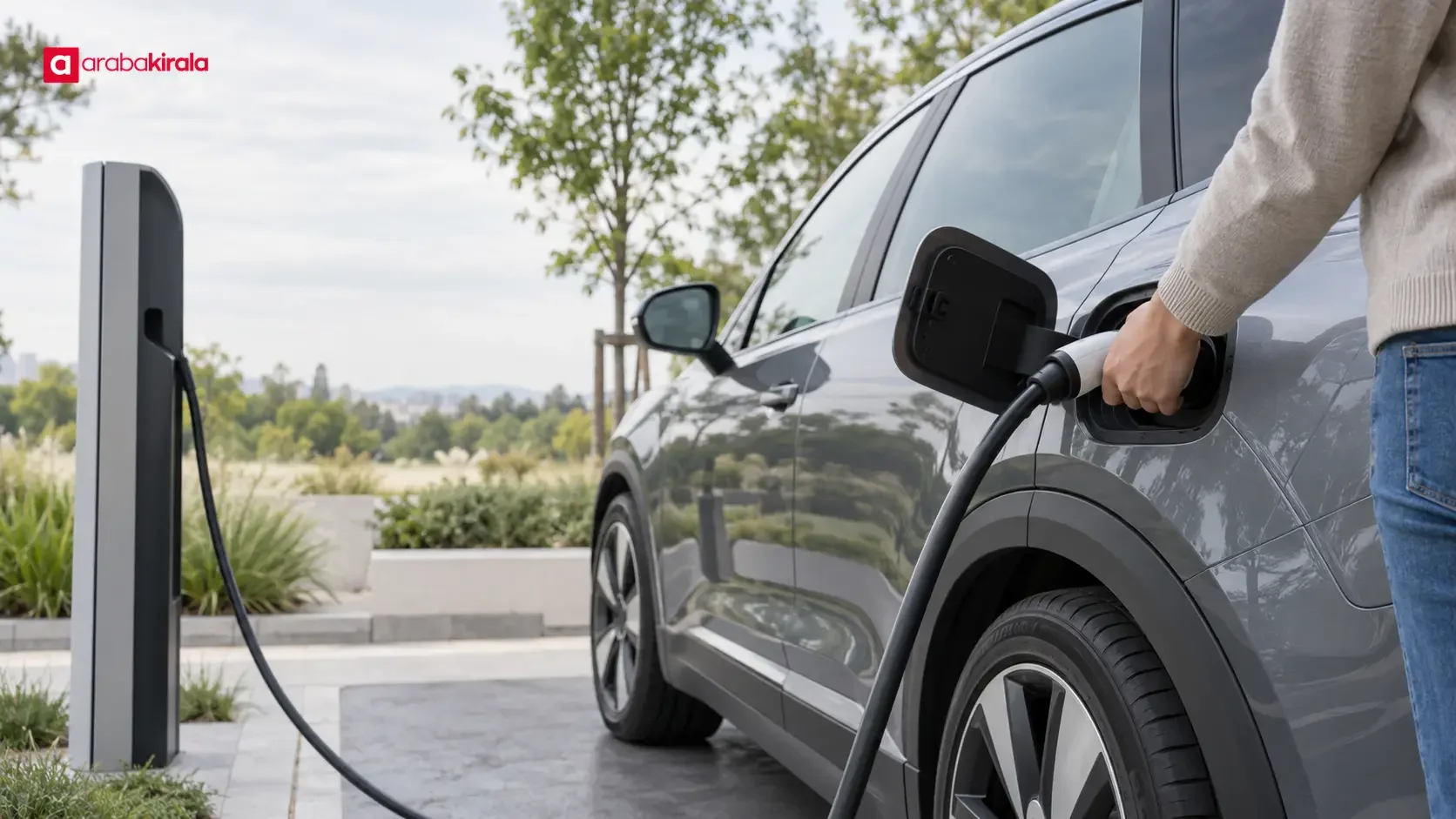
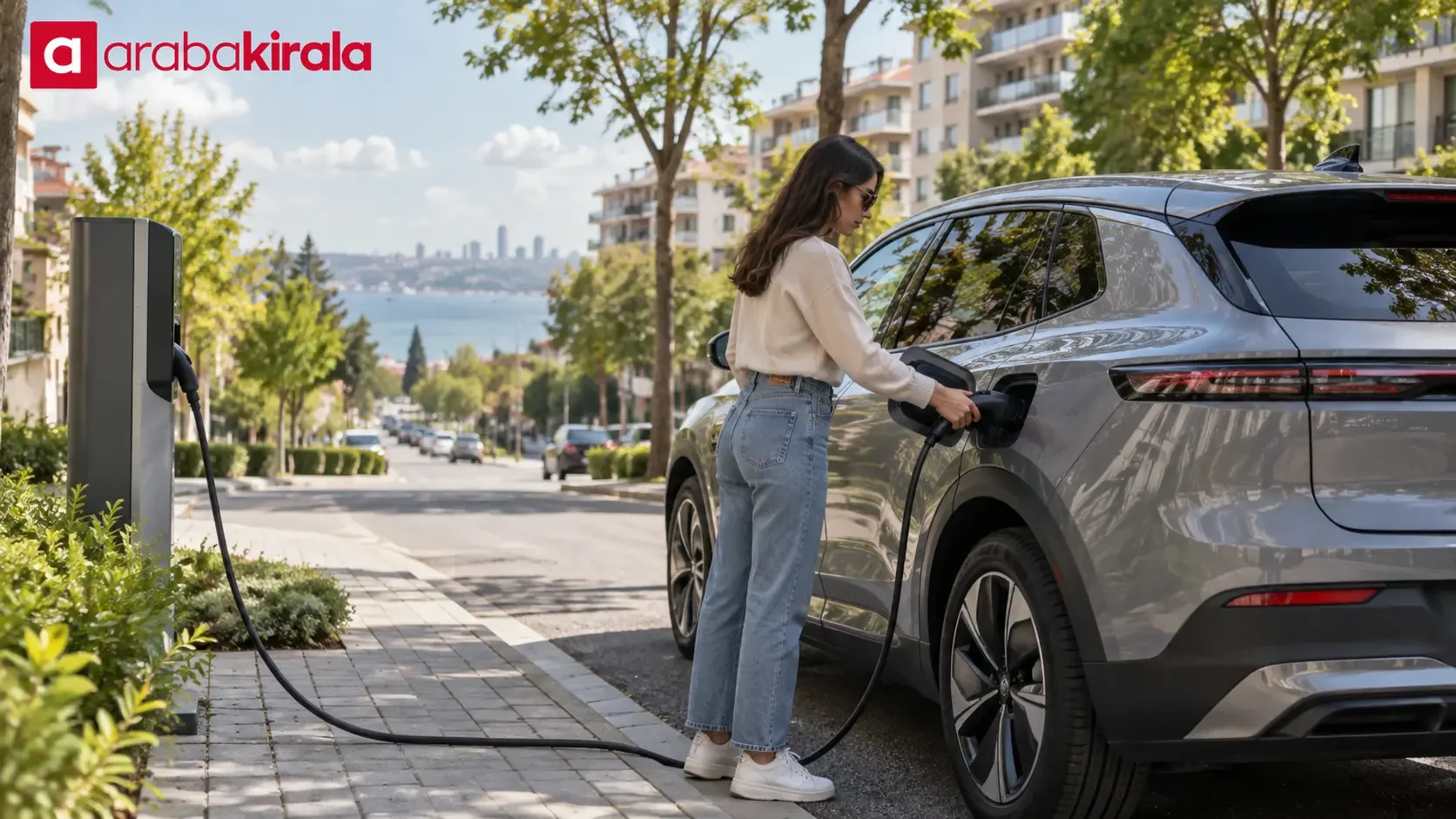
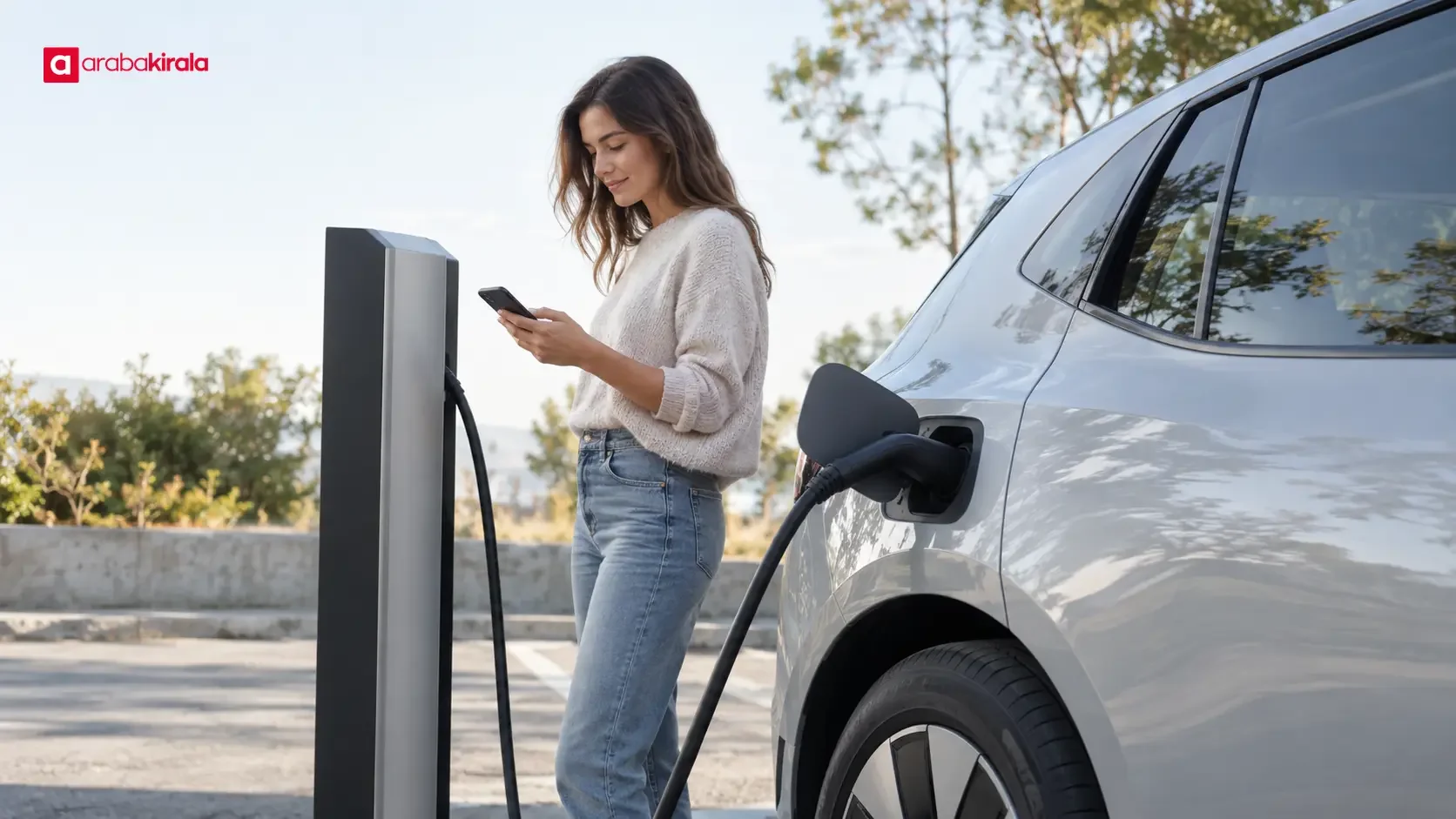
Electric car charging time depends on how much energy the battery needs, how quickly the car can accept it, the capability of the charging point and the battery’s condition at that moment. The kilowatt (kW) number displayed on a charger alone cannot tell you exactly how many minutes a session will take. Understanding the relationship between power and capacity helps you plan routine charging and longer journeys more realistically.
What do charging power and battery capacity mean?
Charging power describes the rate at which energy is transferred to the battery and is measured in kilowatts (kW). Battery capacity describes the amount of energy it can store and is commonly measured in kilowatt-hours (kWh). One is a rate and the other is an amount: kW tells you how fast energy may flow, while kWh tells you how much energy is involved.
A simplified estimate starts with the energy to be added over the chosen state-of-charge range. Dividing that energy by the average charging power gives an approximate time in hours. For example, if 20 kWh needs to be added and the average power throughout the session were 40 kW, the arithmetic estimate would be half an hour. This illustrates the relationship only; the actual car, charger, temperature and charging curve can produce a different result.
Why a simple calculation is not an exact answer
The maximum power shown on a charger is not a promise that the battery will receive that power throughout the session. The car and charger operate within their shared limits. If a car can accept less power, connecting it to a charger with a higher rating does not remove the car’s limit. Reaching the car’s advertised peak value is not guaranteed in every session either.
As the battery’s state of charge rises, many vehicles gradually reduce charging power. This is part of managing the battery and controlling the charging process. As a result, moving through a lower-to-middle charge range may take less time than approaching a high state of charge. The starting and target percentages therefore matter to any estimate.
Connection and communication, preparing the battery for suitable temperatures, power sharing at a charging site, the station’s current operating conditions and vehicle systems can also affect the session. A very cold or hot battery may lead the car to limit power until conditions are more suitable. Treat a time shown in the vehicle or an app as an estimate that can change, rather than a guaranteed arrival time.
How AC and DC charging differ
AC charging
With alternating current (AC) charging, the car’s onboard charger converts incoming electricity into a form the battery can use. The onboard charger’s acceptance limit works together with the charging point’s capability to determine the power. AC charging is often used while a vehicle is parked for a longer period. A high AC rating at the charging point does not mean the car’s onboard unit can accept that same power.
DC charging
With direct current (DC) charging, much of the conversion is done in the charging equipment, and energy is delivered to the battery as direct current. Compatible vehicles may accept higher power this way, making it useful for adding energy during a journey break. Actual power still depends on the car’s DC acceptance limit, battery temperature, state of charge and the charging site’s available capacity. A fair AC-versus-DC comparison uses the same amount of energy and similar conditions.
Charging curves and state of charge
A charging curve shows the power a battery accepts across a session. One peak-power figure does not describe the whole curve. Under suitable conditions, some cars may maintain higher power through part of a low or middle state-of-charge range, then reduce power as the battery fills. The curve differs by vehicle, battery management and conditions, so the manufacturer’s technical documentation is the best source for model-specific information.
On a long trip, charging to full at every stop does not always produce the shortest overall journey. Because power can taper at a high state of charge, a shorter charging window may save time on some routes. That decision should account for distance to the next suitable charger, a safe energy reserve and the charging options at the destination. Weather, road conditions and expected energy use also belong in the plan.
What to check for a realistic estimate
- Energy needed: Consider the difference between the starting and target charge levels alongside the car’s usable battery capacity. Displayed percentages and usable capacity can be defined differently by vehicle.
- Vehicle acceptance limits: Check the car’s AC and DC charging limits in its owner’s manual or the manufacturer’s technical information.
- Charging point capability: Check whether its available power matches the car’s limits and whether power may be shared. Availability information can change.
- Charge range: Note the starting and target percentages used in an estimate. Approaching a high charge level can make the final portion take longer.
- Temperature and preparation: If the car has battery conditioning or preconditioning, consult the manual for how it works.
- Journey margin: Account for the effect of weather, speed, load and route on energy use; do not base a plan on one time estimate alone.
Planning charging in a rental electric car
Before setting off in a rental electric car, confirm the specific vehicle’s AC and DC charging support, connector type and how to open the charge port. Ask for a quick explanation of any menus that vary between cars and how charging cables are stored. Before leaving the rental location, check the car’s current charge level and the handover records provided to you.
Access to a charging network, payment method, whether a cable or adapter is included, and any expected return charge level can depend on the vehicle, reservation or branch. Confirm these details with the branch where you will collect the car instead of assuming every vehicle has the same equipment or process. Follow the charging unit’s instructions and the car manual; do not force a connector or use damaged equipment.
Frequently asked questions
If charging power doubles, does the time halve?
Only approximately, if the other conditions stay the same and the car can accept that power throughout the session. Charging curves, vehicle limits, battery temperature and power taper at higher charge levels mean the actual time may not halve.
Does a car with a larger battery always take longer to charge?
At the same average power and over the same charge range, transferring more energy takes longer. But vehicles have different acceptance limits and charging curves, so capacity alone is not enough to compare charging times.
Does the battery need to reach 100%?
The useful target depends on your planned use, route and the manufacturer’s battery guidance. Follow the owner’s manual when choosing a target and leave a suitable reserve for reaching your destination.
Why is the displayed power lower than the charger’s kW rating?
The car may be accepting less power at that moment. Battery temperature, state of charge, charger power sharing or connection conditions may also be factors. Compare the car’s display with the charger’s information, and contact the charging site’s support channel if a technical problem persists.
Legal Disclaimer: All content, articles and information on the Araba Kirala website are provided solely to inform users. No information shared on this website constitutes definitive advice or guidance. Araba Kirala Teknoloji A.Ş. and its authors cannot be held responsible for any direct or indirect damages arising from the application of information on the website. For all questions and requests regarding car rental, please contact the office from which you will rent your vehicle.
Legal Disclaimer: All content, articles and information on the Araba Kirala website are provided solely to inform users. No information shared on this website constitutes definitive advice or guidance. Araba Kirala Teknoloji A.Ş. and its authors cannot be held responsible for any direct or indirect damages arising from the application of information on the website. For all questions and requests regarding car rental, please contact the office from which you will rent your vehicle.