How Do Heat Pumps and Cabin Heating Affect Electric Vehicle Energy Use?
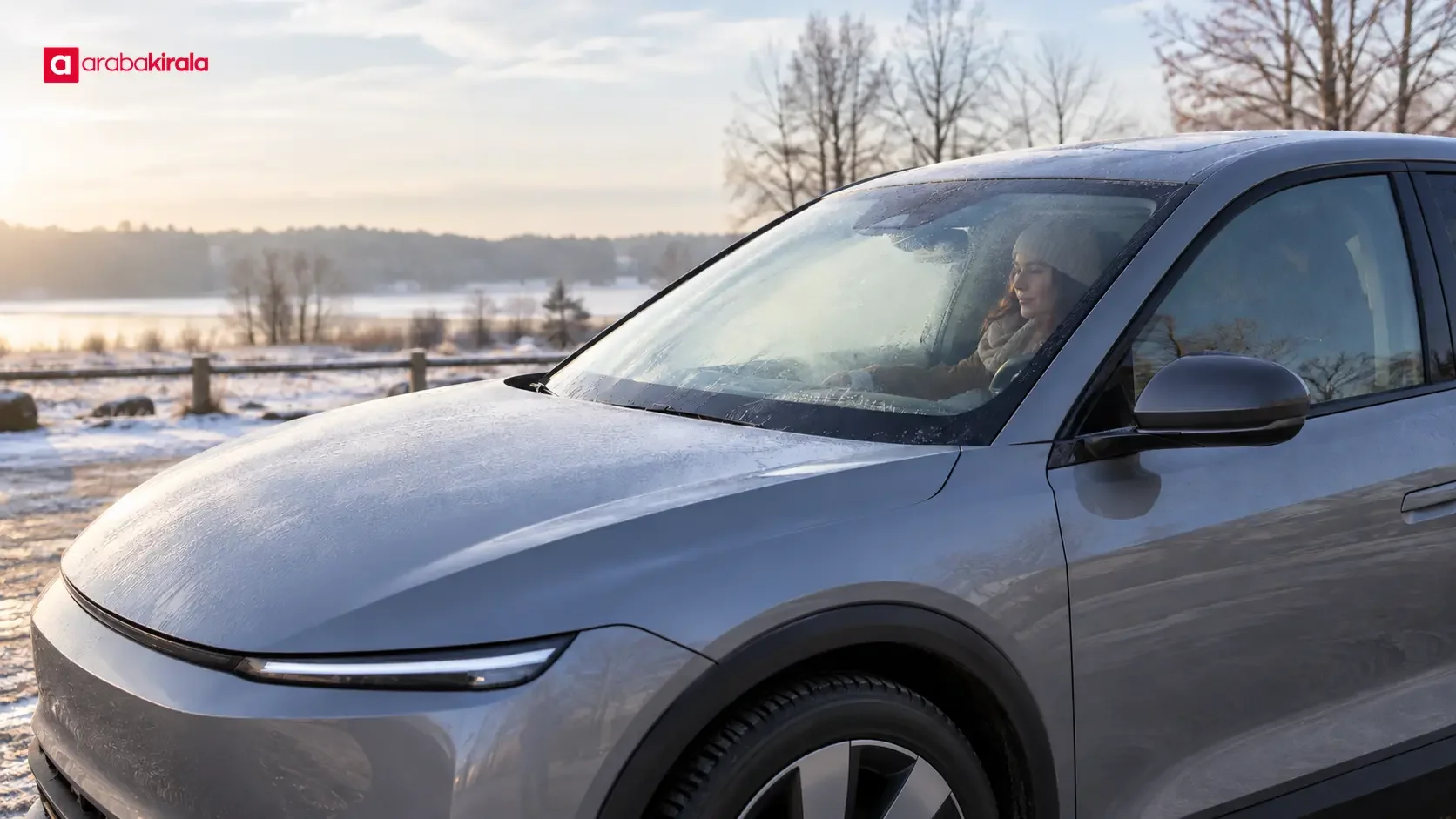
An electric car heat pump can affect how much battery energy is used to warm the cabin, especially in cold weather. Unlike an internal combustion car, an EV does not have a continuously available engine producing large amounts of waste heat for the cabin. Heating therefore draws on energy from the battery, alongside the energy needed for propulsion and other vehicle systems. A heat pump moves available heat from outside the car or from vehicle components into the cabin. It can reduce the electricity needed for heating under suitable conditions, but it does not eliminate heating demand or guarantee a fixed increase in range. Understanding the system helps drivers make practical comfort and trip-planning choices.
Why cabin heating uses energy in an electric vehicle
An EV battery supplies the traction motor as well as climate control, lighting, electronics, and other auxiliary equipment. When the cabin needs heat, climate control draws some of that shared energy supply. A cold-soaked cabin may need an initial burst of heating to warm the air, seats, trim, and other interior surfaces. Maintaining a comfortable temperature after the cabin has warmed can involve a different demand from bringing it up to temperature in the first place.
The effect on range is not a single fixed number. It depends on outdoor temperature, trip length, the requested cabin setting, window clearing, passenger load, and driving conditions. Cold weather can also affect the battery’s operating conditions and the energy needs of other vehicle systems. For that reason, a change in the vehicle’s displayed consumption cannot automatically be attributed to the heater alone.
How a heat pump works
A heat pump is a climate-control system that transfers heat from one place to another. Using a refrigeration cycle, it can collect low-level heat from the outside environment or vehicle components and move it into the cabin. Rather than turning all of its input electricity directly into heat at an electric heating element, it uses electricity to transfer heat that is already available. Under suitable conditions, this can provide more cabin heat per unit of electricity than direct electric heating.
Performance depends on operating conditions. As outside temperatures fall, less heat may be available to transfer, and the system may need to work harder to meet the cabin’s heating demand. Some vehicles also have an electric resistive heater that can supplement the heat pump or operate in conditions where additional heat is needed. The controls and operating limits vary by model, so a particular efficiency or range improvement should not be assumed for every EV.
Heat pump versus resistive heating
A resistive electric heater converts electrical current directly into heat for the cabin or climate-control circuit. A heat pump instead moves heat from a source into the cabin. This is the key distinction: one uses electricity to produce heat directly, while the other uses electricity to transfer heat. In suitable conditions, a heat pump may use less electrical energy to provide a given amount of cabin warmth.
That difference alone is not enough to judge a vehicle. System capacity, insulation, control software, cold-weather operation, and the vehicle’s overall efficiency also matter. Two EVs equipped with heat pumps may have different real-world energy use. A heat pump does not mean winter range will stay unchanged or that cabin heating uses no battery energy.
How cabin heating can affect range
Energy used for heating is energy that is not available for driving. Its share may be more noticeable on short trips with frequent stops, because the cabin can cool between journeys and need to warm up again. On a longer trip, the initial warm-up energy is spread across more driving time, though the outside temperature and route still affect consumption. A result from one journey should not be applied directly to another season, vehicle, or route.
Some vehicles offer preconditioning, which can prepare the cabin or battery before departure. When the car is connected to a charger, warming the cabin in advance may reduce the energy drawn from the battery after driving begins. The feature’s availability, energy source, and operation depend on the model and settings. Consult the vehicle’s owner’s manual to understand what its preconditioning function prepares and how to use it.
Practical ways to manage heating energy in cold weather
- Choose a comfortable, reasonable cabin setting. Setting the temperature higher than needed can increase heating demand. Use a setting that supports comfort and clear visibility.
- Consider heated seats or a heated steering wheel. If the vehicle has them, these features warm occupants directly and may reduce the need to keep the whole cabin at a high temperature. The effect depends on the vehicle and personal comfort.
- Keep the windows clear. Use the ventilation and climate controls needed to clear fogging. Safe visibility takes priority over range concerns.
- Use preconditioning while charging when available. Follow the vehicle’s manual and set it for the planned departure time.
- Drive smoothly and at an appropriate speed. Heating is only one part of energy use. Speed and abrupt acceleration also affect consumption, so steady driving within safe and legal limits can help manage total energy use.
- Plan with current conditions in mind. Include cold weather, route, payload, and access to charging in your trip plan. Treat the vehicle’s range estimate as an estimate that responds to current conditions.
How much range does a heat pump add?
There is no single range increase that applies to every electric vehicle with a heat pump. The result depends on temperature, heating duration, cabin settings, system design, and the vehicle’s overall efficiency. The presence of a heat pump in a model’s specifications does not promise a particular number of extra miles or kilometres on a given route or in a specific temperature. Manufacturer information for the exact model and credible tests conducted under comparable conditions are more useful than a universal estimate.
What to check when renting an electric vehicle
The model and equipment supplied at pickup may differ from what you expected during the booking process. Heat pumps, preconditioning, heated seats, and range-display functions vary by vehicle. Ask the branch where you will collect the car which features are present in the vehicle assigned to your rental and how to use them. At pickup, reviewing the charge level, range display, and climate controls with staff can help you plan the trip. For booking-specific matters such as mileage limits or charging-related pickup and return details, check directly with that branch.
Frequently asked questions
Does an electric car with a heat pump always use less energy in winter?
A heat pump can reduce the electricity needed for cabin heating in suitable conditions. Cold temperatures and other driving conditions also affect consumption, so it does not follow that total winter energy use will always be lower.
Will turning off cabin heating increase range?
Reducing heating demand can reduce the energy used by climate control. However, do not ignore fogged windows or the comfort needed for safe driving. Range should not come at the cost of visibility or safety.
Does every electric vehicle have preconditioning?
Availability and operation vary by model and equipment level. Check the owner’s manual, and ask the rental branch whether the specific vehicle has the feature.
Is a heat pump the same as an air conditioner?
A heat pump is a heat-transfer system that can be used for heating and cooling. Vehicle climate-control layouts and components vary. In everyday speech, “air conditioning” may refer to the cabin climate system as a whole, so use the vehicle’s model-specific technical description for clarity.
Conclusion
Cabin heating draws energy from an EV’s battery, while a heat pump can help use that energy more efficiently under suitable conditions. The actual effect depends on temperature, trip pattern, and vehicle design. Reasonable climate settings, preconditioning while connected to a charger when available, and safe driving habits can help manage cold-weather energy use. When renting, confirm the equipment and booking details with the pickup branch so your plan matches the vehicle you receive.
Legal Disclaimer: All content, articles and information on the Araba Kirala website are provided solely to inform users. No information shared on this website constitutes definitive advice or guidance. Araba Kirala Teknoloji A.Ş. and its authors cannot be held responsible for any direct or indirect damages arising from the application of information on the website. For all questions and requests regarding car rental, please contact the office from which you will rent your vehicle.