How to Manage an Electric Car’s Charge While Parked
Published: October 10, 2026 • Reading Time: 7 min • Last Updated: October 10, 2026
Learn what affects an electric car’s battery while parked, how to plan its charge, and what to check before leaving it unused for longer periods.
Contents
- What does energy use while parked mean?
- What affects the battery level?
- Outside temperature and battery management
- Cabin climate and standby features
- Connectivity and remote access
- Plan the charge before parking
- Short stops and extended parking
- If the charge drops more than expected
- Manage charging safely in a parking space
- Summary: match parking time to vehicle guidance
- Frequently Asked Questions
Electric car parked energy use is not limited to driving. Battery management, cabin climate settings, connected features, and outside temperature can affect the battery while the car is stationary. This guide explains why the charge level may change, how to plan for the time the car will be parked, and which checks help before a short stop or a longer period without use.
What does energy use while parked mean?
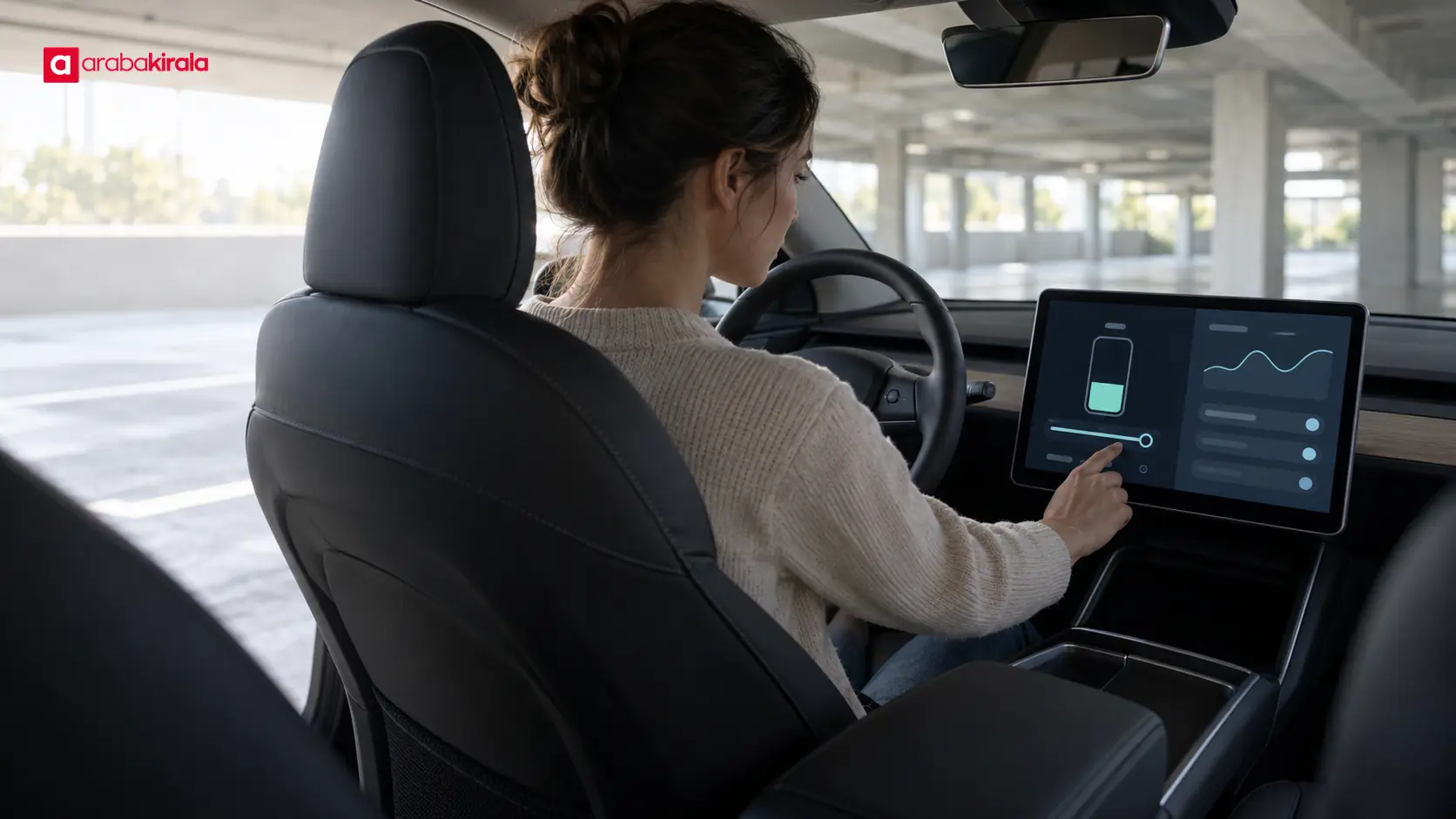
Some electrical systems can remain active or wake periodically even when the car is not moving. The battery management system monitors battery cells; the car may remain connected for remote access or security functions; and climate settings can also draw energy. This use is not measured in driving distance. The battery percentage shown on the display should therefore be considered alongside how long the car has been parked.
The displayed percentage is an estimate of battery state. A small change does not always represent an equal amount of energy used. Temperature, display updates, and battery management behavior can affect the reading. Looking at changes over several hours or a day under similar conditions gives a more useful picture than comparing two readings taken close together. The vehicle’s owner’s manual is the starting point for understanding how its battery indicators work.
What affects the battery level?
Outside temperature and battery management
Cold or very hot conditions change the battery’s operating environment. The car may use thermal management functions to keep the battery within an appropriate operating range; how those systems behave depends on the model, settings, and conditions. It is therefore not reasonable to expect identical parked consumption across different cars or seasons. Checking the battery level before a long parking period matters especially in temperature extremes.
Cabin climate and standby features
Remote cabin heating or cooling, scheduled climate control, parking monitoring features, and connected services can consume energy. Turning off or limiting a feature may reduce consumption, but the available settings vary by vehicle. Before parking, review features you do not need and use the display or manual to understand their effect. Do not disable a safety feature without first understanding what it does.
Connectivity and remote access
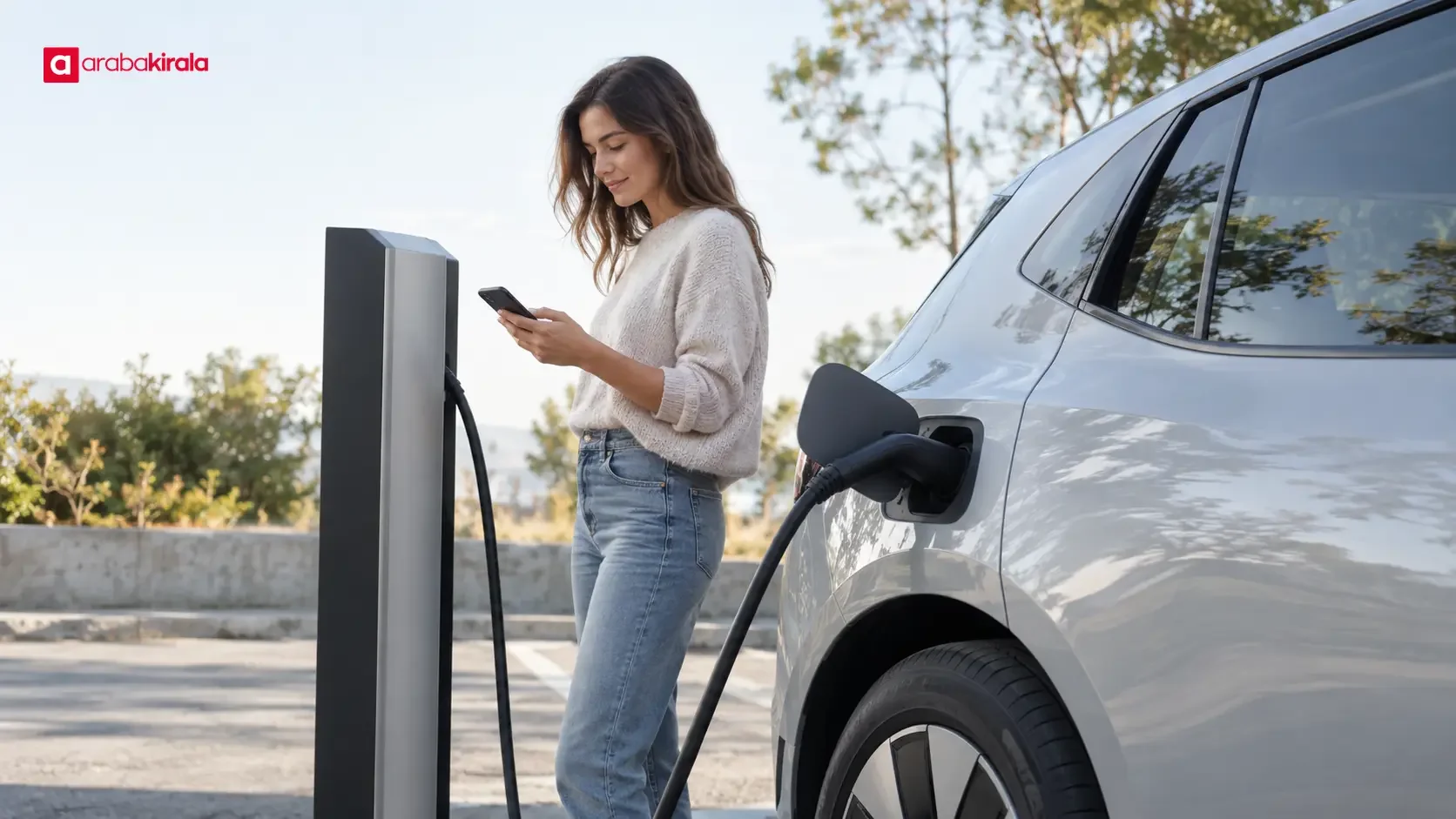
Frequent status checks through a mobile app can communicate with the car and wake it. The effect of connectivity is not the same in every vehicle, and models manage sleep differently. Check the battery at intervals that match your needs instead of constantly refreshing the app. If the app provides model-specific information about standby use, read it together with the owner’s manual.
Plan the charge before parking
A suitable charge level depends on how long the car will be parked, the distance of the next trip, weather, and access to charging. There is no single parking level that applies to every electric car. For routine use, follow the manufacturer’s battery and charging advice. For an extended period without use, follow the storage guidance for the specific model. If the manufacturer gives a different range, use its guidance in place of general advice.
Before setting off, consider both the displayed percentage and the planned route, including charging options along the way. Checking route charging access in advance can reduce the chance of starting a trip with an unnecessarily low battery. If the car will be parked for a long time somewhere with uncertain charging access, consider whether the current charge will support the expected use before leaving it.
- Estimate the parking duration and the distance of the next trip.
- Check the manufacturer’s advice for everyday use and extended parking.
- Review timers, climate control, and standby features you do not need.
- During a long parking period, check the battery occasionally and consider whether more frequent checks are useful.
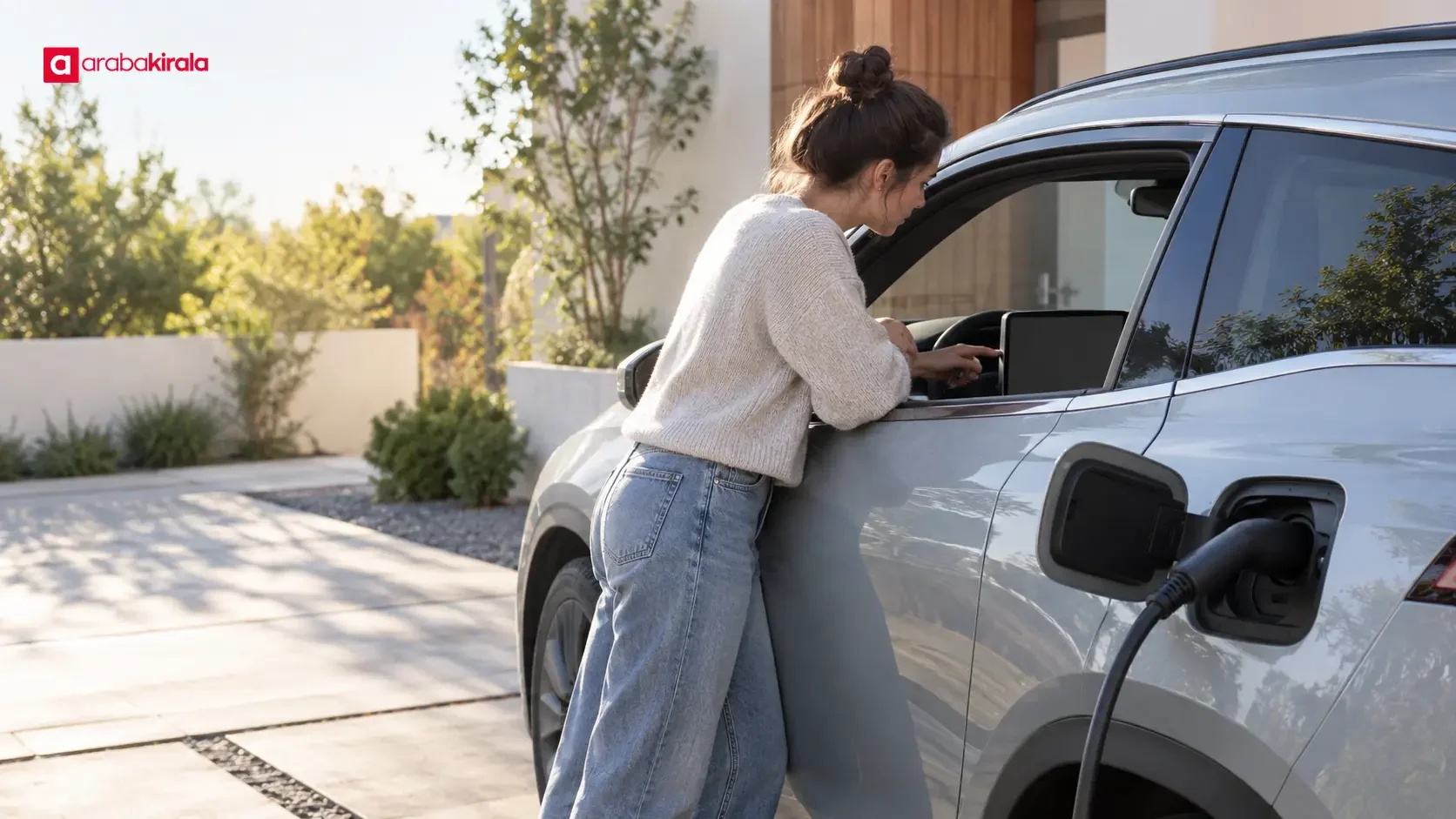
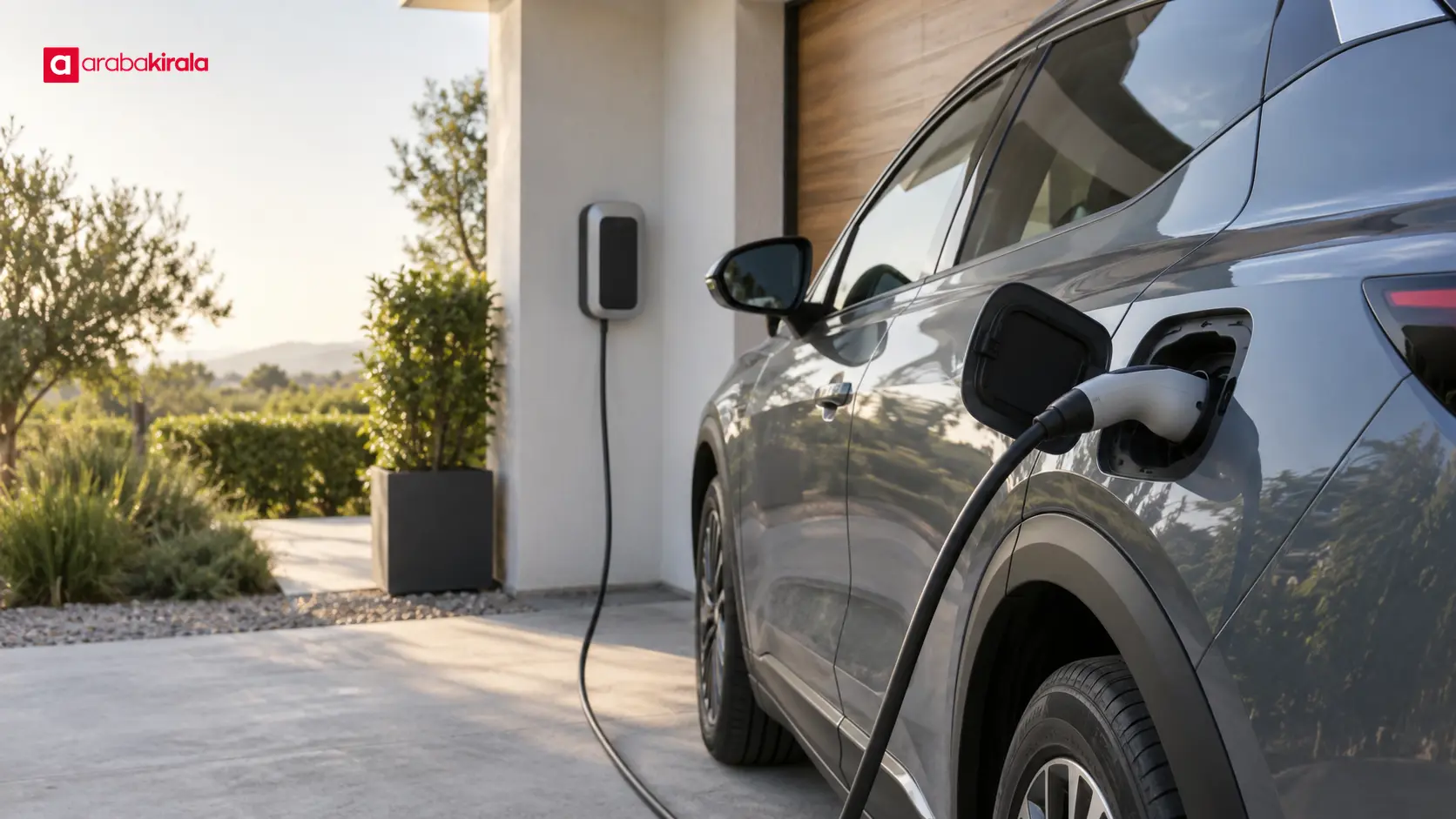
- If charging, confirm that the cable, plug, and connector are undamaged and dry, and follow the equipment instructions.
Short stops and extended parking
For a few hours at work or while shopping, the main priorities are usually to lock the car normally, limit unnecessary energy-consuming features, and retain enough range for the return trip. If the car will be unused for several days or longer, read the extended-parking section of its manual. Battery chemistry and vehicle software differ, so a specific percentage should not be presented as a required target for all models.
Before extended parking, choose a suitable secure place and check that doors and windows are closed, any charging cable is connected correctly, and the selected parking mode is active. Whether the car should remain plugged in, and what charge level to use, depend on the model’s instructions. If the manufacturer’s recommendation is unclear, consult the manual or authorized vehicle support. If you are renting, ask the branch where you will collect the car for details specific to that vehicle about charging and extended parking.
If the charge drops more than expected
First check the conditions behind the comparison: the starting level, parking duration, weather, and which features were active. Then review the car’s energy-use records, app notifications, and manual explanations for standby functions. A one-off small change in the display is not proof of a fault. If a noticeable drop repeats, a warning appears, or the car’s use is affected, contact the manufacturer’s support channel for an assessment.
If charging equipment was connected, look from a safe position for visible damage, a loose connection, or unusual heat at the cable or connector. Do not use damaged equipment or attempt to work on the high-voltage battery. If the car or charger displays a warning during charging, follow its instructions and seek qualified support. For a rented car with a charging issue or dashboard alert, inform the branch that provided it and request guidance for safe use.
Manage charging safely in a parking space
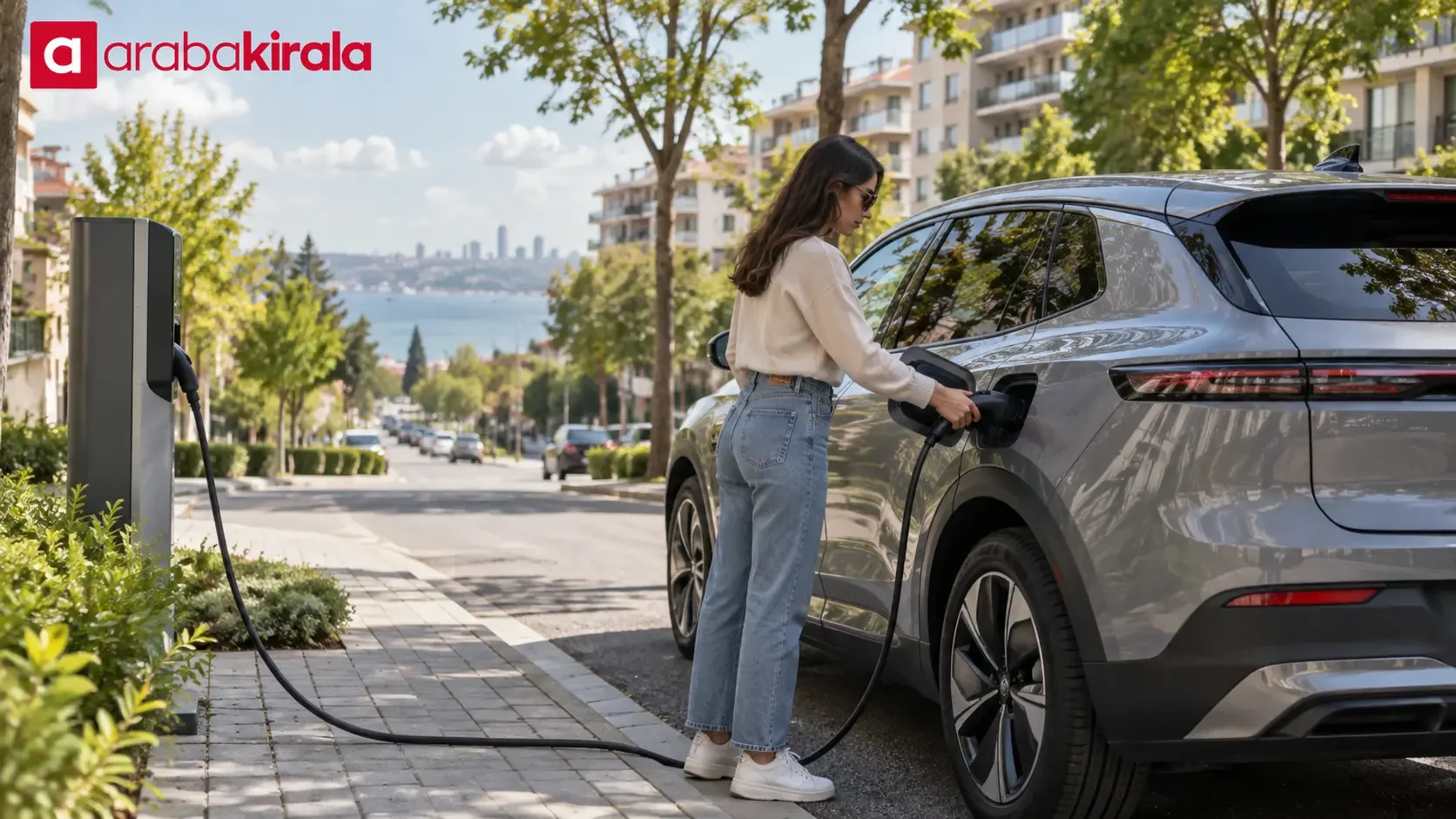
Use charging equipment according to the instructions from the vehicle manufacturer and equipment provider. Route the cable so it does not obstruct people, and do not use a connection that may be crushed, cut, or exposed to water. Before charging starts, check the car’s display and make sure the connector is seated securely. When using a public charging point, follow the site’s usage and parking signs; do not assume the charging space will remain available for the entire parking period.
If charging in an indoor garage, confirm that charging is permitted there and follow the facility’s rules. Follow the car and equipment instructions instead of using an extension cable or an adapter whose suitability is uncertain. When charging is complete, disconnect and stow the cable safely. These steps help protect the equipment and keep the parking area clear.
Summary: match parking time to vehicle guidance
To manage an electric car’s energy use while parked, learn how temperature, climate control, and connected features affect its battery. Then plan around the parking duration, next trip, and access to charging. The manufacturer’s guidance for the specific model takes priority. Before leaving the car for a long period, review the manual, adjust standby features you do not need, and make sure enough energy will remain for your return. When renting, ask the relevant branch for details specific to the vehicle or pickup location.

Frequently Asked Questions
Why does an electric car’s battery level fall while it is parked?
Battery management, connectivity and remote access, cabin climate functions, and systems that manage battery temperature can use energy while the car is stationary. The effect depends on the vehicle, settings, temperature, and time parked.
How can I reduce energy use while my electric car is parked?
Review climate and timer features you do not need, check the standby options in the vehicle manual, and avoid checking the app more often than necessary. Do not switch off a safety feature without understanding its purpose.
What should I do before leaving an electric car parked for a long time?
Follow the model’s storage guidance in the owner’s manual. Consider the parking duration and next trip; there is no universal rule for every car on whether it should stay plugged in or what charge level it should have.
Should I leave an electric car plugged in while it is parked?
That depends on the model’s battery management and manufacturer instructions. Follow the manual’s advice for charging and extended parking, and make sure the equipment is undamaged and used as directed.
Does a change in the parked battery percentage mean there is a problem?
Not necessarily. Display updates and conditions such as temperature can cause small changes. Contact vehicle support if a noticeable drop keeps recurring, a warning appears, or the change affects use.
I am renting an electric car and will park it for a long time. What should I clarify?
Read the vehicle’s charging and parking guidance. Ask the branch where you will collect the car for details specific to its charging equipment, extended parking, and what to do if a warning appears.
Legal Disclaimer: All content, articles and information on the Araba Kirala website are provided solely to inform users. No information shared on this website constitutes definitive advice or guidance. Araba Kirala Teknoloji A.Ş. and its authors cannot be held responsible for any direct or indirect damages arising from the application of information on the website. For all questions and requests regarding car rental, please contact the office from which you will rent your vehicle.