Regenerative Braking Levels in Electric Cars: How They Change the Drive
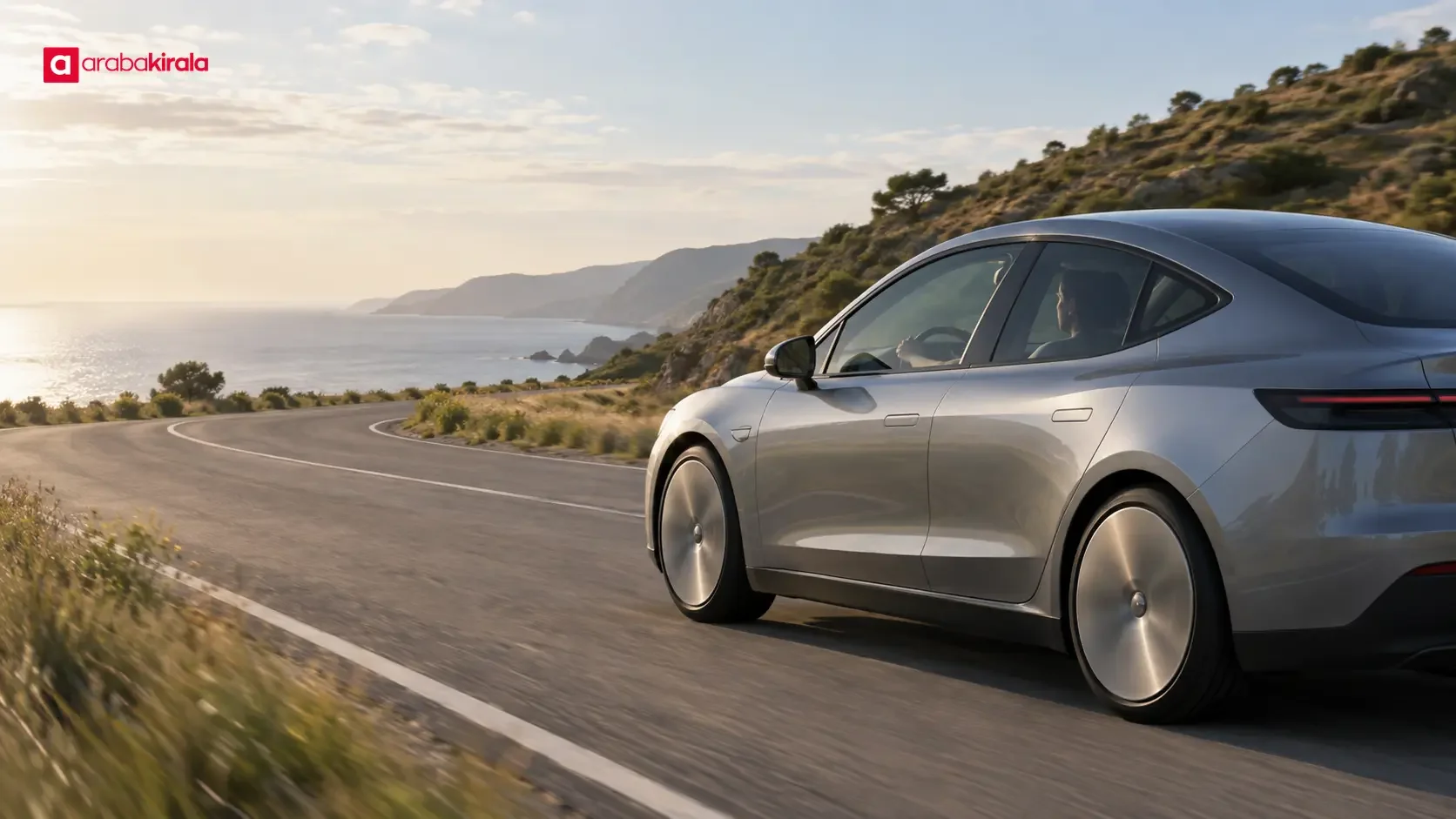
Regenerative braking levels in an electric car affect how much the vehicle slows when you lift off the accelerator, as well as how much of its motion energy may be converted back into electrical energy during deceleration. A lower setting usually lets the car coast more freely; a stronger setting produces more noticeable slowing. Understanding that difference can help you get comfortable with a new car, match your speed to traffic, and know when to use the brake pedal.
What is regenerative braking?
During regenerative braking, the electric motor operates as a generator while the car slows. When you ease off the accelerator—or, in some vehicles, press the brake lightly—the motor creates resistance at the wheels. Some of the vehicle’s motion energy can then be sent to the battery. This is energy recovery, not a way to reclaim all the energy used to move the car. The amount recovered varies with driving conditions and the vehicle’s control system.
Regeneration does not make the conventional friction brakes unnecessary. Use the brake pedal when you need stronger deceleration, a complete stop, or the level of braking required by the road situation. Depending on the car, its systems may blend motor braking with friction braking. Even if the display shows energy flowing back to the battery, traffic and road conditions still determine how you should brake.
How each level changes the driving feel
Low regeneration
At a low setting, the car tends to coast for longer after you lift off the accelerator. The sensation may resemble lifting off the throttle in a conventional car and continuing to roll, although the vehicle’s systems and response are different. If you want to reduce speed, you may need to use the brake pedal earlier. Coasting can feel smooth, but you still need to watch your closing speed and maintain a safe following distance.
Medium regeneration
A medium setting typically gives a noticeable but more gradual slowing response. It can help a new driver learn how accelerator pressure affects speed. “Medium” is not a standard braking force across all makes and models, however. Learn the difference between settings in a safe, open area and follow the vehicle’s operating instructions.
High regeneration and one-pedal feel
A high setting usually slows the car more strongly when you release the accelerator. Some vehicles can approach a stop at low speeds in this mode; others still require the brake pedal to stop completely. The phrase “one-pedal driving” does not mean the brake pedal is unnecessary in every situation. Be ready to brake for a steep descent, an unexpected obstacle, slippery pavement, or any situation that requires a prompt stop.
Strong deceleration can surprise passengers who are new to the car. Instead of releasing the accelerator abruptly, ease off progressively to make the change in speed smoother. Drivers behind you also need to anticipate your slowing. Consult the owner’s manual to understand how the brake lights operate during regenerative deceleration.
Does regeneration determine driving range?
Energy recovery can return some electricity to the battery, but a higher setting does not guarantee greater range on every trip. The result depends on factors such as gradients, speed, traffic, weather, vehicle load, battery charge and temperature, and driving style. Accelerating unnecessarily and then recovering part of that energy is generally less useful than managing speed efficiently from the start. Treat regeneration as a system that can recover some energy during driving, rather than as a range guarantee.
On a long descent, regeneration may help control speed, but the grade, road surface, and traffic can still make brake-pedal use necessary. Battery charge and temperature can affect energy recovery. If the car responds differently at the same setting, check the display messages and owner’s manual. If a technical warning appears, stop safely and follow the manufacturer’s instructions.
Choosing a setting for different road conditions
- Stop-and-go traffic: Smooth pedal use matters when speed changes frequently. If you are not used to strong regeneration, a lower setting or a more gradual lift-off can make the ride more comfortable.
- Open, flowing roads: A lower setting can let the car maintain its speed more freely when you ease off. Keep an eye on speed limits, following distance, and intersections ahead.
- Downhill roads: Learn the car’s deceleration response in advance. Regeneration may help manage speed, but it does not remove the need to use the brakes when required.
- Wet, snowy, or loose surfaces: Avoid abrupt pedal inputs. The effect of regeneration at the wheels varies by model and control system. If the car starts to slide, focus on safe driving and follow the vehicle’s guidance.
- With passengers or cargo: Added load can change the feel of acceleration and deceleration. Take time at the start of the trip to learn the pedal response smoothly.
Getting familiar with regeneration in a rental EV
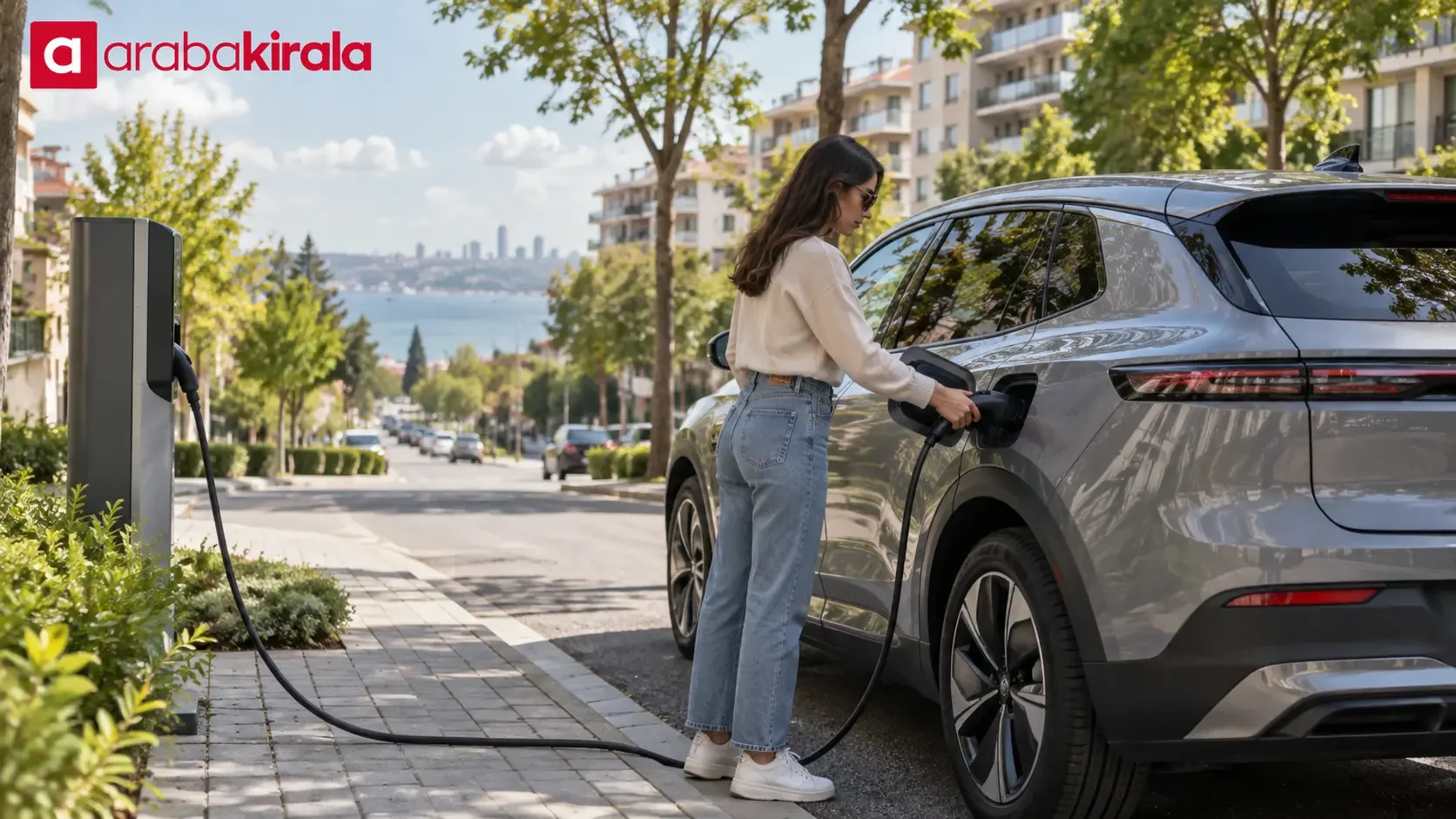
Before setting off in a rental electric car, learn the gear selector, drive modes, and how to adjust regeneration. Some vehicles use paddles behind the steering wheel; others use a screen or center console. The controls are not the same in every model. Do not navigate menus while driving. Ask the branch where you are renting the car how its regeneration settings work and whether an introduction to the controls is available.
At pickup, check for dashboard warnings, note the battery display, and identify the selected drive mode. Read the owner’s manual section on regenerative braking. Do not assume the selected setting will remain the same after every start; vehicle settings or drive modes may change. In a short drive, learn the accelerator’s lift-off response at low speed when traffic and road conditions are safe. Switching suddenly to a high setting may cause unexpected slowing.
Practical tips for smooth, safe use
- Start with a moderate or gentle setting and learn how the car responds when you lift off.
- Plan where you want to slow down and ease off the accelerator progressively.
- Do not assume regeneration will bring the car to a complete stop; use the brake pedal when needed.
- Leave a safe following distance and slow in a way that suits the traffic behind you.
- Use the energy-flow display as supporting information; keep your attention on the road.
- Remember that drive modes may also change how the accelerator responds.
Frequently asked questions
What do regenerative braking levels change?
They mainly change how much the car slows when you release the accelerator. A stronger setting generally produces more noticeable deceleration and may recover some motion energy as electricity. The exact response depends on the model, settings, and conditions.
Is the highest setting always the most efficient?
No. Regeneration can recover energy, but it does not eliminate energy losses. A driving style with frequent acceleration and hard slowing does not become efficient simply because a high setting is selected. Smooth speed management and a suitable setting matter.
Do I still need the brake pedal?
Yes. Use it for stronger deceleration, a full stop, or a prompt response. Do not assume regenerative braking completely replaces the braking system.
Can I change the setting while driving?
That depends on the vehicle’s design and instructions. Learn how the controls work before driving, and do not take your attention off the road to adjust them. If necessary, pull over somewhere safe first.
What should I learn when renting an electric car?
Find out how to select regeneration levels, whether the selected drive mode changes the response, and what dashboard messages mean. Ask the branch where you are renting about model-specific operation and consult the owner’s manual.
Legal Disclaimer: All content, articles and information on the Araba Kirala website are provided solely to inform users. No information shared on this website constitutes definitive advice or guidance. Araba Kirala Teknoloji A.Ş. and its authors cannot be held responsible for any direct or indirect damages arising from the application of information on the website. For all questions and requests regarding car rental, please contact the office from which you will rent your vehicle.