Thermal Management in Electric Cars: How Battery and Cabin Temperatures Are Controlled
Published: October 10, 2026 • Reading Time: 6 min • Last Updated: October 10, 2026
Learn how electric vehicles manage battery and cabin temperatures, why weather affects range and charging, and which practical steps can help you prepare for driving and charging.
Contents
- Why temperature management matters
- How battery temperature is controlled
- Cooling and heating
- Battery management versus cabin climate control
- How hot and cold weather affect driving
- Driving in cold weather
- Driving in hot weather
- Temperature management while charging
- Practical ways to use thermal management
- When to seek professional help
- A short pre-trip check
- Frequently Asked Questions
Electric car battery thermal management helps keep the battery and passenger cabin within suitable operating conditions. This guide explains the basics of heating and cooling, how temperature can affect driving and charging, how to use climate features, and when to seek professional help.
Why temperature management matters
Battery cells generate heat while storing energy and supplying power to the vehicle. Ambient temperature also affects how readily the battery can deliver energy or accept a charge. A thermal management system monitors cell temperatures and moves heat away or warms the battery when needed. Its aim is not to hold every battery at one universal temperature, but to support consistent operation within the limits set for that vehicle.
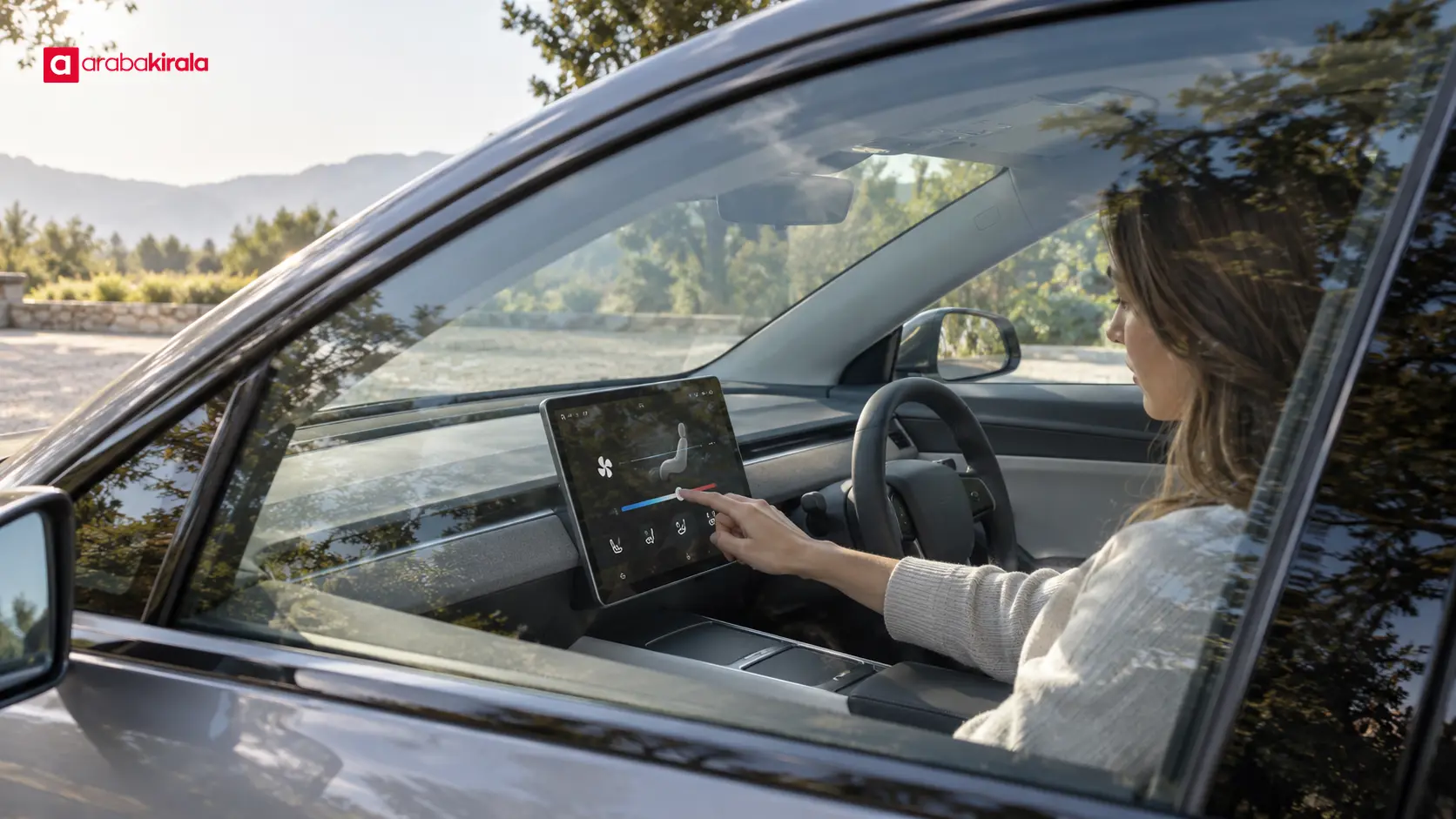
Cabin climate control serves passenger comfort. Some vehicles share components between cabin and battery systems, while others use more distinct circuits and controls. Depending on the design, the vehicle may use a heat pump, electric heater, fan, refrigerant circuit, or liquid cooling channels. A feature found in one model should not be assumed to exist in every electric car.
How battery temperature is controlled
Cooling and heating
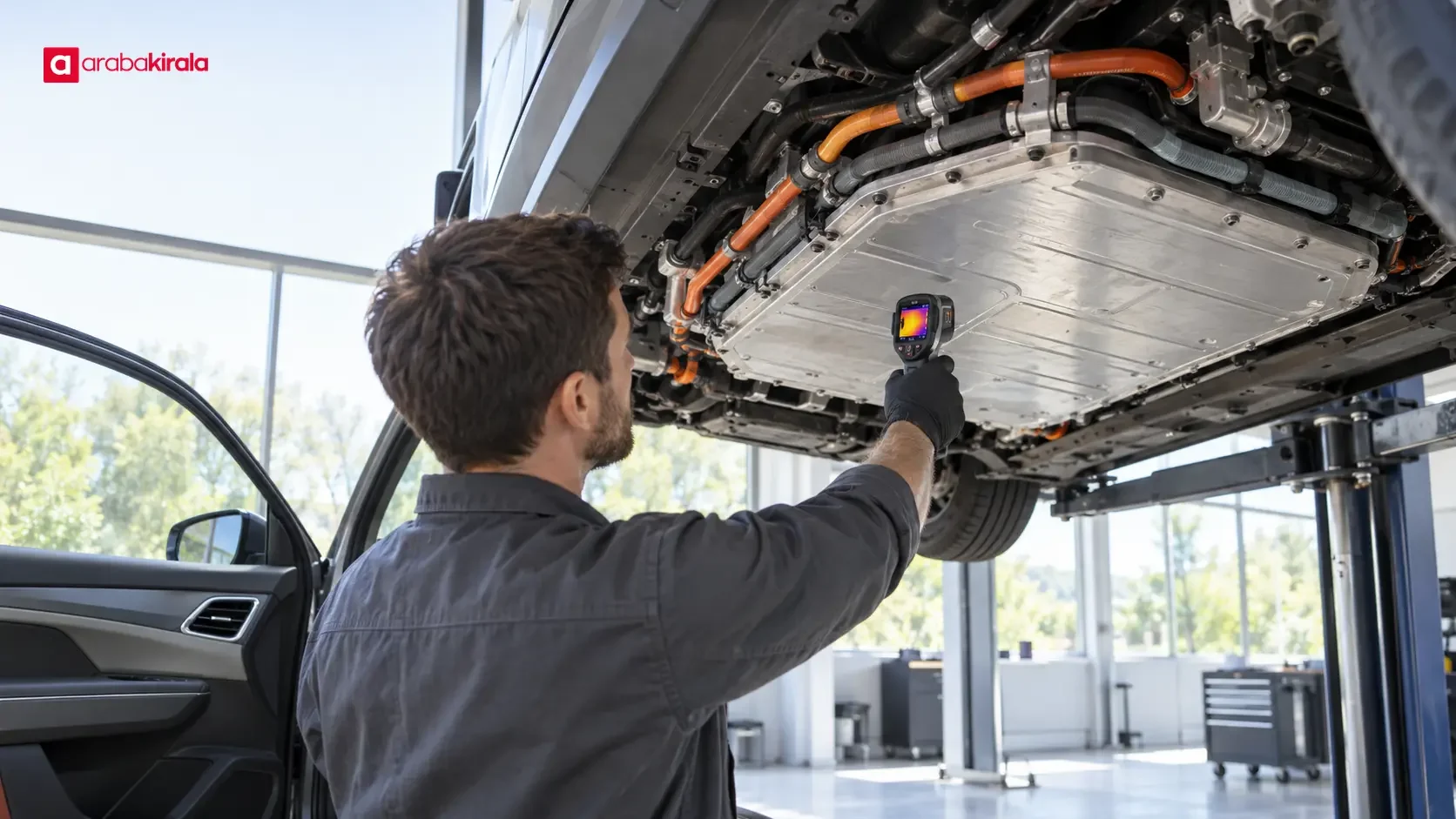
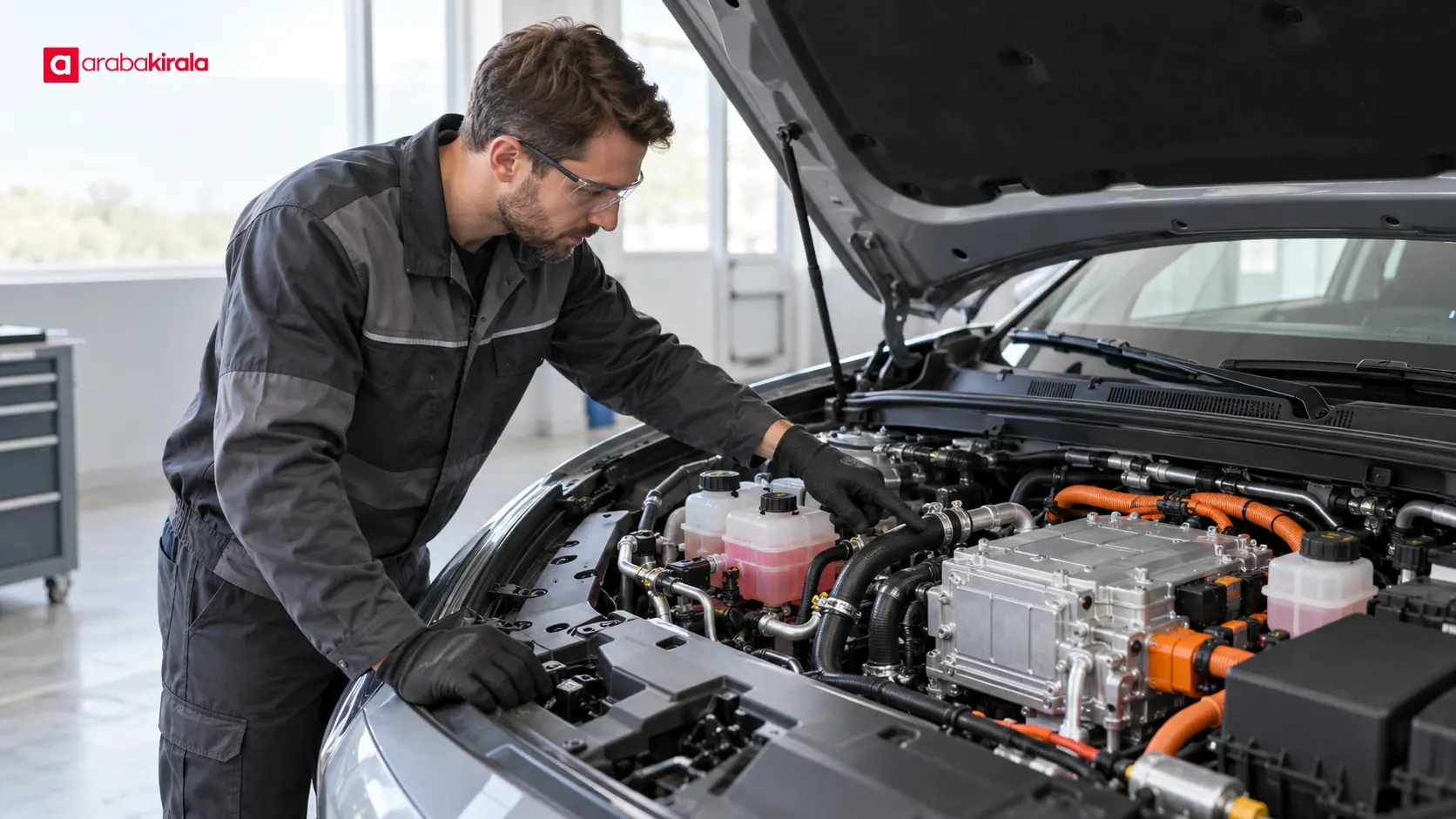
Sensors track battery temperature. When required, the system may increase airflow, circulate a liquid around the battery, or transfer heat through a refrigerant circuit. In cold conditions, a battery heater or another heat transfer method can help bring cells closer to suitable operating conditions. Drivers generally do not manage these processes directly; the vehicle control system responds to sensor data and operating conditions.
A warm battery does not automatically indicate a fault. Fast charging, high power demand, sustained climbing, or hot weather can increase the system’s workload. Read dashboard warnings alongside the owner’s manual and any displayed instructions. If a temperature warning appears, follow the vehicle’s guidance and stop in a safe place if directed.
Battery management versus cabin climate control
The cabin air conditioner or heater primarily regulates the passenger space. Battery thermal management monitors cell temperature. Because both functions can consume energy at the same time, overall use may rise in very cold or hot weather. If the vehicle offers preconditioning while connected to an external power source, using it before departure may let some climate energy come from that source rather than the battery. Check the manual to confirm whether the feature is available and how it works.
How hot and cold weather affect driving
Driving in cold weather
Low temperatures can affect the battery’s available power and energy efficiency. Heating the cabin also uses energy. As a result, the range estimate can change even on a familiar route with a similar driving style. The vehicle may use energy to condition the battery, and fast charging performance can vary with battery temperature and the capabilities of the charging equipment.
Before setting off, consider the charge level, estimated energy at arrival, and weather together. If supported by the vehicle, selecting a charging stop in navigation may initiate battery preconditioning. That function does not operate identically on every model or route. Use the vehicle’s recommended defrost settings to clear windscreen fog or ice that obstructs visibility.
Driving in hot weather
High ambient temperatures, extended parking in direct sun, and intensive use can increase the need for battery cooling. The vehicle may spend energy cooling both the battery and cabin, affecting range estimates. When practical, choosing a shaded parking space and avoiding an unnecessarily low cabin temperature can help manage energy use. Keep belongings from blocking cabin air vents.
If a battery temperature warning appears, power is restricted, or charging behaves unexpectedly, follow the instructions in the manual. Do not attempt to work on cooling components yourself. High voltage systems and refrigerant circuits require inspection by trained service personnel.
Temperature management while charging
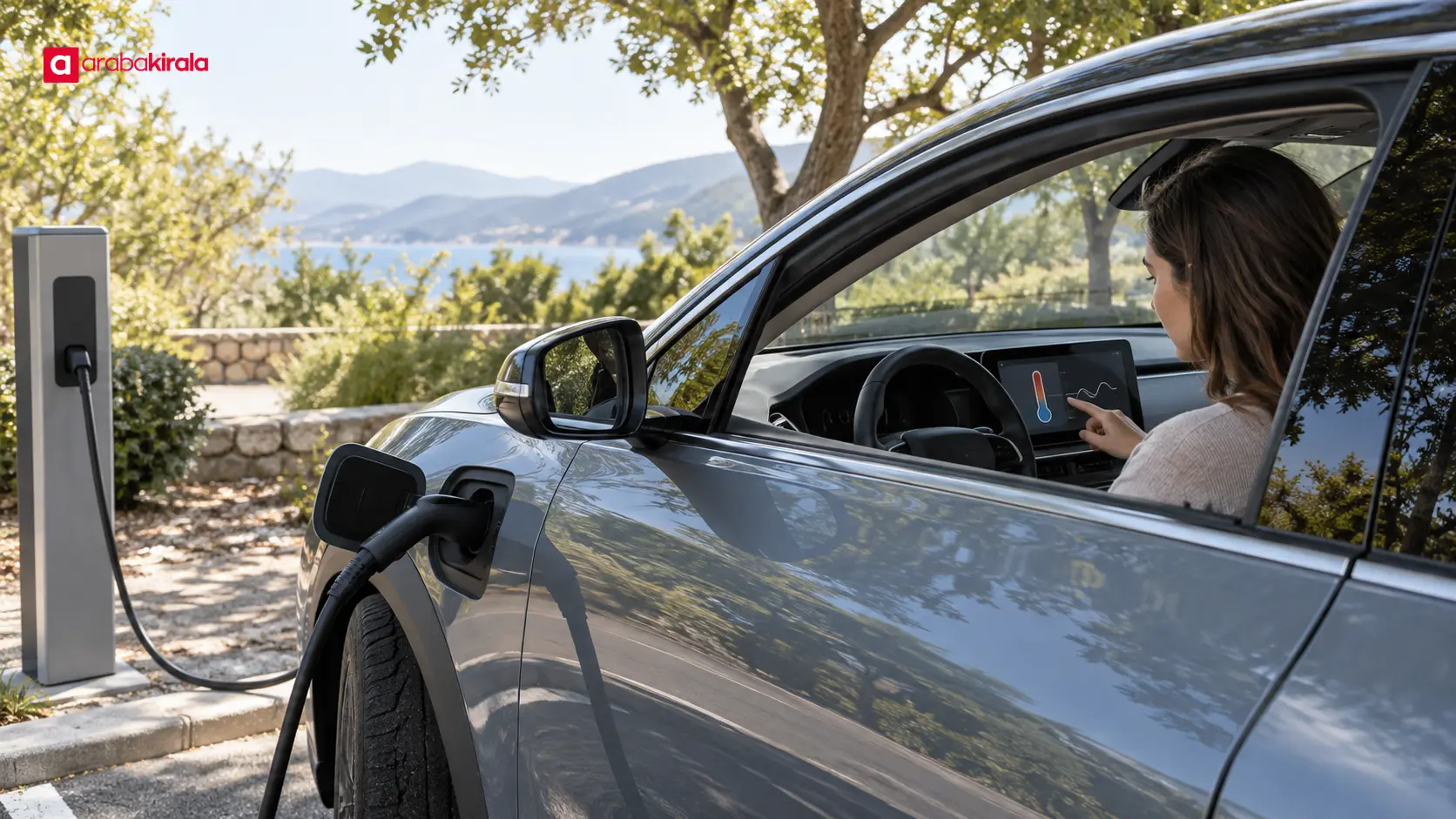
Charging speed depends on more than the charging station’s rated capacity. Battery temperature, state of charge, vehicle software, and the limits of the charging equipment all play a role. The same vehicle may therefore charge at different speeds in different weather or at different charge levels. Some cars can heat or cool the battery before a fast charge when the stop is selected in navigation. The vehicle manual describes the relevant conditions and controls.
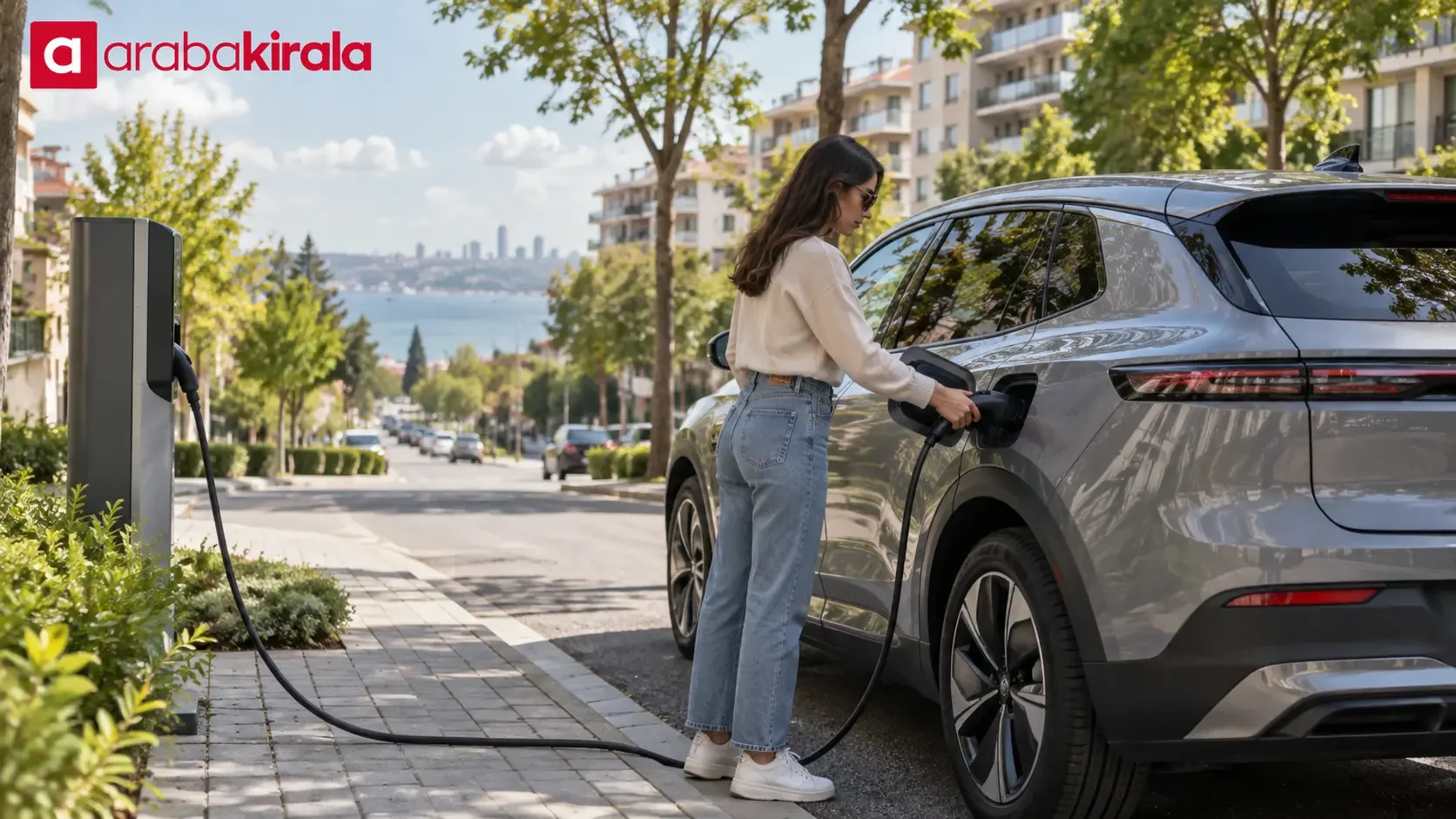
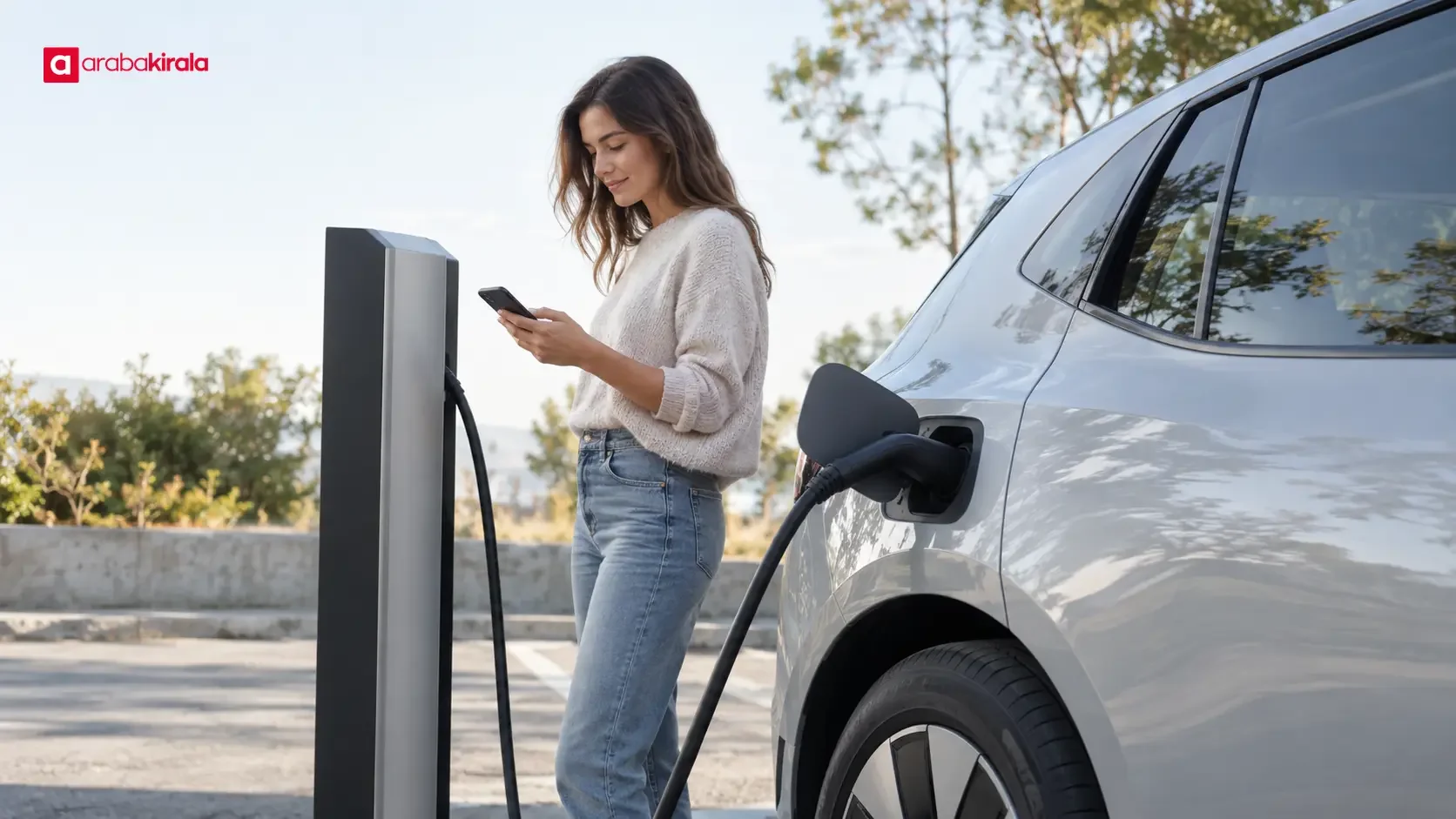
During charging, watch the vehicle’s temperature, power, and warning indicators. Do not interfere with the cable, connector, or battery system. A slower charge by itself does not establish that there is a fault; the vehicle may adjust power as conditions change. If an error repeats, or there is an unusual smell, smoke, or an overheating warning, end charging safely, follow the vehicle and equipment instructions, and contact support when needed.
Practical ways to use thermal management
- Review the weather, route, and expected charging needs before departure.
- If available, set scheduled cabin climate control or battery preconditioning according to the owner’s manual.
- Keep the cabin at a comfortable temperature and check whether the vehicle offers localized options such as heated seats or a heated steering wheel.
- Pay attention to battery and cabin indicators, warnings, and noticeable changes in energy consumption.
- Keep air vents clear. Do not disable cooling systems or remove technical components yourself.
- When using a rental car, learn the dashboard and climate controls before leaving. Ask the rental branch or consult the vehicle manual about battery preconditioning, charging indicators, and warning messages for that model.
When to seek professional help
Thermal management usually operates without requiring driver input. Repeated temperature warnings, cooling or heating that fails to work, clear power limitations, or recurring charging errors deserve attention. Noting the warning text and when it appeared can help service staff investigate. Follow any instruction to stop driving or charging immediately.
Opening a coolant reservoir, approaching high voltage cables, or removing a battery enclosure are not safe owner tasks. If there is smoke, a burning smell, or visible damage, move away from the vehicle to a safe location and contact appropriate emergency support. For routine inspections and maintenance intervals, follow the manufacturer’s manual.
A short pre-trip check
Understanding thermal management makes range estimates easier to interpret and helps you respond appropriately to unexpected warnings. Keep in mind that the battery and cabin are managed for different purposes, and weather can change both energy use and charging behavior. Before driving, check charge level and route, then use climate and preconditioning features as described in the manual. For a rental vehicle, ask the branch where you collect it about model-specific climate and charging functions.
Frequently Asked Questions
Why does an electric car warm its battery?
A cold battery can behave differently when supplying energy or accepting a charge. Heating helps bring cells toward operating conditions suited to the vehicle’s design, and the control system generally manages this automatically.
Does battery cooling reduce driving range?
Cooling equipment uses energy, and cabin air conditioning can add to consumption in hot weather. The actual effect depends on weather, route, driving, and vehicle design, so there is no single fixed figure that applies to every trip.
Why can fast charging be slower in cold weather?
Battery temperature, state of charge, and charging equipment jointly influence charging power. If the battery is outside a suitable temperature range, the vehicle may limit power. Some models offer navigation-linked preconditioning to help prepare it.
Can drivers set battery temperature manually?
Most vehicles do not let drivers choose a battery temperature as a direct degree setting; the system controls it automatically. Some models offer a preparation feature before charging, so check the manual for available functions.
What should I do if a thermal warning appears?
Read the warning and follow the vehicle display and manual. If it directs you to stop, pull over safely. Seek professional help if the warning returns or a charging error continues.
Legal Disclaimer: All content, articles and information on the Araba Kirala website are provided solely to inform users. No information shared on this website constitutes definitive advice or guidance. Araba Kirala Teknoloji A.Ş. and its authors cannot be held responsible for any direct or indirect damages arising from the application of information on the website. For all questions and requests regarding car rental, please contact the office from which you will rent your vehicle.