Electric Vehicle Battery Health: Capacity Loss and Lifespan
Electric vehicle battery health describes how well a battery can store and deliver energy compared with its earlier condition. Over time, a battery may hold less usable energy than when it was new. That gradual change can affect driving range, but it does not by itself prove that the battery is faulty. To understand a health reading, consider capacity, charge level, driving conditions, and the vehicle’s own monitoring method together.
What does battery health mean?
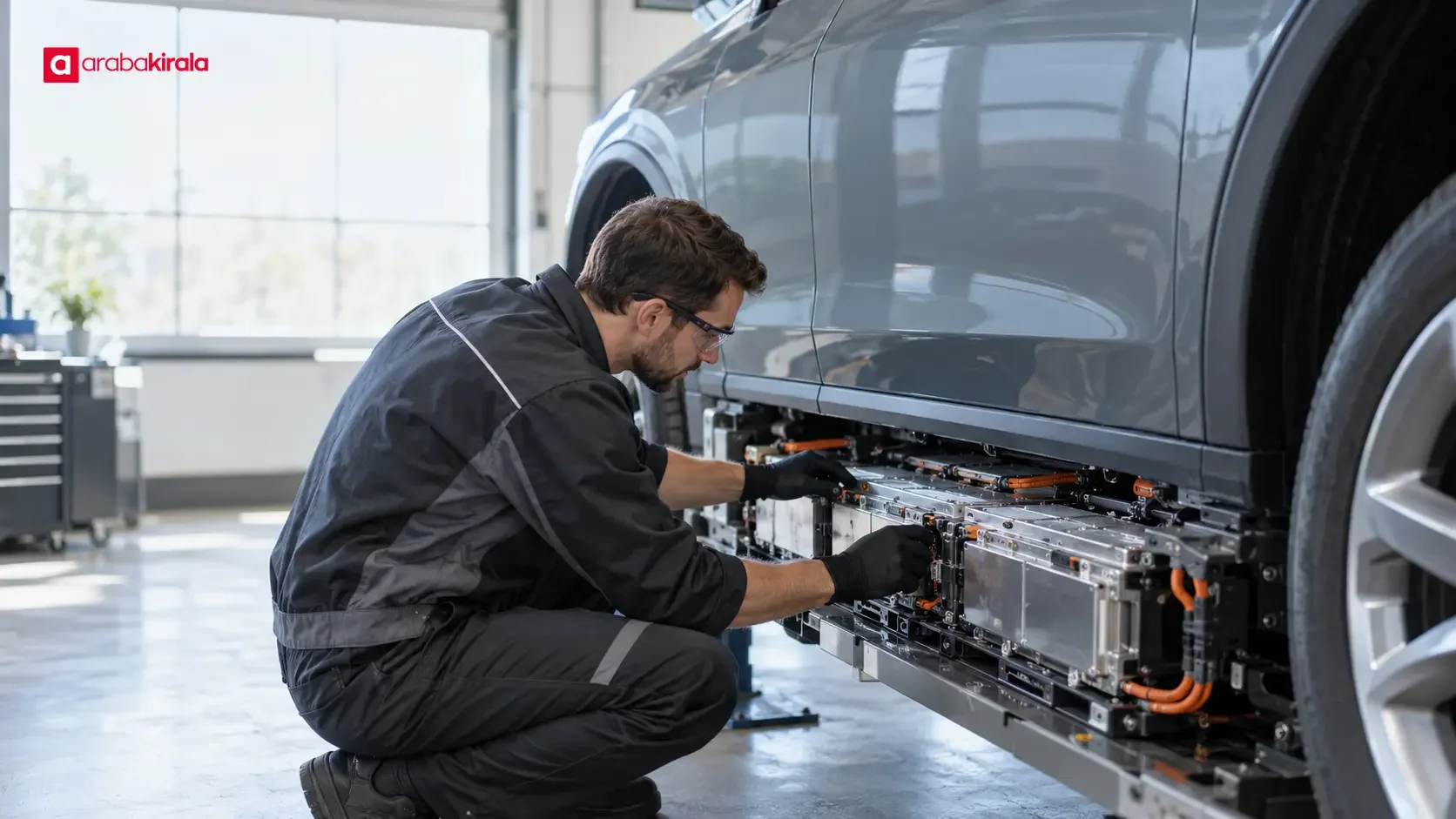
An electric car’s battery pack contains many cells and a control system that monitors factors such as temperature, voltage, and charge state. Battery health commonly refers to the usable energy capacity available now compared with the battery’s initial usable capacity. Some vehicles display an estimated health percentage; others do not provide a direct figure. The display and calculation method can differ by model, so a number should be interpreted using the vehicle’s manual or manufacturer guidance.
Capacity and state of charge are different. State of charge indicates how much energy is currently stored relative to the battery’s usable capacity at that time. Capacity describes how much energy the battery can store overall, and that can change as the battery ages. A 100% charge indication therefore does not mean the battery retains its original capacity. Likewise, one trip with a shorter-than-expected range is not enough to establish permanent capacity loss.
How does capacity loss affect range?
If a battery stores less energy, the vehicle may have less energy available at a given charge level, which can reduce the distance driven under comparable conditions. Yet range depends on more than battery health. Speed, acceleration, hills, outside temperature, cabin heating or cooling, tire pressure, vehicle load, and traffic all affect energy use. Treating consumption on a single drive as a definitive battery test can therefore lead to a mistaken conclusion.
The range shown on the dashboard is generally an estimate informed by energy use. Recent fast driving or cold weather can change that estimate, and it may adjust as conditions change. Observing energy use over time can be more informative when routes, temperatures, speeds, and climate settings are broadly comparable. Even then, a dashboard estimate is not a professional battery assessment.
Why can battery capacity decline?
Chemical processes inside a battery change with charging, discharging, and time. Calendar age, frequency of use, extended periods at very low or high charge levels, and temperature conditions can influence the rate of change. The effect varies with battery design, vehicle software, and use. There is no single capacity-loss rate that applies to every electric car.
High temperatures are a condition the battery system must manage, and prolonged exposure to very hot surroundings can affect battery aging. Cold weather often changes energy use and charging performance in the short term. Those temporary effects should not be confused with permanent capacity loss. Some vehicles have systems that manage battery temperature, but how and when they operate depends on the model.
Which charging habits can support battery life?
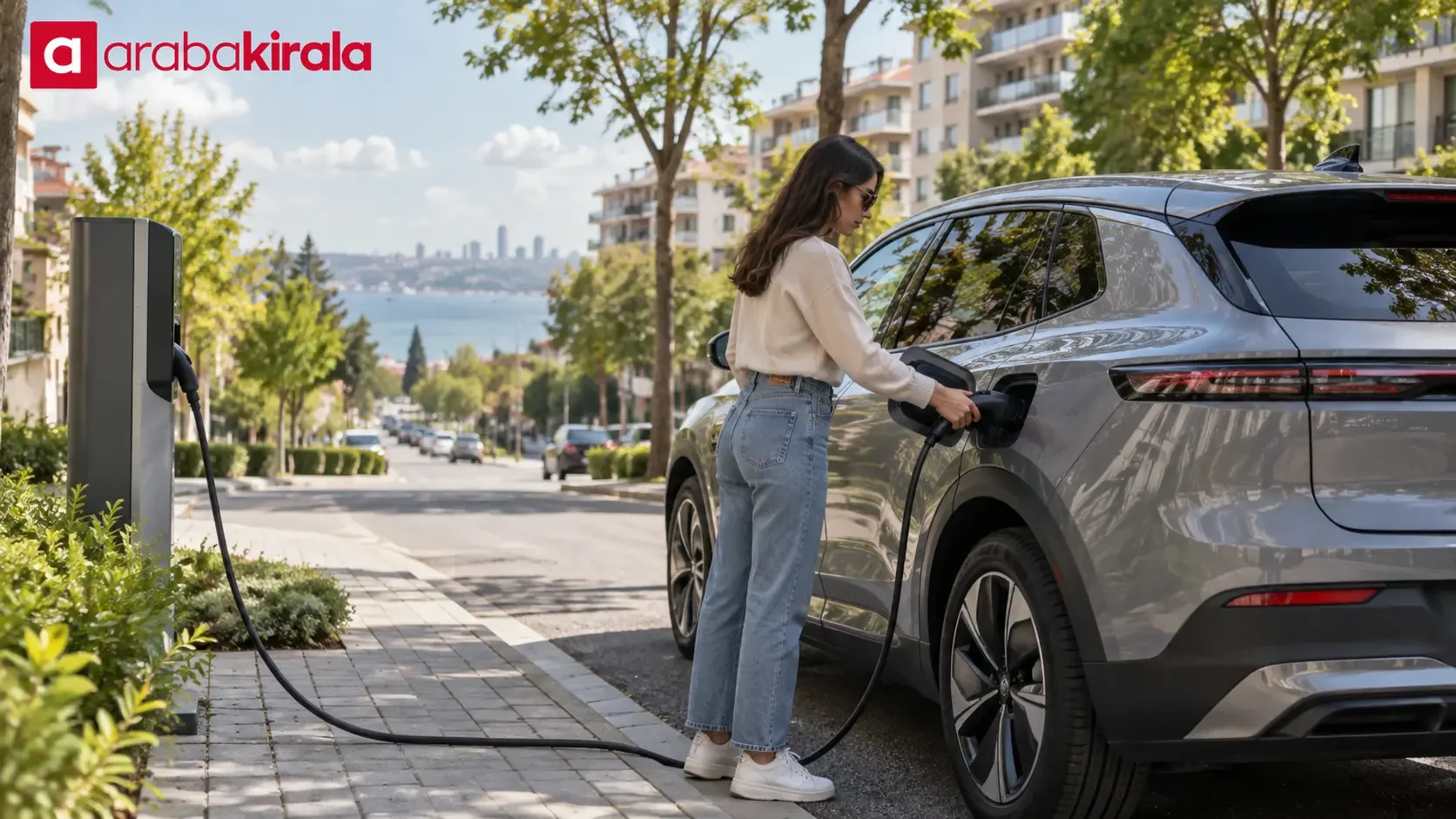
Start with the charging guidance in the vehicle’s owner’s manual. It may explain a recommended charge range, what to do before leaving the car parked for a long time, and how to use charging equipment. Rather than assuming one ideal percentage range for every electric vehicle, follow the instructions for that model. If the vehicle offers a charge limit setting, consult the manual to understand how it works and when it is useful.
Fast charging can be convenient on longer journeys. Charging speed and the battery’s response depend on conditions such as temperature, charge level, and vehicle design. It is too broad to say that fast charging always damages a battery or has no effect in any circumstances. Follow the manufacturer’s instructions and use suitable, safe equipment. If you see damage to a cable or connector, do not use it; follow the safety guidance in the vehicle and charger documentation.
If the car will be unused for an extended period, check the manufacturer’s instructions for the suggested charge level before parking. Whether it is appropriate to leave a battery fully charged or nearly empty for a long time depends on the model’s guidance. Also check the vehicle and charger documentation to learn whether keeping the car plugged in after charging is suitable. General habits are no substitute for model-specific directions.
How can you monitor battery health?
Check whether the vehicle’s display or companion app provides a battery health reading. If it does, consult the manual to learn how the value is calculated and how often it updates. Some vehicles may require a service diagnostic or dedicated measurement. Without knowing how different readings were produced, comparing health percentages across models may not be meaningful.
For everyday observation, track energy consumption and estimated range over time. Note conditions such as temperature, road type, speed, and climate control when comparing trips. Checking tire pressure regularly against the vehicle manufacturer’s specifications is another practical way to monitor a factor that affects consumption. If warning lights appear, charging repeatedly fails, or performance changes noticeably, seek appropriate technical support. Do not open or attempt to repair a high-voltage battery yourself.
Checking the battery when renting an electric car
When collecting a rental electric car, check its displayed charge level and look for warning indicators. Remember that the estimated range can change with weather, route, and climate control use. Before setting off, learn how to open the charging port, which cable is supplied, and how to start a charging session. Ask for an explanation before driving if a display or battery-related symbol is unclear.
Return charge expectations, available charging methods, and the return of cables or adapters can depend on the reservation and rental branch. Confirm those details with the branch where you will collect the car. If a warning appears or charging does not complete, report the issue to the rental office instead of trying to resolve it through battery repairs. These checks clarify the car’s current condition and operating steps without requiring assumptions about battery health.
Frequently asked questions
Does a battery health reading below 100% mean the battery is faulty?
No. A reading below 100% may indicate that usable capacity differs from its initial level, but it is not a fault diagnosis by itself. Consider the vehicle’s warnings, behavior in use, and the manufacturer’s measurement method together.
Why can an electric car’s range fall in winter?
Cold weather can affect battery operating conditions. Heating the cabin and driving on winter roads can also require more energy. A seasonal range decrease does not automatically mean permanent capacity loss. Check the owner’s manual for model-specific winter driving and charging guidance.
Does fast charging shorten battery life?
Its effect depends on vehicle design, battery temperature, charge level, and how charging is used. Follow the manufacturer’s guidance about fast charging rather than treating one general rule as applicable to every model.
Can I measure battery health accurately at home?
A vehicle’s built-in health display can be a useful starting point, but its method and limitations vary by model. A more definitive assessment may require a technical inspection following manufacturer guidance. Removing the battery or touching high-voltage connections is unsafe.
Legal Disclaimer: All content, articles and information on the Araba Kirala website are provided solely to inform users. No information shared on this website constitutes definitive advice or guidance. Araba Kirala Teknoloji A.Ş. and its authors cannot be held responsible for any direct or indirect damages arising from the application of information on the website. For all questions and requests regarding car rental, please contact the office from which you will rent your vehicle.
Legal Disclaimer: All content, articles and information on the Araba Kirala website are provided solely to inform users. No information shared on this website constitutes definitive advice or guidance. Araba Kirala Teknoloji A.Ş. and its authors cannot be held responsible for any direct or indirect damages arising from the application of information on the website. For all questions and requests regarding car rental, please contact the office from which you will rent your vehicle.