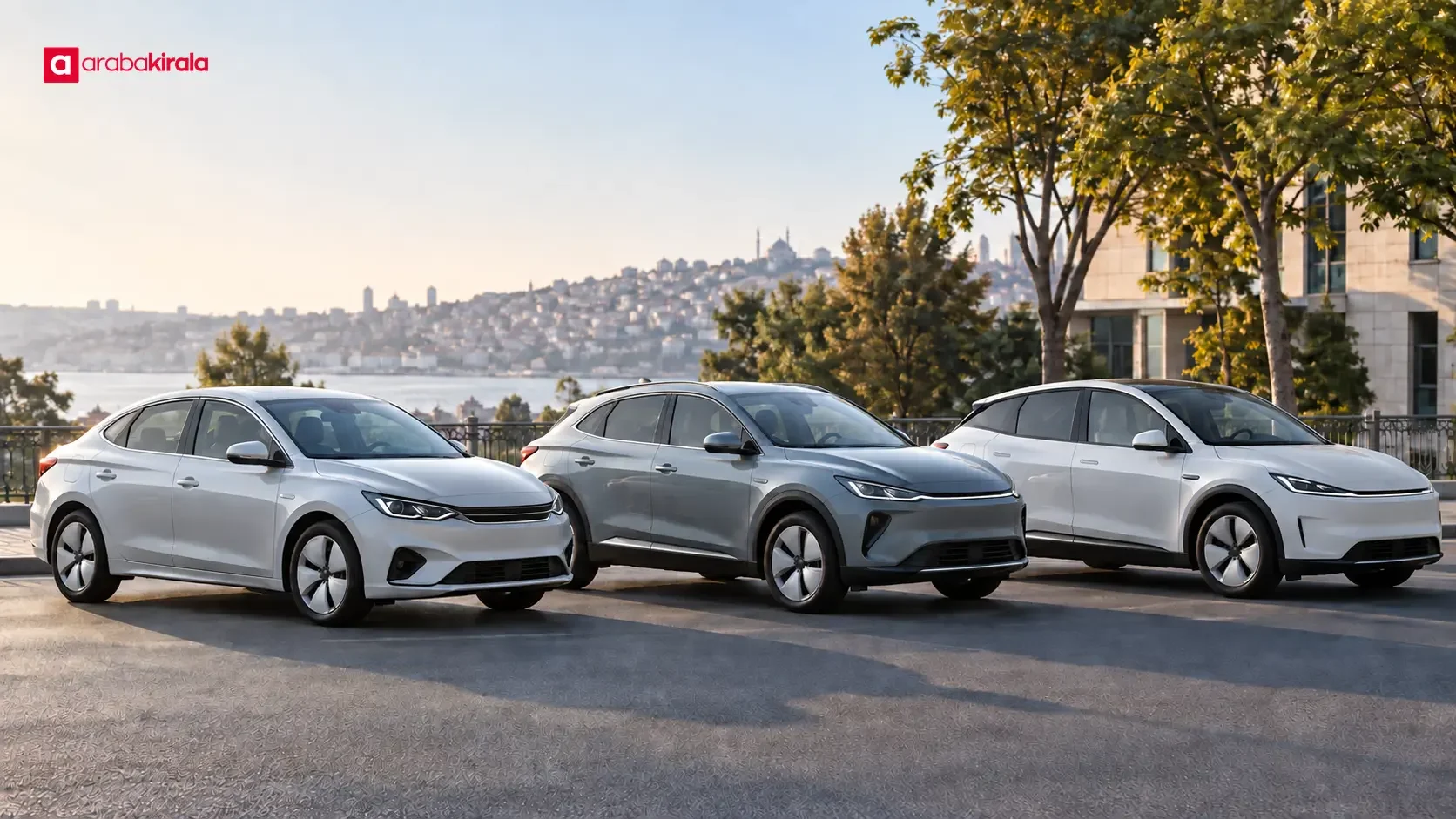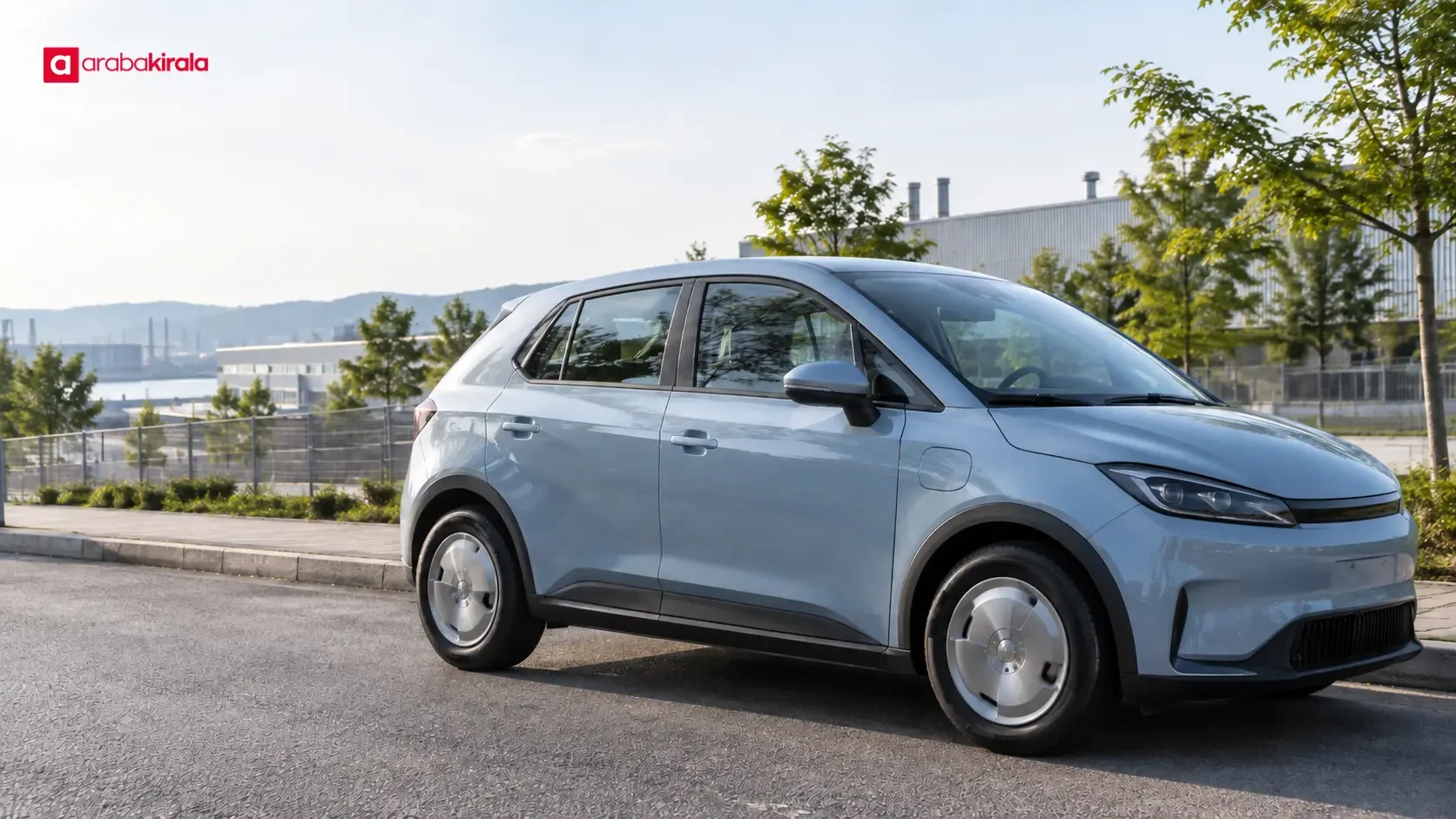
What Is Battery Thermal Management in Electric Vehicles?
Electric vehicle battery thermal management is the set of monitoring, heating, and cooling functions that helps keep battery cells within their intended operating conditions. A battery gains or loses heat during driving, regenerative braking, charging, and changes in ambient temperature. Managing that heat supports predictable power delivery and helps limit exposure to conditions that can accelerate battery ageing. This guide explains how the system works, how temperature relates to range and charging, and what drivers should learn about a rental EV.
What does battery thermal management do?
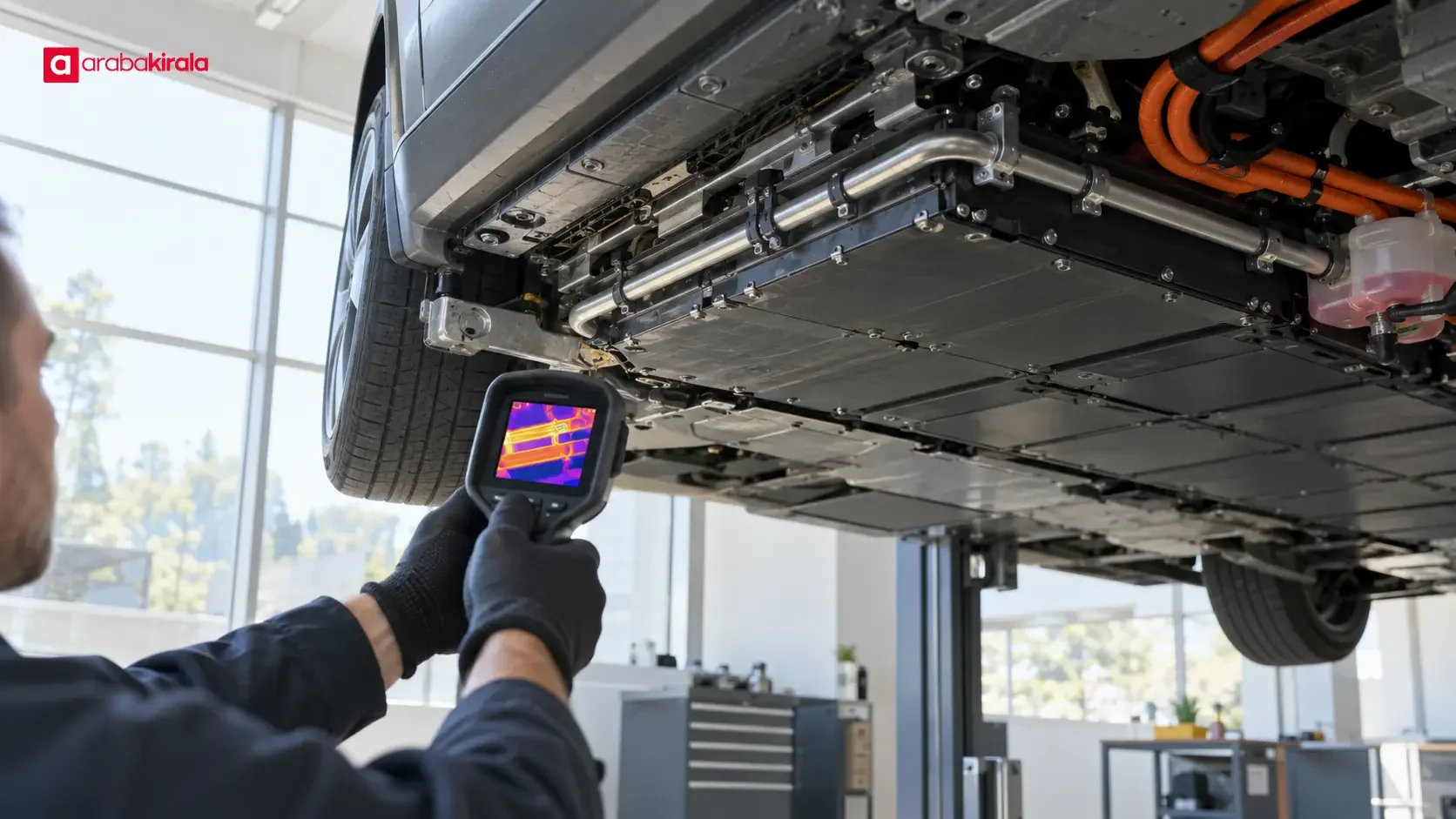
An EV battery pack contains many cells connected into modules and groups. The battery management system monitors information such as cell voltage, current, and temperature. Thermal management uses that information to decide whether the pack needs cooling or heating, and may also limit power when operating conditions call for it. The goal is not to hold the battery at one fixed temperature in every situation. It is to keep it within the operating range chosen for that vehicle’s battery design.
The hardware varies by model. A vehicle may use liquid channels around the pack, airflow, electric heaters, a heat pump, or a combination of components. Sensors, coolant paths, pumps, valves, fans, and software controls can all contribute. For that reason, “battery cooling” is only one part of thermal management. The precise setup and the way the driver interacts with it are described in the vehicle manual.
Why does battery temperature matter?
Battery cells store and release energy through chemical processes, and those processes respond to temperature. In cold conditions, a battery may accept less charging power and deliver less peak power. The vehicle can temporarily limit acceleration or regenerative braking to protect the cells. A driver may notice a reduced power indication or less energy recovery, depending on the model and conditions.
High temperatures also place added stress on cells. Fast charging, sustained high power demand, and hot weather can all contribute to heat in the pack. Cooling removes some of that heat and helps the battery operate under more controlled conditions. Repeated or prolonged exposure to high temperatures can contribute to faster battery ageing, though thermal controls do not eliminate ageing or make every use pattern equivalent.
Temperature is only one influence on battery performance. State of charge, vehicle design, driving demand, charging equipment, and ambient conditions also matter. A temperature-related change in power or charging speed is not, by itself, proof that the battery is damaged.
How does the system regulate temperature?
Monitoring cell conditions
Sensors report temperatures at selected locations in the battery pack. Since cells do not always warm or cool evenly, the system interprets multiple readings alongside current, voltage, and operating state. Software can adjust power flow, start a thermal circuit, or show a message to the driver when conditions move toward a limit.
Cooling and heating
Cooling transfers heat away from the battery. In liquid-cooled designs, a fluid circulates through channels near the cells and carries heat elsewhere in the vehicle. Air-cooled designs use airflow. Heating brings a cold pack closer to a suitable operating condition, which can help with power delivery or charging. The details differ by vehicle, and the driver may not need to operate the thermal system manually.
Some EVs coordinate cabin climate control and battery temperature management. A heat pump can move heat for cabin comfort and, in some designs, support battery conditioning. These functions may use energy, so climate control can affect consumption. A heat pump does not guarantee identical performance in all weather; the operating strategy depends on the vehicle and conditions.
How temperature affects range and charging
In cold weather, energy may be used to warm the battery and heat the cabin. A cold battery can also limit regenerative braking or power delivery until conditions improve. In hot weather, air conditioning and battery cooling may consume energy. These factors can change the range estimate shown by the vehicle, but range also depends on speed, terrain, load, tire condition, driving style, and other variables. No single temperature-based range figure applies to every EV.
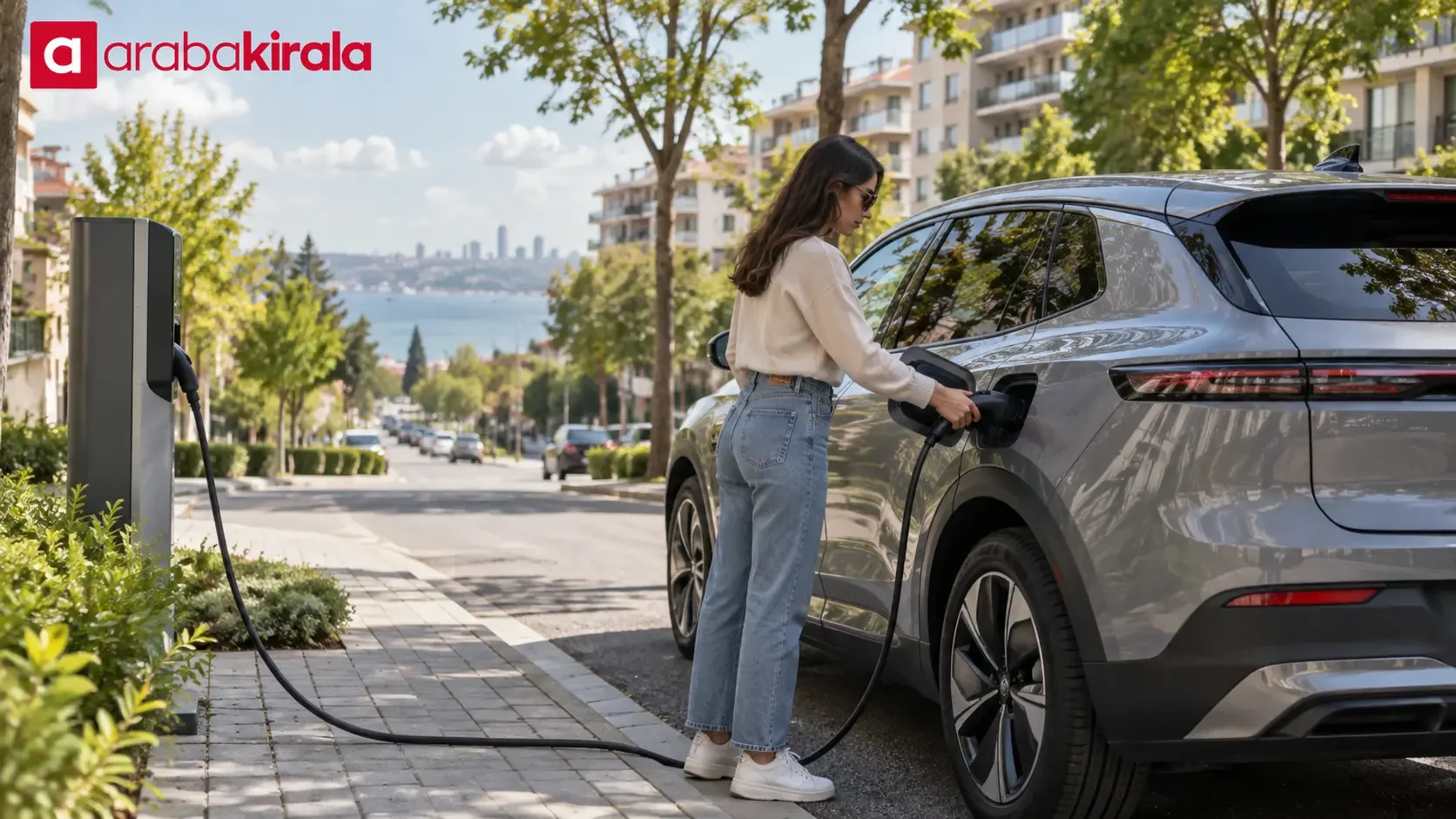
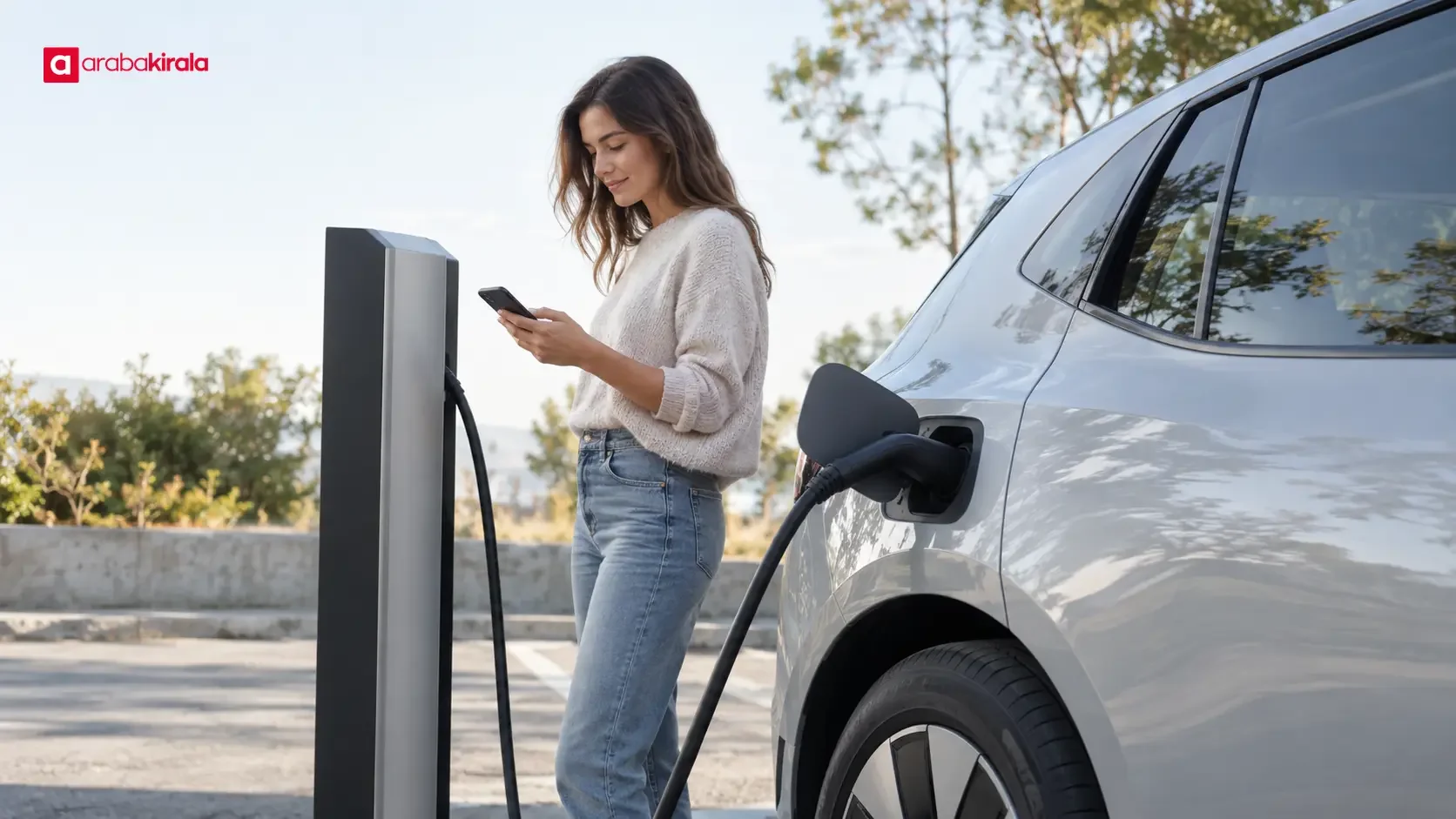
During DC fast charging, high power can create additional heat. The vehicle may change the charging rate in response to battery temperature and state of charge. Some models precondition the battery when a compatible fast charger is selected in navigation; this feature is not universal, and activation differs. Charging time therefore depends on more than the charger’s rated output: the battery’s condition, vehicle limits, charging equipment, and station availability all play a role.
Practical habits for drivers
- Read the vehicle manual. It explains model-specific charging guidance, any battery preconditioning feature, and the meaning of temperature or battery warnings.
- Plan charging and cabin comfort together. In cold conditions, allow for energy use by heating and use the vehicle’s range estimate as a guide that can change with conditions.
- Follow dashboard instructions. If a battery or cooling-system warning appears, follow the vehicle’s instructions and consult the manual. Seek qualified service for persistent or unusual warnings.
- Use the vehicle within the manufacturer’s guidance. Follow its recommendations for charging, parking, and operating in temperature extremes.
- Interpret charging changes in context. Charging power can vary with temperature and state of charge. A change alone does not identify a fault, but repeated warnings should be checked.
What to check when renting an electric car
Before setting out, learn the specific vehicle’s charging and climate-control basics. Ask whether the model supports battery preconditioning, how it is activated, and where temperature or charging information appears on the display. Confirm the connector type and how the supplied charging equipment, if any, is intended to be used. These details help you plan stops and understand the car’s messages without assuming every EV works the same way.
Ask what to do if a battery or thermal-system warning appears, and whether the vehicle has any model-specific guidance for very hot or cold conditions. For details tied to your reservation, vehicle, or pickup office, check with the branch from which you will rent. These are practical questions for familiarizing yourself with the particular car, not universal rental requirements.
Frequently asked questions
Is battery thermal management the same as cabin air conditioning?
Not necessarily. Some vehicles share components or coordinate cabin climate control and battery conditioning; others use more separate arrangements. The owner’s manual for the specific model explains its design and controls.
Can cold weather make charging slower?
Yes, it can. A cold battery may accept less power, and the vehicle may use energy to warm it. Charging power also depends on the battery’s state of charge, vehicle limits, and the charging equipment.
Does battery cooling increase driving range?
Cooling is intended to manage battery temperature, not directly to extend range. It can use energy, while helping keep the battery within its intended operating conditions. The overall effect on energy use depends on the vehicle and circumstances.
Does thermal management prevent battery ageing?
No system prevents ageing altogether. Temperature control helps manage one factor that affects cells, while time, use, charging patterns, and environmental conditions also contribute. Following the manufacturer’s care guidance is the practical approach.
Legal Disclaimer: All content, articles and information on the Araba Kirala website are provided solely to inform users. No information shared on this website constitutes definitive advice or guidance. Araba Kirala Teknoloji A.Ş. and its authors cannot be held responsible for any direct or indirect damages arising from the application of information on the website. For all questions and requests regarding car rental, please contact the office from which you will rent your vehicle.