How EV Battery Preconditioning Affects Charging Speed
Published: October 6, 2026 • Reading Time: 7 min • Last Updated: October 6, 2026
Learn how EV battery preconditioning works, why cold batteries can charge more slowly, and how to prepare for winter charging stops in a rental electric car.
Contents
- What is battery preconditioning?
- Why can a cold battery charge more slowly?
- How does preparation before charging work?
- Preparing for a trip in a rental EV
- Does battery preconditioning reduce driving range?
- Frequently asked questions
- Does battery preconditioning always make fast charging faster?
- Does turning on cabin heat warm the battery too?
- Will the car prepare the battery when I set a fast charger as my navigation destination?
- Why does charging power stay below the station’s maximum?
- A practical summary before you set out
Electric vehicle battery preconditioning prepares the battery for driving or charging by moving it toward a suitable temperature. In cold weather, a battery management system may limit charging power, so warming the battery can help reduce that limitation and improve a fast charging stop. This guide explains what preconditioning does, why charging speed varies, and what to check before setting out in a rented electric car.
What is battery preconditioning?
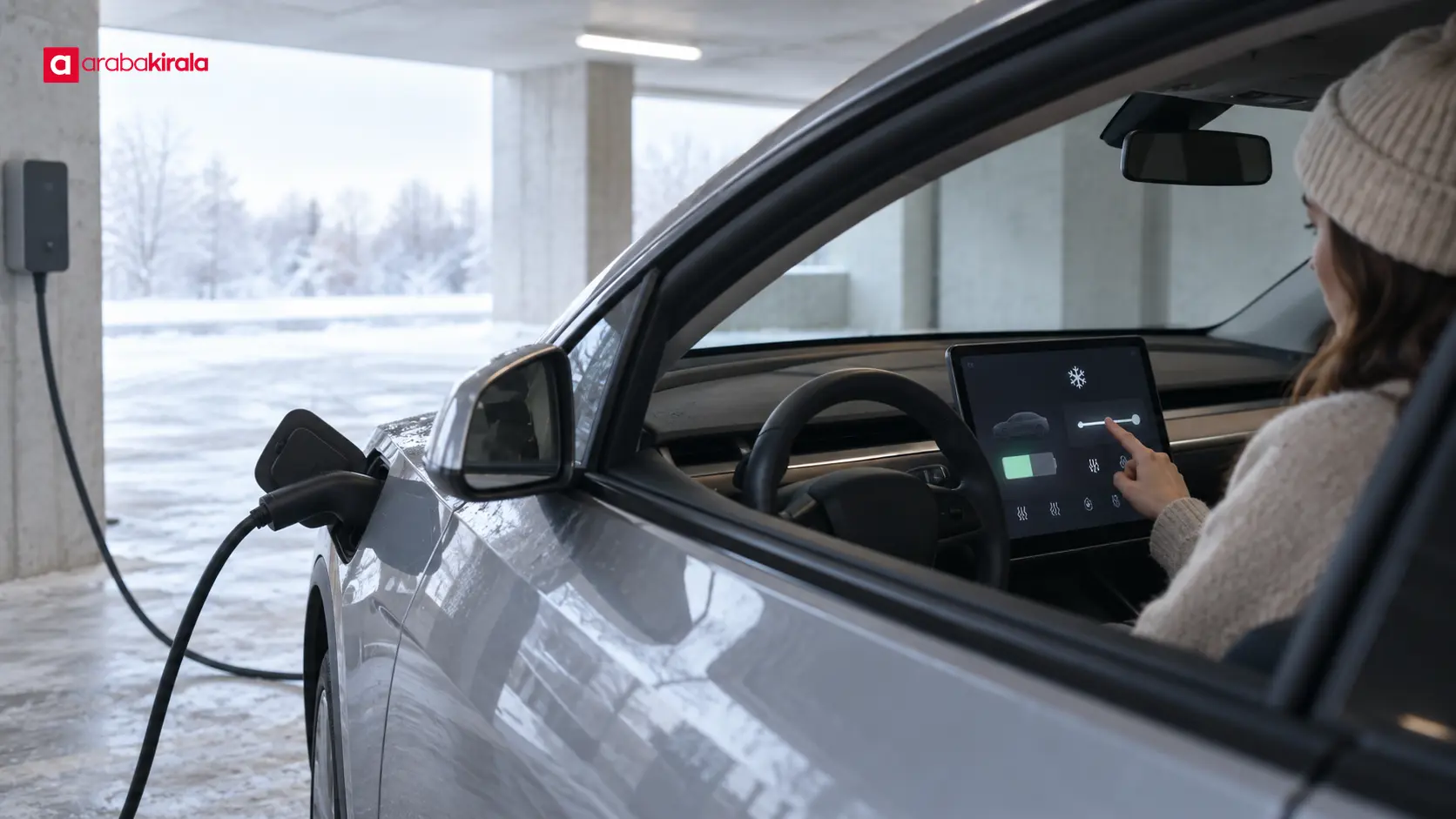
An electric car uses a thermal management system to monitor and regulate the temperature of its battery cells. Depending on conditions, the system may heat or cool the pack. Preconditioning is a planned temperature adjustment before a particular use, such as a journey or a fast charge. It is different from warming the cabin: cabin climate control makes the passenger area comfortable, while battery conditioning regulates the high-voltage battery. Some vehicles can prepare both together; others handle these functions separately.
The presence of a preconditioning control does not mean every vehicle operates in the same way. The feature may be started from a settings menu or may activate when a compatible rapid charging station is selected as a navigation destination. Equipment, software, battery charge level, and outside temperature can affect how it works. Check the vehicle’s manual for the feature name and activation steps. If you are renting, ask the pickup branch whether that specific vehicle has battery conditioning and how to use it.
Why can a cold battery charge more slowly?
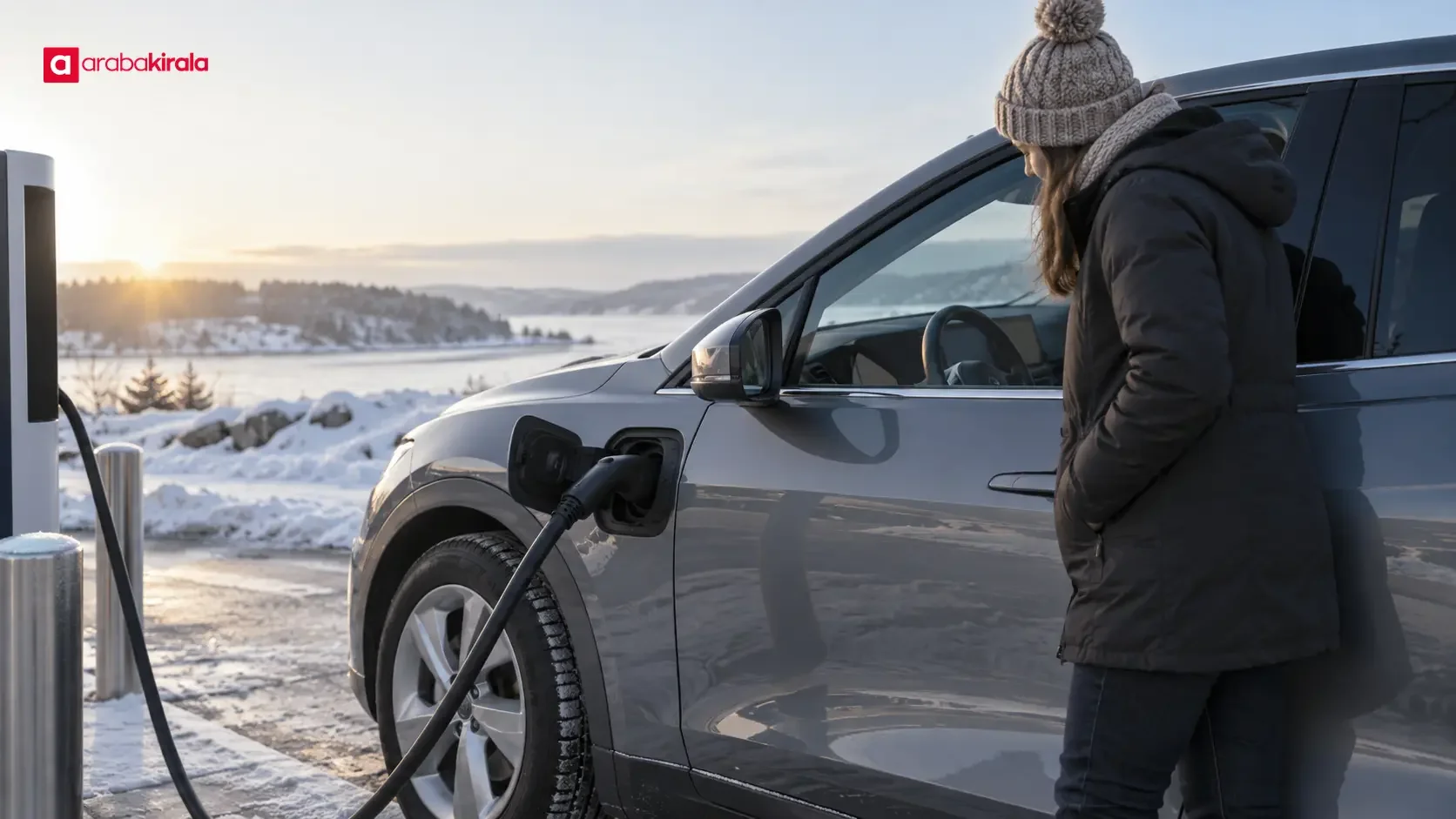
Lithium-ion batteries rely on chemical processes that vary with temperature. At low temperatures, those processes slow down. To protect the cells and keep them within an appropriate operating range, the battery management system may reduce the power the battery accepts. As a result, a vehicle may not draw the charging station’s full available power even when the station can provide it. The kilowatt figure shown on the screen can also change during a session as battery temperature, state of charge, and the charging curve change.
Temperature is only one influence on charging speed. The vehicle’s battery and cooling system, the power available from the charging station, cable and connection conditions, battery charge level, and power sharing at a station can all matter. Fast charging often starts at a higher power when the battery is less full, then tapers as charge rises. This helps explain why preconditioning cannot promise a fixed charging time or a particular power level. It is intended to help reduce a cold-related constraint, not remove every limit.
How does preparation before charging work?
Heating the battery uses energy. If preconditioning can run while the vehicle is plugged in, that energy may come from the electrical supply; if the feature runs while unplugged, it can reduce the energy available for driving. A vehicle that prepares the battery while you navigate to a fast charger has time to adjust its temperature on the way. If the drive is short or the battery is already at a suitable temperature, the system may limit or skip the preparation. Behaviour varies by vehicle.
There is no universal number of minutes that applies to every electric car. The severity of the cold, where the vehicle was parked, journey time, and the battery’s starting temperature affect how long preparation takes. The vehicle display and owner’s manual provide the best guidance for a particular model. Do not assume a feature exists because another electric car has it, and do not try undocumented controls to force a particular result.

Preparing for a trip in a rental EV
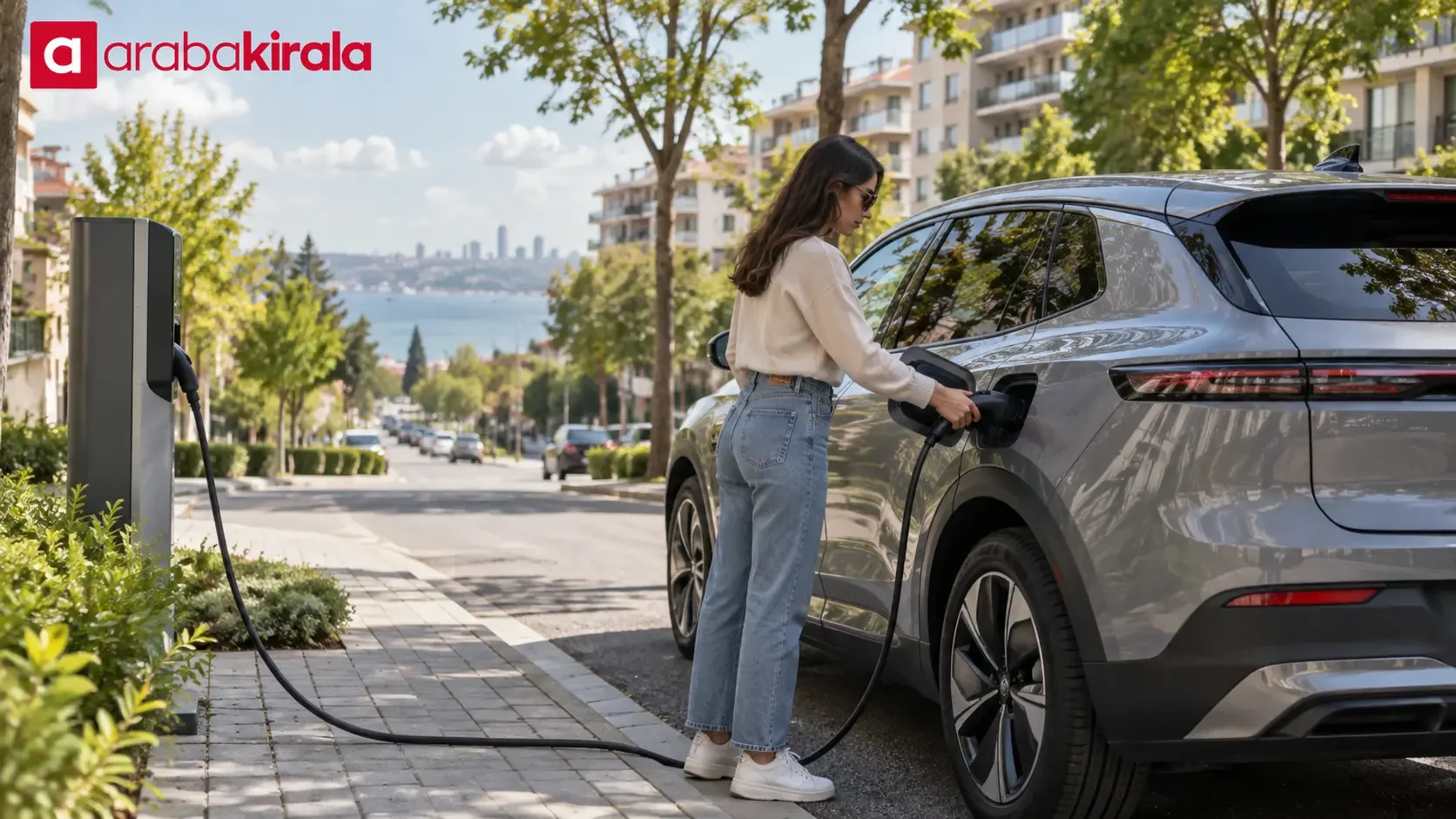
A few minutes spent learning the vehicle at pickup can make winter travel easier. Find out how to open the charge port, identify the connector type, and locate the battery and charging screens. Check whether the car supports battery preconditioning, route-based preparation, and cabin preheating. These features vary by make, model, trim, and software, so a general description of EVs should not be treated as a promise about the rental vehicle.
- Before departure, check the battery charge level and estimated range. In cold weather, actual energy use and the displayed estimate can vary with conditions.
- Plan charging stops on a longer route. Where supported, use the vehicle’s navigation to select the rapid charger and allow the car to prepare the battery.
- Use the manual to learn whether conditioning starts manually or when a charging station is selected as a destination.
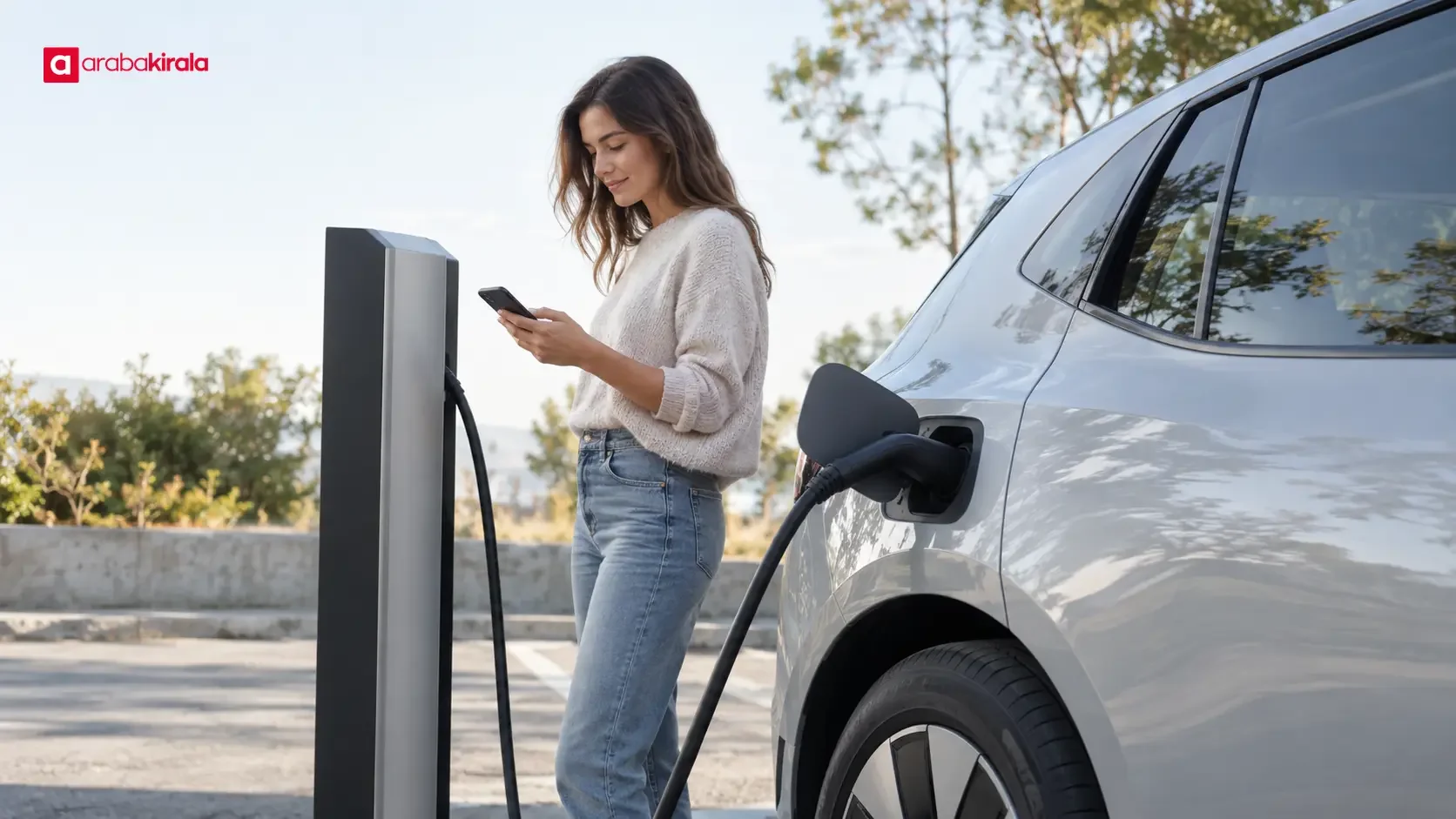
- During charging, monitor the power and time estimate on the vehicle display instead of planning solely around the charger’s maximum rating.
- If the connector, cable, or vehicle display shows a warning, do not force the connection. Follow the vehicle instructions and contact the rental branch for assistance.
Ask the pickup branch how any charging access method provided with the vehicle works, which charging indicators to watch, and what charging information is needed when you return the car. These details depend on the rental and the specific vehicle, so one universal procedure should not be assumed.
Does battery preconditioning reduce driving range?
Battery heating requires energy. If it runs while the vehicle is unplugged, it can use some energy that would otherwise be available for driving. At the same time, it is designed to lessen cold-related battery constraints and prepare the vehicle for its intended use. When preconditioning can take place while connected to a charger, the source of that energy may differ; whether this is possible depends on the vehicle and its charging state. Treating battery preparation, cabin heating, and charging as separate functions makes range planning clearer.
Cold-weather range is affected by more than battery temperature. Cabin heating, road and weather conditions, speed, cargo, and driving style also influence consumption. The U.S. Department of Energy notes that the effects vary across electric vehicles according to their battery thermal management and cabin climate technology. Do not transfer a charging time or range figure from a different model to the rental car. Consider the vehicle estimate together with your route and available charging stops.
Frequently asked questions
Does battery preconditioning always make fast charging faster?
No. A cold battery can be one reason charging power is limited, and moving it toward a suitable temperature may help ease that limit. If the battery is already at a suitable temperature, its charge level is high, or the vehicle or charging station is subject to another constraint, preconditioning may not increase charging power.
Does turning on cabin heat warm the battery too?
That depends on the vehicle. Some models prepare the cabin and battery together; others manage cabin climate and battery temperature separately. Check the vehicle menu and owner’s manual to understand what the control actually does.
Will the car prepare the battery when I set a fast charger as my navigation destination?
Some vehicles can start battery preparation when a compatible fast charger is selected in navigation. This is not standard across all electric cars. Check the manual and ask the rental branch to confirm how the feature works in the specific vehicle.
Why does charging power stay below the station’s maximum?
The station’s advertised maximum does not determine the power a vehicle will draw on its own. Vehicle and battery limits, temperature, state of charge, the charging curve, and station conditions all affect the live figure. Watch for vehicle alerts. If charging stops unexpectedly or displays an error, follow the instructions instead of forcing the connection.
A practical summary before you set out
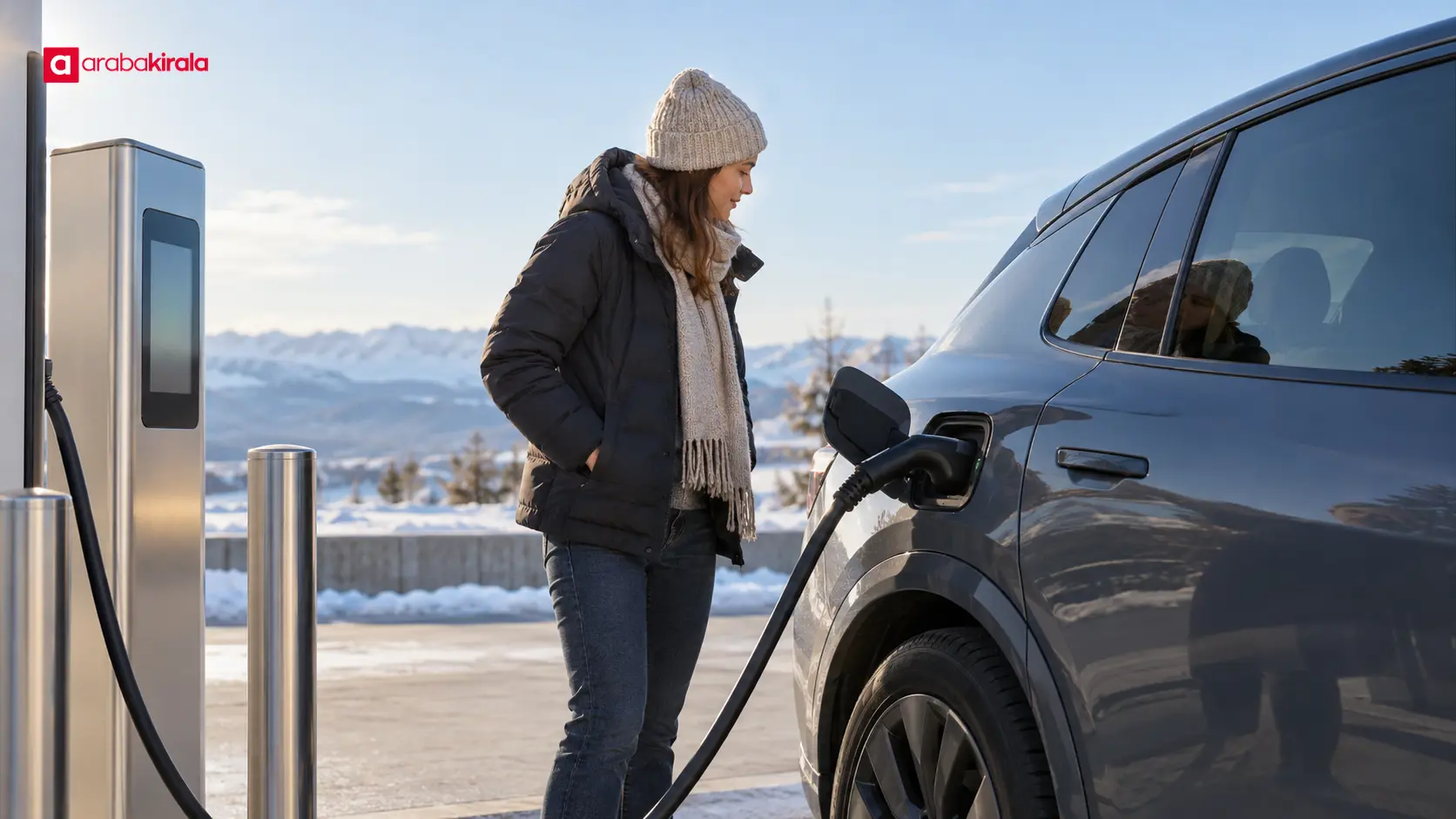
EV battery preconditioning is a thermal management feature that can prepare a battery for fast charging, particularly in cold weather. By bringing the battery closer to a suitable temperature, it may help reduce a cold-related power limitation. The result depends on the vehicle, battery charge level, and charging conditions. At pickup, learn whether the rental car has this feature, how navigation may trigger it, and how to connect to a charger. Then plan stops for your route and monitor the vehicle display. This keeps a winter charging plan grounded in the actual car and conditions rather than a single assumed charging time.
Legal Disclaimer: All content, articles and information on the Araba Kirala website are provided solely to inform users. No information shared on this website constitutes definitive advice or guidance. Araba Kirala Teknoloji A.Ş. and its authors cannot be held responsible for any direct or indirect damages arising from the application of information on the website. For all questions and requests regarding car rental, please contact the office from which you will rent your vehicle.