How Do Battery Preheating and Cooling Work in Electric Cars?
Published: October 4, 2026 • Reading Time: 6 min • Last Updated: October 4, 2026
Learn how electric vehicle battery temperature management works, why batteries are heated or cooled, and how temperature affects driving and charging.
Contents
- What does battery temperature management mean?
- How does preheating work in cold weather?
- What does cooling do in hot weather?
- Why does battery temperature affect driving and charging?
- Practical preparation before setting off
- Is cabin preheating the same as battery preheating?
- Does preheating increase driving range?
- What should you do if a battery temperature alert appears?
- Summary: include temperature management in your plan
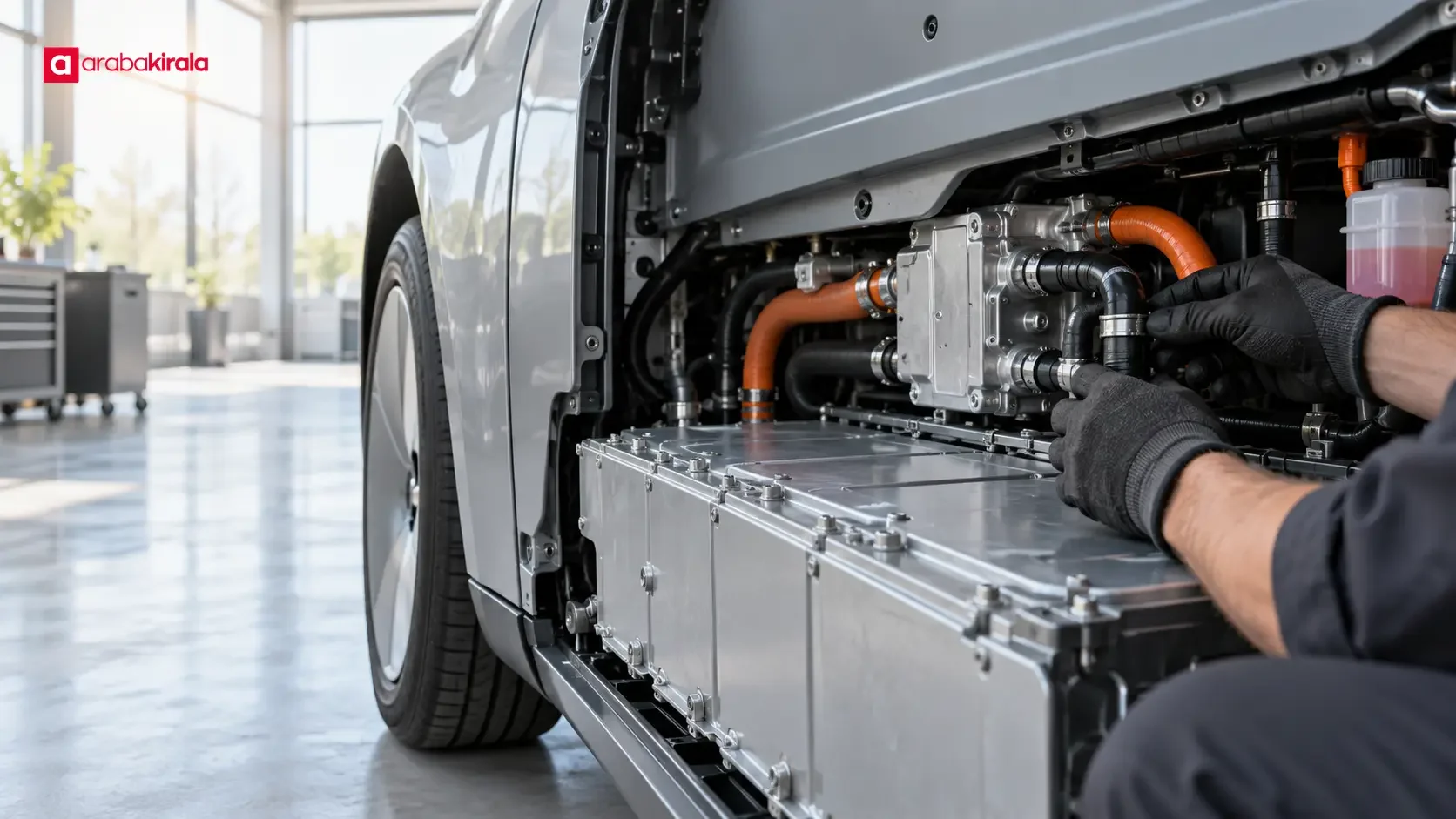
Electric vehicle battery temperature management helps keep the high voltage battery within suitable operating conditions while driving, charging, and parked. This guide explains how preheating differs from cooling, why the vehicle uses energy to manage temperature, and what to watch when planning a trip or charging stop.
What does battery temperature management mean?
An EV battery pack contains many cells that store energy and supply the electric motor. The cells also produce heat during use and charging. Outside temperature, driving demand, and charging power affect the pack’s temperature too. The battery management system monitors information from sensors and coordinates thermal controls, power delivery, and charging behavior.
The goal is not to hold every battery at one universal temperature. It is to keep the pack within the range allowed by its design and limit excessive temperature differences among cells. Drivers usually do not control coolant flow or a heat pump directly. When needed, the vehicle transfers heat into the battery or removes it; it may also limit available power or charging speed.
How does preheating work in cold weather?
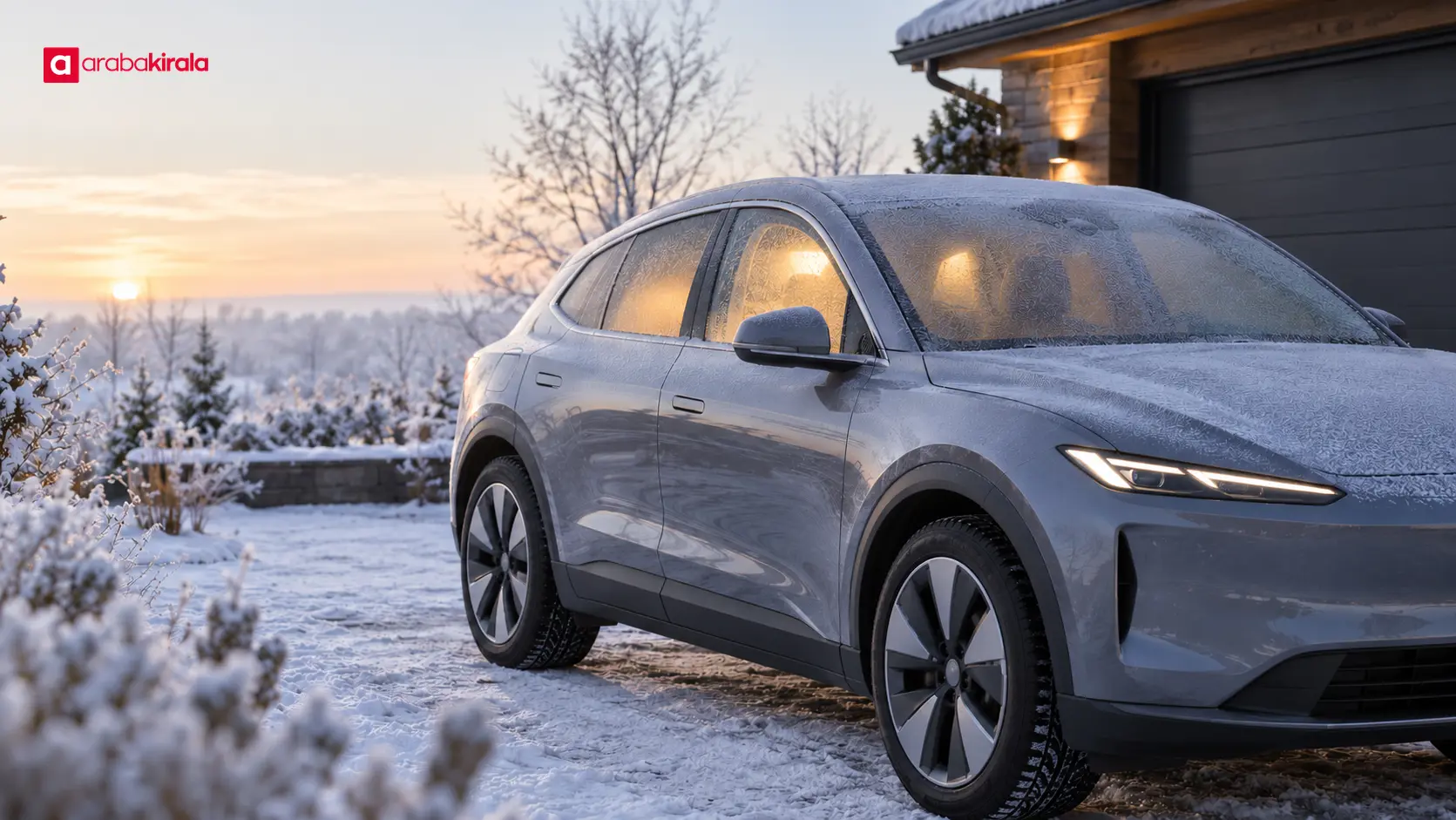
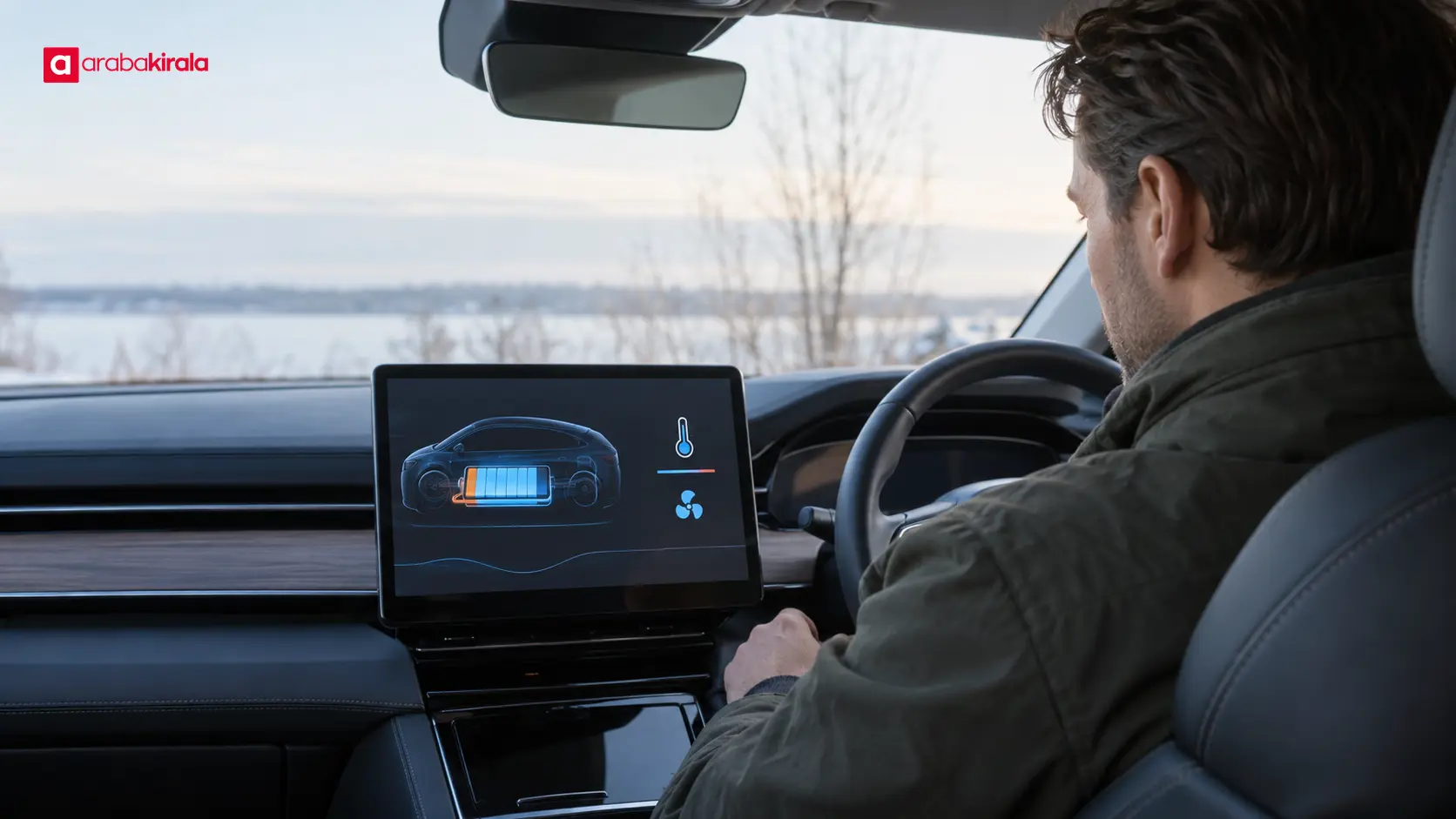
At low temperatures, electrochemical processes inside a battery slow down. That can affect available power, regenerative braking, and the rate at which the battery accepts a charge. If the vehicle detects a cold battery, it may limit power delivery or charging to protect the pack and maintain suitable operating conditions. The display may show a temporary restriction on available energy or regeneration; the owner’s manual explains the symbols for each model.
Preheating is a controlled process that raises battery temperature before driving or arriving at a fast charger. Depending on the vehicle, it may use an electric heater, a liquid coolant circuit, a heat pump, or a combination. Some models coordinate battery and cabin heating, while others manage them separately. Turning on cabin climate control therefore does not necessarily mean that the battery is being preheated.
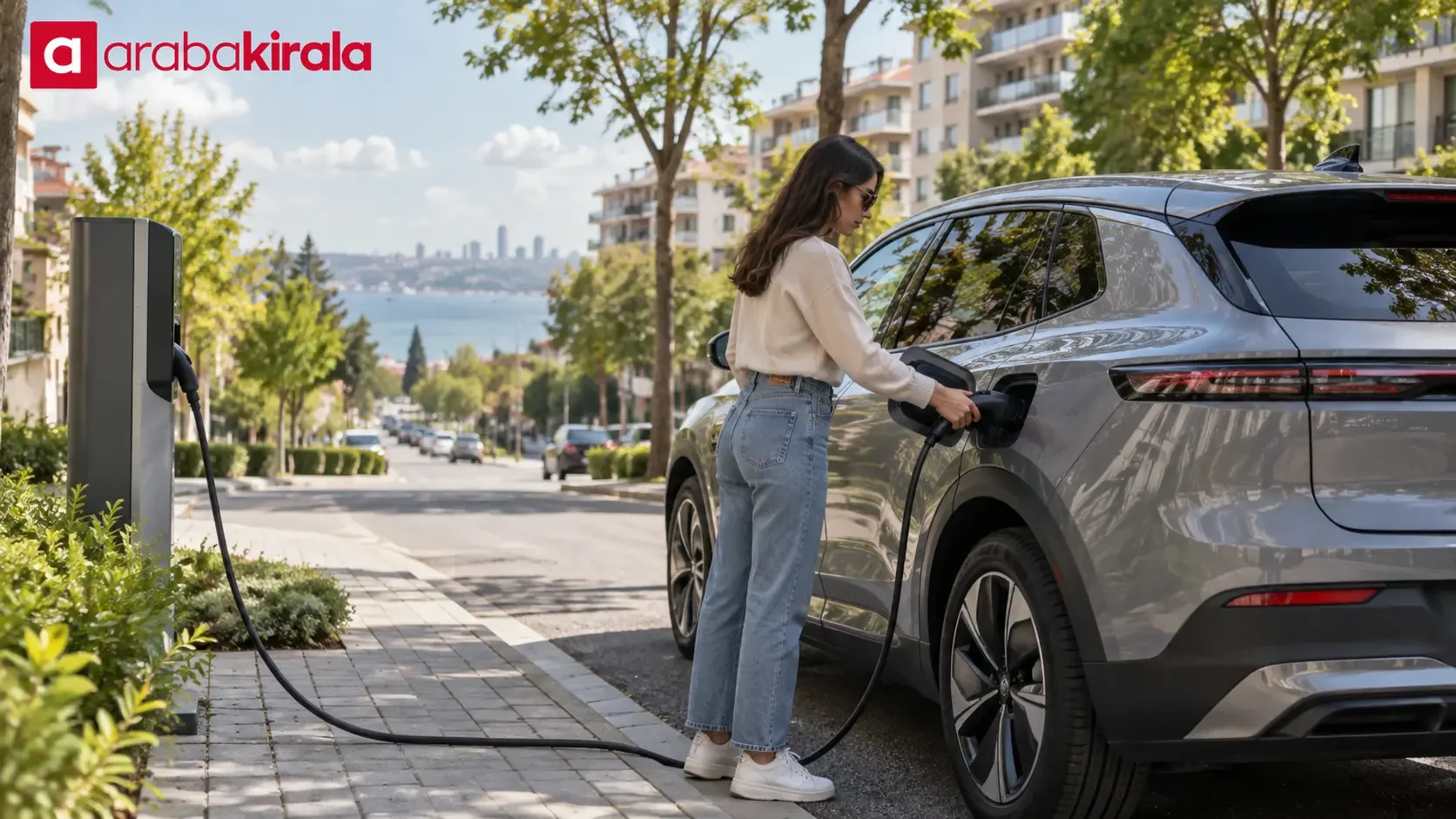
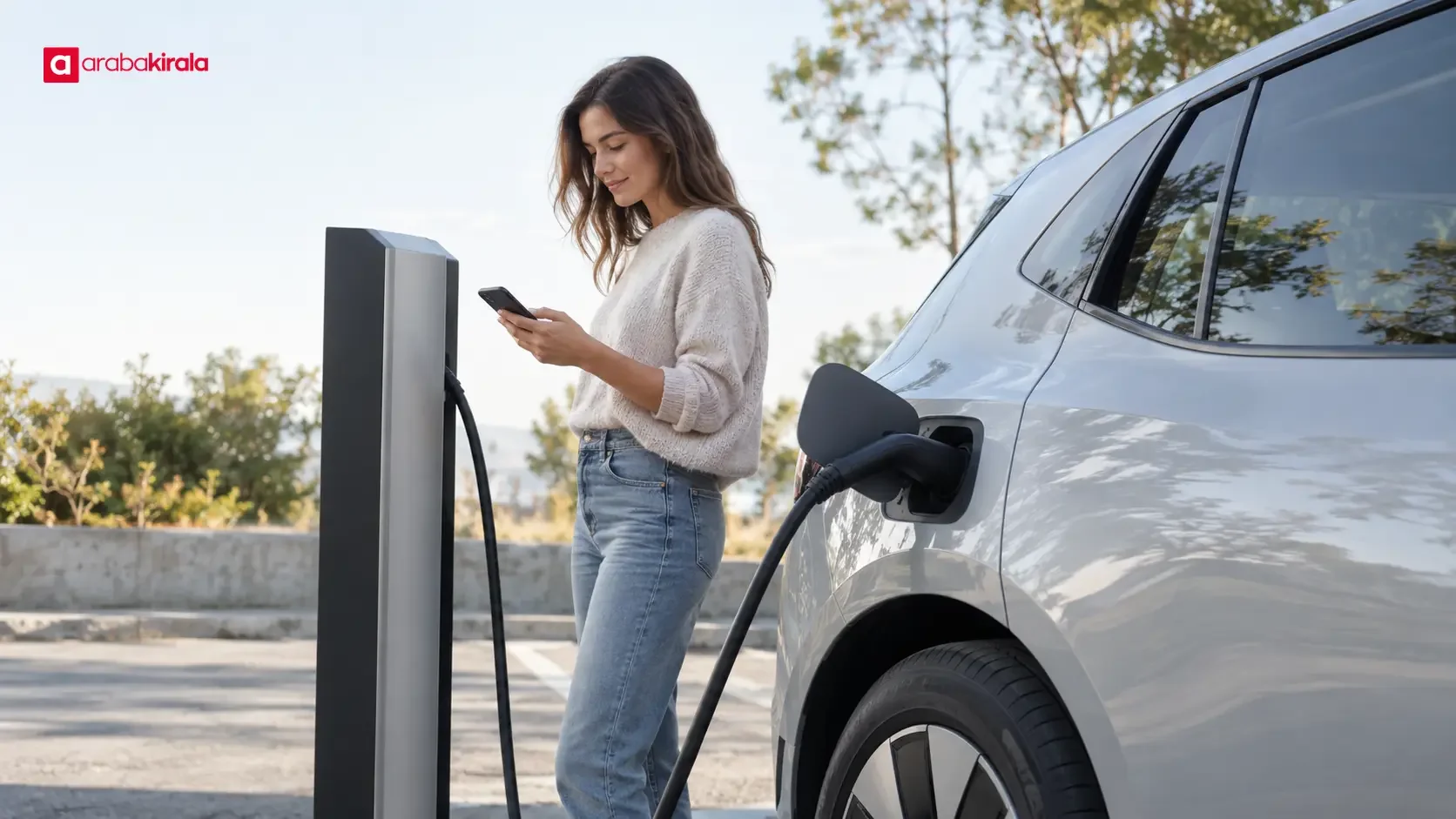
If a vehicle offers preconditioning, a schedule or navigation feature may start battery heating before departure or ahead of a compatible fast charging stop. Preparing while connected to a charger can allow some of the energy to come from the grid, though the vehicle’s design and settings determine how it operates. A low charging rate when you first plug in during cold weather is not automatically a fault: the vehicle may increase power gradually as the battery reaches suitable conditions.
What does cooling do in hot weather?
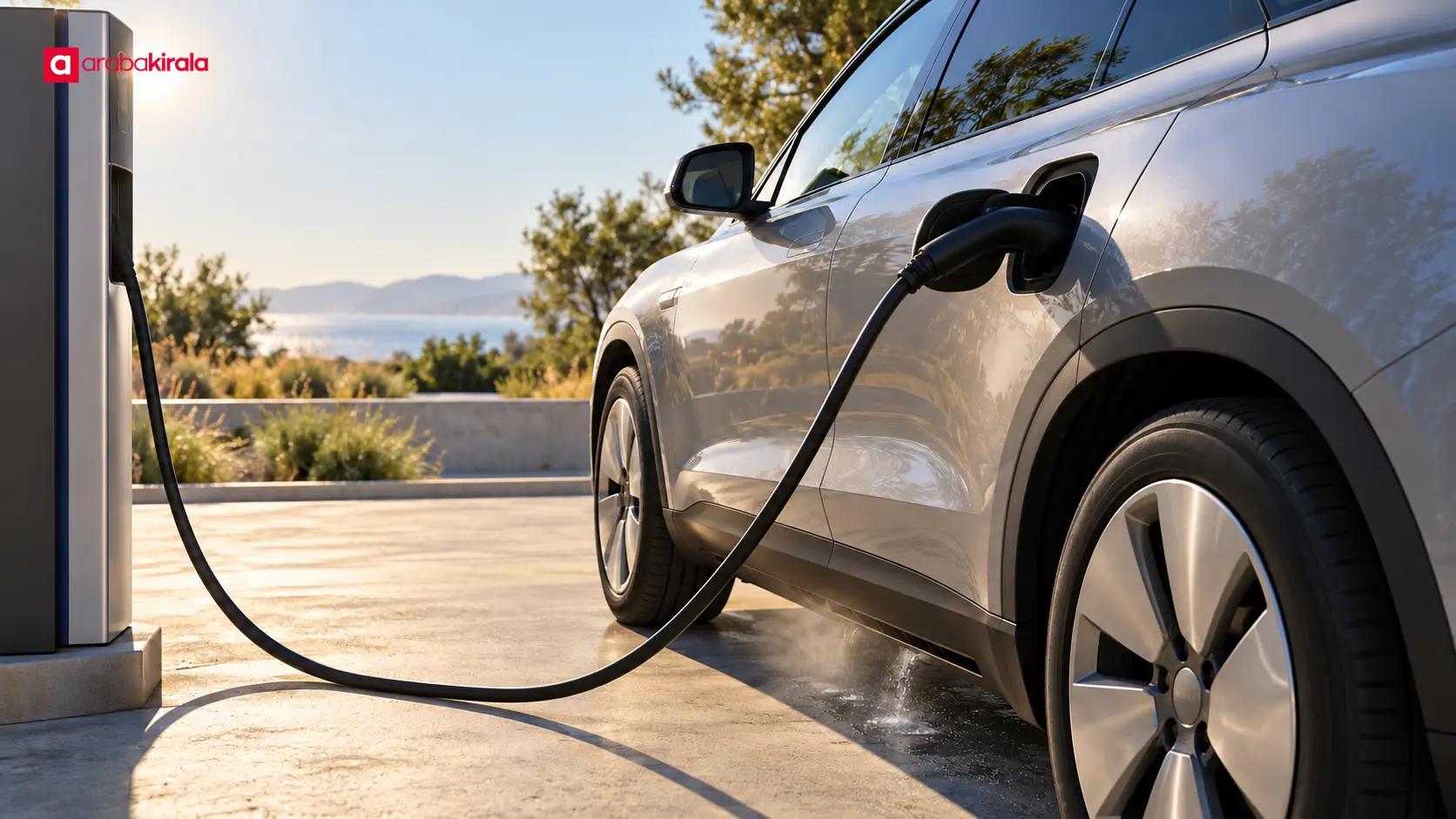
High ambient temperatures, demanding driving, and high power charging can all contribute to heat in the battery. A thermal management system may move air around the pack, circulate liquid coolant, or exchange heat with the air conditioning circuit. Equipment varies by model. The system monitors battery temperature and runs fans, pumps, compressors, or valves as needed.
Cooling may be especially noticeable during fast charging or repeated high power use. A fan or compressor sound can be related to the thermal system operating under particular conditions; however, follow the vehicle manual if a warning appears, a sound seems unusual, or performance changes. Cabin air conditioning and battery cooling are not the same function. Some vehicles connect their thermal circuits, but the controls and operating logic differ from model to model.
Why does battery temperature affect driving and charging?
When the battery is very cold, the vehicle may temporarily limit power output or regenerative braking. Regenerative braking uses the motor as a generator during deceleration and returns some energy to the battery. As the battery reaches suitable conditions, that function may recover. It is sensible to account for a different initial response in a cold vehicle by avoiding abrupt acceleration and braking and adjusting speed and following distance to the road conditions.
Charging speed depends on battery temperature as well as charge level, the charging equipment, and how much power the vehicle can accept at that moment. If conditions are unsuitable, the vehicle may accept less power to protect the battery. In some vehicles, completing preconditioning before reaching a fast charger can help reduce charging time. The result depends on outside temperature, route, and vehicle software; there is no single waiting time or temperature that applies to every model.
Practical preparation before setting off
- Learn the vehicle’s feature: Check the owner’s manual for battery preconditioning, scheduled climate control, and charging schedule instructions. Confirm whether cabin heating and battery preparation are separate functions.
- Plan charging stops with the route: If the vehicle can prepare the battery when navigating to a charger, learn how to enable the feature. Verify map and station information separately.
- Allow for cold start conditions: If the display indicates a battery or regeneration limit, avoid abrupt acceleration and braking, and drive at a speed suitable for the road and weather.
- Watch the system in hot weather: Energy use may change during charging or driving, and cooling equipment may make noise. Pay attention to alerts and follow the manufacturer’s instructions if one appears.
- Ask at rental pickup: When renting an electric car, ask the branch where you will collect it how to read its range display, connect charging, use preconditioning, and manage scheduled charging. Confirm branch-specific charging and return details before the reservation.
Is cabin preheating the same as battery preheating?
No. Cabin preheating prepares the passenger area and may help clear mist, frost, or ice from the windows. Battery preheating aims to bring the cells closer to suitable operating conditions. A vehicle may perform both at once, but activating one does not prove that the other is active. Check the vehicle display and owner’s manual to understand how that model works.
Does preheating increase driving range?
Preheating does not guarantee a longer range in every situation; it uses energy to prepare the vehicle. If the car is connected to a charger, some of that energy may come from the grid. Preparing a cold battery and cabin before driving can reduce the energy demand after departure, but weather, route, speed, and climate settings all affect total consumption. Treat the estimated range as a guide rather than a guaranteed distance.
What should you do if a battery temperature alert appears?
Read the full message and check the explanation in the vehicle manual. If the alert concerns power, charging, or a temperature limit, follow the vehicle’s instructions and do not try to force the system. If the message calls for a safe stop, there is visible damage, or a fault warning keeps returning, contact the manufacturer’s roadside assistance or authorized support before continuing.
Summary: include temperature management in your plan
EV battery temperature management uses controlled heating in cold conditions and heat removal in hot conditions to support suitable operation. Cold can limit power and charging; high temperatures can increase the need for cooling. Before driving, learn the model’s preconditioning features, plan charging stops on longer journeys, and respond to dashboard alerts. If you are renting an electric car, ask the pickup branch for a brief explanation of that vehicle’s preheating and charging functions.
Legal Disclaimer: All content, articles and information on the Araba Kirala website are provided solely to inform users. No information shared on this website constitutes definitive advice or guidance. Araba Kirala Teknoloji A.Ş. and its authors cannot be held responsible for any direct or indirect damages arising from the application of information on the website. For all questions and requests regarding car rental, please contact the office from which you will rent your vehicle.