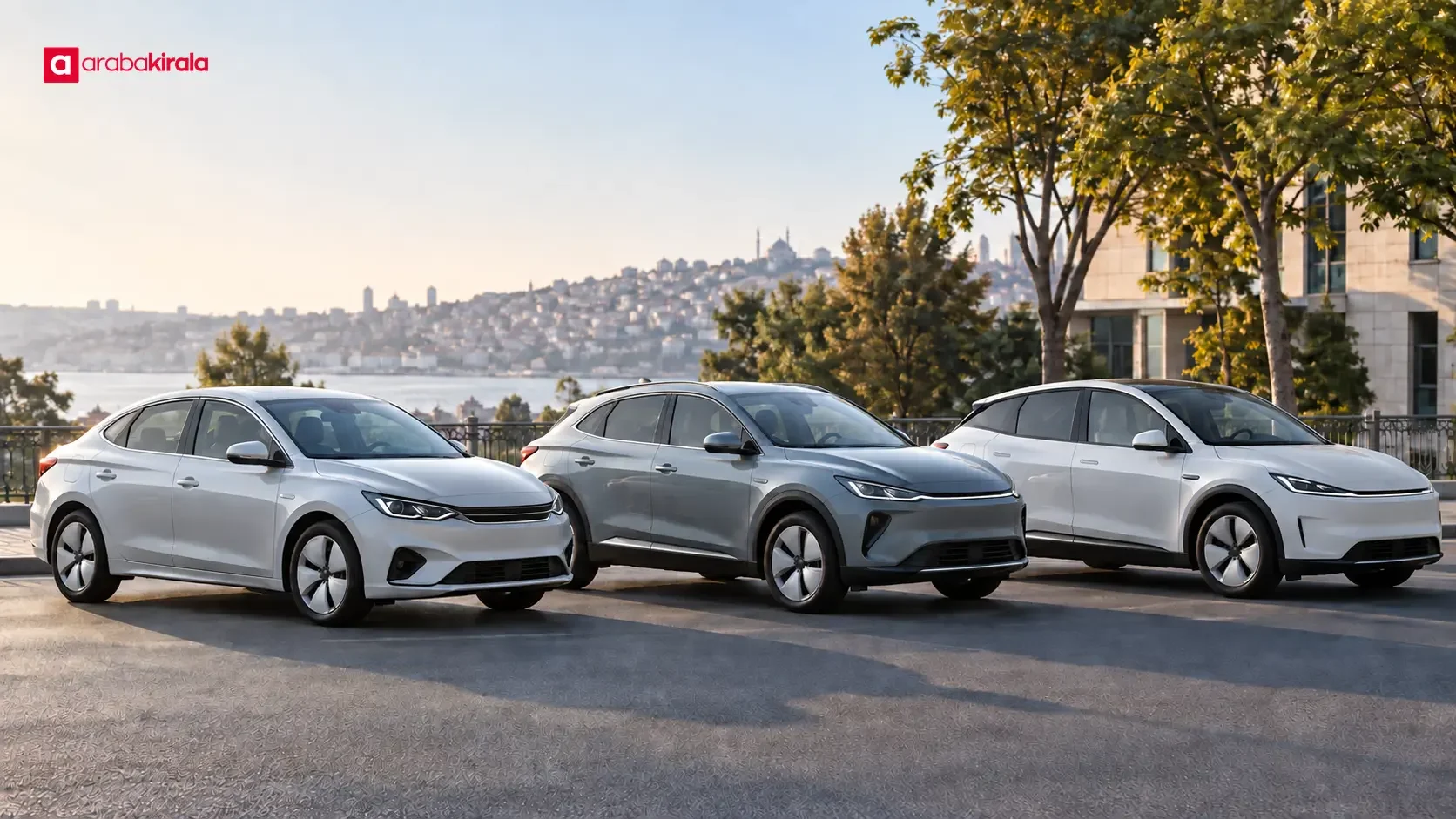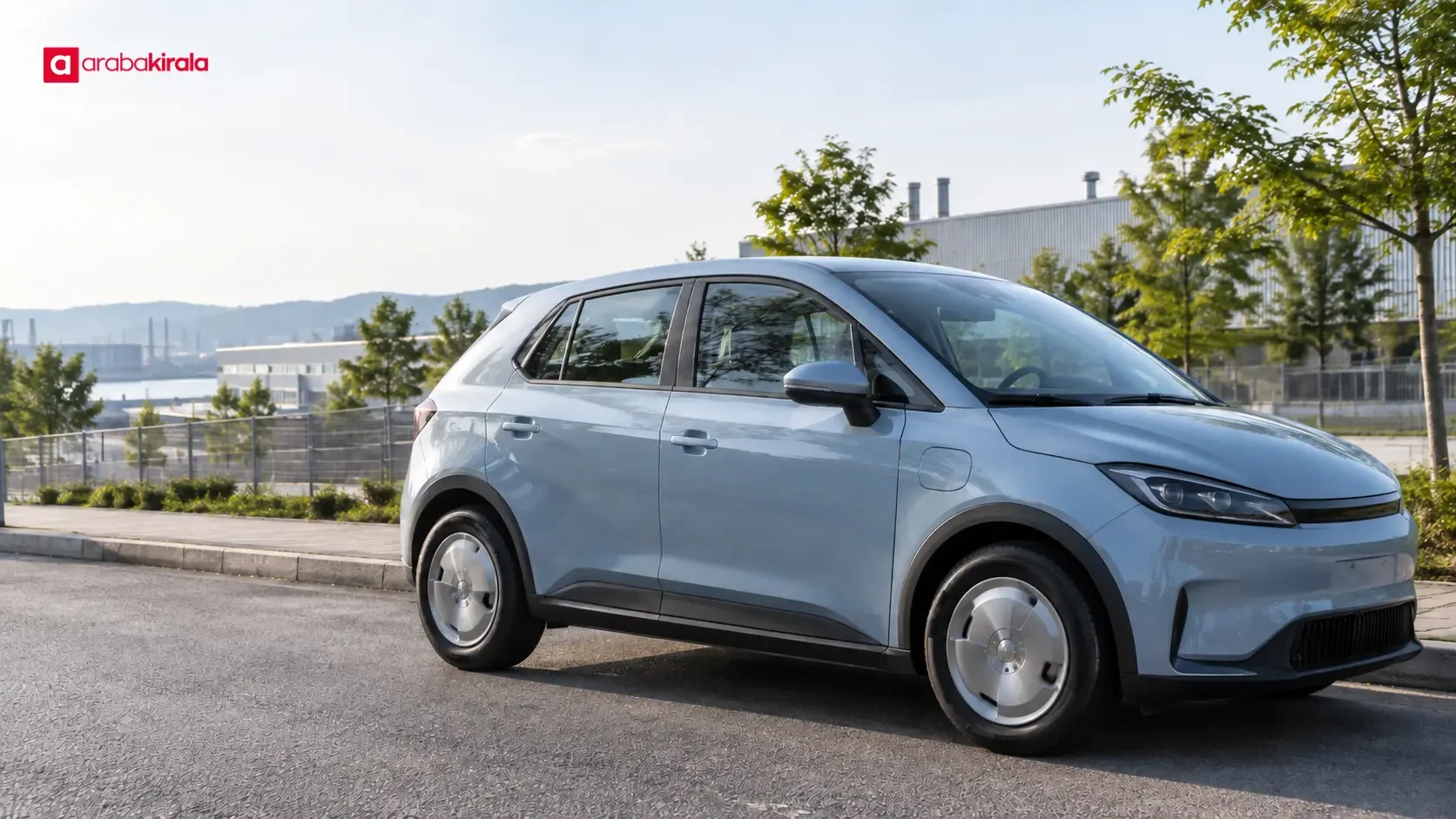
EV Charging Connector Types and Cable Compatibility Guide
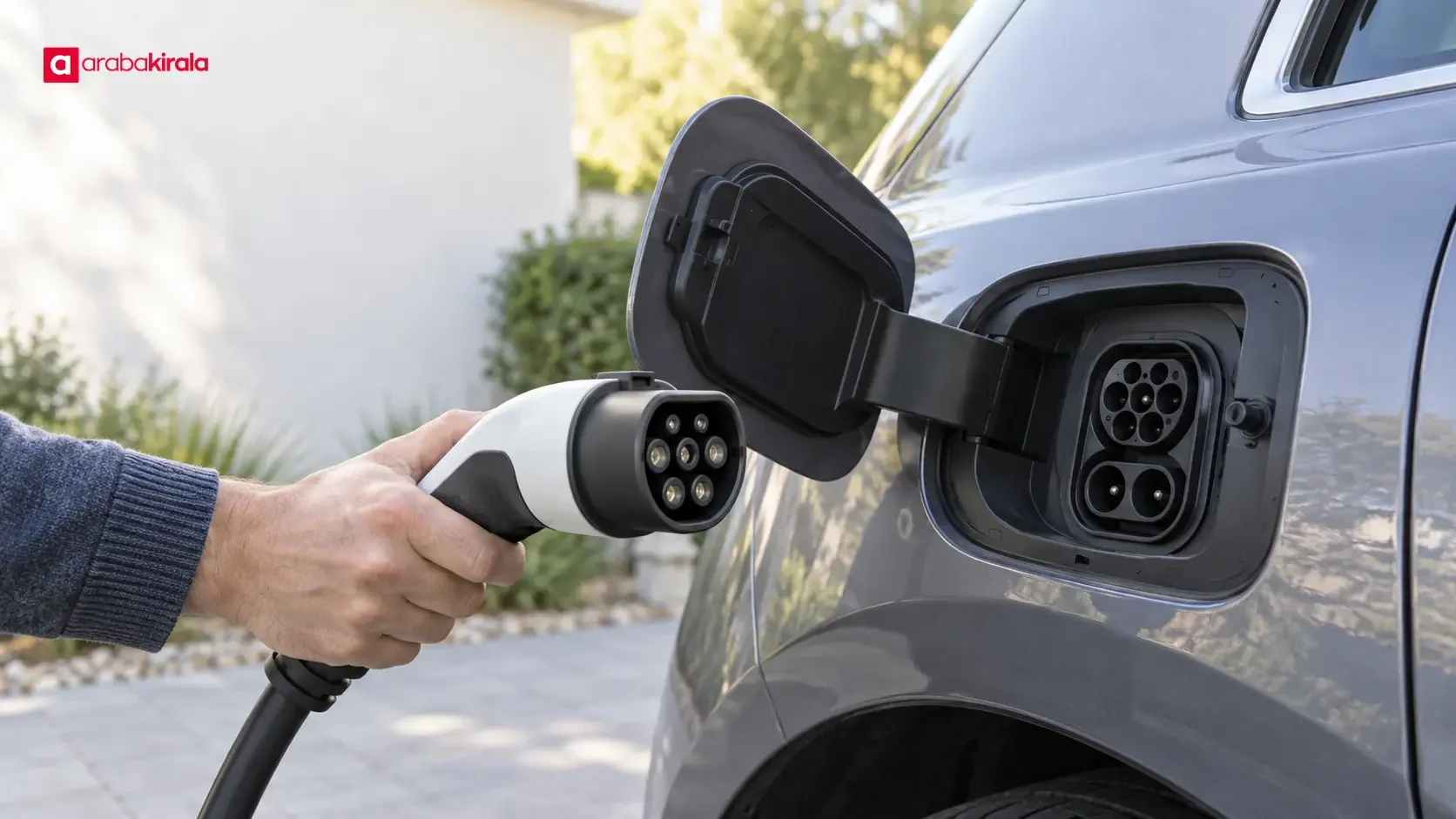
Electric vehicle charging connector types identify how a car connects to a charging point and whether a cable can fit both ends of that connection. Recognizing a connector’s shape is useful, but physical resemblance alone does not prove compatibility. Check the vehicle inlet, the charging point outlet, both ends of the cable, and whether the equipment supplies AC or DC power. This guide explains common connector families and practical ways to verify what an electric car can use.
Charging inlet, plug and cable: what each term means
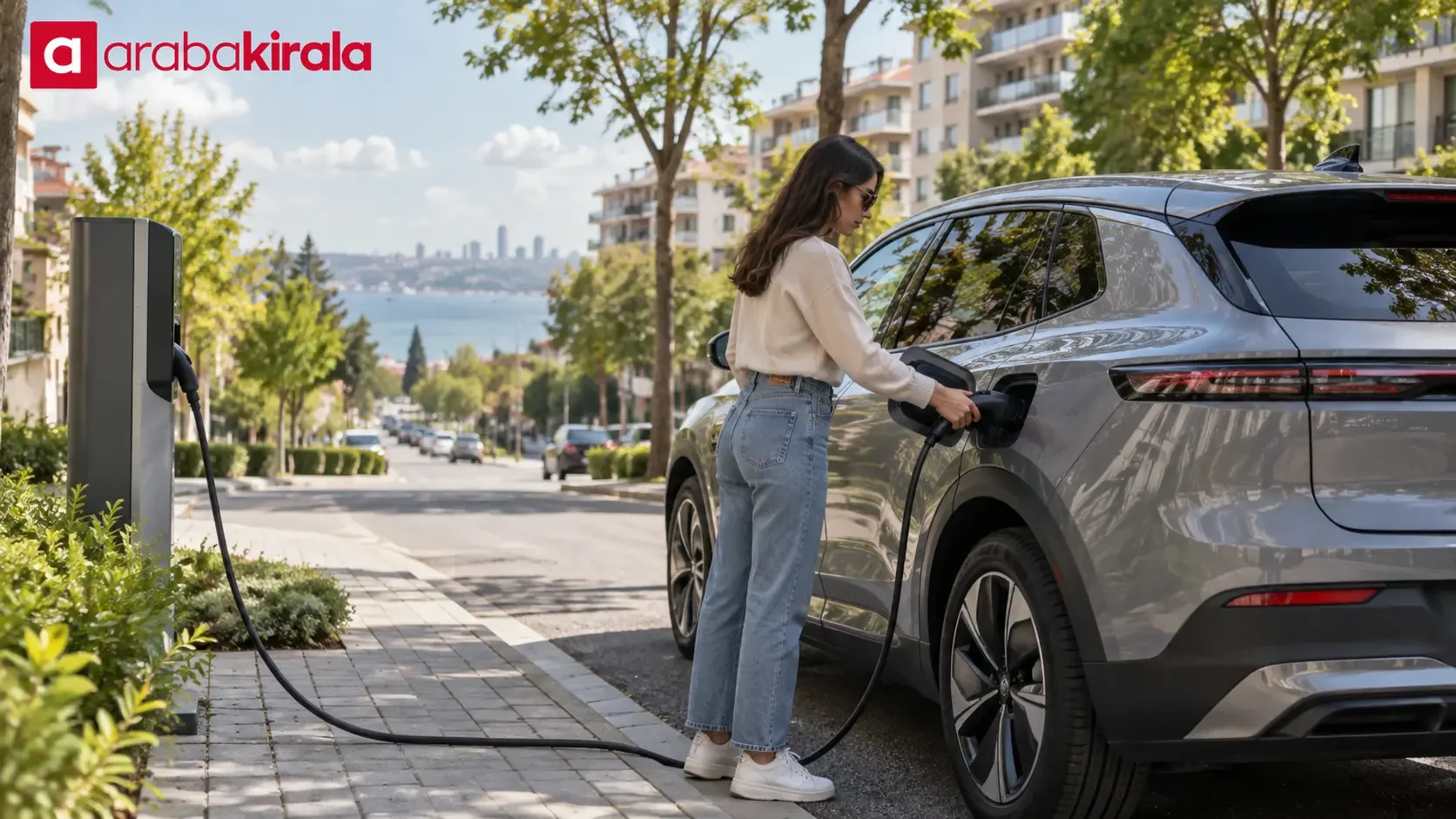
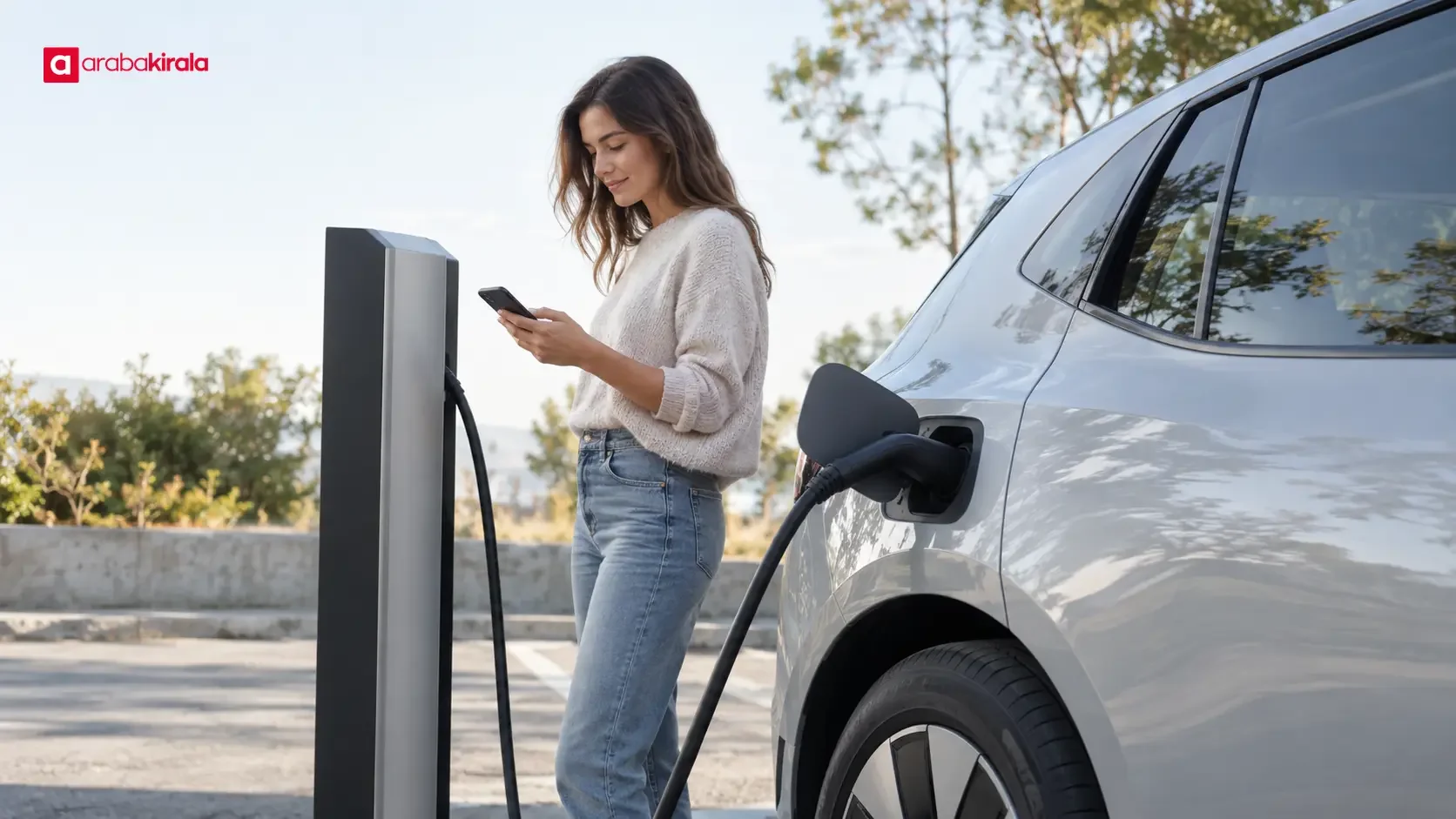
The opening on the vehicle is its charging inlet. A charging point may have a cable permanently attached, or it may have a socket that requires a separate cable. The vehicle end of that cable must match the car inlet, while the other end must match the charging point. This is why asking only whether a cable is “Type 2” may not settle the question: the station end and the charging method also matter.
Connector shape is related to the way electricity reaches the battery. During AC charging, the vehicle’s onboard charging equipment converts incoming alternating current into a form suitable for the battery. In DC charging, much of that conversion happens in the charging equipment before power reaches the vehicle. Some cars combine AC and DC contacts within one inlet design. Looking at the complete inlet, rather than only its upper section, helps distinguish these arrangements.
How to recognize a Type 2 connector
Type 2 is a widely encountered AC connector format in Europe. Its round, slightly flattened housing contains several contact openings. Learning the general shape can help when comparing a vehicle inlet with a cable plug, but a label or the diagram in the vehicle handbook is a more dependable way to identify it. Some charging points have an attached cable; others provide a socket for a separate cable. Seeing a socket does not mean that every cable will be suitable.
Type 2 describes a connector format; it does not by itself tell you how quickly a car will charge. AC charging capability depends on the vehicle’s onboard charger, the power available from the charging point, and the technical ratings of the connection. If one part has a lower capacity, the charging rate can be limited by that part even when the plug fits. The same Type 2 connection can therefore produce different charging results in different vehicles and at different charging points.
CCS and DC fast charging
CCS stands for Combined Charging System. In the European CCS2 design, the upper part resembles the Type 2 AC connection and two large DC contacts sit below it. Those additional contacts are used for compatible DC charging. To identify a CCS inlet, inspect the full opening; the Type 2-like upper section alone does not confirm that the car supports CCS.
DC charging units commonly have a cable attached to the unit. The vehicle inlet must match that cable’s connector standard, so the station’s plug and the vehicle’s inlet need to be compatible. Having a CCS inlet does not mean that a car will charge at the same power at every DC unit. The vehicle’s specifications, battery conditions, charging equipment and operating limits all influence charging speed. The manufacturer’s handbook is the main reference for the connector and charging methods supported by a particular vehicle.
CHAdeMO and connector formats in other regions
CHAdeMO is another DC connector standard found with some vehicles and charging networks. Its shape differs from CCS; it is not the same plug. Do not assume that an adapter is available or suitable. Check the vehicle maker’s documentation and the charging unit description. A car can have more than one inlet, and a model’s connector may vary between versions or markets.
AC formats such as J1772 and regional standards such as NACS are also used in some vehicles and infrastructure, particularly in North America. They should not be treated as one universal connector used by every car or in every country. The sales market, model year and equipment version can affect the inlet fitted to a vehicle. For a car used in Türkiye, the clearest approach is to inspect its own inlet, compare it with the handbook diagram and check the plug offered by the charging point you plan to use.
How to check that a cable is compatible
Start with the owner’s manual for the exact make and model. Look for the name of the charging inlet, a charging diagram, or a label inside the charging flap. Then check what the charging point provides: a Type 2 socket, an attached AC cable, or a DC connection such as CCS. Confirm each end of the cable separately. Plugs that appear similar in a photograph should not be assumed to be interchangeable based on shape alone.
Read the markings and product information for the cable’s current, voltage and power ratings. These values need to be suitable for the vehicle and the charging equipment. A cable with a higher rating does not automatically make charging faster; the system’s overall rate is limited by the technical capabilities of its components. Follow the vehicle maker’s instructions about cable types and charging equipment. Do not use a cable that is visibly cracked, crushed, frayed or damaged around its plug, and do not try to open or repair it yourself.
Safe checks before charging
Read the instructions for both the vehicle and the charging equipment before connecting. Check that the connection areas are dry, visibly clean and undamaged. Do not touch the metal contacts or insert objects into an inlet. Route the cable so that it does not obstruct people or vehicles, cross sharp edges, or sit under the car’s wheels. If a cable is taut or a plug does not line up naturally with the inlet, stop and verify the connection instead of forcing it.
In wet weather, follow the equipment and vehicle manufacturers’ guidance. Do not charge with equipment that has been submerged, is visibly damaged or is unusually hot. Use the inlet cover and locking mechanism as instructed. If charging does not start, do not push or pull the plug with force, use a metal object, or try an unverified adapter. Note any error message and follow the vehicle or charging unit’s support instructions. If you cannot make a safe connection, choose a compatible charging point or seek appropriate support.
Ask about charging on a rental electric car
An electric rental car is not necessarily fitted with the same inlet or cable as every other model. The assigned vehicle can vary, so before travelling ask the branch you will rent from which charging inlet the vehicle has and whether a cable is supplied with it. These are details about the specific vehicle and branch; do not assume one condition applies to all cars.
Ask what type of cable is provided, where to find its instructions and whether someone can explain the connection when you collect the car. If no cable is provided, check that charging points along your route have plugs compatible with the vehicle inlet. For trip planning, consult current information from the relevant charging service about access, payment and availability. Consider route, weather, load and time needed for charging. Treat a single quoted range or charging time as an estimate tied to particular conditions, rather than a guarantee for every journey.
Frequently asked questions
Are Type 2 and CCS the same connector?
No. Type 2 is a connector format used for AC charging. A European CCS2 inlet includes the Type 2 section plus two larger DC contacts beneath it. The complete inlet shape is therefore different from Type 2 alone, and CCS includes a DC charging connection.
Will a Type 2 cable fit every electric car?
No. The car must have a compatible inlet, the other end of the cable must match the charging point, and the cable ratings must be suitable. Check both the manufacturer’s vehicle information and the charging point details.
Can a car with CCS use every fast charger?
Knowing the inlet shape is not enough. The charging point must offer a compatible standard, the vehicle must support the charging method, and the equipment must be operating. Power and charging time also depend on the vehicle and charging unit specifications.
How can I verify a cable for my car?
Check the inlet diagram and cable guidance in the owner’s manual. Compare both cable ends and their ratings with the vehicle and charging point. If you are unsure, do not force the plug; consult the vehicle maker or the branch renting the car to you.
How do I find out which cable comes with a rental car?
It can depend on the assigned vehicle and the branch. Ask the branch before booking or collection about the vehicle’s inlet and cable, then compare the answer with connector types available along your route.
Choosing the right connection starts with checking both the car inlet and the charging point. Understanding the difference between Type 2, CCS and other formats can help avoid an unsuitable cable, while the vehicle and equipment instructions remain the guide for compatibility and safe use.
Legal Disclaimer: All content, articles and information on the Araba Kirala website are provided solely to inform users. No information shared on this website constitutes definitive advice or guidance. Araba Kirala Teknoloji A.Ş. and its authors cannot be held responsible for any direct or indirect damages arising from the application of information on the website. For all questions and requests regarding car rental, please contact the office from which you will rent your vehicle.