How Cabin Preconditioning and Climate Control Affect EV Energy Use

Published: October 6, 2026 • Reading Time: 7 min • Last Updated: October 6, 2026
Learn how heating, air conditioning and cabin preconditioning draw on an electric car’s battery, what that can mean for range, and how to balance comfort with energy use.
Contents
- Where does climate-control energy come from?
- Why does energy use vary with the weather?
- Heating the cabin in cold weather
- Cooling the cabin in hot weather
- What can preconditioning do for range?
- Practical ways to balance comfort and energy use
- What to check when renting an electric car
- Frequently asked questions
- Does air conditioning reduce an electric car’s range?
- Does preheating while charging protect the battery?
- Is a heated seat more efficient than cabin heating?
- How can I manage range when using climate control?
- Summary: learn the vehicle’s controls before setting off
Electric car air conditioning energy use can affect driving range, especially in very cold or hot weather. This guide explains how cabin heating and cooling use battery energy, what preconditioning can do before a trip, and how to manage comfort without compromising clear windows or safe driving. The effect is not identical across vehicles: outside temperature, trip length, chosen settings and the car’s climate system all matter.
Where does climate-control energy come from?
In an electric car, the systems that heat or cool the cabin perform a separate task from the drive motor, but they generally draw energy from the vehicle’s high-voltage battery system. That battery powers both movement and cabin comfort. As a result, climate control can affect how much charge remains available for driving. It is not reliable to describe the effect as a fixed number of miles or a universal percentage, because vehicle designs and conditions differ.
Air conditioning does more than lower the air temperature. It can also help remove moisture and clear fog from the windows. Heating systems may warm air and, on some vehicles, heat contact surfaces such as the seats or steering wheel. Cars with heat pumps may meet cabin heating needs differently from cars with other heating arrangements. The owner’s manual is a good starting point for understanding the system fitted to a particular vehicle.
Why does energy use vary with the weather?
Heating the cabin in cold weather
In winter, warming the cabin and its interior surfaces takes energy. If a car has been sitting in the cold, bringing the cabin up to a comfortable temperature may require more work at the start of a journey. Once warm, the system works to maintain the selected temperature. Outdoor conditions, insulation, passenger load and settings influence that demand. Cold conditions can also affect battery operating conditions, so it can be misleading to attribute every change in range to cabin heating alone.
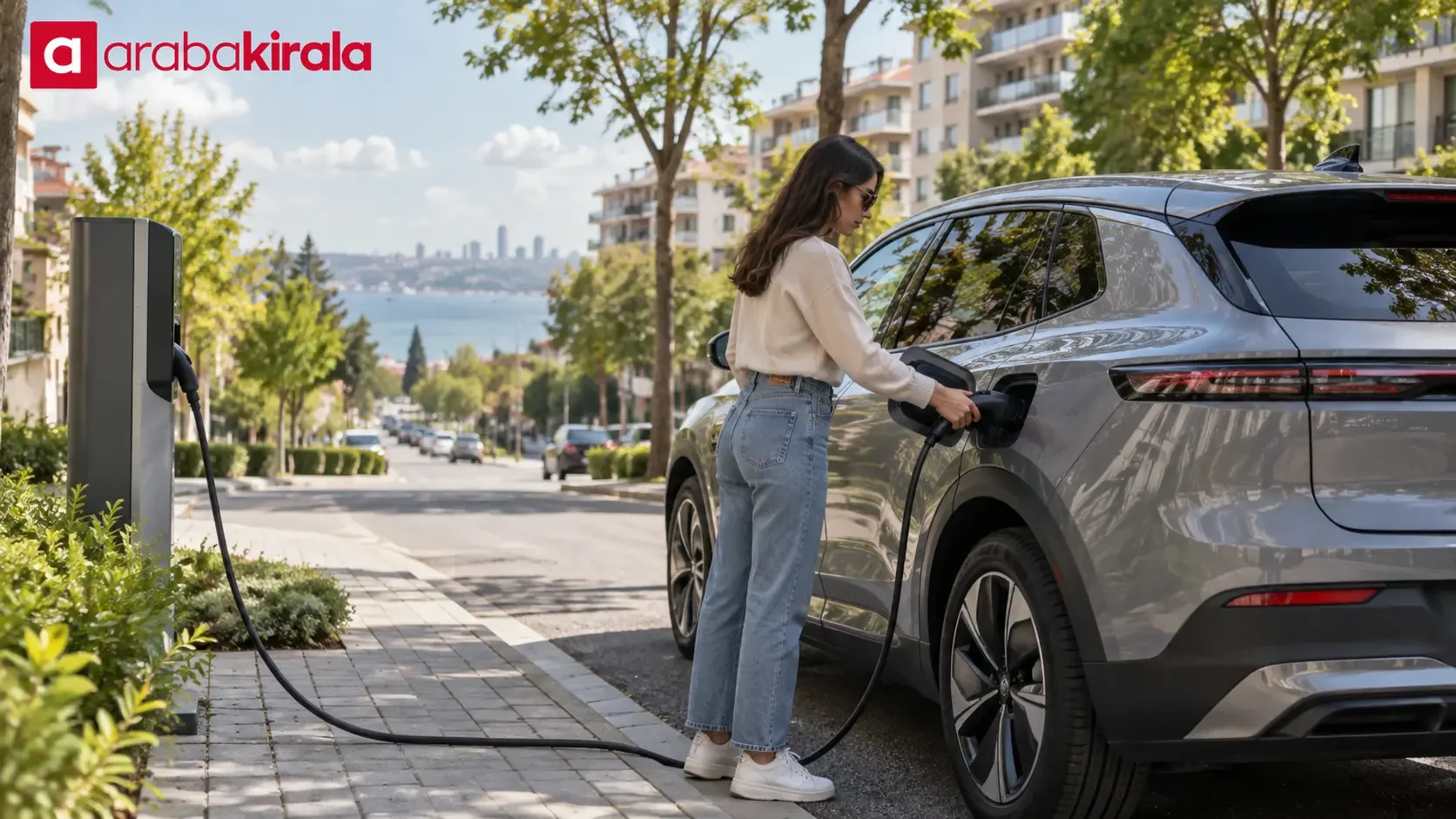
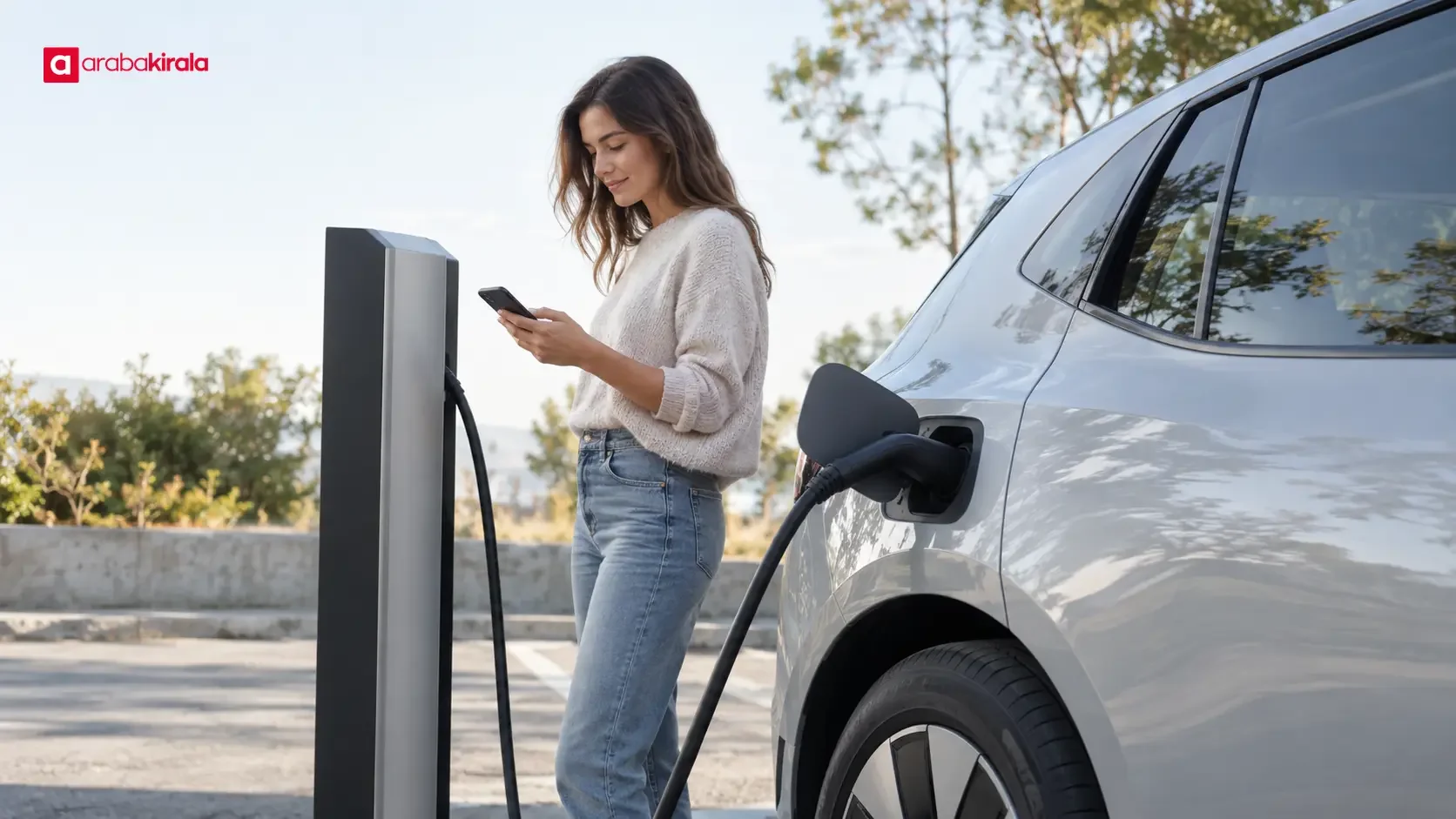
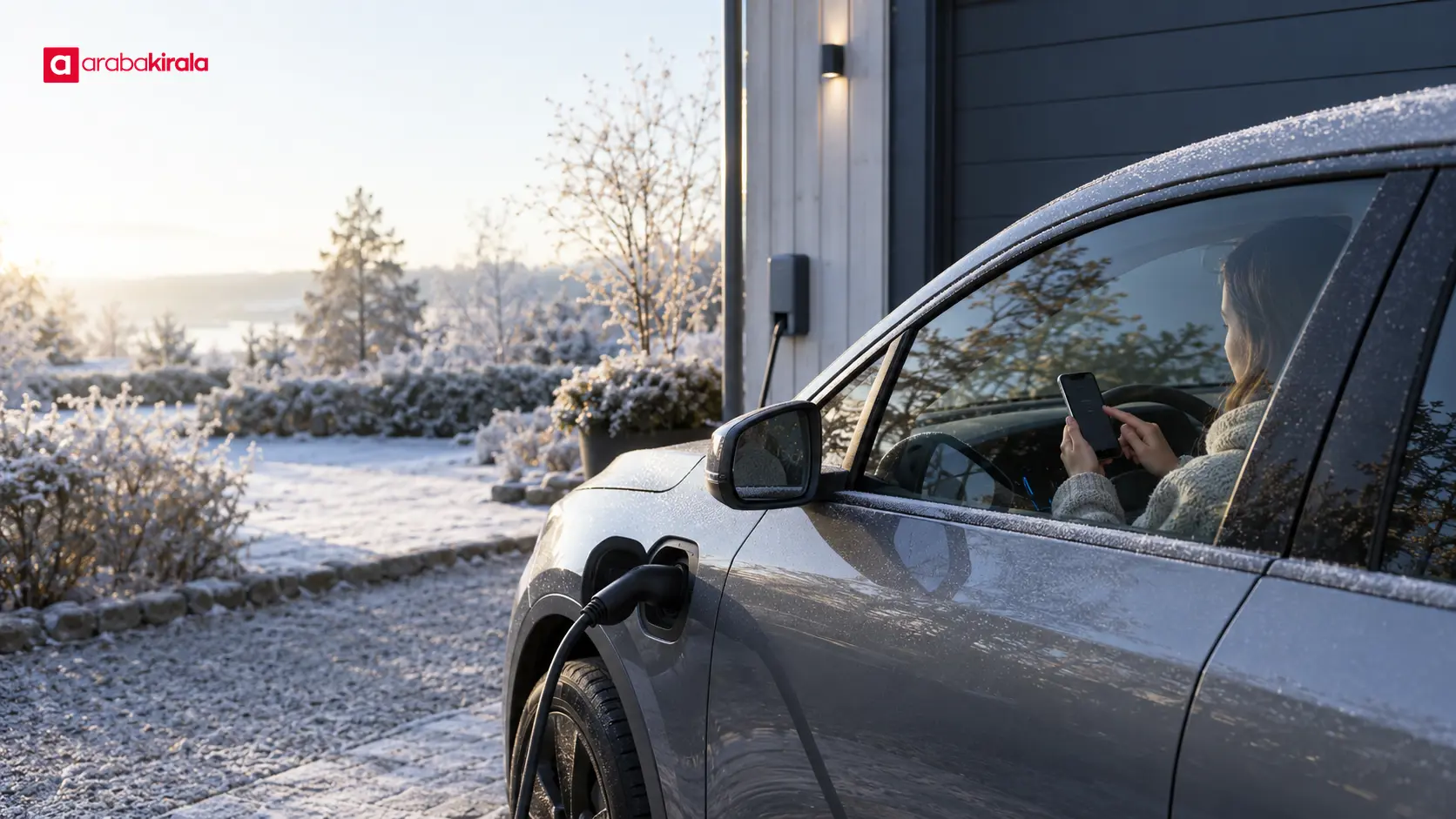
Preheating means warming the cabin before setting off. If a compatible vehicle can precondition while plugged in, some of the energy for getting the cabin ready may come from the electricity supply rather than the battery at the start of the drive. The amount depends on the vehicle’s controls, charging connection and system operation. Preheating after unplugging may not have the same effect.
Cooling the cabin in hot weather
A car parked in the sun can become much hotter inside than the surrounding air. The system first has to remove accumulated heat and then maintain a more comfortable temperature. When the car is moving, air conditioning draws battery power for this task. Sun exposure, how long the car has been parked, outdoor temperature and the chosen cooling setting all affect demand. If a vehicle supports pre-cooling, using it while plugged in can help prepare the cabin before a journey.
What can preconditioning do for range?
Preconditioning is heating or cooling the cabin before driving. Depending on the vehicle, it may be started with a schedule or through a control method provided by the manufacturer. When it runs while the car remains connected to a charger, preconditioning can help limit the energy the battery supplies to bring the cabin to a comfortable temperature at the start of the trip. It does not guarantee a particular range increase. Available charge, weather, parking conditions and settings all influence the result.
Preconditioning features do not work the same way in every car. Some systems allow a departure time to be scheduled; remote controls and charging requirements can also differ. Consult the owner’s manual for instructions on operating climate control while charging. If you are renting an electric car, ask the branch where you will collect it whether the assigned vehicle has this feature, how to activate it and whether it needs to be plugged in.

Practical ways to balance comfort and energy use
- Plan before departure. If the car offers preconditioning and conditions allow, consider preparing the cabin while the vehicle is still connected to a charger. Check the vehicle display and manual to confirm whether climate control is actually drawing power through that connection.
- Avoid extreme settings. Very high heat or very low cooling can make the system work harder to reach the requested cabin temperature. Start with a comfortable, moderate setting and make small adjustments as needed.
- Consider heated contact surfaces. If fitted, seat or steering-wheel heating can warm the areas a person touches directly. Do not assume it will use less energy than cabin heating in every situation; systems and conditions vary.
- Clear fog safely. Use the defogging and air-conditioning functions when needed to maintain a clear view. Saving energy is never a reason to drive with fogged windows or reduce visibility.
- Take sunlight into account when parking. When practical, choosing a shaded spot can help limit cabin heat build-up in sunny weather. This may reduce cooling demand, though the effect depends on the weather and parking conditions.
- Read trip data in context. The energy-use figure shown during a journey is affected by speed, hills, traffic and driving style as well as climate control. Do not treat a single short drive as a fixed forecast for every trip.
What to check when renting an electric car
Before renting an electric vehicle, it helps to learn how its climate and preconditioning features work. Ask the branch where you will collect the car how to activate preheating or pre-cooling, whether the assigned vehicle can run the function while charging, and whether any app or key steps are needed. Equipment varies from one vehicle to another, so do not assume a feature is standard for a particular model or brand.
When planning charging, account for the expected route and weather as well as access to charging. There is no dependable single estimate for range lost to climate control alone. At collection, understanding the assigned car’s range display, charge level and climate controls can help you plan more realistically. Review this information again during the drive as conditions change, whether your trip is around town or on a longer route.
Frequently asked questions
Does air conditioning reduce an electric car’s range?
Air conditioning uses battery energy, so when other conditions are equal, it leaves less energy available for driving and can affect distance travelled. The size of the effect is not fixed: temperature, vehicle system, settings and road conditions all play a part. Read the car’s energy-use information in the context of your own conditions.
Does preheating while charging protect the battery?
If the vehicle supports climate preconditioning while plugged in, part of the energy used to prepare the cabin may come from the electricity supply. This can reduce the amount drawn from the battery as the drive begins. The result depends on the vehicle and charging conditions; do not assume a specific amount of savings.
Is a heated seat more efficient than cabin heating?
Seat heating warms a person directly and may help reduce the need to heat the cabin air. But vehicles and passenger preferences differ, so it cannot be called more efficient in every case. Choose settings that suit your needs and keep the windows clear.
How can I manage range when using climate control?
Preconditioning while charging, if available, moderate temperature settings, shaded parking and regularly checking trip data can help. None guarantees a particular range increase; these steps help you manage the factors that influence consumption.
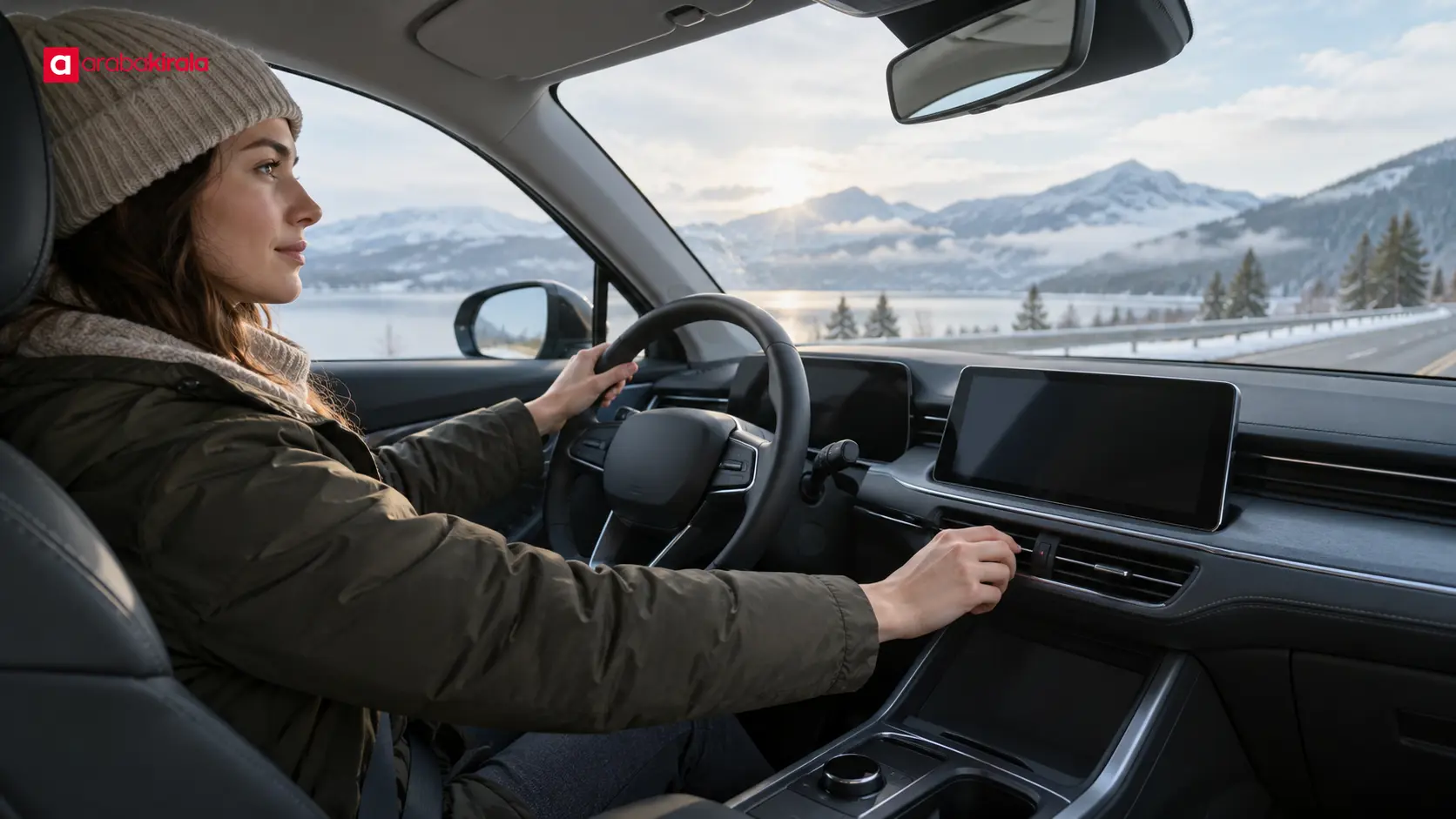
Summary: learn the vehicle’s controls before setting off
In an electric car, heating and air conditioning use battery energy for cabin comfort as well as the energy used to move the vehicle. Where supported and when charging conditions allow, preconditioning can prepare the cabin while the car is parked. Keep visibility and comfort in balance, check the vehicle manual, and ask the rental branch about controls specific to the car you will collect. That gives you a better basis for planning charging and driving in the weather you face.
Legal Disclaimer: All content, articles and information on the Araba Kirala website are provided solely to inform users. No information shared on this website constitutes definitive advice or guidance. Araba Kirala Teknoloji A.Ş. and its authors cannot be held responsible for any direct or indirect damages arising from the application of information on the website. For all questions and requests regarding car rental, please contact the office from which you will rent your vehicle.