How Regenerative and Friction Brakes Work Together in an EV
A regenerative braking system converts some of an electric vehicle’s motion energy into electricity while the vehicle slows, then sends that energy back to the battery. Friction brakes slow the wheels through contact between brake pads and discs, and provide the braking force needed to stop. Electric vehicles use both methods: the vehicle’s control system coordinates them according to the requested deceleration and current conditions.
Knowing how this works helps explain pedal feel, the limits of energy recovery, and practical driving habits. Regeneration is not an unlimited replacement for mechanical brakes. Both systems contribute to controlled deceleration and safe stopping.
What is regenerative braking?
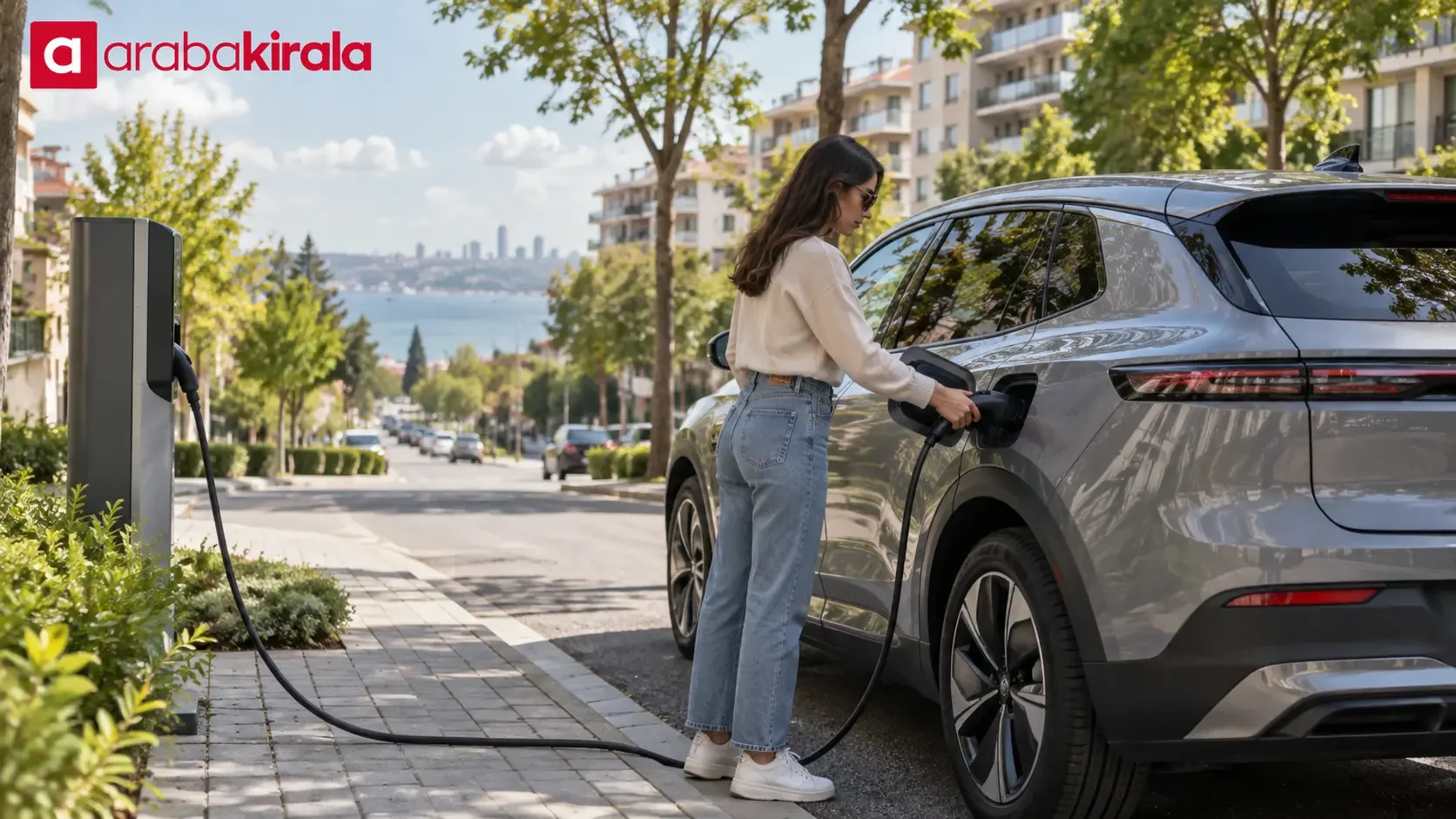
When an electric vehicle is moving, electricity from the battery powers its motor, which turns the wheels. When the driver lifts off the accelerator or requests braking, the motor can change how it operates. The turning wheels drive the motor, which then acts like a generator and converts some mechanical motion energy into electricity. Power electronics route that electricity back to the battery, while the vehicle slows.
Recovering energy does not return all the energy used to move the vehicle. Conversion and storage involve losses. The battery’s condition, temperature, state of charge, and the vehicle’s design also affect how much energy it can accept. Regeneration varies with conditions; it does not by itself determine a vehicle’s range or stopping distance.
What do friction brakes do?
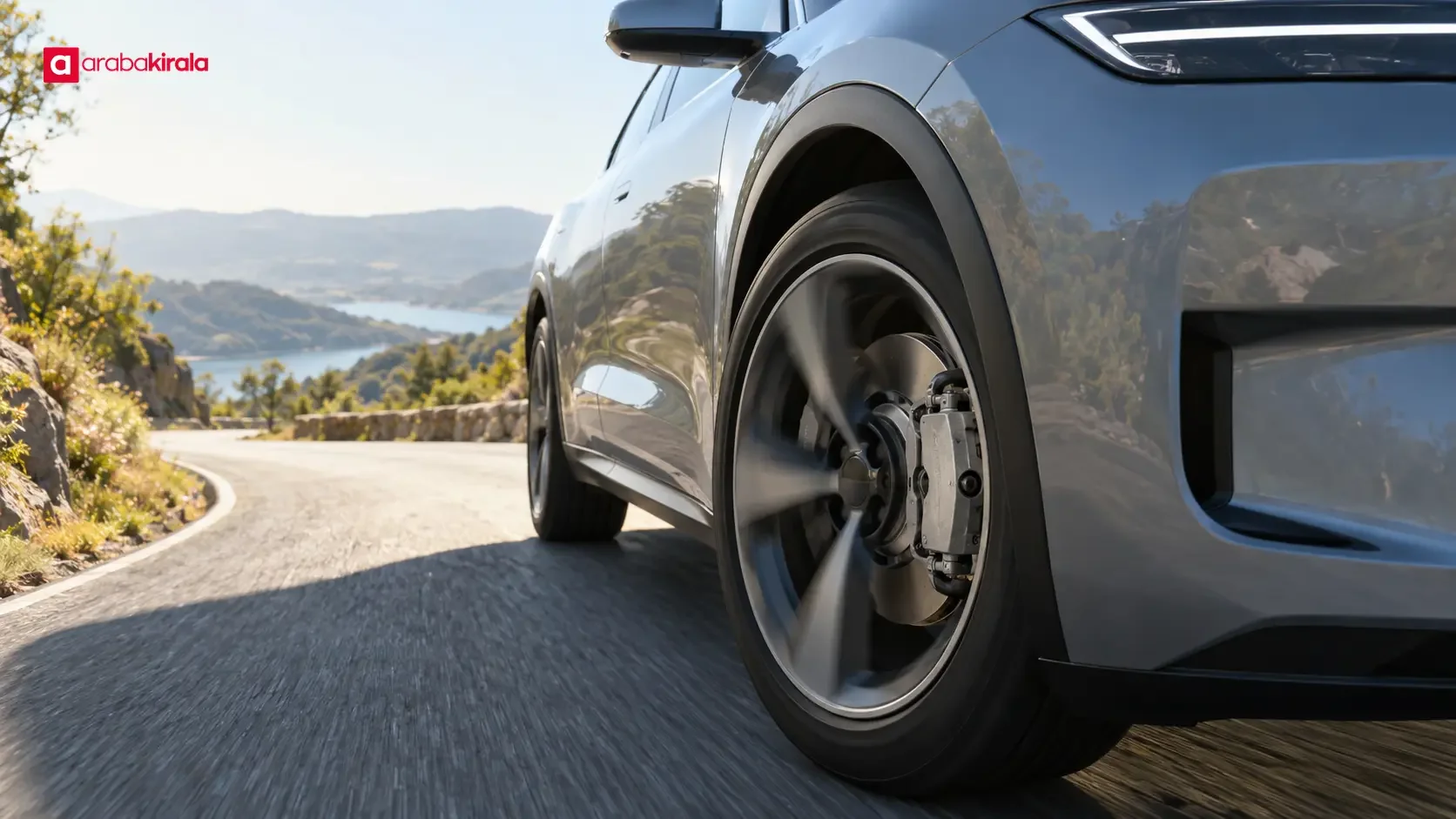
In a conventional friction braking arrangement, pressing the brake pedal applies force to the braking components. The pads clamp against the brake discs; friction converts much of the vehicle’s motion energy into heat and slows the wheels. This system helps bring the vehicle to a controlled stop.
Friction brakes remain an essential safety component in electric vehicles. They add braking force when regeneration cannot provide enough deceleration or is limited. This can occur when the driver asks for a strong or sudden slowdown, at very low speeds, when the battery cannot accept more energy, or because of another system limit. The vehicle’s design manages the transition and distribution of braking force.
How do the two systems work together?
In blended braking, the vehicle coordinates regenerative and friction braking to produce the requested deceleration. Pressing the brake pedal does not trigger just one fixed method in every situation. The control system considers inputs such as speed, wheel grip, the battery’s ability to accept charge, and the condition of the braking system. Its priority is to provide balanced, safe deceleration that matches the driver’s request.
When conditions allow, the system may produce part of the slowdown through the motor and regeneration. If more braking force is needed, friction brakes contribute as well. When regeneration is restricted, the mechanical brakes may do more of the work. The vehicle generally manages this transition automatically, so the driver does not need to set the braking force separately for each wheel.
Pedal feel, regeneration settings, and the character of deceleration vary by make, model, and selected drive mode. In some vehicles, lifting off the accelerator causes a pronounced slowdown; in others, the effect is gentler. The owner’s manual is the best source for how the settings in a particular vehicle work. Before driving an unfamiliar vehicle, it helps to learn the pedal response in a safe, permitted area.
What affects energy recovery?
Regeneration cannot be described by one setting or a fixed amount that applies to every trip. When the battery’s state of charge is high, the system may have less capacity to accept energy and may limit recovery. Battery temperature can also affect charging and energy acceptance. In cold weather, a vehicle may manage battery temperature to reach suitable operating conditions, so regenerative response may feel different early in a drive.
Road gradient and changes in speed matter too. On a long descent, the vehicle may use regeneration to control speed, but that does not mean drivers should rely on regeneration alone on every hill. If the requested slowdown exceeds the system’s capacity, friction brakes can assist. On wet, icy, loose, or variable-grip surfaces, drive smoothly and anticipate changes; the type of braking does not remove the limits of available traction.
The amount of energy recovered varies with the route, speed, weather, and driving style. Regeneration recovers some energy during deceleration; it cannot fully offset energy-consuming habits such as sustained high-speed travel or frequent acceleration.
One-pedal feel and the brake pedal
A strong regeneration setting can make the vehicle slow more noticeably when the driver releases the accelerator. This experience is sometimes called “one-pedal driving.” The name does not mean the brake pedal is unnecessary. Drivers should use it when traffic, a hill, an unexpected obstacle, or the need for stronger stopping requires it. Some vehicles may not come to a complete stop on their own at very low speeds, or may do so only under certain conditions; check the vehicle’s instructions.
Getting used to deceleration when lifting off the accelerator should not lead to using the brake pedal too late. Leave enough following distance for traffic and intersections. Do not assume regenerative deceleration will always be the same; settings, battery condition, and road conditions can change the response. In an emergency, apply the braking needed to stop and follow the vehicle’s warnings.
Practical tips for safe and efficient use
- Before setting off, review the owner’s manual for regeneration levels, drive modes, and brake warnings.
- Learn the pedal response in a safe area away from traffic, when conditions permit; do not experiment in a way that puts anyone at risk on a public road.
- Adjust speed and following distance to road, weather, and traffic conditions. Do not use regeneration as a reason to follow more closely.
- Monitor speed on long descents. Use the brake pedal when needed instead of relying only on energy recovery, and follow the vehicle’s instructions.
- If you notice a brake warning, unusual noise, vibration, or a significant change in braking feel, stop safely and contact qualified technical support.
- When renting, ask the branch you will collect from how to use the model’s regeneration settings and drive modes, and how to read its dashboard warnings. These features can differ between vehicles.
Why brake maintenance still matters
Regeneration may mean the mechanical brakes are used less frequently or less heavily, but it does not remove maintenance needs. Brake pads, discs, hydraulic components, and other parts still need inspection under the vehicle’s maintenance plan. Use patterns, road conditions, and climate can affect component condition. Follow the manufacturer’s maintenance information for a specific inspection interval or part life.
Pay attention to a soft brake pedal, pulling to one side, unexpectedly long stopping, metallic noises, or a dashboard warning. Do not try to repair a suspected fault yourself. Stop safely and seek qualified service. If any of these signs appear in a rental vehicle, contact the branch that provided it before continuing to drive and follow its guidance.
Frequently asked questions
Can regenerative braking bring a vehicle to a complete stop?
Depending on the vehicle and its settings, regeneration can provide strong deceleration. It should not be assumed to deliver a complete stop or the required emergency braking force in every situation. Use the brake pedal when needed to stop and follow the vehicle’s manual.
Will the brakes still work if regeneration is limited?
When regeneration is limited, friction brakes may need to engage or contribute more. The behavior varies by model. If a brake warning appears or the response feels unusual, stop safely and get technical support.
Does regeneration fully recharge the battery?
Only some of the motion energy can be recovered during braking, and the battery has limits on how much energy it can accept. Regeneration therefore does not fully recharge the battery in every situation; the amount recovered depends on conditions.
Does pressing the brake pedal prevent energy recovery?
No. In vehicles with blended braking, the control system can use regeneration and friction brakes together when conditions allow. The contribution of each depends on the vehicle’s design and the situation at that moment.
Summary
Regenerative braking converts some motion energy into electricity, while friction brakes slow the vehicle through contact and bring it to a stop. An electric vehicle’s control system coordinates the two according to conditions. Regeneration can contribute to energy efficiency, but it does not replace the brake pedal, safe following distance, or regular brake maintenance. Review the vehicle manual, and if renting, ask the branch you will collect from how the specific model operates.
Legal Disclaimer: All content, articles and information on the Araba Kirala website are provided solely to inform users. No information shared on this website constitutes definitive advice or guidance. Araba Kirala Teknoloji A.Ş. and its authors cannot be held responsible for any direct or indirect damages arising from the application of information on the website. For all questions and requests regarding car rental, please contact the office from which you will rent your vehicle.